Blockchain Interoperability: Bridging the Gap Between Networks
14 March 2026
Blockchain technology has come a long way since Bitcoin’s debut in 2009. From DeFi apps and NFTs to supply chain tracking and smart contracts — it seems like everything is moving onto the blockchain. But here’s an issue that’s been quietly causing headaches for developers and users alike: blockchains don’t talk to each other. At least, not very well. That’s where blockchain interoperability comes in.
In this article, we’re diving into what blockchain interoperability means, why it’s so important, the challenges the space is facing, the top players and solutions, and what the future might look like. So buckle up — we’re going across chains.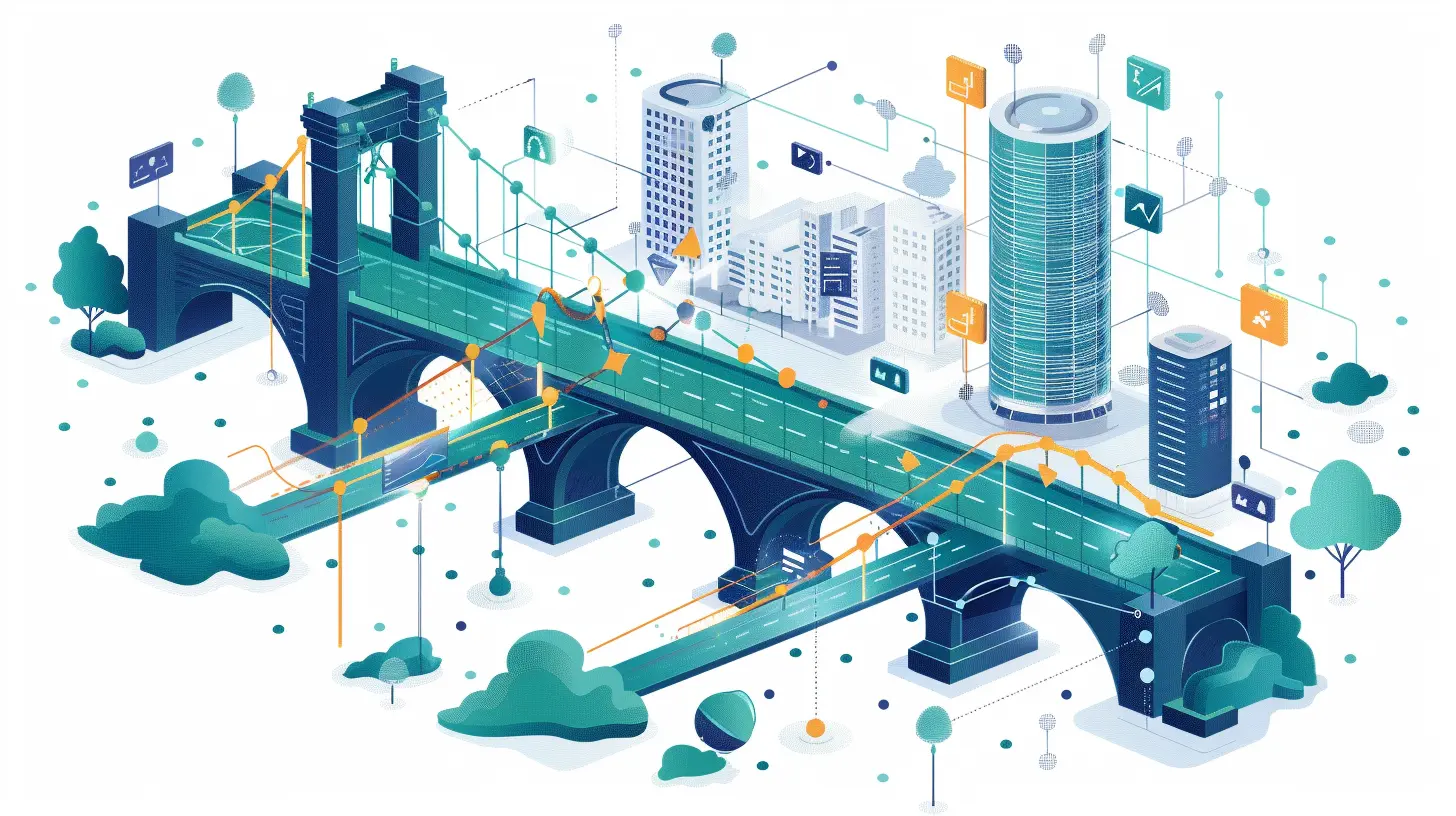
What Is Blockchain Interoperability, Anyway?
Let’s break it down real quick. Imagine you’ve got a group of people, each speaking a different language, with no translator around. That’s pretty much how most blockchains operate today. Ethereum, Bitcoin, Polkadot, Solana — they all exist in their own silos.Blockchain interoperability is like building a universal translator, allowing these separate blockchain networks to communicate, share data, and trigger joint operations.
In simpler terms? It means making different blockchains work together, like different apps on your phone sharing files or syncing data.
Why Should You Care About Interoperability?
Good question. Why should an average user—or even a developer—care if blockchains can talk to each other?Let me paint a picture for you. Let’s say you’ve got some ETH and you want to use that in a dApp (decentralized app) running on Binance Smart Chain. Without interoperability, you’d have to go through a centralized exchange, trade your ETH for BNB, send it over, and finally use the app. That’s not just annoying — it's also risky, slow, and expensive.
Interoperability makes things smoother. It allows you to:
- Seamlessly move assets between chains
- Access dApps from any network
- Sync data across platforms
- Reduce reliance on middlemen
And for developers? It unlocks cross-chain smart contracts and a vastly larger user base. It’s like going from building on a tiny island to building on the entire continent.
The Core Problems with Today’s Blockchain Ecosystem
So, what’s standing in the way of all this inter-blockchain harmony? There are a few major issues.1. Protocol Differences
Every blockchain speaks a different “language.” One uses proof-of-work, another uses proof-of-stake. Each has its own consensus mechanism, architecture, and set of rules. Making them work together is not as easy as plugging in a USB.2. Lack of Standardization
There’s no global standard for how blockchains should connect. It’s like every train station using different-sized tracks and calling them “standard gauge.”3. Scalability and Latency
Trying to connect large networks in real time puts a serious load on performance and speed. It’s no good if the bridge between blockchains becomes the bottleneck.4. Security Risks
Cross-chain bridges are high-value targets for hackers. We’ve already seen massive exploits (looking at you, Wormhole and Ronin). If interoperability is done wrong, it can open the door to major vulnerabilities.
Types of Blockchain Interoperability
Not all blockchain connections are created equal. There are a few major types of cross-chain interoperability to be aware of:1. Cross-Chain Bridges
These are the most popular (and controversial) solutions. Bridges lock assets on one chain and mint wrapped tokens on another. Think Wrapped BTC (WBTC) for using Bitcoin on Ethereum.Pros: Simple in concept
Cons: Centralized control, huge attack surface
2. Relays
Relays monitor one blockchain from another. They allow one chain to read the state of another, usually via light clients.Pros: Decentralized
Cons: Expensive to maintain, complex
3. Sidechains
Sidechains are independent chains connected to a main chain via a two-way peg. They offer more customization and faster transactions.Pros: High performance, tailored for specific use-cases
Cons: Not always trustless, requires custom infrastructure
4. Interoperability Protocols
These are built from the ground up to connect multiple blockchains. Think of them like the internet’s TCP/IP but for blockchains.Examples include Cosmos’ IBC (Inter-Blockchain Communication) and Polkadot’s parachain model.
Pros: Built for interoperability
Cons: Requires adoption, not compatible with all chains
Popular Projects Leading the Interoperability Charge
Let’s take a look at some of the major players shaking things up in the interoperability space.🌐 Cosmos
Cosmos calls itself the “Internet of Blockchains.” It uses the IBC protocol to let independent blockchains (called Zones) communicate with each other through the Cosmos Hub.Key Features:
- Tendermint consensus
- Modular SDK for building custom blockchains
- Growing ecosystem
🕸️ Polkadot
Polkadot uses a unique architecture with a central chain (Relay Chain) and multiple parachains. Each parachain can have its own rules and logic but still communicate with others in the network.Key Features:
- Shared security
- Cross-chain messaging
- Powerful governance model
🌉 Chainlink CCIP
Chainlink’s Cross-Chain Interoperability Protocol (CCIP) aims to standardize cross-chain communication. It focuses on secure off-chain data feeds and messaging between contracts on different chains.Key Features:
- Decentralized oracle network
- Focus on security and standardization
- Compatible with many chains
🎯 Quant Network (Overledger)
Quant takes a slightly different approach. Instead of focusing on just crypto chains, it aims to connect both DLT (Distributed Ledger Technology) networks and traditional systems — think banks, enterprises, and government tech.Key Features:
- Supports private and public blockchains
- Enterprise-ready
- API-driven interoperability
Real-World Use Cases of Blockchain Interoperability
We’re not just talking theory here — real stuff is happening.Cross-Chain DeFi
Imagine staking ETH on a Solana-based protocol, earning rewards in DOT, and swapping it for Avalanche tokens — all without touching an exchange. This is what cross-chain DeFi promises.Projects like ThorChain and Anyswap are attempting to make this experience seamless.
NFTs That Travel Across Chains
Want to take your NFT from Ethereum to Polygon to reduce gas fees or use it on a different platform? Interoperability makes that possible. Some NFT bridges are already allowing this kind of asset mobility.Global Supply Chains
Imagine goods tracked on one blockchain being seamlessly updated on another used by a different part of the supply chain. Supply chain interoperability can reduce fraud, errors, and inefficiencies on a massive scale.Healthcare & Identity Systems
Sharing patient records across national borders, crossing organizational and technological boundaries — this is another domain where secure, interoperable blockchains could change the game.The Road Ahead: What’s Still Missing?
Okay, we’ve got progress. But we’re still not in blockchain utopia. Here’s what we still need:1. Better Security Standards
We need battle-tested, audited frameworks to secure bridges and protocols. One big hack sours the entire ecosystem.2. User-Friendly Interfaces
Right now, using cross-chain tools is still complicated. We need smooth, intuitive UIs that grandma could understand.3. Mass Adoption
These tools only work if people are actually using them. That means better education, better onboarding, and more killer apps that rely on cross-chain tech.4. Regulation & Compliance
As governments catch up, interoperability will need to align with legal standards — especially for sectors like finance, identity, and healthcare.Final Thoughts: One Chain to Rule Them All? Nah.
A lot of people want to believe that one chain will eventually “win” — Ethereum, Solana, whatever. But the truth is, the future will be multi-chain. Just like we use different apps for different things, different blockchains will thrive based on their strengths.Interoperability is the glue that will hold this ecosystem together. Without it, the blockchain world remains fractured, inefficient, and hard to use. With it, we’re looking at a future of composable, seamless, and decentralized internet — the kind the original web pioneers could only dream of.
So, will blockchains finally learn to talk to each other? It’s already happening. Slowly, but surely.
all images in this post were generated using AI tools
Category:
Blockchain TechnologyAuthor:

Michael Robinson
Discussion
rate this article
2 comments
Desiree Lamb
Finally, a blockchain reunion tour that even my WiFi supports!
April 5, 2026 at 11:58 AM
Michael Robinson
Glad to hear you're excited! Blockchain interoperability is key to connecting networks seamlessly.
Rhea McRae
How does blockchain interoperability truly enhance collaboration between diverse networks and platforms? Fascinating!
March 14, 2026 at 5:39 AM
Michael Robinson
Blockchain interoperability enhances collaboration by enabling different networks to communicate and share data seamlessly, fostering trust and efficiency across platforms. This connectivity allows for smoother transactions, improved resource sharing, and innovative solutions, ultimately driving collective success.