Cloud-Based Video Editing: What to Expect by 2026
12 May 2026
Remember the last time you tried editing a video on a laptop that sounded like a jet engine taking off? The fans screaming, the timeline stuttering, and that sinking feeling when you realized you had to render a 4K project overnight. I've been there. It feels like wrestling a bear in a phone booth. But here's the thing: that bear is about to be tamed by the cloud.
Video editing has always been a hostage to hardware. You needed a beast of a machine with a dedicated GPU, tons of RAM, and a cooling system that could handle a crypto mine. By 2026, that's going to feel as outdated as dial-up internet. Cloud-based video editing isn't just a trend; it's the next logical step in how we create. Let's break down exactly what's coming, without the fluff.
The Death of the Local Render
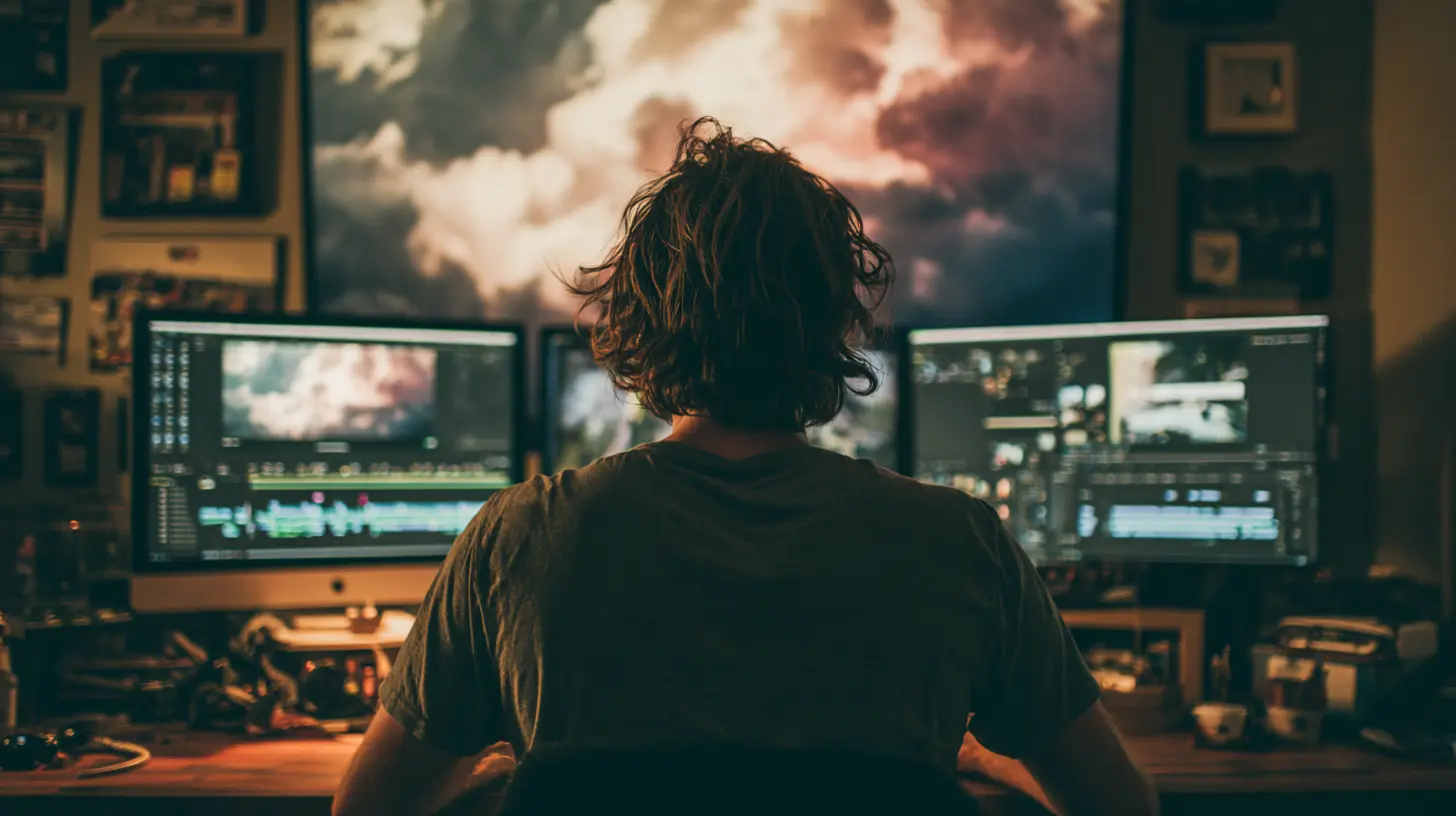
Right now, most of us still edit locally. We download files, drag them into Premiere or DaVinci Resolve, and wait. Wait for proxies to build. Wait for the timeline to stop lagging. Wait for the final export to finish so we can actually go to bed. It's a waste of time and energy.By 2026, local rendering will be a niche thing for people with very specific needs. The cloud will handle the heavy lifting in real-time. Imagine this: you're scrubbing through an 8K RAW file on a Chromebook, and there's zero lag. The processing is happening on a server farm somewhere, not on your machine. Your laptop is just a dumb terminal, a window into the real action.
This isn't magic. It's already happening with tools like Frame.io and Blackmagic Cloud, but the gap between "cloud-assisted" and "fully cloud-native" will vanish. By 2026, you won't think about rendering. You'll just hit play. The cloud will decode, process, and stream back the frames faster than your eyes can blink. For creators, this means one less excuse not to edit on the go.
What 2026 Actually Looks Like
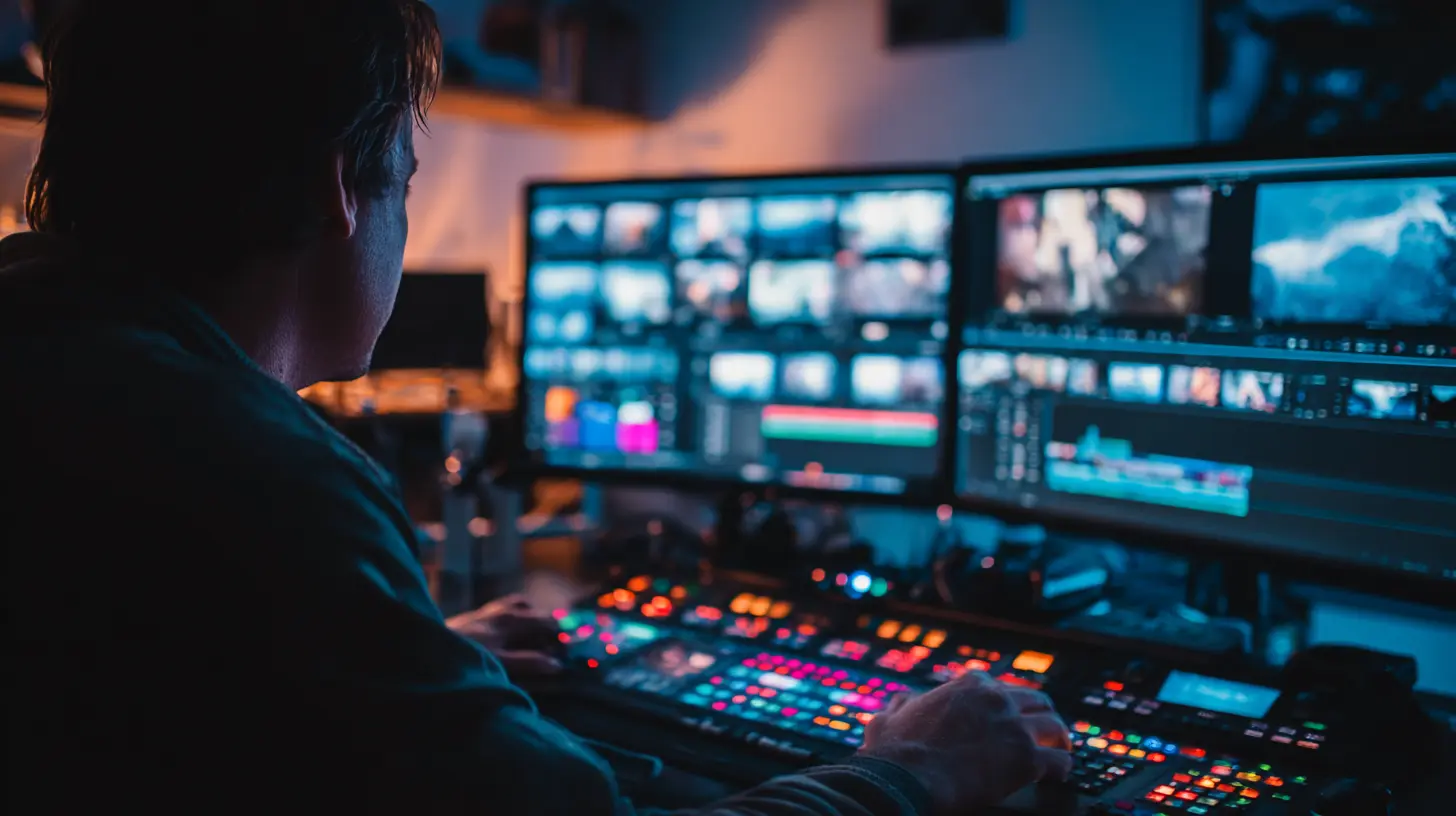
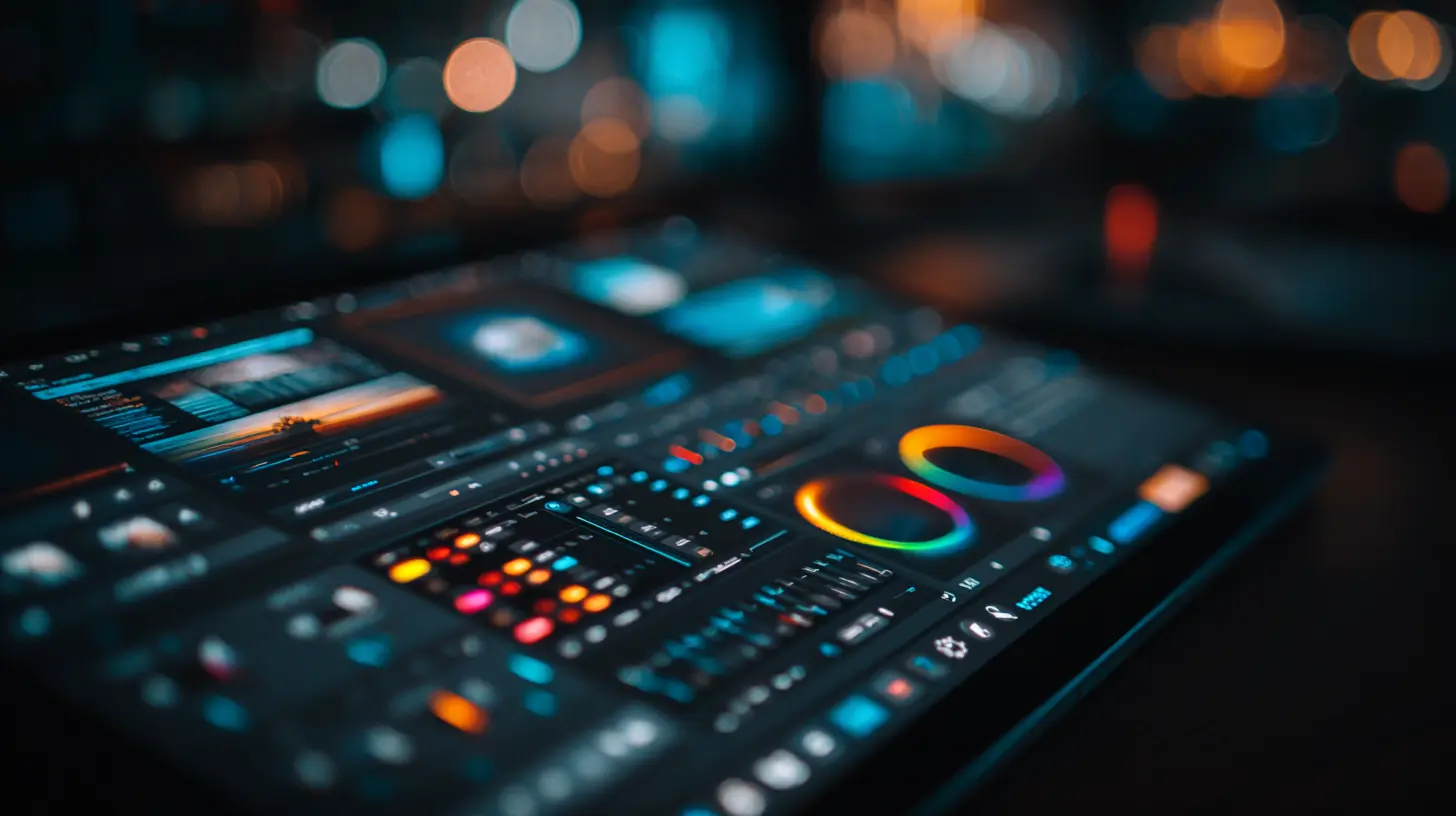
Let's get specific. By 2026, a cloud-based editing workflow will feel as natural as using Google Docs. You'll open a browser tab, log into your editing platform, and see your project waiting. No downloads, no file transfers, no sync errors. Your media is already there, stored in the cloud, accessible from any device with a decent internet connection.The interface will be familiar, but it won't be a stripped-down version of what you use today. We're talking full NLE power in a browser. Color grading, audio mixing, keyframing, motion graphics. All of it, running remotely. The latency will be so low that you'll forget you're not editing locally. Think of it like streaming a 4K movie on Netflix, but you're the one controlling the timeline.
And here's the kicker: collaboration. By 2026, "version control" will be a solved problem. Multiple editors will work on the same timeline simultaneously, from different cities, on different devices. No more "Final_v3_ActuallyFinal.mov" nonsense. You'll see cursor movements in real-time, leave comments that stick to specific frames, and undo changes without breaking someone else's work. It's going to feel like a multiplayer game, but for storytelling.
The Internet Speed Myth
You might be thinking, "But my internet isn't fast enough." I get it. That's the common fear. But by 2026, the landscape will shift. First, fiber and 5G are rolling out faster than ever. Second, cloud editing platforms are getting smarter about bandwidth. They don't stream the full resolution all the time. They use adaptive streaming, similar to YouTube or Netflix, that adjusts to your connection. You'll edit on proxies in real-time, and the final render will use the original high-res files stored in the cloud.The real bottleneck isn't speed; it's stability. You can have a 1 Gbps connection, but if it drops packets like hot potatoes, you're in trouble. By 2026, cloud editing tools will prioritize low-latency streaming over raw bandwidth. They'll buffer intelligently and cache frequently used clips locally. So even if your connection hiccups, your timeline won't freeze. It's not about having the fastest internet in the world. It's about having a smart enough system to work with what you've got.
Storage Wars: The End of Hard Drives
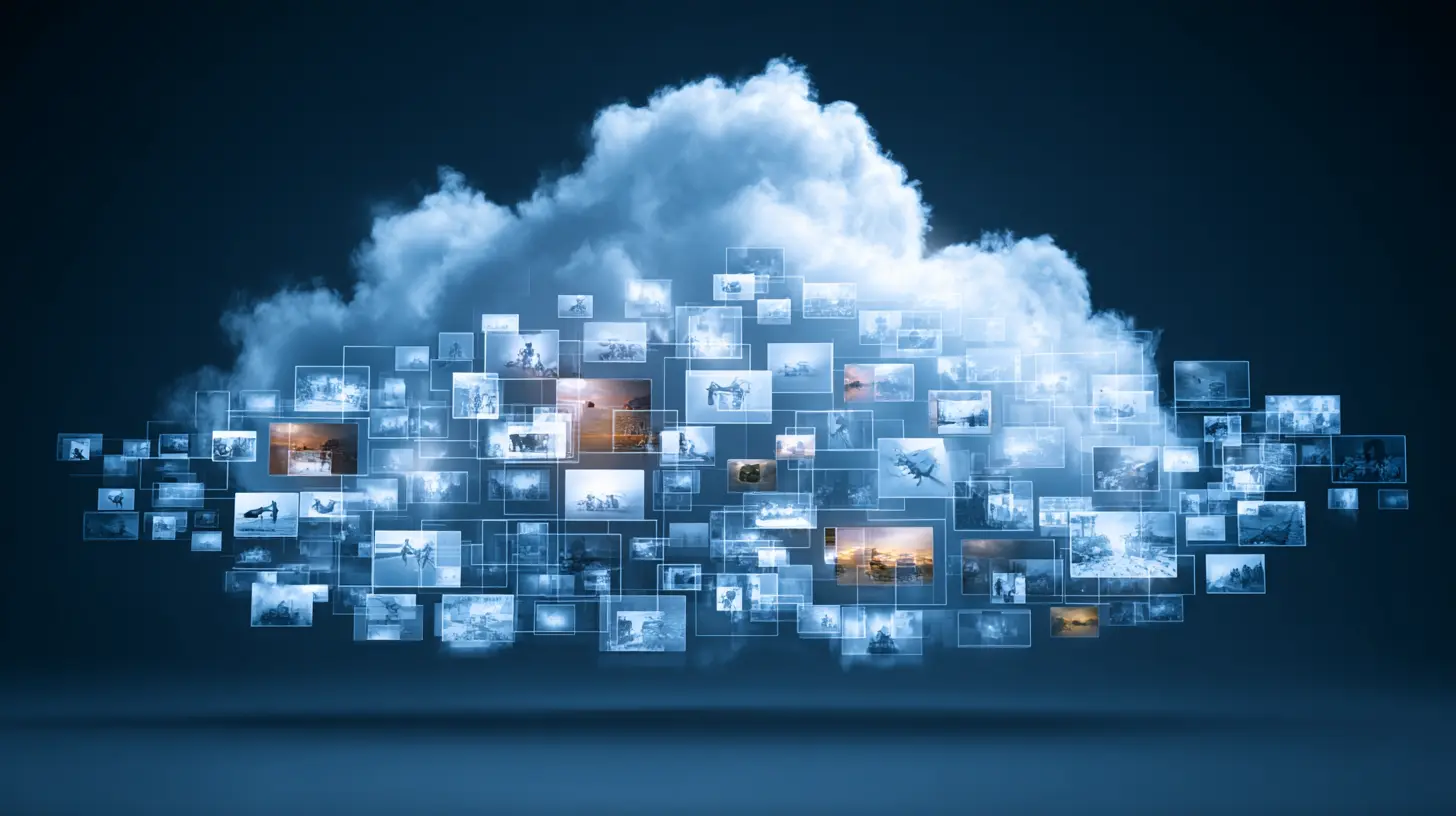
Let's talk about storage. How many external hard drives do you own? I've got a drawer full of them. SSDs, HDDs, stuff labeled "2017 Wedding Footage" that I'll never touch again. It's a mess. By 2026, this physical storage chaos will be a memory.Cloud storage for video is already cheap and getting cheaper. By 2026, you'll have unlimited or near-unlimited storage included with your editing subscription. Your raw footage, your exports, your project files, all live in the cloud. No more worrying about disk space or running out of room on your laptop. You'll access everything from a browser, and the platform will handle redundancy, backups, and archiving.
But here's the real shift: intelligent storage management. The cloud will automatically archive old projects to cold storage to save you money, and bring them back online when you need them. It'll generate proxies on the fly and delete them when they're no longer needed. You won't think about storage at all. It'll just work. And if you lose your laptop? Who cares. Your entire editing life is in the cloud. Log in from a new machine and pick up where you left off.
The Rise of AI-Assisted Editing in the Cloud
This is where things get wild. By 2026, AI won't just be a gimmick in video editing. It'll be baked into the cloud workflow. Imagine you have 20 hours of interview footage. The AI will automatically transcribe every word, identify key speakers, and even suggest highlights based on emotional tone. It'll cut out dead air, remove filler words, and sync multiple camera angles automatically.And it gets better. Cloud-based AI will analyze your editing style over time. It'll learn that you like jump cuts for vlogs or slow dissolves for documentaries. It'll offer suggestions that actually match your vibe, not generic templates. Need a background score? The AI will generate royalty-free music that fits the mood of your scene. Need a color grade? It'll analyze your footage and apply a look that matches your brand.
But here's the catch: AI won't replace editors. It'll make them faster. By 2026, the tedious parts of editing like syncing, logging, and rough cuts will be automated. You'll spend more time on creative decisions and less time on mechanical tasks. The cloud makes this possible because the AI has access to massive compute power and your entire library of past work. It's like having an assistant who knows your style better than you do.
Collaboration Without Compromise
I've worked on projects where the editor was in LA, the colorist in London, and the client in Tokyo. The workflow was a nightmare. We used to send hard drives via courier. Seriously. By 2026, that era will be over.Cloud-based editing platforms by 2026 will support real-time collaboration with zero friction. Multiple editors can work on the same sequence at the same time. The colorist can grade while the sound designer adjusts levels. The client can add notes directly on the timeline, and you'll see them appear instantly. No more exporting, uploading, and waiting for feedback.
The key here is granular permissions. You won't have to worry about someone accidentally deleting your favorite take. The platform will allow you to lock clips, assign roles, and track every change. It's like Google Docs for video, but with the power of a professional NLE. And because everything is in the cloud, you can invite a freelance editor for a single project without sharing your entire hard drive or dealing with file transfers.
The Subscription Model Gets Smarter
Let's be honest: nobody loves subscriptions. But by 2026, the pricing for cloud-based editing will be more flexible. Instead of paying a flat monthly fee for features you don't use, you'll pay for what you consume. Need to render a 4K export? That'll cost a few cents. Need to store 10 TB of footage? That'll be a bit more. But if you're just editing a short social media clip, you'll pay next to nothing.This consumption-based model is already happening with cloud compute services, and it'll trickle down to video editing. By 2026, you'll have options: a basic tier for hobbyists, a pro tier with unlimited storage and rendering, and an enterprise tier with dedicated GPU servers. The days of dropping $2,000 on a perpetual license plus annual upgrades are numbered. You'll pay for the power you actually use, and nothing more.
And here's the best part: no more hardware upgrades. Your editing rig is the cloud. If the cloud platform upgrades its GPUs, you benefit immediately. No need to buy a new laptop every two years. Your "computer" gets faster without you spending a dime on hardware.
What About Privacy and Security?
I know what you're thinking. "My footage is in the cloud? That sounds like a security nightmare." It's a valid concern. By 2026, cloud editing platforms will treat security as a feature, not an afterthought. We're talking end-to-end encryption, zero-knowledge storage, and granular access controls. Your footage will be encrypted both in transit and at rest. The platform won't be able to see your content unless you explicitly share it.Also, expect regional data centers. By 2026, most major cloud editing platforms will offer data residency options. If you're in the EU, your footage stays in the EU. If you're in Asia, it stays in Asia. This matters for compliance with GDPR and other privacy laws. And for sensitive projects like corporate videos or documentaries, you'll be able to set expiration dates on shared links, watermark previews, and revoke access instantly.
Will there be breaches? Unfortunately, no system is 100% secure. But by 2026, the risk of losing a hard drive or having a laptop stolen will outweigh the risk of a cloud breach for most creators. The cloud is actually safer than your desk drawer.
The Hybrid Workflow: Not Dead Yet
Now, I'm not saying local editing will disappear entirely by 2026. Some workflows will always benefit from local processing. If you're cutting a feature film with terabytes of Arri RAW footage and you have a dedicated post-production suite, you might still prefer local. But even then, the cloud will play a role. You'll use it for collaboration, review, and final delivery.The hybrid workflow will be the sweet spot for 2026. You'll edit locally when you need low latency and full control, but you'll sync to the cloud for backups, sharing, and remote work. The line between "local" and "cloud" will blur. Your project file will live in both places, automatically synced. You'll start a cut on your desktop at the office, then pick it up on your tablet at the coffee shop. No export, no import. Just seamless.
What This Means for Creators
If you're a solo creator, this is huge. You'll no longer need a $3,000 laptop to edit 4K video. A decent Chromebook or an iPad with a keyboard will do. Your subscription gives you access to rendering power that would cost tens of thousands of dollars to own. It's like renting a supercar for the price of a bus pass.For small studios, the cloud will level the playing field. You'll compete with larger shops because you'll have access to the same tools and compute power. You can hire the best colorist in the world, even if they live in a different country, and they'll work on your project in real-time. No more shipping drives.
For clients, the experience will be faster and more transparent. Instead of waiting days for a rough cut, they'll see updates in hours. They'll leave comments directly on the timeline. The feedback loop shrinks, which means you iterate faster and deliver better work.
The Bottom Line
By 2026, cloud-based video editing will be the default, not the exception. The hardware arms race will end for most creators. Instead of chasing the latest GPU, you'll chase better internet and a good subscription plan. The tools will be smarter, faster, and more collaborative. You'll spend less time wrestling with technology and more time telling stories.But here's the real question: are you ready to let go of your local setup? It's a hard shift. I get it. There's comfort in having your files on a drive you can hold. But the cloud offers freedom. Freedom to work from anywhere, with anyone, on anything. By 2026, that freedom won't be a luxury. It'll be the standard.
So, keep an eye on the horizon. The bear in the phone booth is about to go extinct. And when it does, you'll wonder why you ever put up with it.
all images in this post were generated using AI tools
Category:
Multimedia ProductionAuthor:

Michael Robinson
Discussion
rate this article
1 comments
Marley Davis
Will the cloud redefine creativity, or limit our vision?
May 14, 2026 at 12:49 PM