Cross-Platform Play: What It Means for the Future of Esports
7 June 2026
Esports is booming, right? It’s no longer just a niche market where a few hardcore gamers duke it out while the rest of us watch from the sidelines. No, esports is now a global phenomenon. From massive stadiums packed with screaming fans to live streams with millions of viewers, it’s clear that competitive gaming is here to stay. But there’s a new trend shaking things up in the gaming world: cross-platform play.
If you’re not already familiar with cross-platform play, let me break it down for you. It's when players on different gaming systems—like PlayStation, Xbox, PC, or even mobile—can all play together in the same game. Sounds cool, right? Well, it’s more than just cool; it's a game-changer. And it’s going to have a massive impact on the future of esports. Let’s dive in and explore why cross-platform play is so important and how it’s reshaping the world of competitive gaming.

What Is Cross-Platform Play?
First things first, let's get on the same page. Cross-platform play (sometimes referred to as cross-play) is a feature in video games that allows players on different hardware platforms to play together. In the past, if you had an Xbox, you could only play with other Xbox users. If you had a PlayStation, you were stuck playing with only PlayStation players. But thanks to cross-play, those walls are coming down.So, whether you’re a PC gamer with a tricked-out rig or someone who prefers to game on their mobile phone, cross-platform play allows everyone to join the same virtual battlefield. Fortnite, Call of Duty: Warzone, and Rocket League are some of the big names that have integrated cross-play, making it easier than ever for gamers across the world to connect and compete.
Why Cross-Platform Play Is a Big Deal for Esports
Now, you might be wondering, “Why is this such a big deal for esports?” After all, professional esports athletes usually play on PCs, right? Well, it turns out that cross-platform play has far-reaching implications for the future of competitive gaming. Here’s why:1. Larger Player Pools
One of the biggest advantages of cross-platform play is that it increases the size of the player pool. Think about it: instead of being restricted to players on just one platform, now you’ve got gamers from multiple systems all competing together. This means more players, more competition, and ultimately, a more competitive environment.For esports, this is huge. A larger player base means more talent to discover, more up-and-coming stars to watch, and more variety in playstyles. It’s like opening up the floodgates to an entire ocean of potential talent. The best of the best will rise to the top, and that’s going to make esports even more thrilling to watch.
2. Equal Opportunity for All Gamers
Cross-platform play levels the playing field—literally. No longer do you need the most expensive gaming system to compete with the best. Whether you’re gaming on a high-end PC, a console, or even a smartphone, cross-play ensures that everyone has a chance to join the action.In esports, this opens up opportunities for players who might not have the resources to buy the latest gaming hardware. It’s democratizing the competitive gaming scene, making it more accessible than ever before. And with more diversity in players, we’re likely to see new strategies, new styles of play, and an even more exciting esports landscape.
3. More Engaging Tournaments
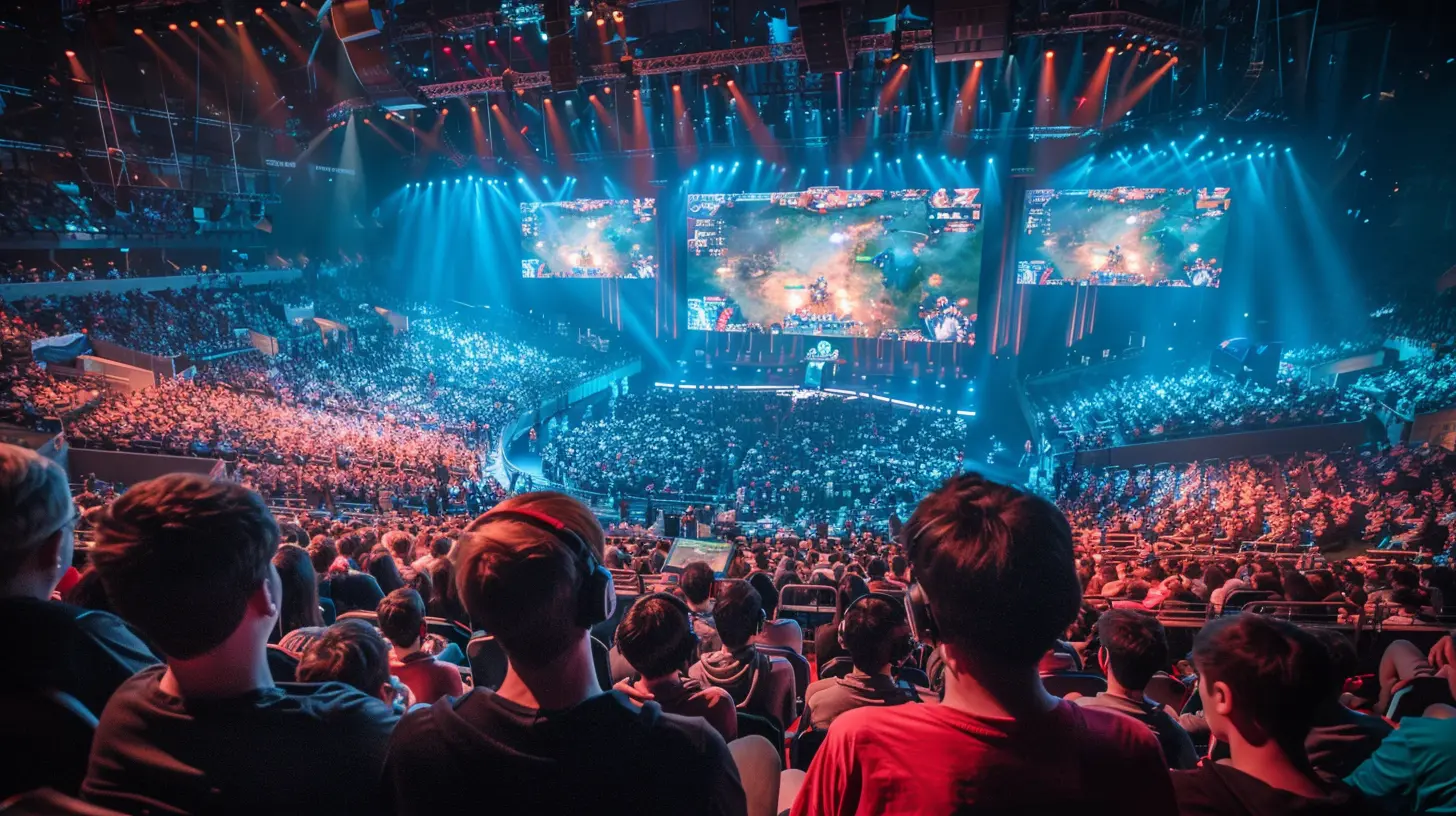
Imagine you're watching a massive esports tournament, and instead of seeing all the players using the same platform (usually PCs), you’ve got competitors from different platforms going head-to-head. It’s like watching a battle of the titans. Who will come out on top—the console player with their precise controller movements or the PC player with their lightning-fast mouse clicks?Cross-platform tournaments have the potential to be incredibly engaging, and they add a new layer of excitement for viewers. The diversity of platforms introduces an extra element of unpredictability, which, let’s be honest, is what makes any competition worth watching.
The Challenges of Cross-Platform Play in Esports
Of course, it’s not all sunshine and rainbows. Cross-platform play in esports does come with its own set of challenges. Let’s take a look at some of the hurdles that need to be overcome.1. Balancing Different Platforms
One of the biggest challenges with cross-play is ensuring that players on different platforms are evenly matched. Let’s face it, there’s a difference between playing with a controller and playing with a keyboard and mouse. In some games, PC players might have an edge because they can aim more precisely with a mouse. In other cases, console players may have an advantage because their controllers offer better movement controls.This issue of balancing the platforms is something that game developers and esports organizers will need to figure out. Some games have already implemented aim-assist features or other balancing mechanics to even the playing field, but it’s still an ongoing challenge.
2. Technical Limitations
Another challenge is the technical side of things. Cross-platform play requires games to be built in a way that allows different systems to talk to each other. This isn't always easy to implement, especially in fast-paced esports games where every millisecond counts.Latency, server stability, and synchronization between platforms are all issues that need to be addressed to ensure that cross-play works seamlessly. Nobody wants to lose a match because of a technical glitch, right?
3. Cheating and Fair Play
Fair play is a cornerstone of esports, and cheating is one of the biggest concerns in competitive gaming. Cross-platform play introduces new challenges when it comes to maintaining a level playing field. With players coming from different systems, it can be harder to police cheating, especially when different platforms have different security measures.For example, PC players might have access to cheats or hacks that aren’t available on consoles. This creates a potential imbalance in cross-platform competitions. Esports organizers and game developers will need to work closely to implement anti-cheat systems that work across all platforms.

The Future of Esports with Cross-Platform Play
So, where do we go from here? What does the future of esports look like with cross-platform play becoming more common? Here are a few predictions:1. Bigger, Global Tournaments
Cross-platform play will likely lead to larger, more global tournaments. Since players from different platforms can all compete together, we’ll see even more international competitions with players from all over the world. This means bigger prize pools, bigger audiences, and even more attention on the esports scene.2. New Esports Titles
We’re already seeing some of the biggest esports titles embrace cross-play, but in the future, we can expect even more games to follow suit. Game developers know that cross-play is a key feature that players want, and they’ll be more likely to design games that support it from the ground up.This could lead to the rise of new esports titles specifically designed for cross-platform play. We might even see games that are built to take advantage of the differences between platforms, creating unique competitive experiences.
3. More Inclusivity and Diversity
As mentioned earlier, cross-platform play opens up competitive gaming to a wider audience. You don’t need to have the latest high-end gaming PC to compete at a high level. This inclusivity will lead to a more diverse range of players, including those from regions where gaming hardware is less accessible.In the long run, this could lead to a more diverse and inclusive esports scene, which is good for everyone. The more voices and perspectives we have in esports, the richer and more exciting the competition will be.
Conclusion: Cross-Play Is the Future
There’s no doubt about it: cross-platform play is going to have a major impact on the future of esports. It’s breaking down barriers, opening up new opportunities, and making the competitive gaming world more accessible and exciting than ever before. Sure, there are challenges to overcome, but the potential benefits far outweigh the hurdles.As cross-play becomes more common, we’re going to see bigger tournaments, more diverse players, and a more engaging esports scene. Whether you’re a casual gamer or a hardcore esports fan, one thing’s for sure: the future of esports is looking bright, and it’s going to be more connected than ever before.
###
all images in this post were generated using AI tools
Category:
EsportsAuthor:

Michael Robinson
Discussion
rate this article
1 comments
Luma Howard
Leveling the playing field!
June 8, 2026 at 2:50 AM