Cybersecurity and Artificial Intelligence: A Double-Edged Sword
9 May 2026
Artificial intelligence and cybersecurity—two buzzwords that are practically glued to the future of technology. But here's the thing: when you put them together, it's not always a match made in heaven. In fact, AI in the realm of cybersecurity is like a double-edged sword. On one hand, it defends. On the other? It attacks. And if you're scratching your head wondering how that works—hang tight. We're diving deep into how this love-hate relationship shapes our digital world.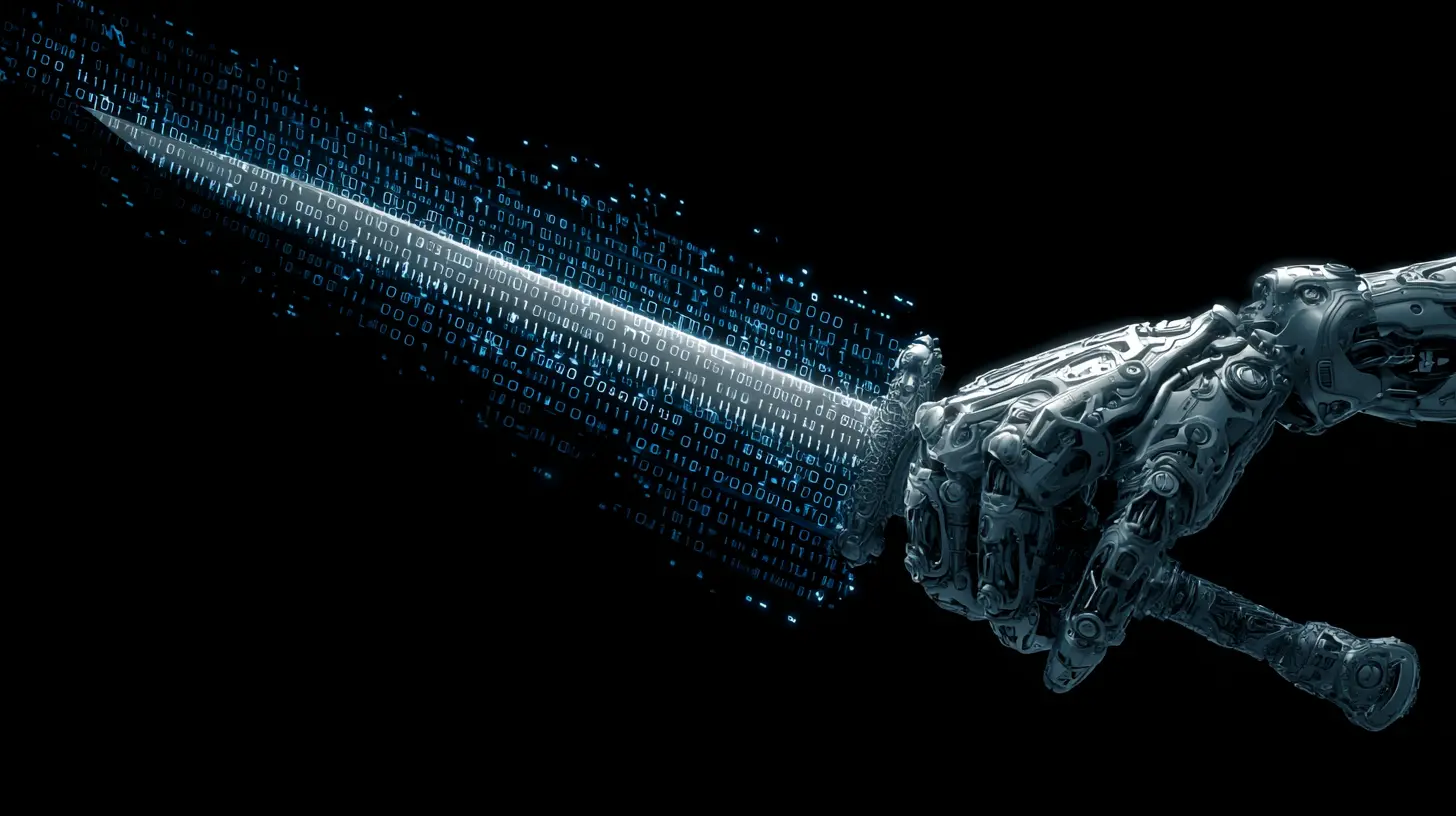
The AI Boom: Blessing or a Curse?
Let’s start with the basics. We've all heard that AI is changing the game. It automates tasks, analyzes data at inhuman speeds, and learns faster than your average tech guru ever could. This is great for cybersecurity professionals who are constantly trying to keep up with an ever-expanding threat landscape.But here's the flip side: The same AI that helps us build smarter security systems? Yeah, cybercriminals can (and do) use it too.
So what are we dealing with? A cyber arms race, really.
How AI Is Strengthening Cybersecurity
Let’s not throw AI under the bus just yet. It’s important to understand how it’s actually helping us stay safer online.1. Smarter Threat Detection
Traditional security systems often rely on signatures—known patterns of malware. Problem is, they're not great at spotting new threats. AI, on the other hand, identifies anomalies. It can analyze network behavior, learn what's "normal," and flag anything that looks off.Think of it like a watchdog that knows the routines of your entire neighborhood. It doesn’t just bark at strangers—it barks when your neighbor starts acting strange too.
2. Faster Response Times
Speed is everything in cybersecurity, right? AI-powered systems can react to threats within milliseconds. Whether it's isolating a compromised device or shutting down suspicious processes, AI doesn’t wait around. It acts fast—way faster than human analysts juggling thousands of other alerts.3. Automating Mundane Tasks
Let’s be real—security teams are often overworked. AI can take over repetitive, time-consuming tasks like log analysis, vulnerability scanning, and patch management. This frees up human analysts to focus on strategy and more complex threats.4. Identity Verification and Access Control
From facial recognition to behavioral biometrics, AI is powering next-gen authentication methods. It makes it way harder for attackers to spoof credentials or brute-force their way through login systems.Let’s face it—your password is probably not as strong as you think. AI helps pick up that slack.
AI on the Offensive: When the Sword Turns
Now here’s the creepy part. AI isn’t just a tool for defense. Cybercriminals are getting smarter (and lazier), and guess what? They’re using AI too.1. AI-Powered Malware
We're talking about malware that can adapt, disguise itself, and even "decide" the best time to launch an attack based on the target's behavior. It’s like the predator in a wildlife documentary—only it's not after your lunch, it's after your data.2. Deepfakes and Social Engineering
Ever seen a video of a public figure saying something outrageous, only to realize it's fake? That's deepfake technology at work. Now imagine receiving a voicemail from your "boss" asking for sensitive info. If attackers can clone voices and faces, phishing just got an upgrade.Social engineering is now on steroids, thanks to AI.
3. Automated Hacking Tools
There are AI bots that can scan the internet for vulnerabilities, write phishing emails that sound eerily human, and even customize attacks based on your digital footprint. It’s like having a supervillain with a cheat code to the internet.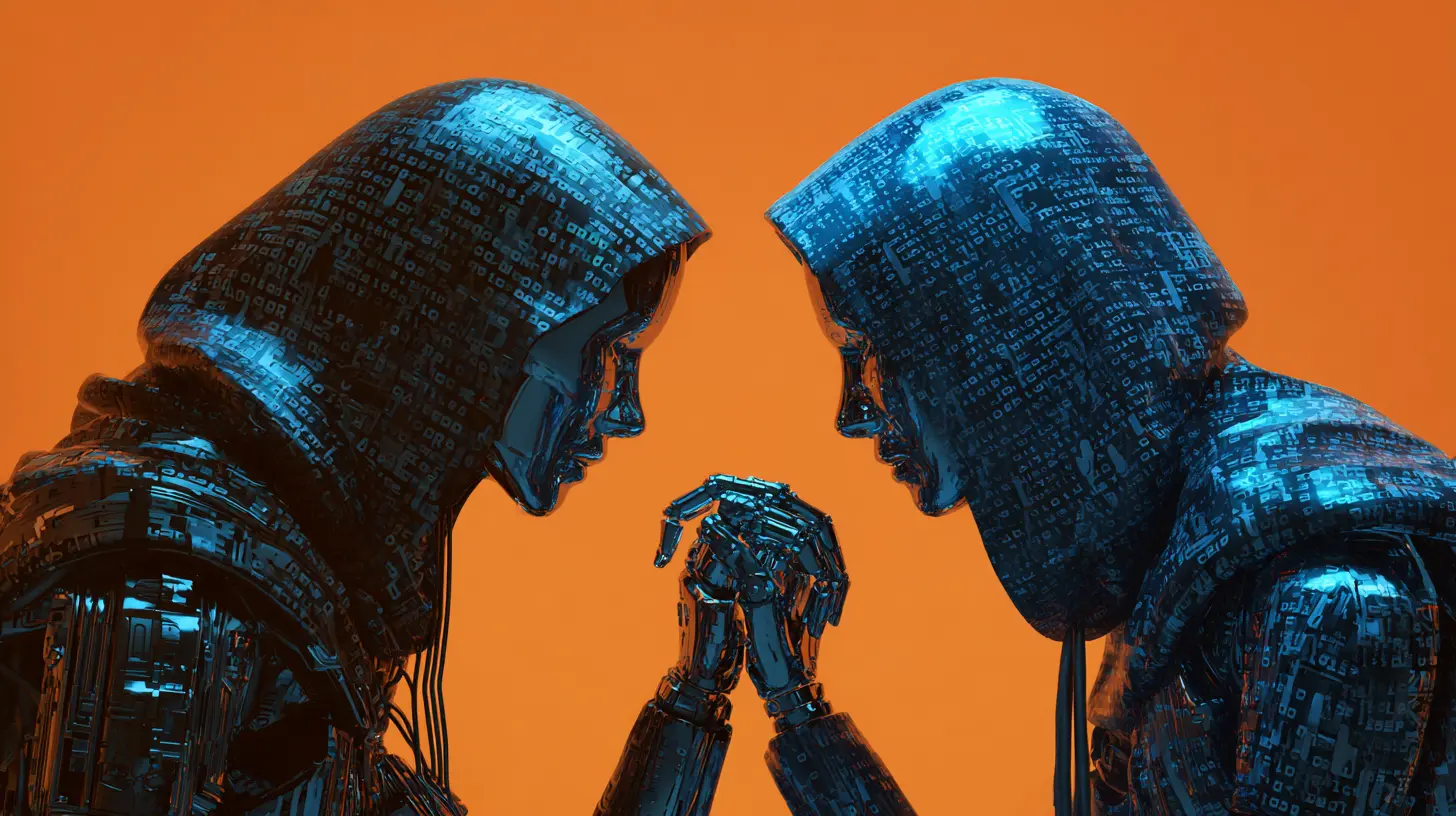
The Cat-and-Mouse Game: Who’s Winning?
Here’s the deal: Every time cybersecurity experts build a better mousetrap, hackers build a smarter mouse. It's a never-ending game of cat and mouse—only now, both the cat and the mouse are AI-powered.So who’s really winning? It's too early to say. But what's clear is this: the playing field has changed. It’s not just about firewalls and antivirus anymore. It's about who has the better algorithms.
Ethical Dilemmas: Where Do We Draw the Line?
With great power comes—you guessed it—great responsibility. AI opens a Pandora’s box of ethical concerns in cybersecurity.1. Privacy Nightmares
AI tools often need a lot (and we mean a lot) of data to function properly. But where do we draw the line between security and surveillance? Should your company be monitoring every click, every login, and every move to keep things secure? That's a slippery slope.2. Bias and Discrimination
AI models are only as good as the data they’re trained on. If that data is biased, the AI will be too. This can lead to false positives—like wrongly flagging a user as a threat based on flawed patterns.Your security system shouldn’t act like a paranoid hall monitor with a personal vendetta.
3. Accountability and Transparency
Who’s to blame when AI screws up? The developer? The IT team? The machine? A lack of transparency in how decisions are made can lead to serious consequences—especially if users are penalized unfairly.Bridging the Skills Gap: Humans + AI = Dream Team
Let’s not forget that AI is a tool—not a replacement for people.The best cybersecurity teams are the ones that know how to work alongside AI. Think of it like Iron Man—Tony Stark without the suit is still smart, but it’s the tech that really helps him win battles. It's the same here. Human judgment combined with machine intelligence is the real power move.
Companies need to train their workforce to understand and manage AI-based tools. Cybersecurity education must evolve to include AI principles, data ethics, and algorithm management.
The Future of AI in Cybersecurity: What’s Next?
We can’t predict the future, but based on current trends, here's what we can expect:1. Predictive Security
We’re moving towards systems that don’t just react—they predict. AI could soon identify vulnerabilities before they’re ever exploited, using a combination of attack simulations and historical data.2. AI vs AI Warfare
Think cybersecurity chess: defensive AI trying to outsmart offensive AI. It’s like a digital arms race happening in real time. The battlefield? Everywhere—from cloud servers to your smart fridge.3. Regulation and Standards
Expect more government involvement in regulating AI use in cybersecurity. Data privacy laws will tighten. And we’ll start to see more frameworks and certifications to ensure ethical AI practices.So... Is AI the Hero or the Villain?
Here's the truth: AI is neither good nor bad. It’s a tool. It all depends on who's wielding it and for what purpose.Used responsibly, artificial intelligence is a cybersecurity game-changer—detecting threats faster, responding smarter, and keeping us safer than ever before.
But in the wrong hands? It’s a weapon of chaos.
So the key lies in balance—leveraging the strengths of AI while recognizing and preparing for its darker potentials. That’s how we win this digital battle.
Final Thoughts
AI and cybersecurity are locked in a complicated relationship—equal parts opportunity and threat. It’s up to us to guide this technology down the right path. And that means investing in ethical AI, upskilling our workforce, and staying aware of how the game is evolving.Because in this new era, it’s not just about fighting hackers. It’s about outsmarting machines—before they outsmart us.
all images in this post were generated using AI tools
Category:
CybersecurityAuthor:

Michael Robinson
Discussion
rate this article
2 comments
Zorina Cole
It's fascinating how AI can both protect and challenge our digital lives. So true!
July 17, 2026 at 2:28 AM
Michael Robinson
Absolutely, it's a complex balance. AI's potential to enhance security while also posing risks is definitely worth exploring further.
Arwenia McClellan
Balancing innovation with security is crucial as AI evolves in cybersecurity.
May 17, 2026 at 4:35 AM
Michael Robinson
I completely agree. As AI advances, we must prioritize security to ensure innovations enhance, rather than compromise, our safety.