Esports and Accessibility: Making Competitive Gaming Inclusive
18 May 2026
Esports has taken the world by storm, bringing gamers from all walks of life together in competitive arenas. From massive tournaments with million-dollar prize pools to small local competitions, esports has become a global phenomenon. But while the industry continues to grow, one critical aspect often falls by the wayside—accessibility.
Gaming should be for everyone, yet many people face barriers that make competitive play difficult or even impossible. Whether it’s physical disabilities, financial limitations, or lack of adaptive technology, plenty of hurdles still need to be overcome.
So, how can we make esports more accessible? Let’s dive into the current challenges and the steps being taken to create a more inclusive competitive gaming scene. 
The Accessibility Problem in Esports
Before we discuss solutions, it’s important to address the challenges many gamers face when trying to break into esports. Accessibility in gaming isn’t just about adding subtitles or colorblind modes—it's about ensuring that everyone, regardless of their abilities, has an equal opportunity to compete.Physical Disabilities and Adaptive Needs
Many esports titles require fast reflexes, precise movements, and extensive use of controllers or keyboards. For gamers with physical disabilities, this can be a significant hurdle. Traditional input devices aren't always accessible, making it difficult for some to participate at the same level as their peers.Thankfully, companies like Microsoft have created adaptive controllers, allowing players with limited mobility to customize their controls. But there's still a long way to go in making these devices more widespread and affordable.
Hearing and Visual Impairments
Competitive games rely heavily on audio cues—think enemy footsteps in Call of Duty or ability sounds in League of Legends. But what about players who are deaf or hard of hearing? Without proper visual indicators, they’re at a major disadvantage.Similarly, visually impaired gamers might struggle with small text, poor contrast, or crucial in-game elements that aren’t designed with accessibility in mind. While some games include text-to-speech and improved UI settings, the industry as a whole still has room for improvement.
Financial Barriers
Let’s be real—gaming, especially at a competitive level, isn’t cheap. High-end PCs, gaming peripherals, fast internet, and even game licenses can add up quickly. For many aspiring esports athletes, financial constraints are just as limiting as physical disabilities.While some organizations offer scholarships and sponsorships, financial assistance for competitive gaming is still relatively rare. Making esports more accessible means finding ways to ensure that talent, not money, is the determining factor in success. 
Steps Toward a More Inclusive Esports Industry
The good news? The esports industry is starting to recognize these challenges and take steps toward greater inclusivity. Here are some of the key initiatives driving change.Development of Accessible Gaming Equipment
Hardware manufacturers are stepping up their game by developing controllers, headsets, and other peripherals designed with accessibility in mind.- Microsoft Adaptive Controller: One of the biggest breakthroughs in accessible gaming, this device allows players with mobility impairments to customize their input setup, making it easier to play.
- Haptic Feedback and Audio Enhancements: Devices that provide vibration feedback or convert audio cues into visual elements help gamers with hearing impairments stay competitive.
- Eye-Tracking Technology: Some companies are working on eye-tracking systems that allow players with limited mobility to control in-game actions through eye movements alone.
Inclusive Game Design
Game developers are beginning to prioritize accessibility features from the start, rather than as an afterthought. Some of the most impactful additions include:- Customizable Controls: Allowing players to remap buttons, adjust sensitivity, and configure controls to match their needs.
- Subtitles and Visual Indicators: Enhancing closed captioning options and providing visual cues for in-game audio events help level the playing field.
- Colorblind Modes: Ensuring that players with color vision deficiencies can differentiate between teams, objectives, and important gameplay elements.
Esports Tournaments for Disabled Gamers
One of the best ways to promote inclusivity is by creating spaces where disabled gamers can thrive. Some organizations have already taken the lead:- The Adaptive Esports League: A competitive scene designed specifically for gamers with disabilities, offering fair and exciting matchmaking.
- Special Esports Events: More mainstream tournaments are beginning to include events for disabled players, showcasing their talent and proving that accessibility doesn't mean lower competition.
Community and Support Networks
Beyond game design and hardware, the esports community plays a vital role in fostering inclusivity. Initiatives like:- Online forums and Discord servers for disabled gamers
- Streaming platforms that highlight inclusive gaming
- Coaching and mentorship programs for aspiring esports athletes
These efforts help disabled players feel welcomed, valued, and encouraged to pursue competitive gaming. 
The Role of Game Developers and Industry Leaders
True change starts at the top. Game developers, tournament organizers, and sponsors all have a responsibility to ensure esports is open to everyone. Some actionable steps they can take include:- Hiring Accessibility Consultants: Bringing in professionals who understand the challenges disabled gamers face can help shape more inclusive games.
- Setting Industry Standards: Large esports organizations should establish and enforce accessibility requirements for tournaments and competitions.
- Financial Support for Inclusive Gaming Efforts: Sponsoring adaptive gaming technology, funding scholarships, or even subsidizing accessible equipment for players in need.
When the big companies lead the way, others in the industry will follow. 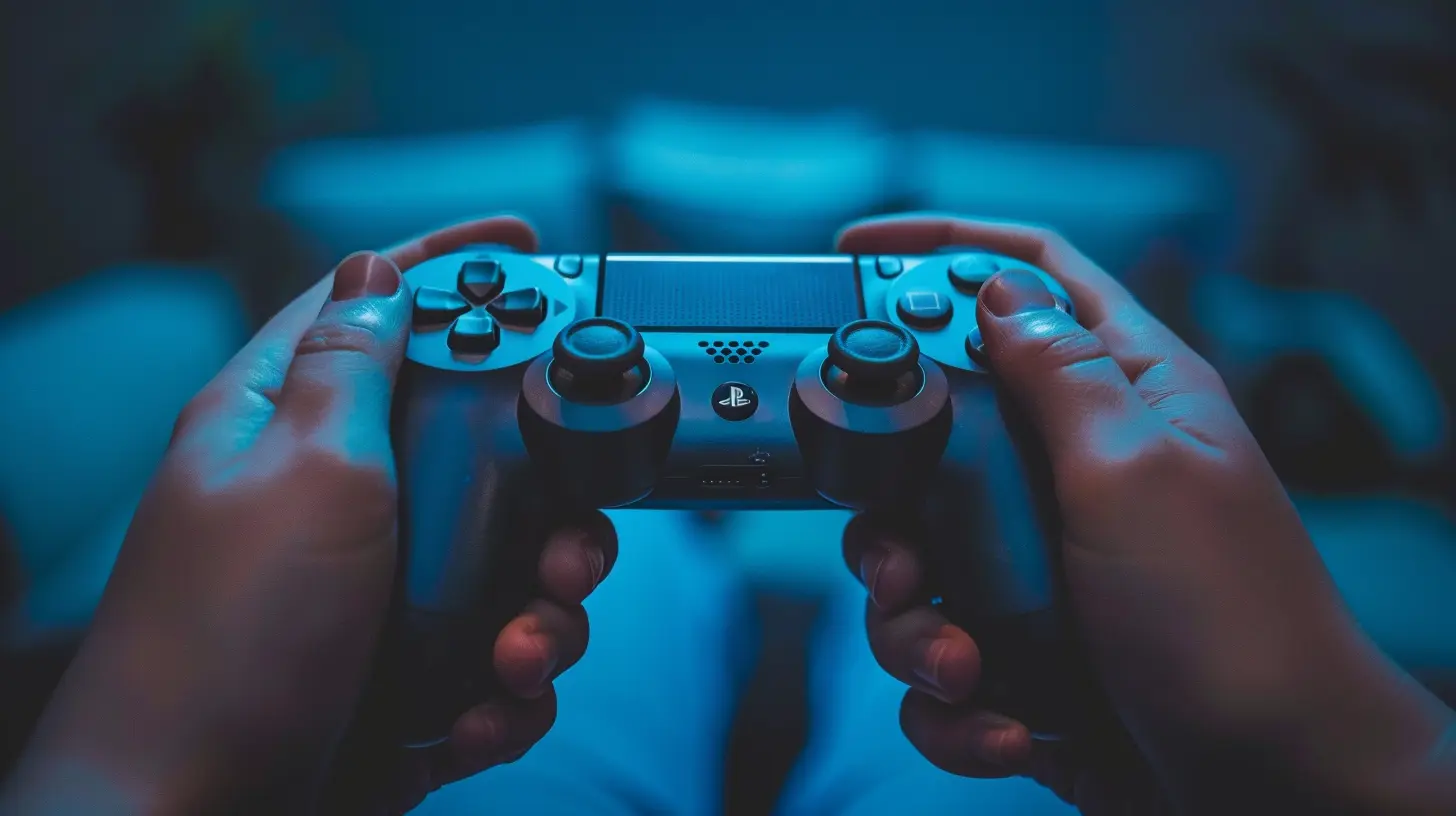
Looking Ahead: The Future of Accessible Esports
Esports is still evolving, and while there’s progress, there’s also work to be done. As technology continues to advance, new opportunities for inclusion will emerge. Imagine a future where:- AI-driven accessibility tools help gamers customize their experience effortlessly
- More developers build accessibility into their games at launch instead of adding it later
- Every major esports tournament includes considerations for players of all abilities
It’s not an exaggeration to say that the future of esports depends on its ability to be truly inclusive. Talent exists everywhere—but opportunity doesn’t. It’s up to the gaming community, developers, and stakeholders to bridge that gap.
Final Thoughts
Esports has the potential to be one of the most inclusive competitive platforms in the world. Technology is advancing, awareness is growing, and efforts are being made to ensure that everyone, regardless of their abilities, can participate.While challenges still exist, the momentum towards accessibility in gaming is undeniable. By continuing to push for inclusive game design, adaptive technology, and supportive communities, we can create a future where competitive gaming is truly for everyone.
So, whether you're a gamer, developer, or esports fan—let’s work together to break down barriers and build a more inclusive esports industry. Because gaming should never be about limitations. It should be about passion, skill, and the thrill of competition.
all images in this post were generated using AI tools
Category:
EsportsAuthor:

Michael Robinson
Discussion
rate this article
1 comments
Harley McGivern
This article highlights the crucial steps needed to make esports more inclusive for everyone. From adaptive controllers to better game design, creating accessible environments ensures all players can compete. It's inspiring to see the industry acknowledge this need and actively work toward a more welcoming gaming community.
May 26, 2026 at 3:32 AM