Exploring the Benefits of Full-Frame Digital Cameras
10 August 2026
If you're into photography—whether you're just getting your feet wet or you're already waist-deep in lenses and lighting—chances are you've heard the buzz around full-frame digital cameras. But what’s all the fuss about? Why are photographers and videographers often ready to spend the extra cash for a full-frame setup?
Let’s dive in and explore what makes full-frame cameras such a big deal, and why they might just be the game-changer you didn’t know you needed.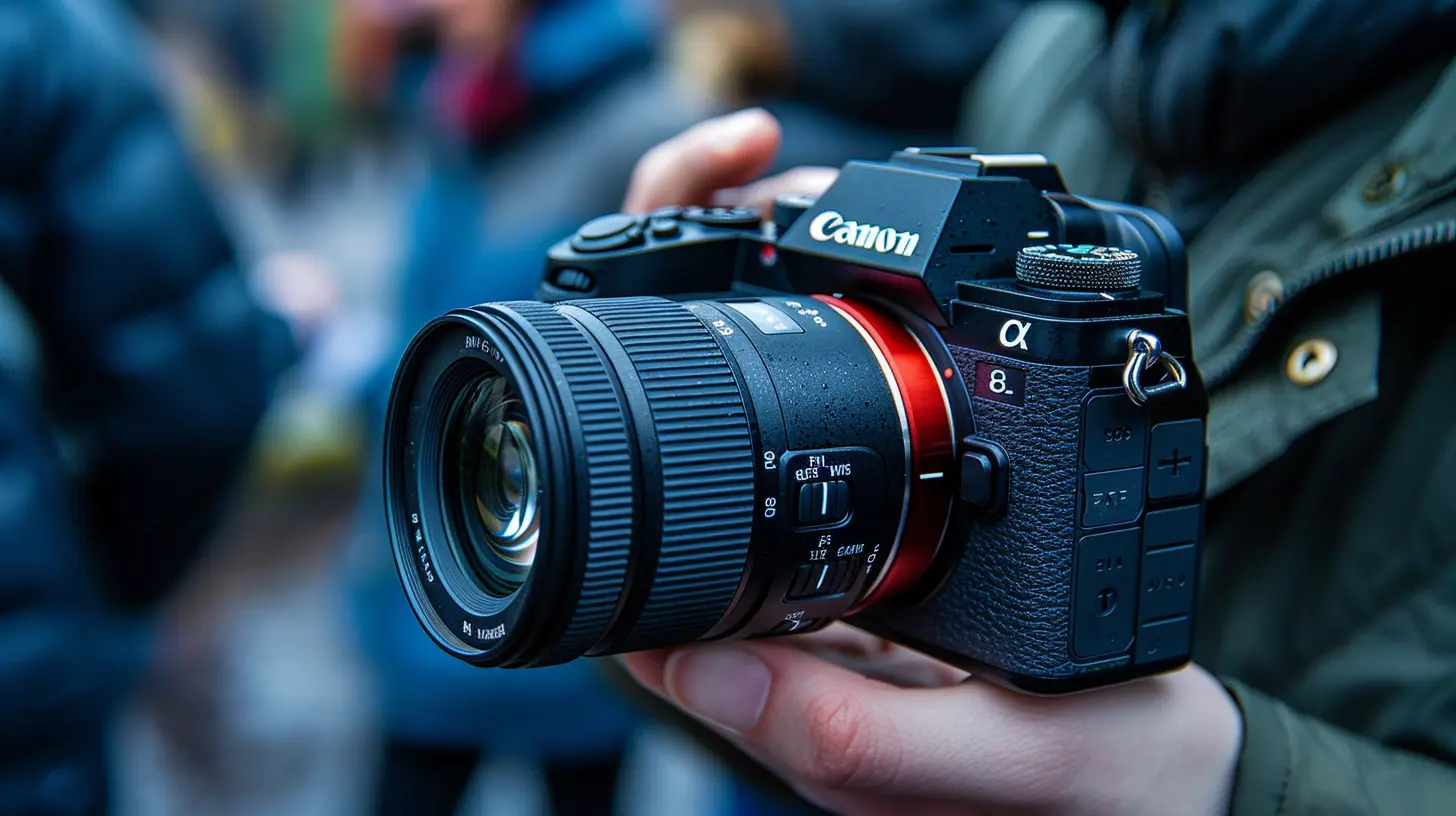
What Is a Full-Frame Camera Anyway?
Before we get into the juicy stuff, let’s clear up what a full-frame camera actually is. It all starts with the sensor—the part of your camera that captures light to create the image. In a full-frame camera, the sensor is about the same size as a 35mm film frame: 36mm x 24mm. That’s quite a bit larger than what you’d find in a crop sensor (APS-C or Micro Four Thirds) camera.And in the world of cameras, size matters—a lot.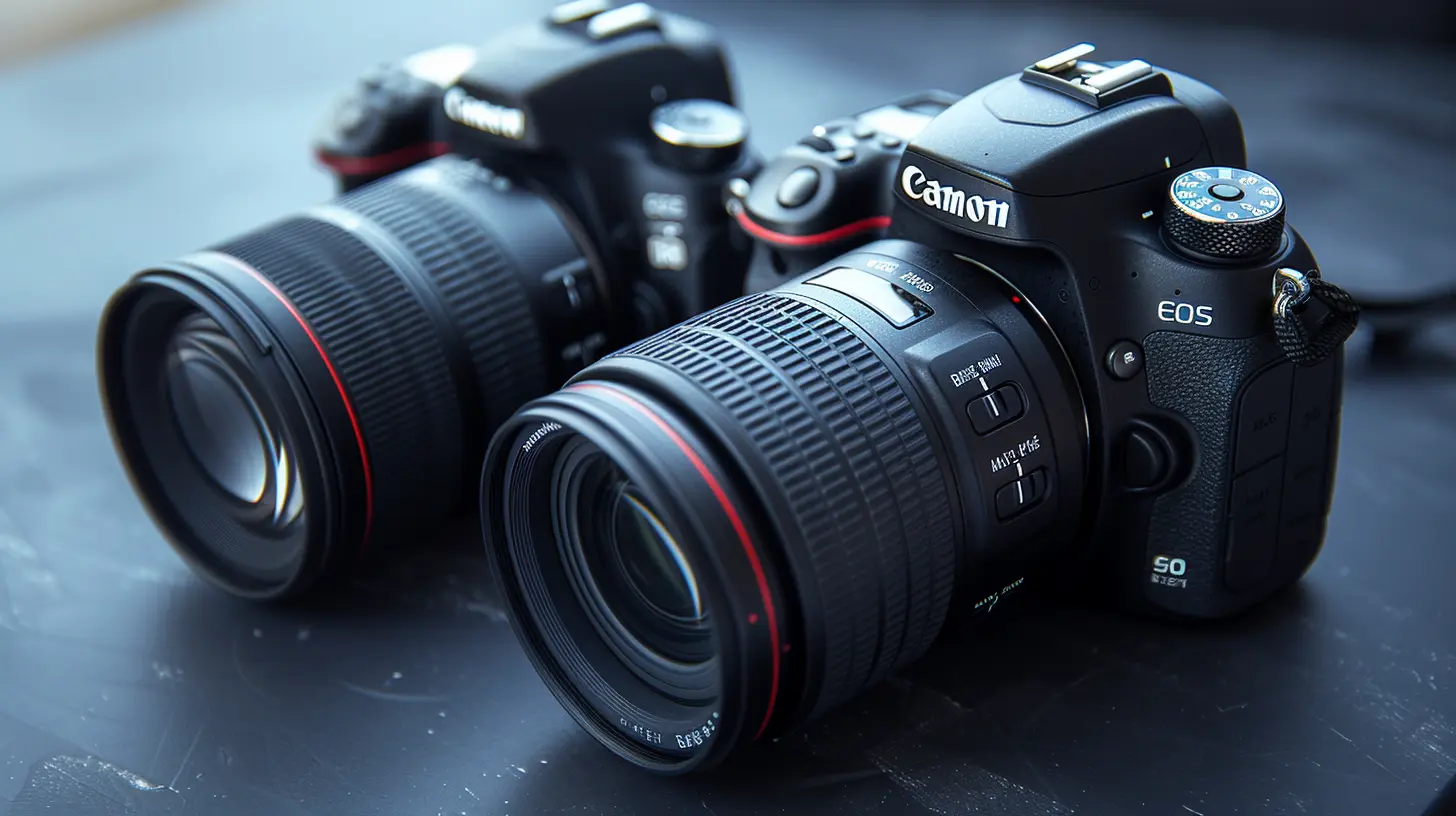
Bigger Sensor, Better Image Quality
Alright, let’s cut to the chase. One of the biggest advantages of full-frame cameras is straight-up better image quality. That big ol’ sensor gathers more light, which means:- Sharper images with more detail
- Better dynamic range (shadows and highlights hold more depth)
- Less noise in low-light situations
Think about it: trying to capture a dimly lit street scene with a crop sensor camera is like trying to paint a sunset with half your palette missing. Full-frame cameras, on the other hand, give you all the hues, shadows, and highlights in glorious detail.
Stellar Low-Light Performance
Ever tried getting that perfect shot at a candlelit dinner or an indoor concert only to end up with a grainy mess? Yeah, it's frustrating.A full-frame sensor soaks in more light and handles high ISO settings like a champ. That means you get:
- Cleaner images in dark environments
- Faster shutter speeds to avoid motion blur
- More usable shots at higher ISO settings
You can think of ISO like turning up the volume on a radio. On crop sensors, crank it too high and you get static (noise). On a full-frame? Surprisingly smooth tunes, even on max volume.
Gorgeous Background Blur (aka Bokeh)
Let’s be honest—who doesn’t love a creamy, dreamy background blur? Full-frame cameras deliver that cinematic bokeh photographers swoon over.Thanks to their sensor size, you get:
- Shallower depth of field
- More subject separation
- That professional “pop” in portraits
If you’re into portraits, product photography, or anything where you want your subject to stand out from the background, full-frame is a no-brainer.
Wider Angle of View
Here’s something often overlooked: focal length behaves differently on a full-frame camera compared to a crop sensor.On a full-frame camera:
- A 50mm lens is truly 50mm.
- You don’t get the “crop factor” that narrows your field of view.
That means you capture more of the scene without having to back up or switch lenses. Landscape photographers, take note—you’ll love what a full-frame can squeeze into the shot.
Better Build and Durability
Let’s talk about the actual bodies of full-frame cameras. In most cases, these cameras are built with professionals in mind. So, you can expect:- Weather-sealed bodies
- Robust materials
- Better controls and ergonomics
These things are built like tanks. You wouldn’t take a toy camera into the Amazon jungle, would you?
More Lens Compatibility and Quality Glass
Full-frame cameras often have access to top-tier lenses, and let’s be real: If you’re investing in a high-end camera, you’ll want lenses to match.Manufacturers tend to reserve their sharpest, fastest, most beautiful glass for full-frame bodies. That includes:
- Prime lenses with wide apertures
- Professional zoom lenses
- Specialty lenses for portraits, macro, or sports
Better camera = better lens options. Simple as that.
Future-Proofing Your Gear
Photography tech evolves fast. But full-frame cameras have a built-in buffer for the future. They’re usually:- Equipped with newer processors
- Loaded with more advanced autofocus systems
- Capable of higher video resolutions (think 4K and above)
So, if you’re thinking long-term and not just this year's vacation pics, investing in a full-frame setup now could save you an upgrade down the road.
Ideal for Professional Work
If you’re making money behind the lens—whether it's weddings, real estate, magazines, or YouTube—clients notice. And while gear doesn’t make the artist, let’s face it: better tools do make the job easier.Full-frame cameras offer:
- High-resolution files for prints and commercial work
- Superior video quality for filmmakers
- More editing flexibility in post-production
When quality is non-negotiable, full-frame delivers.
They're Not Just for Pros Anymore
A few years ago, full-frame cameras were way out of reach for most hobbyists. But times have changed. Thanks to brands like Sony, Canon, and Nikon pushing affordable full-frame models, you can now get in the game without selling a kidney.Cameras like the Canon EOS RP or Sony Alpha A7 line offer serious bang for your buck. So, you get pro-level quality without the pro-level price tag.
Downsides? Yeah, There Are Some
Let’s keep it real—full-frame isn’t perfect. There are some things to consider:- Bigger and heavier bodies and lenses
- More expensive overall
- File sizes can be massive (so you’ll need fast SD cards and lots of storage)
But if you're serious about your craft, those trade-offs might just be worth it. Think of it like carrying a high-performance DSLR is the same as driving a sports car—it takes a little more gas, but boy, that ride is sweet.
Who Should Consider a Full-Frame Camera?
Still wondering if full-frame is right for you? Here’s a quick checklist:Go full-frame if you:
- Want pro-level image quality and bokeh
- Shoot in low light often (weddings, concerts, nightscapes)
- Plan to sell your photos or prints
- Create content for brands or professional clients
- Need versatility across photography and video
Stick with crop sensor if you:
- Are just starting out and figuring out your style
- Travel light and value compact gear
- Mainly post to social media and don’t print large
There’s no wrong choice—only what’s best for your needs and budget.
Final Thoughts
Full-frame cameras aren’t just a luxury anymore—they’re a powerful tool for any photographer looking to up their game. Whether you’re into portraits, landscapes, astrophotography, or high-end video production, the benefits of going full-frame are clear.It’s like switching from driving a compact car to a luxury sports coupe. Sure, you can get from point A to point B in both—but the experience? Night and day.
If you’re ready to embrace better image quality, outstanding low-light performance, stunning bokeh, and professional-level features, then maybe it’s time to start thinking big. Literally.
all images in this post were generated using AI tools
Category:
Digital CamerasAuthor:

Michael Robinson