Exploring the Future of Virtual Reality: What’s Next for Immersive Tech?
8 May 2026
Let’s face it—virtual reality (VR) isn’t just a buzzword anymore. It’s not some sci-fi dream or niche tech hobby reserved for gamers in dark basements. VR is growing up. From gaming and education to remote work and therapy, it’s making serious moves and breaking into the mainstream. But as exciting as it’s been so far, things are only heating up.
So, what’s next for immersive tech? Are we heading toward a ready-player-one kind of world? Or are we still a few smart goggles away from a fully immersive digital utopia?
Grab your favorite VR headset (or just your curiosity), and let’s dive into the future of virtual reality.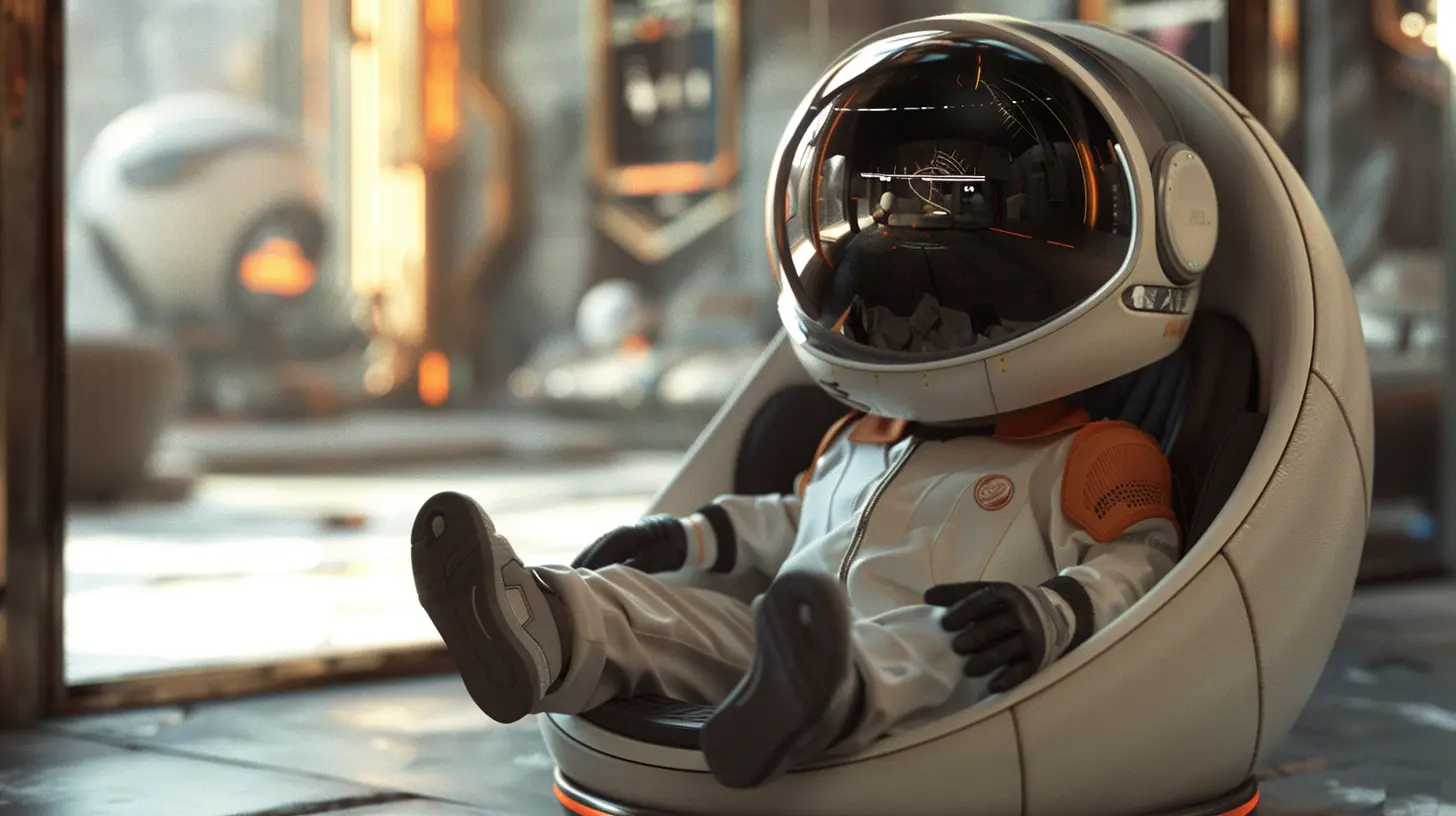
The VR Evolution So Far: A Quick Recap
Before we talk about the future, it helps to know how we got here. VR has been around longer than most people realize. The earliest versions date back to the 1960s! But things didn’t really take off until the 2010s when Oculus Rift, HTC Vive, and later PlayStation VR came onto the scene.These systems brought immersive gaming and virtual environments into homes. Suddenly, you weren’t just watching a game—you were inside it. But the tech still felt clunky, expensive, and, honestly, a bit of a novelty.
Fast forward to today: standalone headsets like the Meta Quest series have made VR more user-friendly and accessible. And more importantly, companies are realizing that VR isn’t just for play—it has serious potential across industries.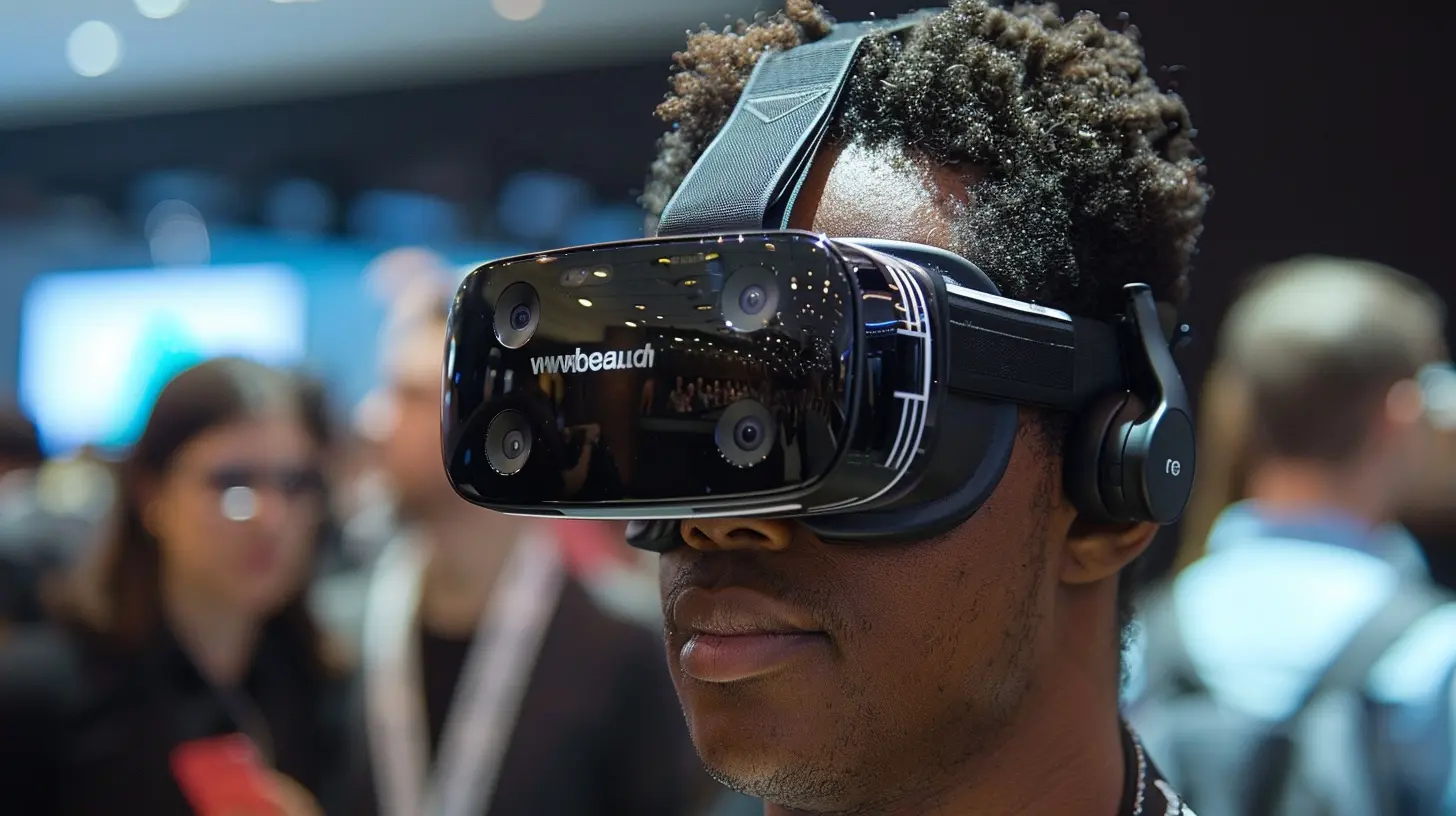
The Rise of Standalone Headsets and Wireless Freedom
Let’s talk hardware. Remember when VR meant being tethered to a high-end PC by a bunch of wires that felt like a tech octopus attacking your back? Those days are quickly fading.Modern VR headsets are going wireless and becoming more powerful. Devices like the Meta Quest 3 or Apple Vision Pro aim to offer high-resolution visuals, real-time processing, and long battery life—all while removing those pesky cords.
Standalone devices are the future because they simplify the user experience. And let’s be real: no one wants to deal with tangles when they’re supposed to be sword-fighting virtual ninjas or attending a virtual meeting in the metaverse.
What Could Be Next?
Expect to see VR headsets becoming even lighter, sleeker, and smarter. Think ski-goggles-style glasses with built-in AI and ultra-fast connectivity. The focus is on blending comfort, high fidelity, and real-world awareness.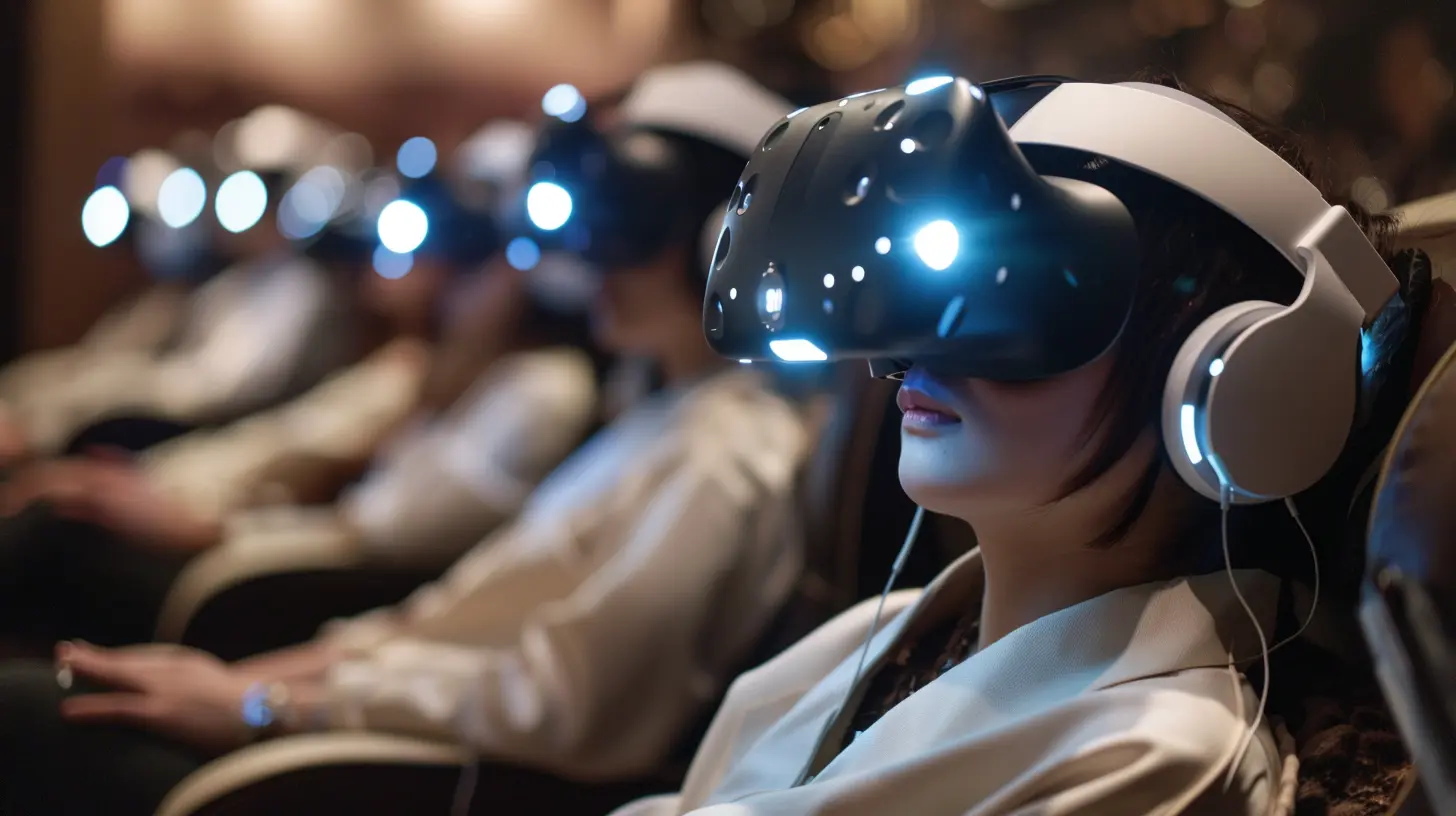
Mixed Reality: Blurring the Lines Between Real and Virtual
Pure VR is cool, but mixed reality (MR) is where things really start to get juicy. MR combines the best of virtual and augmented reality to overlay digital objects onto the real world—kind of like Iron Man’s HUD, but without the flying suit (yet).With MR, you're not entirely cut off from your surroundings. You can see your floor, your hands, or your cat—while also manipulating 3D virtual tools hanging mid-air. It’s a powerful hybrid that has potential for things like:
- Architectural design (walk through a building before it’s built)
- Industrial training (repair machines without touching them)
- Education (dissect virtual frogs without the mess)
As companies like Microsoft (with HoloLens) and Apple jump into the ring, MR is poised to become a staple of immersive tech.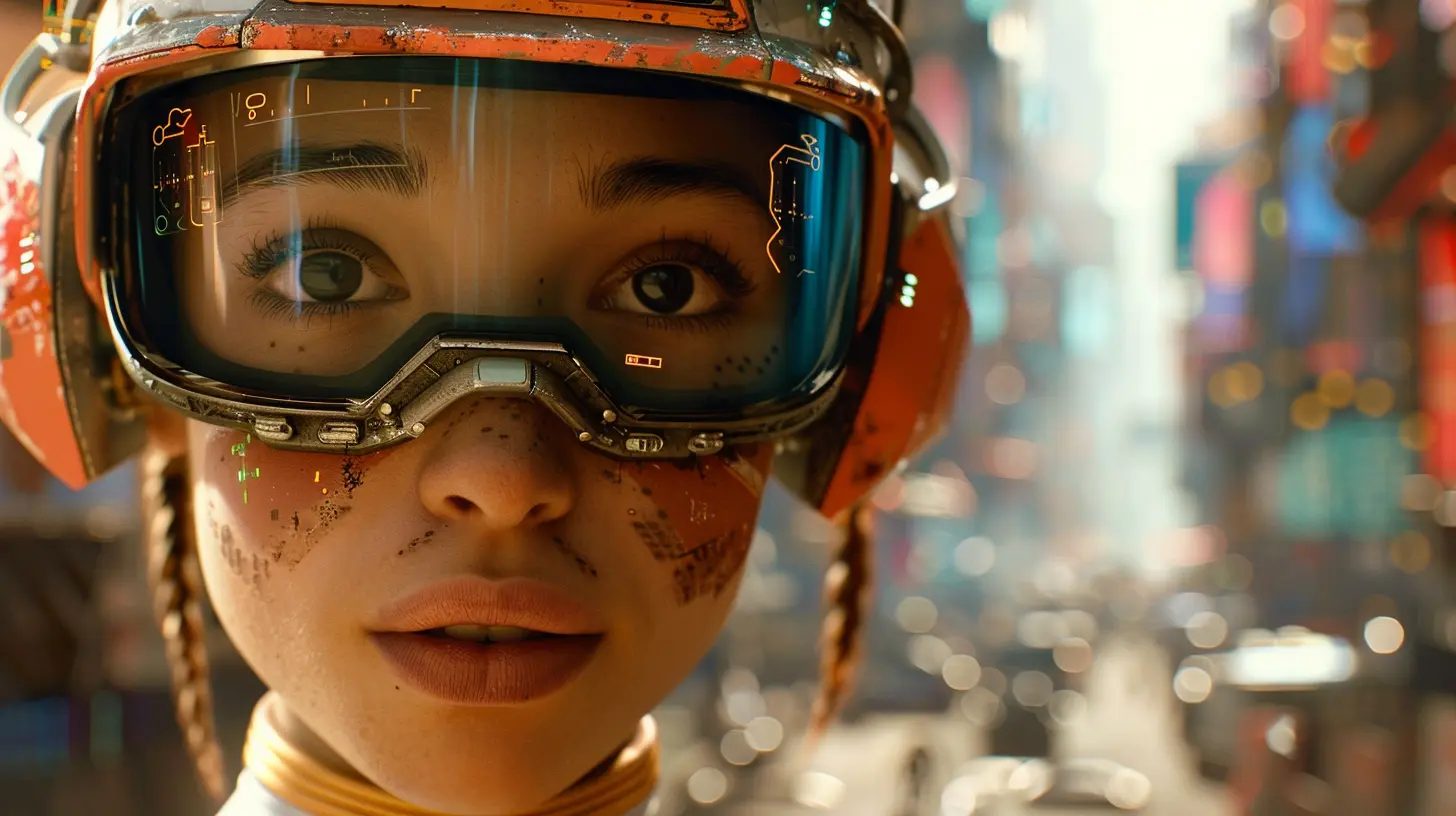
VR in Education and Training: The Classroom of Tomorrow
Let’s get nerdy for a second. One of the most exciting frontiers for VR is education.Imagine learning history by virtually walking the streets of Ancient Rome. Or studying physics by entering a particle accelerator simulation. VR has the power to turn traditional learning into a fully immersive experience.
And it doesn’t stop with schools. Corporate training is another huge area. Jet engine repairs, surgical procedures, or even customer service scenarios can be recreated with VR—giving people real-world practice with zero risk.
This kind of "trial-and-error without consequences" learning is a game-changer. And as the tech becomes cheaper and content more available, VR education could skyrocket.
The Metaverse: Buzzword or Breakthrough?
Okay, we have to go there. The metaverse.It’s either the gateway to a utopian digital society or just a fancy word for hanging out in VR chatrooms—it depends on who you ask.
But here’s the thing: we’re already starting to live our lives online. Work meetings on Zoom, friendships on Discord, relationships on dating apps. The metaverse is simply a more immersive version of that digital life.
What makes it tricky is interoperability. Right now, it’s like having ten different worlds that don’t talk to each other. The real game-changer will be when we can jump between virtual worlds the same way we browse websites. That’s when things get interesting.
Whether it’s Meta’s Horizon Worlds or decentralized setups like Decentraland, the race to build the “next internet” is on.
VR in Mental Health and Therapy: Healing in New Dimensions
This might surprise you: VR is doing wonders for mental health.Therapists are using VR to treat issues like PTSD, anxiety, and phobias. By exposing patients to controlled simulations, they can confront their triggers in a safe and manageable way.
And it’s not just treatment. VR meditation and mindfulness apps create peaceful virtual environments that help users de-stress and relax. Imagine doing a guided meditation on a beach that looks and sounds real—even if you're in a tiny city apartment.
We often talk about tech as being stressful or overstimulating. But with VR, there’s a growing movement to turn it into a tool for healing.
Social VR: Hanging Out in the Digital Cosmos
Social media made us more connected than ever—but also more isolated in some ways. VR could shake that up.In social VR platforms like VRChat or AltspaceVR (rest in peace), users create avatars and gather in virtual spaces to talk, dance, play games, or even attend live concerts. The thing is, it feels a whole lot more like “being there” than messaging in a group chat.
The future of social VR might include virtual parties, online classrooms that actually feel like classrooms, or digital cafes where you and your friend in another country can grab a coffee—well, virtually.
Granted, it still feels a little weird right now. But give it time. Once avatars become more realistic and expressive, and haptic suits become more common, social VR could be the new norm.
Haptics and Sensory Feedback: Touching the Untouchable
Right now, VR is mostly a visual and auditory experience. But imagine being able to feel the weight of a sword, the recoil of a gun, or the temperature of a virtual fire.That’s the world haptics is bringing to life.
Companies are developing gloves, vests, and even full-body suits that provide feedback for touch, pressure, and temperature. These devices sync with the VR environment to create tactile sensations, making the experience infinitely more immersive.
This is where VR starts to go from "cool" to "mind-blowing." The more senses we involve, the more our brain believes what we’re experiencing is real.
Eye Tracking and Facial Recognition: Next-Level Realism
One of the subtle but powerful upgrades coming to VR is eye tracking. By tracking where you’re looking, devices can render scenes more efficiently and enable new levels of interaction.Imagine NPCs in a game reacting to your gaze, or advertisements that know when you’re paying attention (a little creepy, but effective).
On the other hand, facial recognition allows avatars to mimic your real-life expressions. That’s huge for communication. A smile, a frown, or raised eyebrows—these add so much context to our conversations.
Together, these technologies are making VR not just visually realistic, but emotionally real, too.
The Challenges Ahead: What’s Holding VR Back?
Alright, it’s not all rainbows and flying unicorns.VR still has some hurdles to clear:
Cost
High-end headsets and accessories aren’t cheap. While prices are gradually coming down, full immersion is still out of reach for many.Motion Sickness
Some users experience discomfort, nausea, or fatigue from prolonged VR use, especially in low-frame-rate environments.Content Limits
There’s a ton of potential, but not nearly enough quality content yet. Creating compelling VR experiences takes time, money, and creativity.Infrastructure
We need faster internet (hello, 5G), better compatibility between platforms, and stronger processing power to realize VR’s full promise.The Road Ahead: A New (Virtual) Reality
So where are we heading?Well, if current trends hold, we’re looking at a future where VR is as common as smartphones. In 5–10 years, we could be:
- Attending virtual weddings and concerts
- Learning from virtual tutors in interactive classrooms
- Collaborating in virtual offices from anywhere on the planet
- Healing our minds with customized VR therapies
- Stepping seamlessly between real and virtual worlds
Sounds like sci-fi? Maybe. But the pieces are already falling into place.
Technology is speeding up, not slowing down. And VR? It’s right at the forefront of that wave.
Final Thoughts: Embrace the Virtual Ride
Virtual reality is evolving fast—and the journey ahead is anything but boring. Whether you’re a gamer, a student, a therapist, or just curious, VR has something to offer. It’s not just about escaping reality but enhancing it.So, what’s next? The truth is, we don’t exactly know. But one thing’s clear: the line between the physical and digital world is melting away. And we’re all invited to step through that portal.
So go ahead. Strap in. Because the future of immersive tech isn’t just coming—it’s already here.
all images in this post were generated using AI tools
Category:
Virtual RealityAuthor:

Michael Robinson
Discussion
rate this article
2 comments
Scarlett Stevens
This article offers an insightful look into the future of virtual reality. The exploration of emerging technologies and their potential applications is fascinating. I'm particularly excited about the ways VR could enhance education and training in the coming years. Great read!
July 16, 2026 at 10:33 AM
Kalani Price
While the article highlights exciting advancements in virtual reality, it overlooks the significant challenges, such as accessibility and user fatigue. The future of immersive tech depends not just on innovation but also on creating inclusive experiences that address these barriers, ensuring broader adoption and sustainable growth in the industry.
May 11, 2026 at 12:13 PM