Exploring the World of Smart Glasses: What You Need to Know
18 July 2026
Technology is evolving at lightning speed, and one of the most exciting innovations in recent years is smart glasses. These futuristic-looking wearables have made their way from science fiction movies into our everyday lives. But what exactly are smart glasses? How do they work? And most importantly, should you invest in a pair?
In this guide, we’ll break down everything you need to know about smart glasses, from how they function to their real-world applications. So, grab a coffee, sit back, and let’s dive into the world of wearable tech!
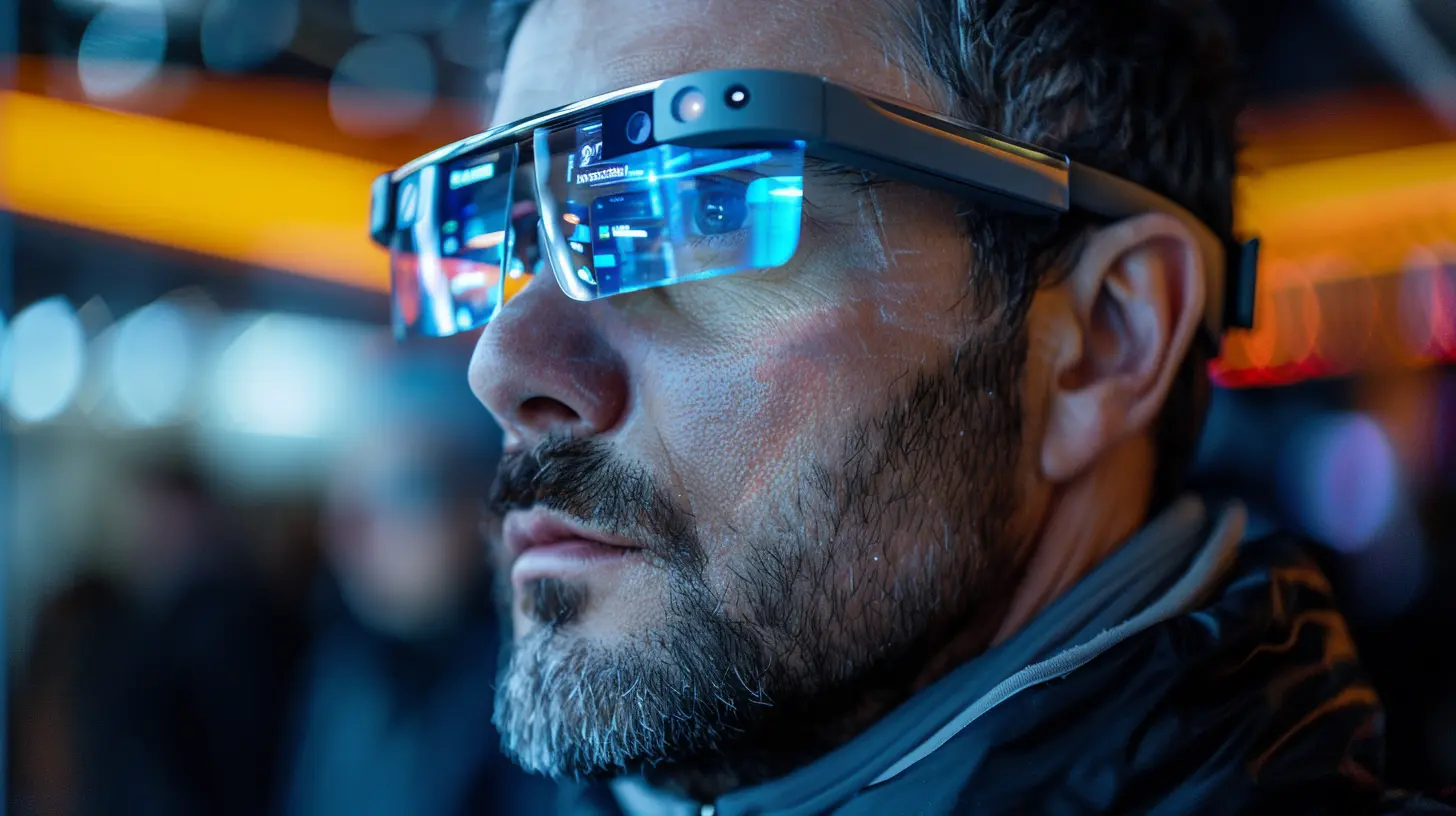
What Are Smart Glasses?
Imagine a pair of regular eyeglasses—but with built-in technology that allows you to do things like view notifications, access navigation, and even record videos, all without looking at your phone. That’s the magic of smart glasses!These high-tech wearables integrate augmented reality (AR), artificial intelligence (AI), and heads-up display (HUD) technology to provide a seamless, hands-free digital experience. Some models even come with voice assistants like Alexa, Google Assistant, or Siri to help you stay connected without lifting a finger.
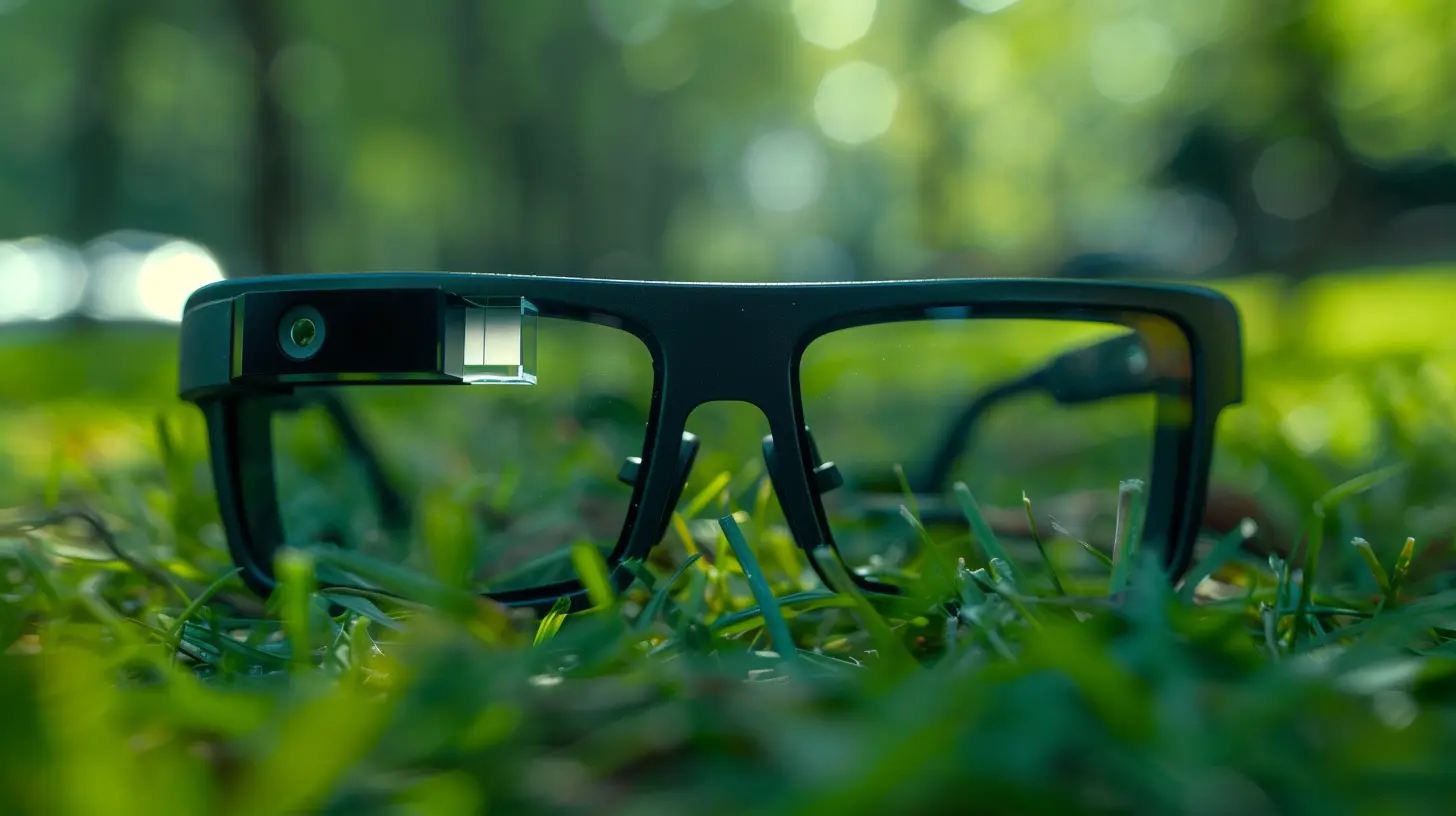
How Do Smart Glasses Work?
The core functionality of smart glasses lies in their ability to overlay digital information onto the real world. This is achieved through a combination of sensors, cameras, micro-displays, and connectivity features like Bluetooth and Wi-Fi.Here’s a breakdown of how they work:
- Display Technology – Smart glasses use tiny projectors or transparent OLED screens to display information right in front of your eyes.
- Sensors & Cameras – Motion sensors, GPS, and cameras help detect surroundings and enhance augmented reality experiences.
- Voice & Gesture Control – Many models respond to voice commands or hand gestures, making them completely hands-free.
- Connectivity – They sync with your smartphone or smart home devices to keep you updated on calls, messages, and notifications.
It’s basically like having a mini-computer sitting on your nose—pretty cool, right?
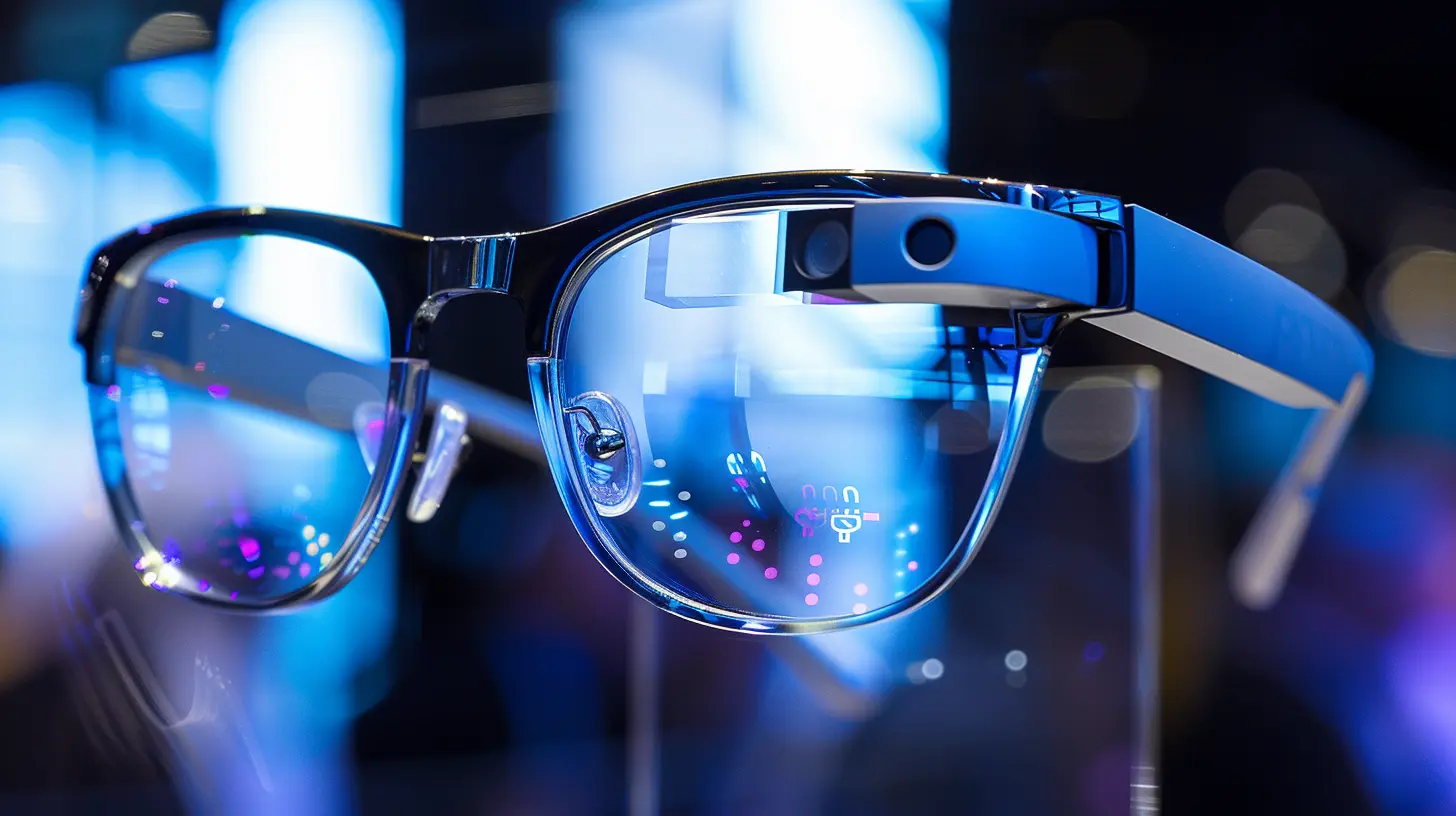
The Different Types of Smart Glasses
Not all smart glasses are the same. Depending on their functionality, they can be classified into different categories:1. Augmented Reality (AR) Glasses
These are perhaps the most exciting type as they overlay digital elements onto real-world views. Google Glass and Microsoft HoloLens are prime examples, frequently used in industries like healthcare, construction, and gaming.2. Audio Smart Glasses
Instead of an AR display, these smart glasses focus on delivering high-quality audio through bone conduction or built-in speakers. They allow you to take calls, listen to music, and even use a voice assistant, all while keeping your ears open to the world. Popular models include the Bose Frames and Amazon Echo Frames.3. Hybrid Smart Glasses
These are a combination of both AR and audio features, offering information displays, camera functions, and AI assistants. Meta (formerly Facebook) and Ray-Ban have collaborated on the Ray-Ban Stories, a sleek, stylish pair of smart glasses with audio capabilities and a camera for capturing moments on the go.
Real-World Applications of Smart Glasses
So, what are smart glasses actually used for? Well, they’re not just a fancy gadget for tech enthusiasts—they have real-world applications across multiple industries.1. Healthcare & Medicine
Doctors and surgeons use AR-enabled smart glasses to access patient records, perform remote consultations, and even assist in surgeries. They provide a hands-free approach to vital data while keeping their focus on the patient.2. Manufacturing & Industry
In factories, workers use smart glasses to get real-time overlay instructions, reducing the need to check manuals. This improves productivity and minimizes errors.3. Retail & Shopping
Companies like Amazon use AR smart glasses in warehouses to help employees locate items more efficiently. On the consumer side, brands like Nike and Warby Parker let users try on virtual products before making a purchase.4. Navigation & Travel
Imagine walking around a new city with real-time navigation displayed right in front of you. No more looking down at your phone and risking walking into a pole! Some smart glasses even translate languages in real time, making travel easier than ever.5. Gaming & Entertainment
Gamers love smart glasses for their augmented reality gaming experiences. Pokémon GO and similar AR-based games are just the beginning of what’s possible.Are Smart Glasses Worth It?
Before you run off to buy a pair, let's consider the pros and cons.✅ Pros:
- Hands-free access to important information- Enhances productivity in work and daily life
- Great for navigation, gaming, and entertainment
- Stylish and futuristic designs available
- Can reduce phone screen time and distractions
❌ Cons:
- Expensive (Premium models can cost several hundred dollars)- Battery life is often limited
- Privacy concerns with cameras and microphones
- Some models still look bulky or awkward
- Limited AR apps for some platforms
If you’re someone who loves cutting-edge technology and hands-free convenience, smart glasses might be worth the investment. However, if you're expecting a full-blown Tony Stark HUD experience, you might need to wait for future developments.
The Future of Smart Glasses
We’ve already seen massive improvements in smart glasses technology, but what's next?- Smaller & More Stylish Designs – Future models will likely look just like regular glasses without bulky components.
- Improved Battery Life – Longer battery life means you won’t have to charge them every few hours.
- AI-Powered Features – Built-in AI could personalize information based on what you need at any given moment.
- Wider AR Adoption – Expect more industries to incorporate AR smart glasses into daily tasks.
With giants like Apple, Meta, and Google investing heavily in this space, smart glasses might soon become as common as smartphones.
Final Thoughts
Smart glasses are no longer a distant dream—they’re here, and they’re getting better with each passing year. Whether you’re an early adopter or just curious about how they work, there’s no denying that these futuristic wearables have the potential to change the way we interact with technology.Would you buy a pair of smart glasses? Or are you waiting for something even cooler? The future is bright (and it might just be viewed through smart lenses).
all images in this post were generated using AI tools
Category:
Wearable DevicesAuthor:

Michael Robinson