How 3D Printing Is Shaping the Future of Renewable Energy Equipment
19 August 2026
If you're a tech enthusiast, a sustainability advocate, or just someone intrigued by the ever-evolving world of clean energy, you're in for a treat. There’s a quiet revolution underway—one that’s blending two futuristic industries: 3D printing and renewable energy. No, we’re not talking about printing solar panels from your garage (yet), but close. From customized wind turbine blades to ultra-efficient solar components, 3D printing is flipping the script on how we design, build, and deploy clean energy tech. Let's dive into how that’s happening—and why it matters.
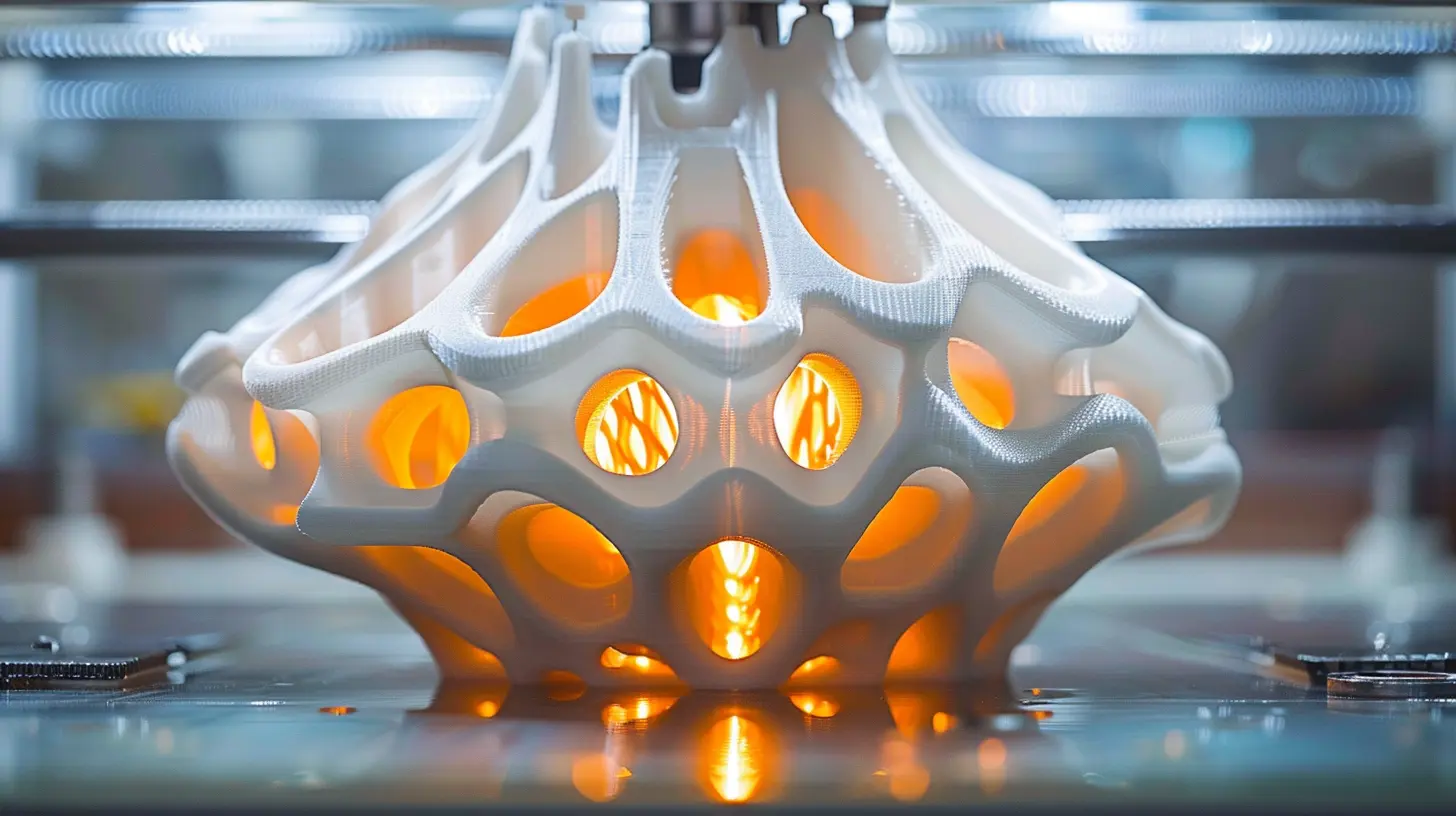
The Perfect Match: 3D Printing Meets Renewable Energy
Think about it. Renewable energy thrives on innovation: wind, solar, hydro, geothermal—they all depend on breakthroughs in design and tech to be more efficient and cost-effective. Enter 3D printing, or as the cool kids call it, additive manufacturing. It’s not just for prototyping toys or fancy custom phone cases anymore.3D printing is becoming a powerful tool to cut costs, reduce waste, and accelerate the production of highly specialized components. And when it meets renewable energy, sparks fly—in a good, clean-energy kind of way.
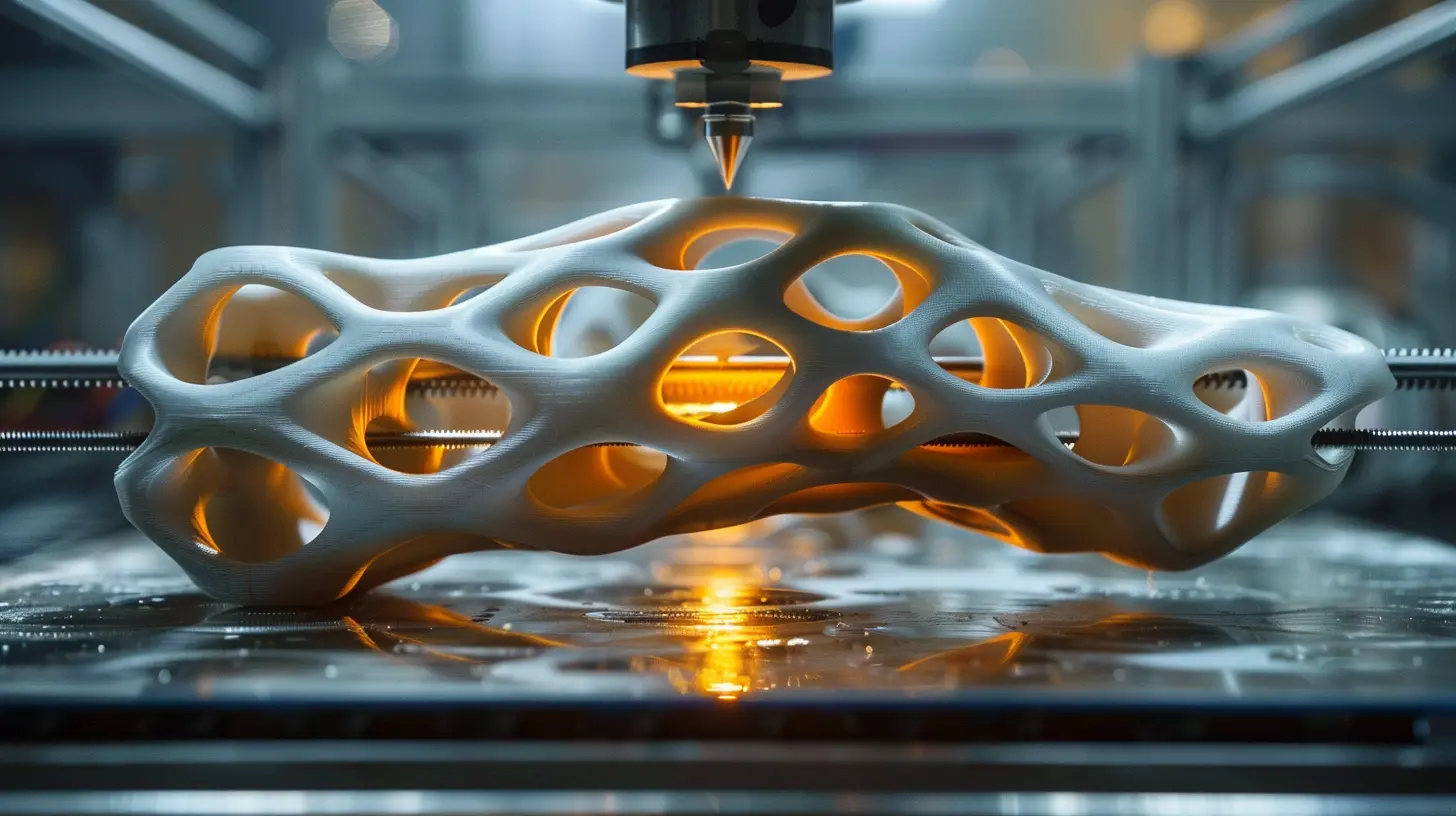
Why Is 3D Printing a Game-Changer?
You might be wondering, what’s so special about printing stuff layer by layer? Here’s the deal:- Speed – Traditional manufacturing takes time. 3D printing? You can go from a CAD design to a functional prototype in hours.
- Flexibility – Need a unique part that doesn’t exist anywhere else? 3D print it.
- Sustainability – Less waste. Less material. More recycling. It’s a green win.
- Cost-efficiency – Especially for small production runs or one-off parts, 3D printing can drastically cut expenses.
So yeah, it's a big deal.
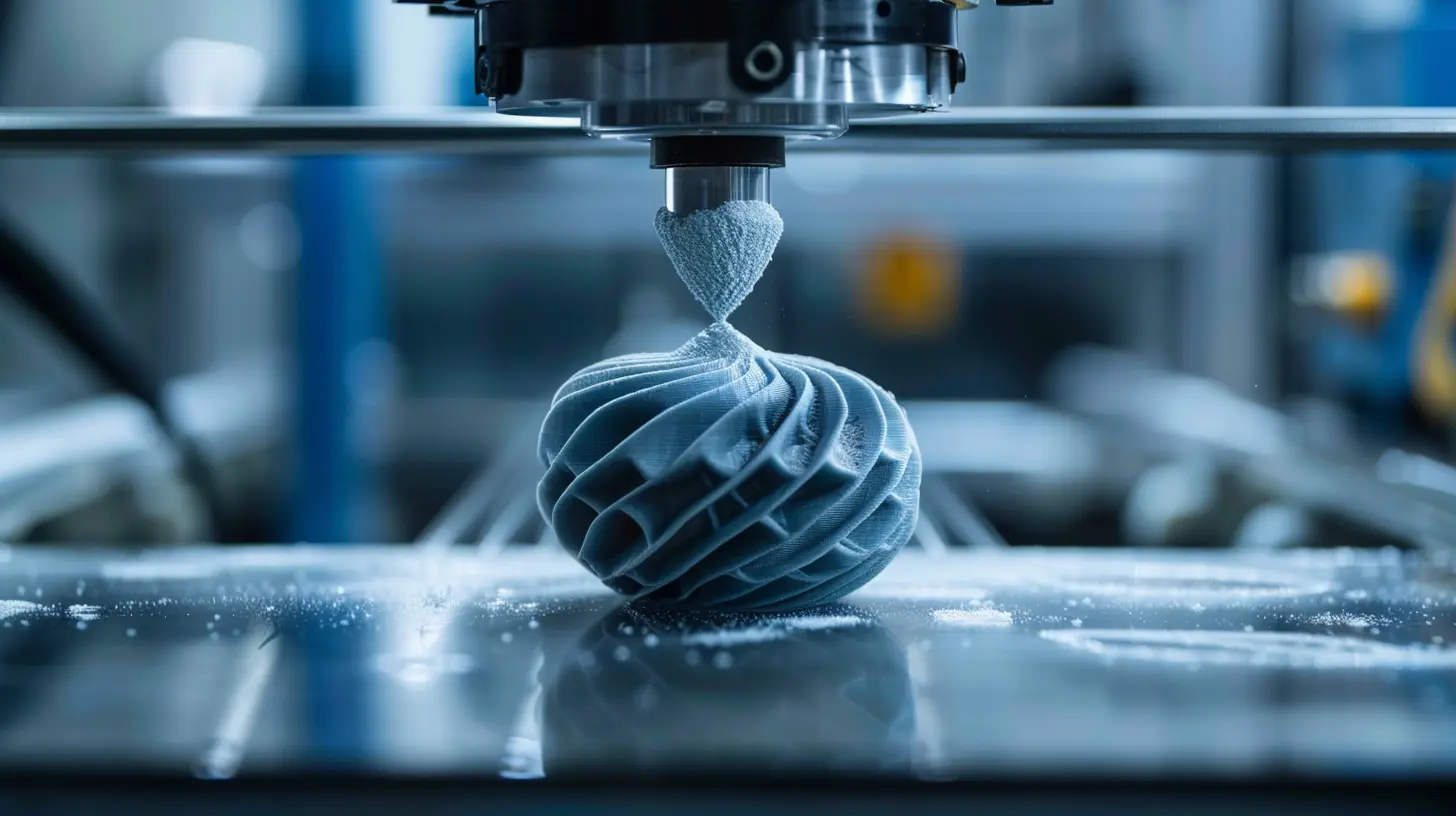
3D Printing in the Wind Energy Sector
Let’s spin into wind energy first.Ever seen a wind turbine up close? Those blades are massive—sometimes longer than a football field! Traditional manufacturing and transportation of these giants are not only crazy expensive but also logistically tough. You can't exactly toss one of those in the back of a truck.
Enter 3D Printing Blades
GE, one of the heavy hitters in the wind industry, has been experimenting with 3D-printed turbine blade molds. Why? Because printing the molds locally on-site cuts down shipping costs and time. Plus, the molds are cheaper, faster to produce, and allow for rapid prototyping of more aerodynamic designs.Even more exciting, researchers are working on 3D-printing entire wind turbine blades using composite materials. That opens the doors to complex geometries that weren't possible before—meaning more efficient energy capture with fewer materials. Talk about doing more with less.
Don’t Forget the Parts
It’s not just about blades. Smaller components—like brackets, connectors, and housing units—can be printed right where they’re needed. Imagine being able to repair a turbine in the middle of nowhere without waiting weeks for a specific part to be shipped. Print and go.
Reimagining Solar Panel Production
Now, let’s talk sun.Solar panels have one job: capture energy from the sun and turn it into electricity. But even in the best conditions, they're not 100% efficient. That’s where 3D printing steps in to help bump up those numbers.
Printing Precision Parts
Solar panel efficiency can hinge on minute design tweaks. With 3D printing, manufacturers can prototype and test intricate light-trapping structures, new materials, or even integrated cooling systems faster than ever. Designs that used to be purely theoretical are becoming printable realities.Perovskite Solar Cells and 3D Printing
Here’s where it gets wild. Perovskite is a promising material that could potentially replace silicon in solar panels—it’s cheaper and more flexible. But it's also fragile. 3D printing has shown promise in creating layered perovskite solar cells with greater precision and less waste.In short? We're at the edge of a solar breakthrough, and 3D printing is the tool pushing us over.
Hydropower Gets a Boost
Hydropower might seem old-school compared to solar farms and offshore wind, but it's still a major player in the renewable game.Customized Turbines
Unlike wind turbines, each hydro installation is often custom-built to fit local geography. That’s expensive and time-consuming. With 3D printing, engineers can create highly customized turbine blades and parts that are tailored to specific flow conditions—down to the millimeter.Repairing Legacy Equipment
Many hydro facilities are decades old, and trying to find replacement parts for long-obsolete machinery is like searching for a needle in a haystack. 3D scanning and printing let operators reproduce parts that haven't been made in 50 years. That means less downtime and extended equipment life with minimal environmental impact.
The Role of Material Innovation
You can’t talk about 3D printing without geeking out over the materials. We’re not just printing with plastic anymore, folks.From metal alloys that can handle extreme temperatures to biodegradable composites for temporary utilities, the range is growing every year. Some researchers are even exploring the use of recycled waste—like ocean plastic or scrap metal—as feedstock for 3D-printed renewable energy components.
That’s right, we can build green energy gear from garbage. Pretty poetic, isn’t it?
Building Entire Structures? Yep.
Brace yourself: 3D printing isn’t limited to parts and gadgets.In some cases, engineers are using robotic 3D printers to build entire renewable energy installations—like small wind farms or solar field infrastructure—on-site using local materials. Think about printing a wind turbine base directly into the ground using concrete-infused soil. It's not sci-fi anymore. It’s happening.
Decentralized Manufacturing = Energy Equity
Let’s zoom out a bit.One of the major challenges in transitioning to renewable energy worldwide is accessibility. Not every region has a high-tech manufacturing facility around the corner. But what if we didn’t need one?
The beauty of 3D printing is that a single machine, given the right instructions and materials, can produce complex parts from almost anywhere. In the future, communities in remote or developing regions might be able to locally produce their own clean energy equipment with minimal infrastructure.
That’s not just a tech upgrade—that’s energy empowerment.
Challenges: Still Some Assembly Required
We can’t pretend it’s all sunshine and printed wind. There are hurdles to overcome:- Material limitations – Not every material is printable yet, especially for heavy-duty industrial use.
- Regulations and standards – Energy equipment must meet strict safety and efficiency standards. Ensuring 3D printed parts meet those isn't always easy.
- Print speed and scalability – Some components take hours—or even days—to print. That’s not always practical for large-scale production.
- Skill gap – Operating and maintaining 3D printers still requires skilled technicians, which might be a barrier in some regions.
But hey, we’re talking about a technology that’s evolving faster than your phone's battery drains. These challenges? They’re being tackled head-on.
A Future Worth Printing
So, where do we go from here? Glad you asked.As 3D printing continues to mature, its role in renewable energy will only expand. We're talking about:
- On-demand manufacturing on Mars (yes, seriously)
- Smarter, lighter, and more efficient components
- Hyper-local energy solutions for rural communities
- Microgrid systems assembled straight off a 3D printer
It’s the kind of synergy that could push renewables past their current limitations—not just making green energy more efficient but also more accessible and versatile across the globe.
Final Thoughts
When we think of renewable energy, we often imagine endless rows of wind turbines and gleaming solar panels stretching to the horizon. But behind those impressive facades is a world of design, engineering, and innovation—and 3D printing is stepping up as one of its unsung heroes.From slashing costs to opening new doors in material science, additive manufacturing is not just enhancing renewable energy equipment—it's reshaping the industry from the inside out.
So whether you're a startup founder, a policy maker, or just a curious human riding this planet through space, remember: the future of clean energy isn’t just about harvesting sunshine or catching the wind. Sometimes, it’s about printing parts—one precise, beautiful layer at a time.
all images in this post were generated using AI tools
Category:
Renewable EnergyAuthor:

Michael Robinson