How Renewable Energy is Transforming Remote and Rural Areas
20 July 2026
In a world buzzing with talks of climate change, energy crises, and sustainable living, one quiet revolution is taking root where you'd least expect it—in the most tucked-away corners of the globe. Welcome to the new frontier of clean energy: remote and rural areas. These are the places that once relied on noisy diesel generators, erratic power supply, or no electricity at all. But not anymore. Thanks to renewable energy, the game is changing, and it’s changing fast.
This isn’t just about plugging in and flipping a switch. It’s about lighting up lives, powering dreams, and giving people the tools to build better futures—all with the power of the sun, wind, water, and biomass. Let’s take a deeper look at how renewable energy is not only reaching the most underserved populations but also transforming them in ways we never imagined.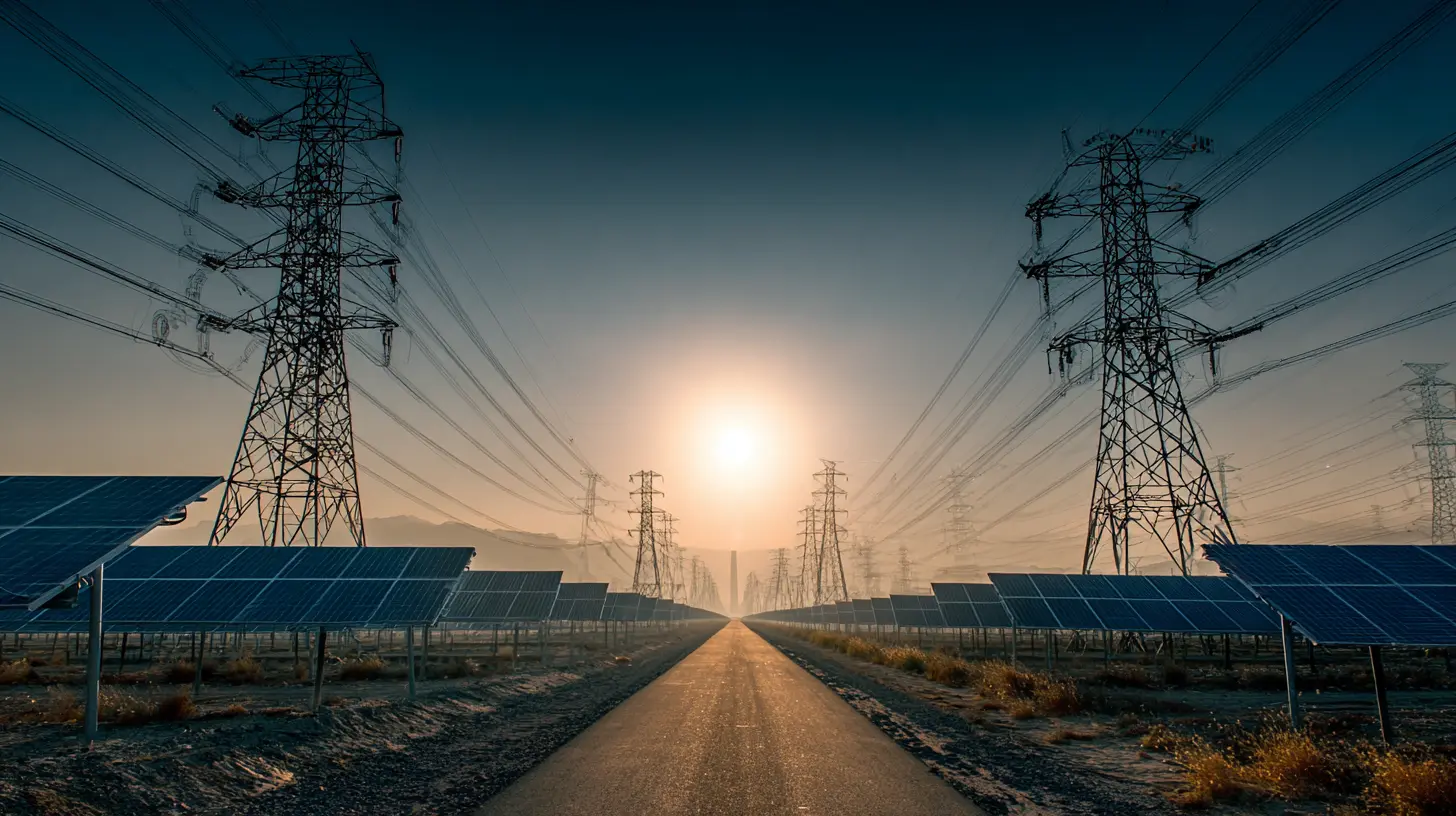
The Power Problem in Remote and Rural Areas
Before we jump into the good stuff, let’s face the problem head-on. For decades, rural and remote regions have lagged behind when it comes to energy access. Think about it. Building massive power lines over mountains, rivers, or isolated islands? It’s expensive, time-consuming, and often impractical.Now, imagine depending on diesel generators. They’re not exactly a dream scenario either—unreliable, expensive to run, and terrible for the environment. No electricity means no refrigeration, no light after sundown, limited education opportunities, poor healthcare facilities—the list goes on.
So yeah, energy poverty is a real thing. But here's the exciting part: renewable energy is stepping in like a superhero, breaking barriers that the traditional grid couldn't handle.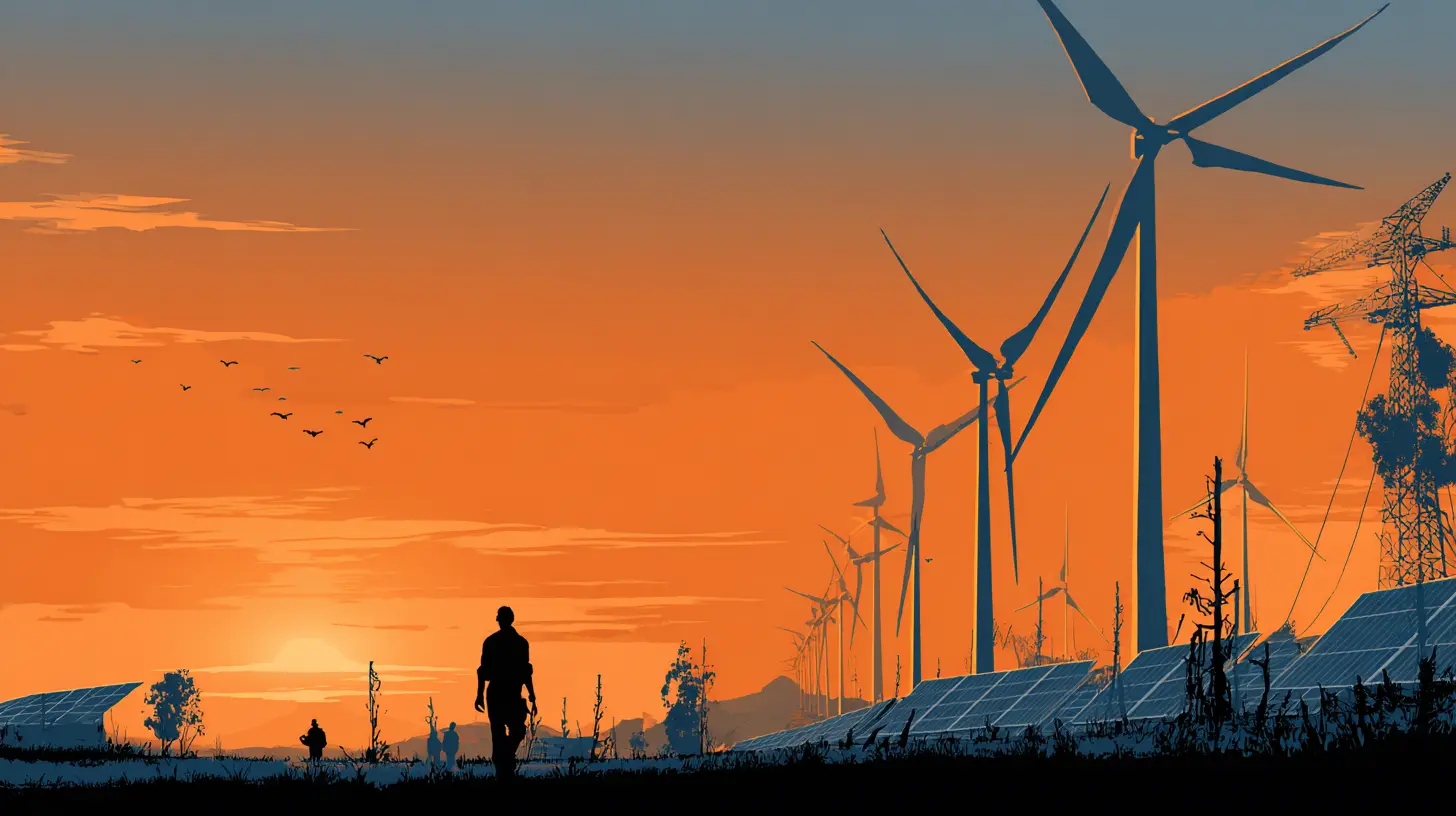
Why Renewable Energy is a Perfect Fit
You might be thinking, “Why renewables? Aren’t they complicated or super high-tech?” Not really. That's the beauty of it. Renewable energy technologies—like solar panels, small wind turbines, and mini-hydro systems—are surprisingly adaptable and scalable.Think of it like this: instead of bringing the power all the way from a centralized source (like dragging a really long extension cord from a city), renewables allow remote locations to generate their own electricity—locally and independently.
Let’s break it down further.
- Scalability: Need power for just a few homes? Start small. Want to expand later? Just add more panels or turbines.
- Low Maintenance: Solar panels, for instance, have no moving parts. Once installed, they need very little upkeep.
- Cost-Effective in the Long Run: No fuel costs. Once you’re set up, the sun and wind are free.
Sounds like a match made in energy heaven, doesn’t it?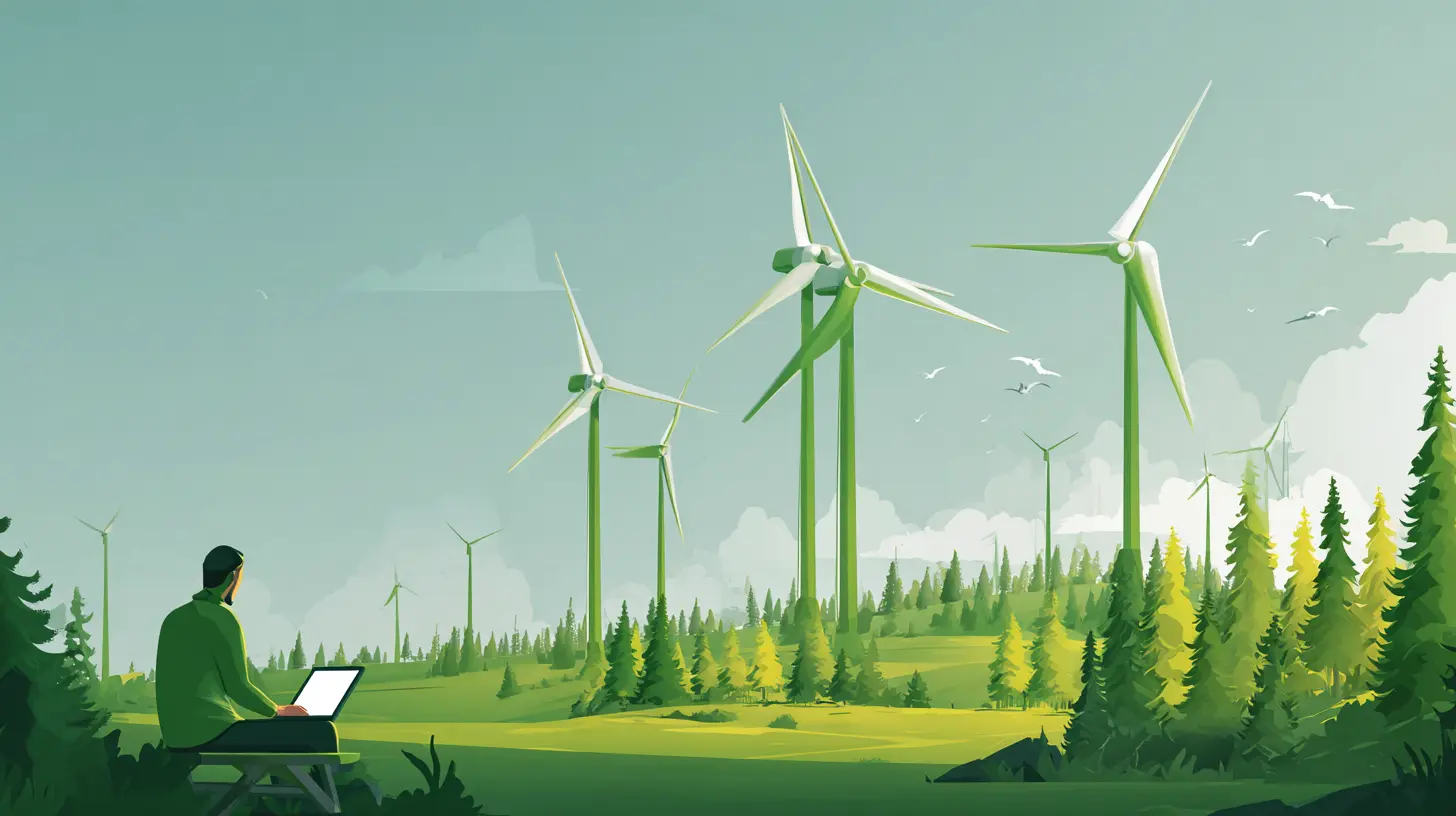
Solar Power: Lighting Up Lives
If renewable energy had a celebrity, it would be solar. Especially in areas where the sun shines all year round (which happens to be a lot of these rural areas), solar is a no-brainer.Community Solar Grids
Imagine a remote village where every house has a solar panel on the roof. These panels feed into a community mini-grid—powering homes, schools, and clinics. Lights stay on at night. Refrigerators keep vaccines cold. Kids can study after dark. That's real impact.Solar Water Pumps
In farming communities, solar-powered water pumps are transforming agriculture. No more back-breaking manual labor or unreliable rainfall. With steady irrigation, farmers can grow more crops and earn more income. It’s like giving them a superpower.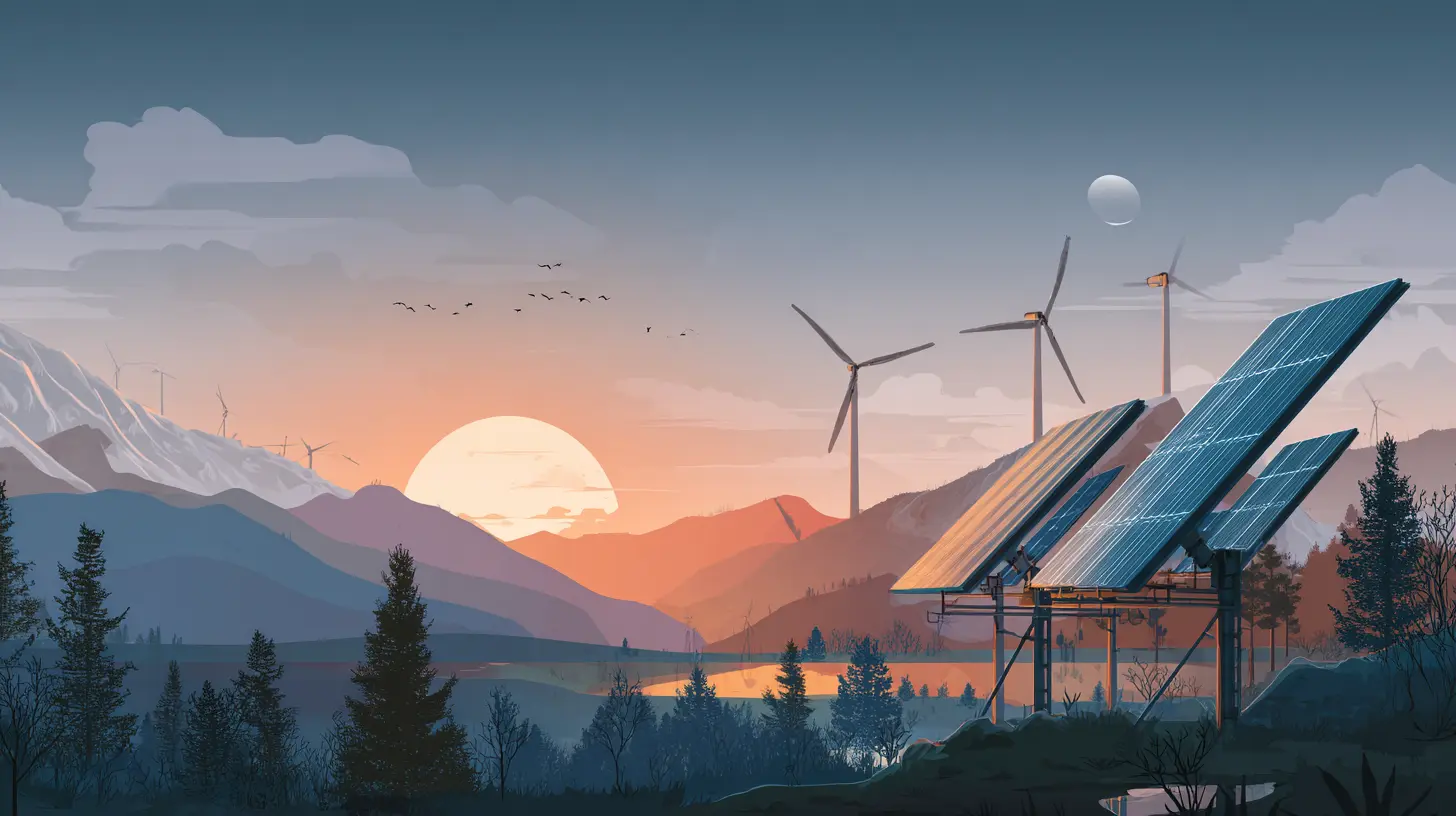
Wind Energy: Catching the Wind of Change
Wind power isn’t just for wide-open plains or offshore farms. Small wind turbines are being used in remote areas where wind speeds are constant. These aren’t the towering giants you see in the news—they’re compact, quiet, and efficient.For example, in hilly regions or coastal areas, a couple of wind turbines can easily power a whole community. It’s sustainable, and, when combined with solar in hybrid systems, it keeps the lights on even when the sun goes down.
Hydropower: Turning the Tide in Mountainous Regions
Small-scale hydro systems (also called micro-hydro) are another brilliant solution. They use the flow of local rivers or streams to generate electricity. And because water flow is often consistent in mountainous regions, the power supply can be too.Communities nestled near rivers are now tapping into nature's flow, installing micro-hydro stations to light up whole villages without harming the ecosystem. It’s like borrowing a cup of sugar from Mother Nature—only you’re borrowing her kinetic energy instead.
Biomass and Biogas: Turning Waste into Power
Got crops? Got livestock? Got organic waste?Great—because that’s fuel!
Biomass and biogas systems turn agricultural and animal waste into usable energy for cooking and heating. It’s clean, safe, and reduces reliance on wood-burning stoves that produce harmful smoke.
Plus, these systems help reduce waste and improve sanitation. Talk about killing two birds with one eco-friendly stone.
Success Stories: Real Impact on Real People
Let’s make this real. Here are a few stories to inspire you:The Himalayan Glow-Up
In the Himalayas, villages that were once plunged into darkness by 6 PM are now alive with activity thanks to micro-hydro projects. Schools have evening classes. Women can weave and knit after dark to earn extra income. It’s more than just brightness—it’s empowerment.East Africa’s Solar Revolution
In parts of Kenya and Tanzania, solar kits are being sold on a pay-as-you-go basis. Families use mobile payments to buy power in small chunks. No big upfront cost, and no more smoky kerosene lamps. Kids do homework under LED lights. Phones stay charged. Lives get better.The Amazon’s Energy Lifeline
In Brazil’s Amazon, floating solar panels on rivers are powering isolated communities without damaging the fragile ecosystem. It's innovation at its finest.Economic Boosts: Powering Small businesses
Electricity isn’t just about comfort—it’s about commerce. With reliable power, small businesses can operate longer hours, store products properly, and introduce new services.Barbershops, internet cafes, tailoring services, welding workshops—you name it. Power creates jobs, boosts productivity, and brings money into the community.
Building Resilience Against Climate Change
Here’s an angle you might not have thought about. Renewable energy also helps rural areas adapt to climate change. How?- More Efficient Farming: With electric irrigation, crop cycles aren’t reliant on unpredictable rainfall.
- Cooling and Water Purification: Solar power can drive water purifiers and refrigeration units.
- Disaster Recovery: Decentralized renewable systems get communities back on their feet faster after natural disasters.
In short, renewables make these regions tougher, smarter, and more self-sufficient.
Challenges That Still Need Tackling
Of course, it’s not all sunshine and rainbows.- Upfront Costs: Even if renewables are cheaper in the long run, initial installation can be a hurdle.
- Technical Know-How: Communities need training and local expertise for maintenance and repairs.
- Policy & Infrastructure: Governments need to support these initiatives with smart policies and financial incentives.
But here’s the silver lining: these challenges aren’t dealbreakers. They’re just speed bumps, not roadblocks.
The Role of Tech and Innovation
Let’s geek out a bit.Technology is making renewable energy more accessible than ever. Think smart inverters, mobile payment platforms, remote monitoring apps, and DIY solar kits. These innovations are bridging the gap between “off-grid” and “on the grid but better.”
And thanks to data analytics and AI, we're figuring out the best spots to place wind turbines, predict energy demand, and fine-tune systems for maximum efficiency.
Governments, NGOs, and Startups: The Power Trio
This transformation wouldn’t be possible without a dream team.- Governments provide the framework—policy support, subsidies, and long-term planning.
- NGOs act as catalysts, pushing change where it’s needed the most.
- Startups bring the firepower—innovative solutions and boots-on-the-ground execution.
Together, they’re building ecosystems of empowerment.
The Future Looks Bright (Literally)
So where do we go from here?If the past decade taught us anything, it’s that renewable energy isn’t just for the cities. In fact, its most heartfelt, human impact might be in the quiet places far from the grid.
We’re talking about a future where no child has to study by candlelight. Where no mother has to walk miles for water. Where no community is left behind simply because they’re out of reach.
Renewable energy is not just transforming remote and rural areas—it’s transforming lives. One solar panel, one wind turbine, one micro-hydro system at a time.
And that? That’s a revolution worth cheering for.
Final Thoughts
If we really want a cleaner, fairer, more connected world, we need to keep the momentum going. Support clean energy initiatives, ask your local leaders what they’re doing about rural electrification, or consider donating to organizations making it happen.Because when we bring power to the people—literally—we unlock limitless potential.
all images in this post were generated using AI tools
Category:
Renewable EnergyAuthor:

Michael Robinson