How Smartwatches Are Revolutionizing Health Monitoring
9 April 2026
Let’s be honest—wearing a watch used to be all about telling time and maybe making a fashion statement. Fast forward to today, and those sleek little devices strapped onto our wrists are basically miniature health clinics. Smartwatches are no longer just wrist candy—they’re powerful tools transforming how we keep tabs on our health.
From tracking heartbeats to predicting potential medical conditions, smartwatches have quietly but dramatically changed the game. So, if you’re wondering how these gadgets are reshaping health and wellness, you’re in the right place.
Let's dive into the high-tech world of smartwatches and how they're literally saving lives.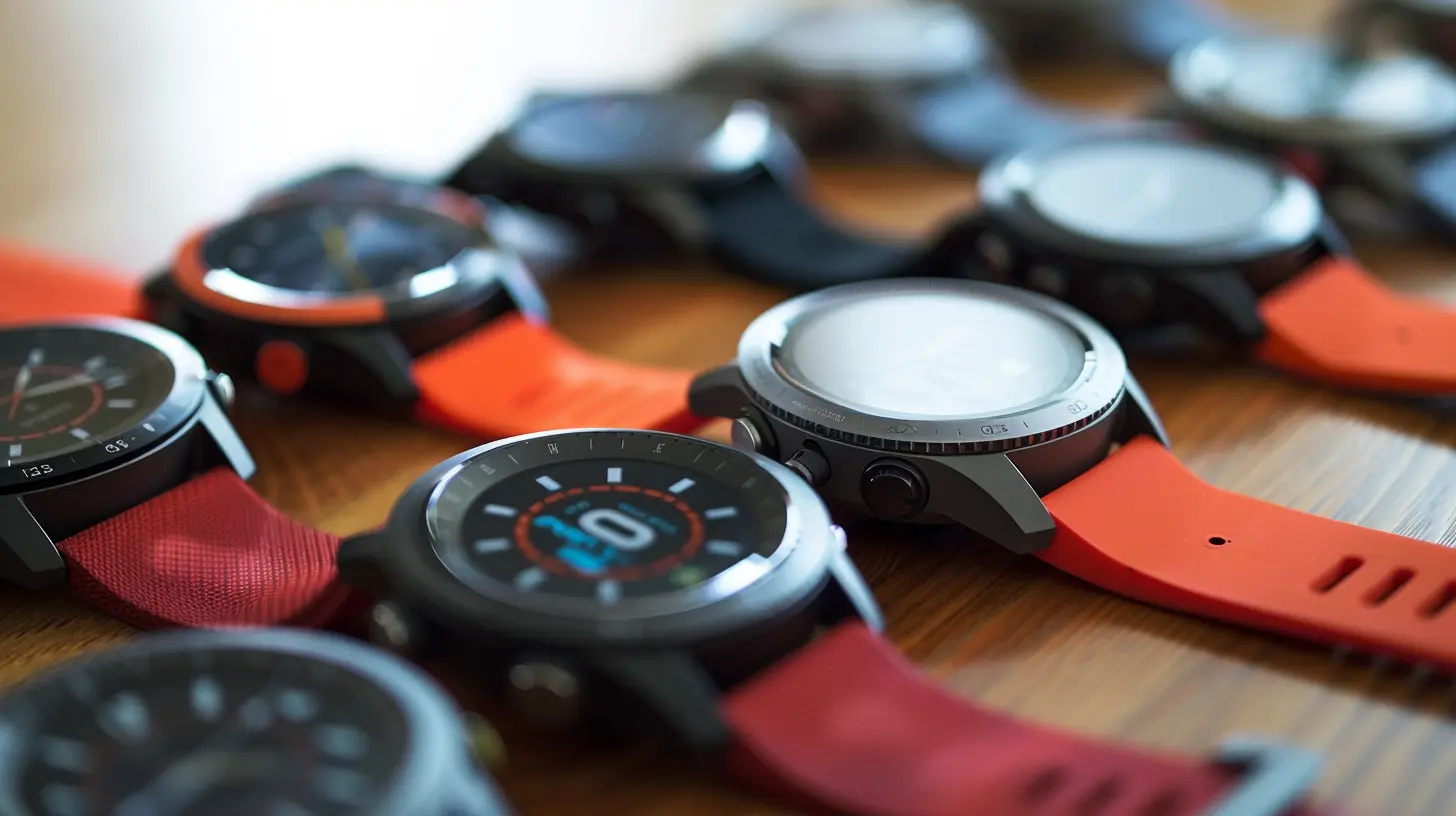
A Wristwatch That Watches Over You
Okay, so what’s with the hype?Smartwatches have evolved from just being a cool techy add-on to something akin to your own health assistant. They're not just counting your steps anymore. They’re tracking your heart rate, measuring your blood oxygen levels, giving you ECG reports, helping you with sleep analysis, and even detecting if you've taken a hard fall. It’s like wearing a mini-doctor on your wrist—minus the waiting room and medical bills.
And the best part? It happens in real-time.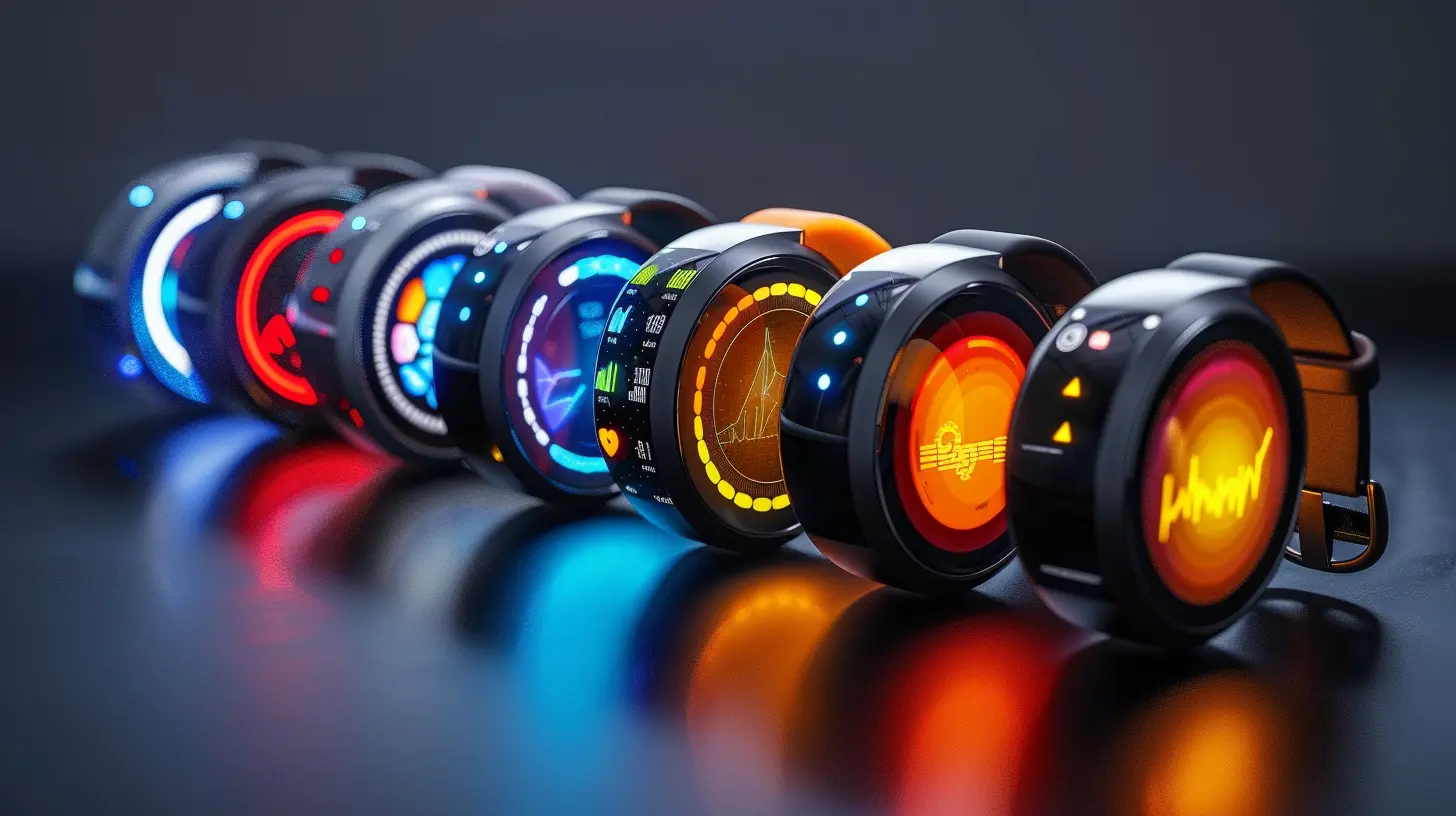
Your Heart’s New Best Friend
Let’s talk about the biggie—heart monitoring.Most smartwatches today continuously track your heart rate, whether you're lounging on the couch or hiking up a mountain. They don’t just show a number; they analyze trends. Too high? Low for no good reason? You’ll get an alert.
But wait, there's more.
Some models offer an electrocardiogram (ECG) function. Yup, the same kind of test you'd get in a hospital. With a single tap, your watch can tell if your heart rhythm is off (like atrial fibrillation), which is a huge deal since AFib can lead to strokes.
TL;DR—smartwatches are keeping an eye on your ticker, even when you’re not.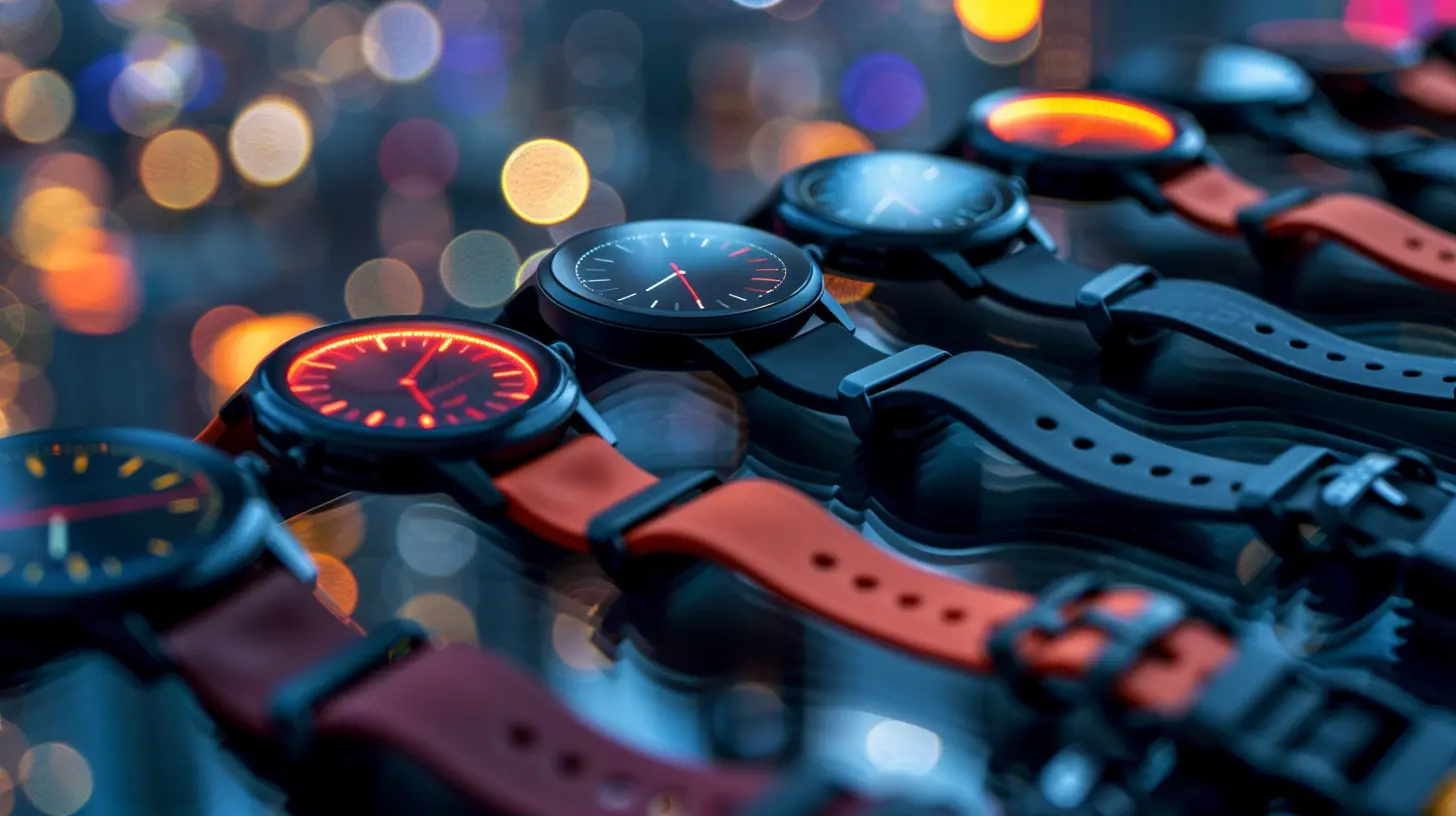
Oxygen Levels? Checked.
You might’ve seen SpO2 pop up recently—especially during the COVID-19 pandemic.This metric checks how much oxygen your blood is carrying. Drop below a certain threshold, and it could signal respiratory issues, sleep apnea, or other conditions.
Smartwatches with SpO2 sensors constantly monitor your levels, especially while you sleep. It’s like having a tiny pulse oximeter working silently in the background, watching for anything suspicious while you're dreaming about that vacation you’ve been putting off.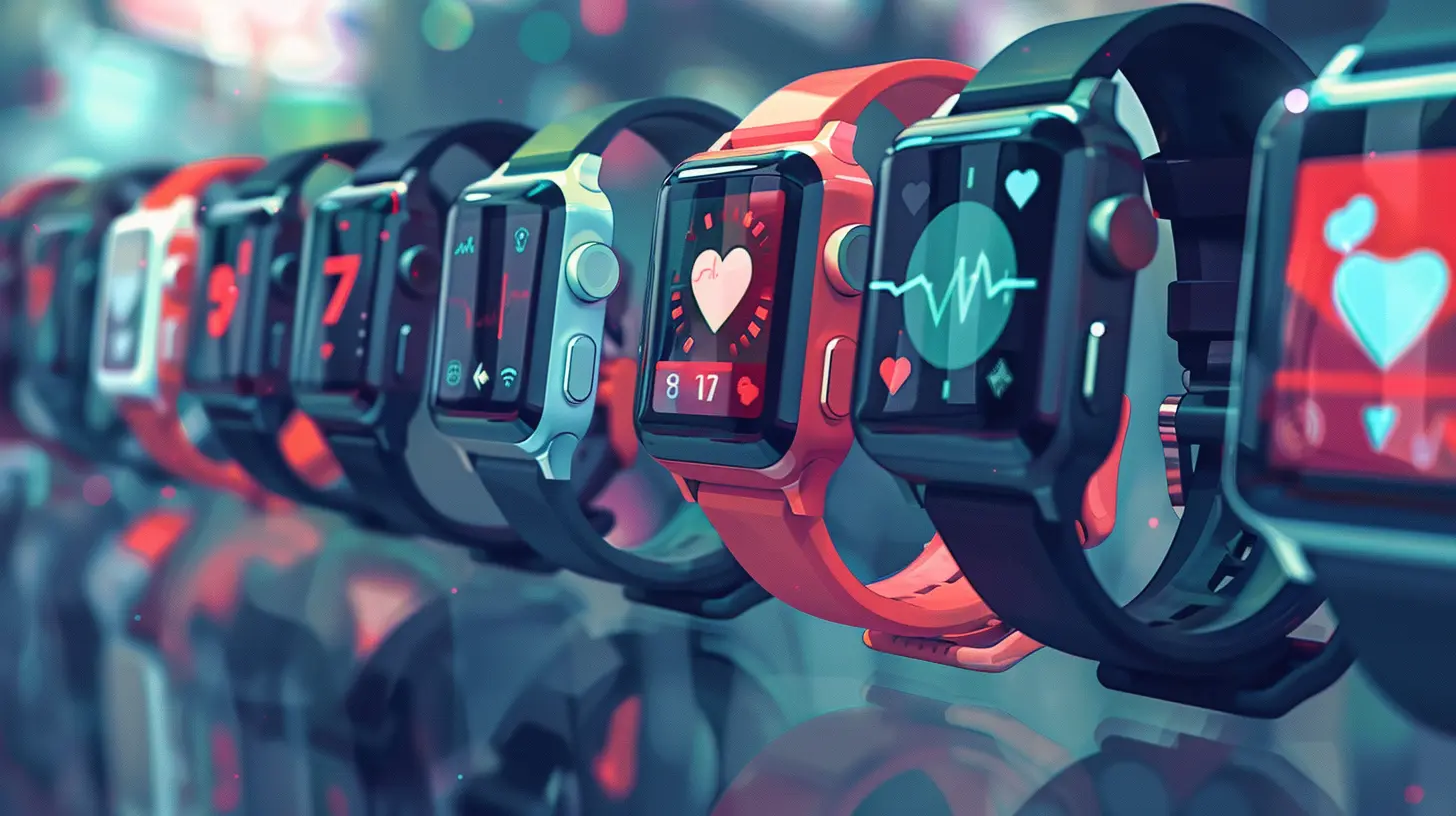
Sleep Tracking: No More Guessing Games
We all know sleep is essential, but most people don’t realize how poorly they sleep until a smartwatch tells them.These techy timepieces analyze your sleep stages—light, deep, REM—and give you insights into your sleep quality. They even detect how often you toss and turn or wake up during the night.
But here's where it gets real: sleep data is becoming a legit diagnostic tool. Frequent disruptions might hint at underlying issues like insomnia, sleep apnea, or high stress. Some smartwatches even coach you into better sleep by suggesting bedtime routines and breathing exercises.
That’s sleep science in action—without needing to wire your head up in a lab.
Fitness Tracking: More Than Just Step Counting
We can’t talk health without fitness.Remember when hitting 10,000 steps was all the rage? Now smartwatches do so much more. They count stairs climbed, measure calories burned, record workouts, and even detect specific activities like swimming, cycling, or yoga.
Feeling lazy? Your wrist will literally nudge you to get up and move.
They’re like a no-nonsense personal trainer that’s always watching—and never charges you by the hour.
Stress and Mental Wellness Monitoring
Here’s the thing—they’re not just about the physical stuff.Modern smartwatches come equipped with sensors that track signs of stress based on heart rate variability, skin temperature, and other biometrics. If your body's acting tense without reason, your watch might prompt you with a gentle reminder: "Take a deep breath."
Mental health often plays second fiddle to physical health, but that’s changing. These devices are now helping users become more aware of their emotional well-being, encouraging mindfulness, guided breathing, and even short meditative sessions.
Fall Detection and Emergency SOS: A Literal Lifesaver
What if you fell... and couldn’t get up?It’s not just an infomercial scenario. Smartwatches now come with advanced motion sensors that detect sudden impact. If the device senses a hard fall and doesn’t detect movement afterward, it automatically contacts emergency services, sharing your location.
This feature is especially huge for seniors, those with medical conditions, or even people who live alone. It transforms the watch from a gadget to a guardian angel.
Blood Pressure Monitoring: The Next Frontier
While still in the early stages, some smartwatches are starting to introduce cuff-less blood pressure monitoring. It’s like having a mini BP machine on your wrist, without the uncomfortable arm squeeze.It's not perfect yet, but the technology’s getting there. As sensors become more accurate and software smarter, we’re heading into a future where your watch might detect hypertension before your doctor does.
And that’s a total game-changer.
Personalized Health Insights Through AI
Here’s where things get sci-fi level good.Smartwatches are now using artificial intelligence to provide personalized health summaries. They're not just collecting data—they’re learning from it. Over time, your watch builds a profile of your habits, health data, and patterns. Then, it offers customized suggestions—from workout changes to hydration reminders and beyond.
It’s like having your own health coach who knows you better than your gym buddy ever could.
Integrating with Healthcare Providers
Now this is where the dots start connecting.Many smartwatches can sync data directly to health apps or even electronic medical records (EMRs). Some platforms let users share their real-time health data with their doctors. Imagine walking into your check-up, and your doctor already knows about that weird heartbeat trend from last month. That’s proactive healthcare.
For people managing chronic conditions like diabetes, hypertension, or heart disease, this is gold. It helps providers make more informed decisions. In some cases, it might prevent serious complications altogether.
Encouraging Preventive Health Behavior
Here’s the truth: smartwatches are turning us into health-conscious creatures.They’re gamifying fitness, making health goals fun and trackable. You get badges for hitting milestones, friendly challenges among friends, and satisfying daily rings to close. It’s the dopamine boost we didn’t know we needed.
The real magic? They make preventive health effortless. Just by wearing it, you start thinking more about your body and choices. Before you know it, you're actually choosing the stairs over the elevator.
Are There Limitations?
Absolutely. Let’s not pretend smartwatches are miracle machines.They’re great tools, but not replacements for actual medical diagnosis or treatment. Sensor accuracy can vary, features differ across brands, and not everyone may find them comfortable or easy to use.
Plus, concerns around data privacy still hang in the background like a dark cloud. Storing health data on tech platforms opens the door to potential misuse or breaches. It’s something to definitely keep an eye on.
The Future Is (Literally) in Your Hands
It’s wild to think about how far we’ve come—from clunky step counters to AI-powered health monitors that fit on your wrist.Smartwatches are not slowing down. In the coming years, we’re looking at non-invasive glucose monitoring, enhanced fertility tracking, and even emotional recognition based on biometric feedback. The fusion of health, AI, and wearable tech will only deepen.
Soon, your smartwatch might alert you to a health issue before symptoms even appear. That’s not just convenient—that's revolutionary.
Final Thoughts: It's Time to Take Health Into Your Own Hands (Or Wrist)
So yeah, smartwatches aren’t just keeping time—they’re helping us make the most of it. Whether it’s pushing you to take a walk, helping you understand your sleep, or literally calling for help when you can't, these tiny devices are making a massive impact.They may not wear lab coats, but in many ways, they’re the most loyal health companions we’ve got.
Thinking of strapping one on? Your future self might just thank you for it.
all images in this post were generated using AI tools
Category:
Wearable DevicesAuthor:

Michael Robinson
Discussion
rate this article
2 comments
Vaughn McMillen
Smartwatches are like your personal health buddy, always ready to lend a hand (or wrist)! With their clever tracking features, staying on top of your wellness has never been easier or more fun. Embrace the tech revolution—your health will thank you later! ⌚💪
April 17, 2026 at 3:57 AM
Michael Robinson
Thank you! Smartwatches truly transform health monitoring, making it accessible and engaging for everyone. Your enthusiasm for this tech revolution is inspiring!
Anabella Hughes
While smartwatches enhance health tracking, reliance on them may overshadow traditional medical consultations and expertise.
April 11, 2026 at 12:36 PM
Michael Robinson
Thank you for your insight! While smartwatches offer valuable health data, it's crucial to maintain a balance with traditional medical advice to ensure comprehensive health management.