How to Protect Yourself from Identity Theft in the Digital Age
18 December 2025
Identity theft is no joke. One moment, you're casually browsing the internet, and the next, someone halfway across the world is using your personal details to take out loans or commit fraud in your name. Scary, right?
In today's digital age, where everything from your banking to grocery shopping happens online, cybercriminals are lurking everywhere, waiting for a chance to snatch your identity. But don't worry—I've got you covered! This guide will walk you through practical, easy-to-follow steps to protect yourself from identity theft and keep your information safe.
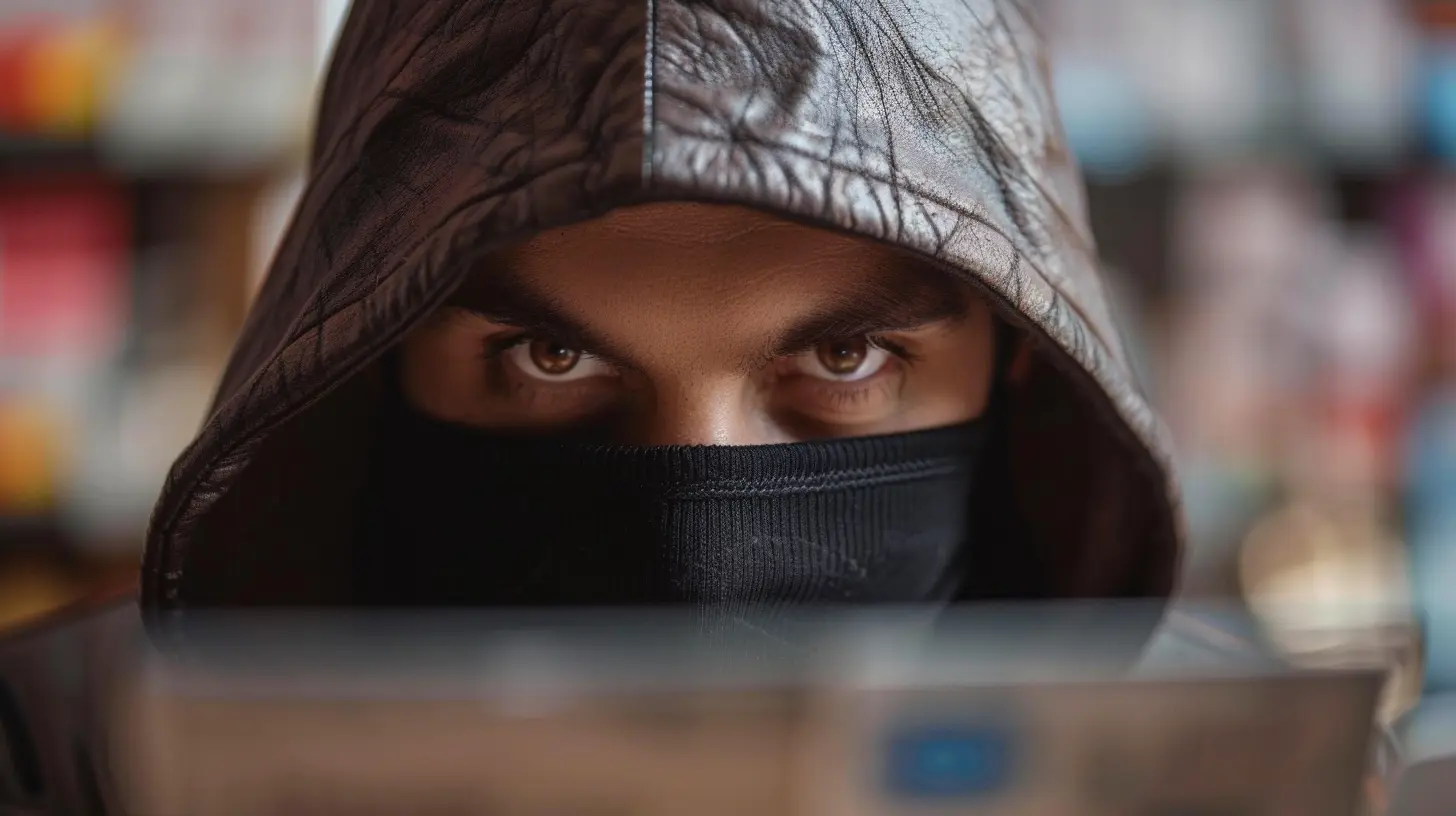
What Is Identity Theft?
Before we dive into the protection methods, let's break it down. Identity theft happens when someone illegally obtains and misuses your personal information—like your name, bank details, or Social Security number—to commit fraud.These criminals can open credit lines, make purchases, or even file tax returns in your name. And the worst part? You might not even realize it until the damage is already done.
But here's the good news: With the right precautions, you can significantly reduce the risk of falling victim to identity theft. Let's get into it!

Common Ways Identity Theft Happens
To protect yourself, you need to understand how hackers and fraudsters steal personal information. Here are some of the most common methods:1. Phishing Scams
Ever received an email or text message claiming to be from your bank, asking you to "verify" your account? That’s phishing—one of the oldest tricks in the book! These fake messages often contain links leading to malicious websites designed to steal your login credentials.2. Data Breaches
Even large corporations are not immune to cyberattacks. When a company experiences a data breach, sensitive customer information—like passwords and credit card details—can fall into the wrong hands.3. Public Wi-Fi Snooping
Free Wi-Fi at coffee shops and airports is super convenient, but it's also a hacker’s playground. Cybercriminals can intercept your data when you use unsecured networks, stealing passwords and financial information with ease.4. Weak Passwords
Using "password123" or your pet’s name as your password? Big mistake! Weak passwords make it ridiculously easy for hackers to crack into your accounts.5. Dumpster Diving and Mail Theft
Believe it or not, some identity thieves still use old-school methods. They go through your trash or steal your mail to find credit card statements and personal documents.
How to Protect Yourself from Identity Theft
Now that you know the risks, let's talk about solutions. Here are the best ways to safeguard your identity in the digital world.1. Create Strong and Unique Passwords
Using the same password for multiple accounts is like locking your front door but leaving the windows wide open! Each account should have a unique, complex password.Tips for Strong Passwords:
- Use a mix of uppercase and lowercase letters, numbers, and special characters.- Avoid using personal details like birthdays or names.
- Consider using a password manager to keep track of your credentials.
2. Enable Two-Factor Authentication (2FA)
Think of 2FA as an extra layer of security—like adding a deadbolt to your door. Even if a hacker gets your password, they won’t be able to access your accounts without the second form of verification, like a one-time code sent to your phone.3. Be Cautious with Emails and Links
If you receive an unexpected email or text message asking for personal information, proceed with caution. Banks and reputable companies will never ask you to verify your account via email.Steps to Stay Safe:
- Double-check the sender’s email address. Fake ones often have slight misspellings.- Hover over links before clicking to see where they lead.
- Never download attachments from unknown senders.
4. Use a VPN on Public Wi-Fi
Public Wi-Fi networks are notoriously insecure. If you must use one, a Virtual Private Network (VPN) encrypts your connection, making it much harder for hackers to intercept your data.5. Monitor Your Financial Statements Regularly
Stay on top of your bank and credit card statements. If you notice any suspicious transactions, report them immediately.6. Shred Sensitive Documents
Before tossing out old bank statements or bills, shred them. A paper shredder is a small investment that can go a long way in preventing dumpster-diving identity thieves.7. Limit What You Share Online
Oversharing on social media can be dangerous. Think twice before posting personal details like your full birthdate, address, or phone number. The less information available to scammers, the better.8. Freeze Your Credit When Not in Use
A credit freeze prevents anyone (including identity thieves) from opening new accounts in your name. It’s free to do, and you can temporarily lift it when needed.9. Watch Out for Skimming Devices
Ever seen a card reader that looks a little... off? ATM and gas station card skimmers can steal your credit card details when you swipe. If something looks fishy, use a different machine.10. Be Wary of Unsolicited Phone Calls
If someone calls claiming to be from your bank or the IRS asking for sensitive information, hang up. If in doubt, call the official number listed on the company’s website.
What to Do If You’re a Victim of Identity Theft
Despite our best efforts, identity theft can still happen. If you suspect that your personal information has been compromised, take action immediately.Step 1: Contact Your Financial Institutions
Notify your bank and credit card companies right away. They can freeze your accounts and prevent further unauthorized transactions.Step 2: Place a Fraud Alert on Your Credit Report
A fraud alert notifies creditors to take extra steps in verifying your identity before opening new accounts. You can do this through major credit bureaus like Experian, Equifax, and TransUnion.Step 3: File a Report with the FTC
The Federal Trade Commission (FTC) provides helpful resources for identity theft victims. Visit identitytheft.gov to file a report and get customized recovery steps.Step 4: Review and Secure Your Accounts
Change your passwords immediately, enable two-factor authentication, and check for any suspicious activity across all your accounts.Step 5: Monitor Your Credit Report
Keep an eye on your credit report for any fraudulent activity. You’re entitled to a free report once a year from AnnualCreditReport.com.Final Thoughts
In today’s digital world, protecting your identity isn't optional—it's a necessity. Hackers and scammers are evolving daily, but with the right precautions, you can outsmart them.Stay vigilant, use strong passwords, be cautious about what you share online, and keep an eye on your financial statements. A little caution now can save you from major headaches later.
Stay safe online, and remember—your identity is one of your most valuable assets. Protect it like you would your wallet or house keys!
all images in this post were generated using AI tools
Category:
CybersecurityAuthor:

Michael Robinson
Discussion
rate this article
2 comments
Flynn Baker
Just remember: your cat's name isn't a password!
January 17, 2026 at 12:23 PM
Michael Robinson
Absolutely! It's crucial to choose strong, unique passwords that don’t relate to personal information, like pet names, for better security.
Hailey Bell
Sure, just don't use the internet—problem solved! Easy peasy, right?
December 18, 2025 at 11:56 AM
Michael Robinson
While avoiding the internet might seem simple, most of our lives are online today. It's essential to use smart strategies to protect your identity in the digital space.