How Wearable Devices Are Aiding in Personalized Healthcare
11 August 2026
Let’s be honest, the way we manage our health is changing—fast. Remember when checking your heart rate meant visiting a clinic? Now, you just glance at your wrist. That’s right, wearable devices are taking over the health game, and not just for fitness junkies. These pocket-sized tech marvels are reshaping personalized healthcare as we know it.
In this article, we’ll take a deep dive into the world of wearables, looking at how they’re giving doctors (and us) more real-time insights, the types of data they collect, and how that data is revolutionizing personalized treatment plans. Buckle up—this is the future of healthcare, and it’s already on your wrist.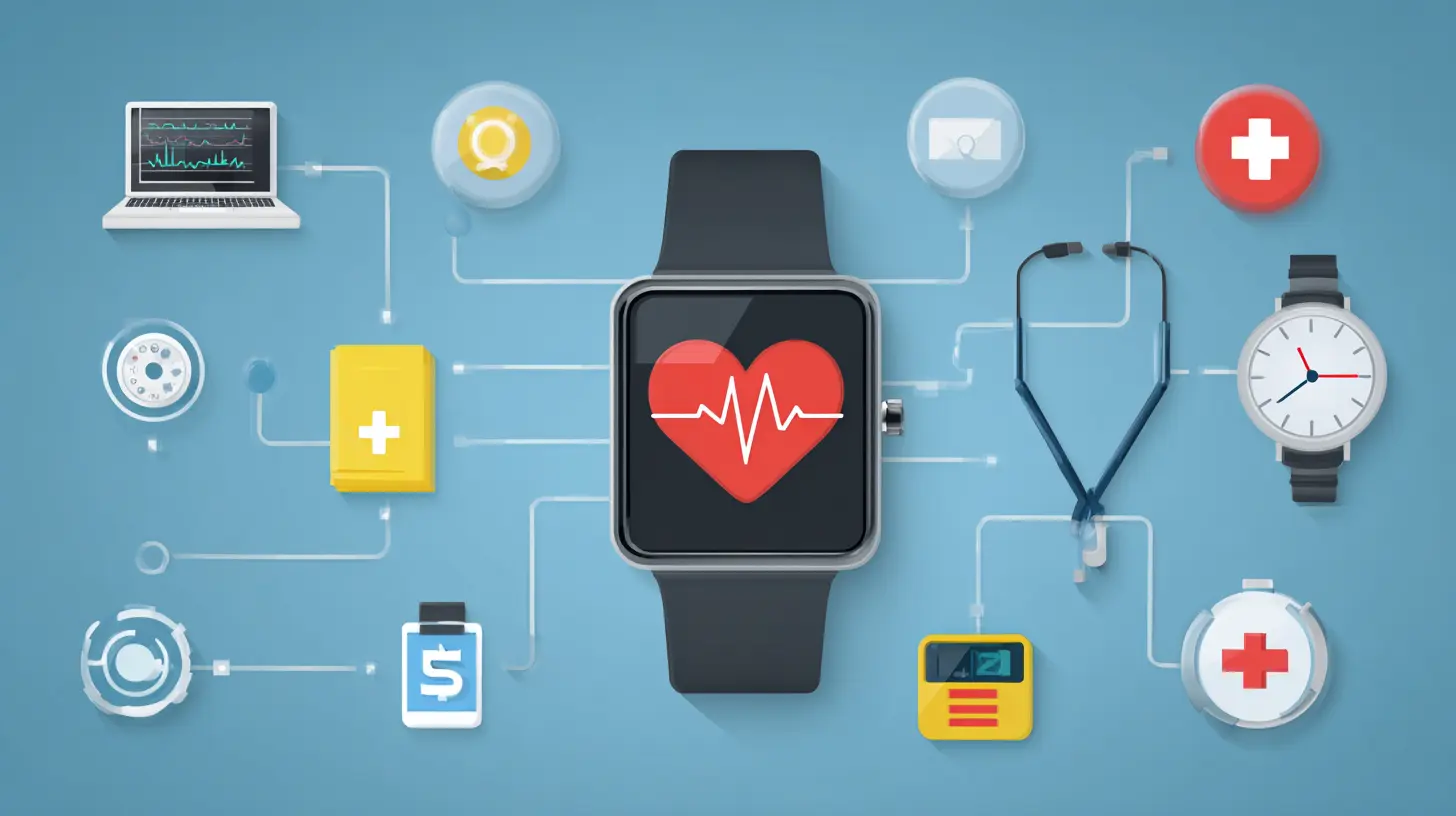
What Exactly Are Wearable Devices?
Before we jump into the magic they offer, let’s clarify what we’re talking about when we say “wearables.”Wearable devices are smart electronic gadgets that people wear on their bodies—like smartwatches, fitness trackers, biosensors, and even smart rings. Think Apple Watch, Fitbit, Oura Ring, and medical-grade wearables like the FreeStyle Libre for glucose monitoring. These devices collect data on your physical activities, body vitals, and more. Pretty neat, right?
From Step Counts to Life-Saving Metrics
When wearables first hit the market, it was all about counting steps and maybe tracking some sleep. Fast-forward a few years, and now they can monitor heart rate variability, oxygen saturation (SpO2), ECG, and even detect atrial fibrillation (AFib). Some smart devices can even predict COVID-19 symptoms before you feel sick.So, we’ve clearly come a long way from just counting steps.
Real-Time Data: The New Superpower
Imagine driving a car with a dashboard that shows you how fast you're going, how much fuel is left, and when your engine might fail. Now, imagine if your body had a similar dashboard. That’s exactly what wearables offer—real-time health analytics.They give users and healthcare providers instant access to vital signs and health indicators. Whether it's irregular heart rhythms, dips in blood oxygen, or sleep disturbances, having that data right away is priceless. It allows for earlier interventions and smarter decisions.
Personalized Healthcare: Not Just a Buzzword
“Personalized healthcare” sounds techy and futuristic, right? But it's really just healthcare tailored to YOU.Wearables make it possible. By constantly collecting data unique to your lifestyle, activity level, and physical condition, they help doctors understand your body’s norms—and what’s not normal. No two people are the same, and now, their treatment doesn’t have to be cookie-cutter either.
Say goodbye to one-size-fits-all care. Say hello to treatment plans that are made just for you, based on your own data.
Top Areas Where Wearables Are Making a Difference
Let’s break down exactly where these devices are shining in healthcare.1. Chronic Disease Management
One of the biggest wins for wearables? Helping manage chronic conditions like diabetes, heart disease, and hypertension.Take a diabetic patient, for example. Continuous Glucose Monitors (CGMs) like the Dexcom G6 provide real-time glucose readings. No finger pricks needed. The device sends alerts if glucose levels spike or drop too low. That’s instant insight that could prevent life-threatening events.
Heart patients can wear ECG-enabled watches like the Apple Watch, which can detect arrhythmias and notify users—and even connect them to emergency services.
2. Fitness and Lifestyle Tracking
This is where it all started. Fitness trackers like Fitbit and Garmin collect data on steps, calories burned, workout intensity, and rest. But it doesn’t stop there. These metrics help users understand their habits and how these habits impact their health.Better sleep, more consistent exercise, improved hydration—it all adds up, and wearables can keep you on track with just a buzz on the wrist.
3. Mental Health Monitoring
This is an underrated but growing area. Some wearables can gauge your stress levels by monitoring your heart rate variability and sleep quality. Devices like the Fitbit Sense even have built-in stress management tools.Apps and wearables are also being developed to help people with anxiety and depression through mood tracking and even guided meditation based on biometric feedback.
4. Elderly Care and Fall Detection
For seniors, wearables provide that extra layer of safety. Smartwatches and pendants with accelerometers can detect falls and automatically contact emergency services. Some even offer GPS tracking so caregivers can locate their loved ones.It’s like having a personal bodyguard that never sleeps.
5. Rehabilitation and Post-Surgery Monitoring
After surgery or injury, wearables can help monitor recovery. For instance, smart insoles can detect irregular walking patterns post-hip surgery. Other wearable patches can track muscle activity, allowing therapists to adjust rehab plans in real time.Big Data Meets Personalized Medicine
Wearables aren’t just devices—they're data gold mines. And when you combine that with AI and machine learning, you unlock powerful insights.Imagine your fitness tracker noticing a pattern: your resting heart rate increases slightly before every cold or flu. AI can pick up on these trends and flag potential illnesses before symptoms kick in. That’s preemptive medicine, folks.
Medical researchers are also using aggregated wearable data to study trends across populations, which helps fine-tune treatments and even develop new drugs.
Data Security and Privacy: The Big Elephant in the Room
Okay, so wearables are awesome—but what about all that sensitive health data floating around?It’s a valid concern. Most devices store data in the cloud, and this data can include everything from your heart rate to your exact location. That’s why companies must have tight data encryption and transparent privacy policies.
As users, we should also be proactive—read those terms, secure your apps, and only share data with trusted healthcare providers.
Barriers to Adoption
While the adoption of wearables is climbing, a few hurdles still exist:- Cost: High-end wearables can be expensive, limiting access for some.
- Accuracy: While they’re improving, wearables aren’t 100% accurate. They should supplement, not replace, clinical diagnosis.
- User Compliance: Let’s face it, not everyone wears their tracker consistently.
But as technology improves and becomes more affordable, these barriers are slowly disappearing.
What’s Next for Wearables in Healthcare?
We’re only scratching the surface here. So what’s next?- Smaller, more integrated wearables: Think smart tattoos or contact lenses.
- More medical-grade devices: FDA-approved monitors for remote patient care.
- Greater AI integration: Devices that make smart predictions, not just track stats.
- Interoperability with EHRs (Electronic Health Records): Seamless syncing between your wearable and your doctor’s software.
The future looks like a tight partnership between technology, data, and personalized care. It's only going to get smarter from here.
Final Thoughts
Wearable devices aren’t just fancy tech toys anymore—they’re essential tools in the shift toward personalized healthcare. From giving people more control over their health to aiding doctors with real-time data, these devices are changing the game.So, whether you’re tracking your steps, managing a chronic illness, or just trying to sleep better—your wearable might just be the best health coach you never knew you needed.
The future of healthcare is personal, portable, and right there on your wrist.
all images in this post were generated using AI tools
Category:
Wearable DevicesAuthor:

Michael Robinson