How Wearable Devices Are Shaping the Future of Personalized Fitness Programs
15 February 2026
Technology is revolutionizing the way we approach health and fitness, and wearable devices are leading the charge. Back in the day, fitness meant blindly following a generic workout plan and hoping for the best. But today? Wearable tech is turning fitness into a data-driven, hyper-personalized experience—tailored to your unique body, goals, and lifestyle.
Whether it's smartwatches, fitness trackers, heart rate monitors, or even AI-powered wearables, these devices are pushing personalized fitness into uncharted territory. But how exactly is this shaping the future of fitness programs? Let’s break it down. 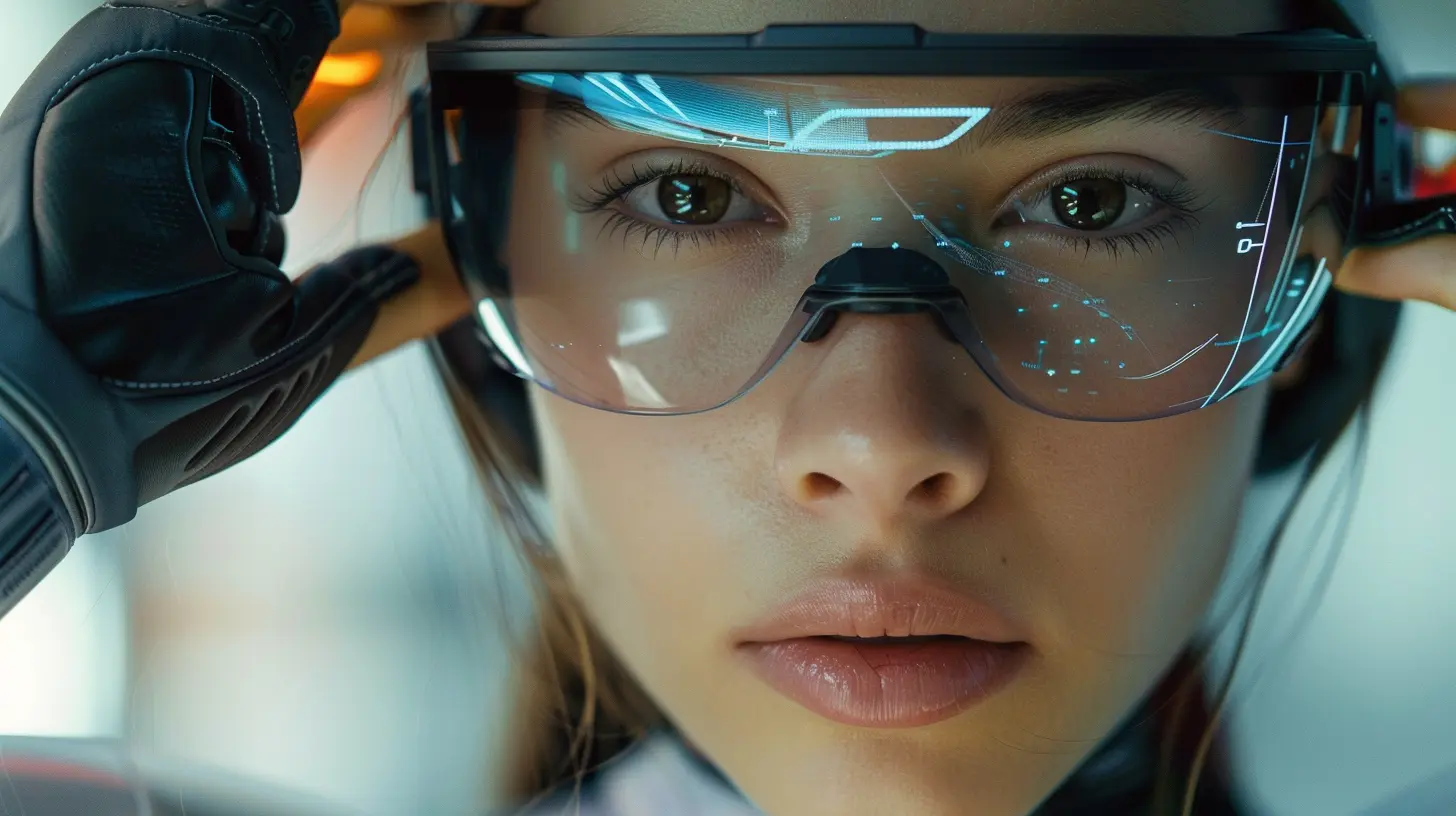
The Rise of Wearable Technology in Fitness
Wearable fitness trackers have come a long way from the basic pedometers we once clipped to our waistbands. Now, devices like the Apple Watch, Fitbit, Garmin, Whoop, and Oura Ring can track everything from oxygen levels and heart rate variability to stress levels and sleep patterns.The real power of wearables? Personalization. These devices don’t just spit out raw data—they use AI-driven insights to create customized fitness plans that adapt in real-time. This means that what works for you might not work for someone else, and that’s exactly the point. 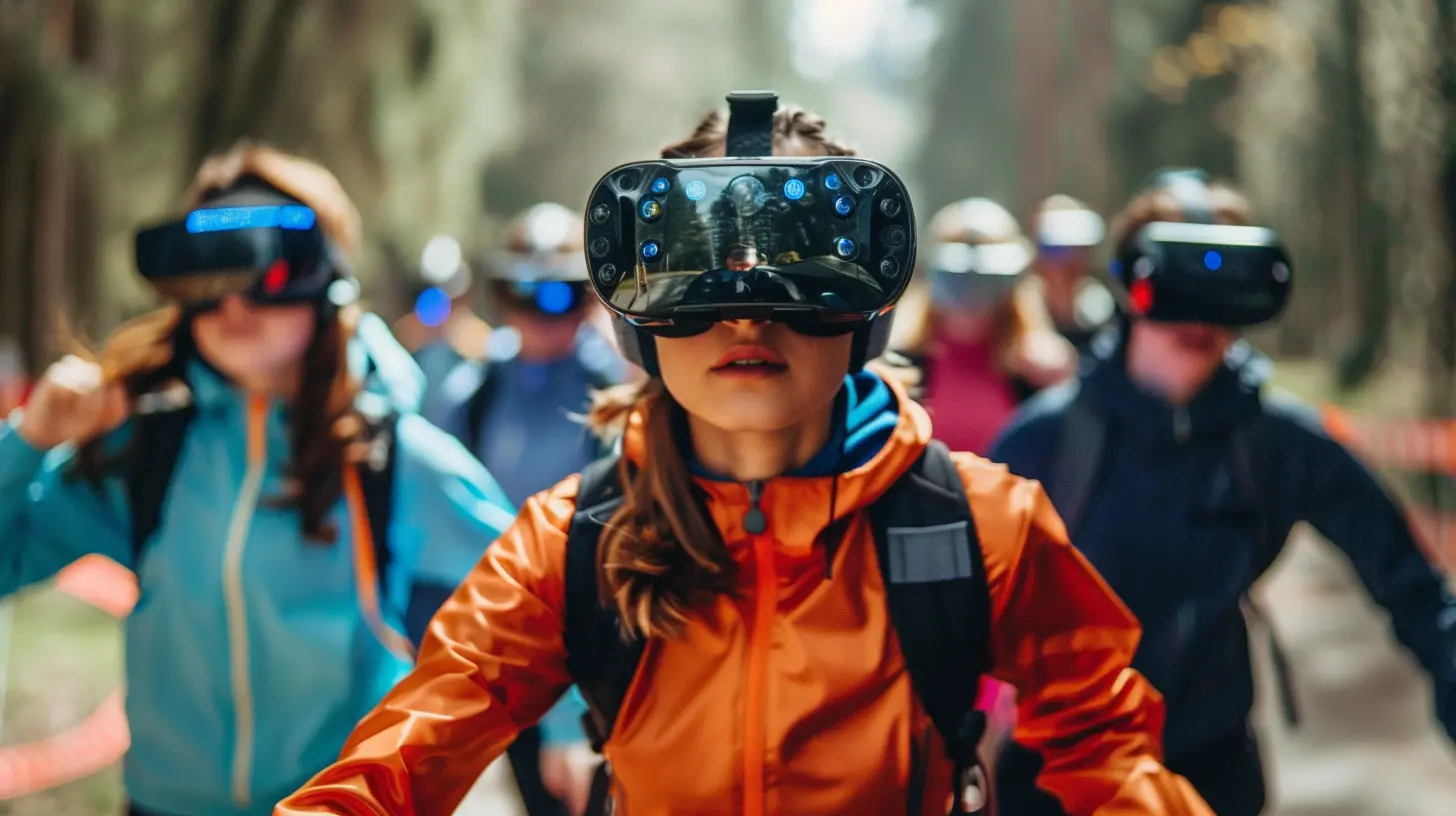
How Wearable Devices Are Revolutionizing Personalized Fitness
1. Real-Time Health & Performance Tracking
Gone are the days of estimating your effort level during a workout. Wearables now provide real-time feedback on:- Heart rate zones – Making sure you're in the optimal zone for fat-burning or endurance.
- VO2 max measurements – Giving insights into your cardiovascular fitness.
- Recovery scores – Helping you avoid burnout by telling you when to push or rest.
This level of tracking means workouts can be adjusted in real time, ensuring maximum efficiency and preventing injuries caused by overtraining.
2. Highly Personalized Training Plans
Forget generic fitness programs. Today's AI-powered wearables analyze your biometrics, past workouts, and even your sleep quality to create a customized fitness journey.- Garmin & Whoop analyze your body’s exertion and recovery needs, adjusting your training accordingly.
- Peloton & Apple Fitness+ sync data from wearables to fine-tune workout intensity and duration.
Instead of winging it at the gym or following cookie-cutter programs, wearables tell you exactly what to do, when to do it, and how hard to push.
3. Sleep Optimization for Better Training
You might not think of sleep as part of your fitness journey, but wearable devices do. Fitness trackers now analyze sleep patterns to determine if you’re well-rested enough for peak performance.- Oura Ring and Fitbit provide detailed sleep insights, grading your REM, deep, and light sleep stages.
- Poor sleep? Your wearable can suggest low-intensity workouts or even encourage rest days.
- Good sleep? Expect a recommendation for higher-intensity training.
Sleep isn’t just about feeling rested—it’s directly linked to muscle recovery and athletic performance. Wearable tech ensures you’re not just training hard, but also recovering smart.
4. Nutrition & Hydration Guidance
Fitness is more than just working out—nutrition and hydration play a massive role in overall performance.Wearables are now integrating with apps that track calories, hydration levels, and even macros to provide real-time nutrition insights.
- Lumen is a cutting-edge device that analyzes your breath to determine whether you're burning carbs or fat and adjusts your meal plans accordingly.
- Smart water bottles connect with wearables to remind you when to hydrate based on sweat loss and activity levels.
It’s like having a personal dietitian in your pocket, guiding you toward better nutritional choices. No more guessing—wearables tell you exactly what your body needs.
5. Motivation & Accountability Like Never Before
Let’s be honest—staying consistent is the hardest part of any fitness journey. But wearables change the game by keeping you accountable:- Daily step goals and activity streaks push you to stay active.
- Community challenges (like Apple’s ‘Close Your Rings’ or Fitbit’s step competitions) turn fitness into a fun challenge with friends.
- AI coaching gives real-time feedback and encouragement to keep you on track.
With constant motivation at your wrist—or even on your smart glasses or AI-powered headphones—wearables help eliminate excuses. They turn fitness into a habit, not a hassle.
6. AI-Powered Virtual Coaching
Wouldn't it be amazing to have a personal trainer available 24/7? With AI-driven wearables, that’s basically what you get.- Wearables like Whoop and Oura analyze your physiology and offer daily coaching recommendations.
- AI-powered fitness apps sync with wearable data to suggest workouts, recovery strategies, and meal plans.
- Smart fitness mirrors, like Tonal and Mirror, use wearable insights to adapt workouts on the spot.
It’s like having a fitness expert in your pocket, providing real-time, personalized coaching based on your biometrics.
7. Injury Prevention & Recovery Support
Pushing too hard can lead to injuries—but wearables act as a first line of defense by:- Detecting muscular imbalances with motion-tracking wearables.
- Analyzing heart rate variability (HRV) to assess recovery status.
- Suggesting mobility exercises when stiffness is detected.
Some advanced wearables, like Theragun’s connected recovery devices, even guide muscle recovery by using AI-driven massage therapy suggestions.
This means fewer injuries, faster recovery, and longer-lasting progress in your fitness journey. 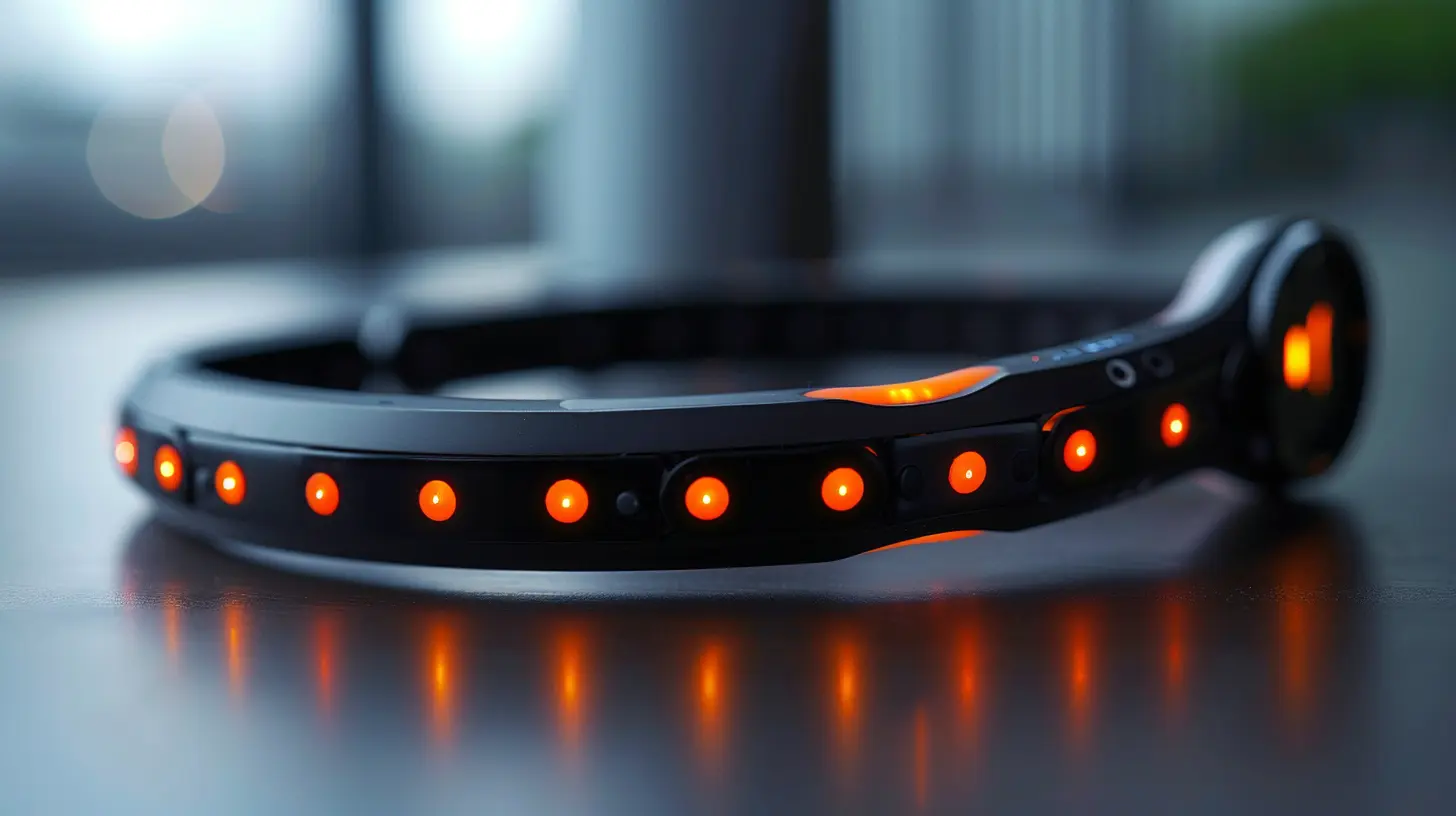
The Future of Wearable Fitness Tech
Wearables are continually evolving, and what’s coming next is mind-blowing.- Smart clothing that tracks muscle activation and posture in real-time.
- Biometric tattoos that monitor hydration, glucose levels, and energy output.
- Augmented Reality (AR) workouts synced with your biometric data for a truly immersive experience.
- Neural-connected wearables that interact with your brainwaves for cognitive enhancement and stress management.
Fitness is no longer a guessing game—it's becoming a science-backed, AI-driven, fully-personalized experience. 
Final Thoughts: The Future Is Personalized
Wearable devices aren’t just accessories anymore—they’re game changers in the fitness industry. They take the guesswork out of training, maximize efficiency, prevent injuries, and keep you accountable.We’re entering an era where health and fitness are no longer one-size-fits-all. Instead, wearables are making it possible to train smarter, recover better, and hit fitness goals faster than ever before.
So, if you’re not already using a wearable device to optimize your fitness journey—what are you waiting for? The future of fitness is personalized, data-driven, and right at your fingertips.
all images in this post were generated using AI tools
Category:
Wearable DevicesAuthor:

Michael Robinson
Discussion
rate this article
2 comments
Heather King
Great insights! It’s fascinating to see how wearable tech is revolutionizing fitness and tailoring programs to individual needs. Thank you for sharing!
March 17, 2026 at 3:19 AM
Michael Robinson
Thank you for your feedback! I'm glad you found the insights on wearable tech and personalized fitness intriguing!
Hugo Brooks
Wearable devices are revolutionizing fitness by transforming data into personalized insights, creating a more holistic approach to health and well-being.
February 20, 2026 at 3:58 AM
Michael Robinson
Absolutely! Wearable devices are indeed pivotal in tailoring fitness experiences, making health management more accessible and personalized for everyone.