Hydropower for Small Communities: A Scalable Renewable Solution
15 May 2026
With the growing demand for sustainable energy solutions, small communities around the world are beginning to explore renewable energy options. One of the most promising and scalable solutions for these communities is hydropower. You might be thinking, "Wait, isn't hydropower only for big dams and large energy projects?" Well, not exactly. Hydropower, especially on a smaller scale, can be incredibly beneficial for local communities. In this article, we’ll dive into how hydropower works, its benefits, and why it’s a great fit for small towns, villages, and rural areas.
What is Hydropower?
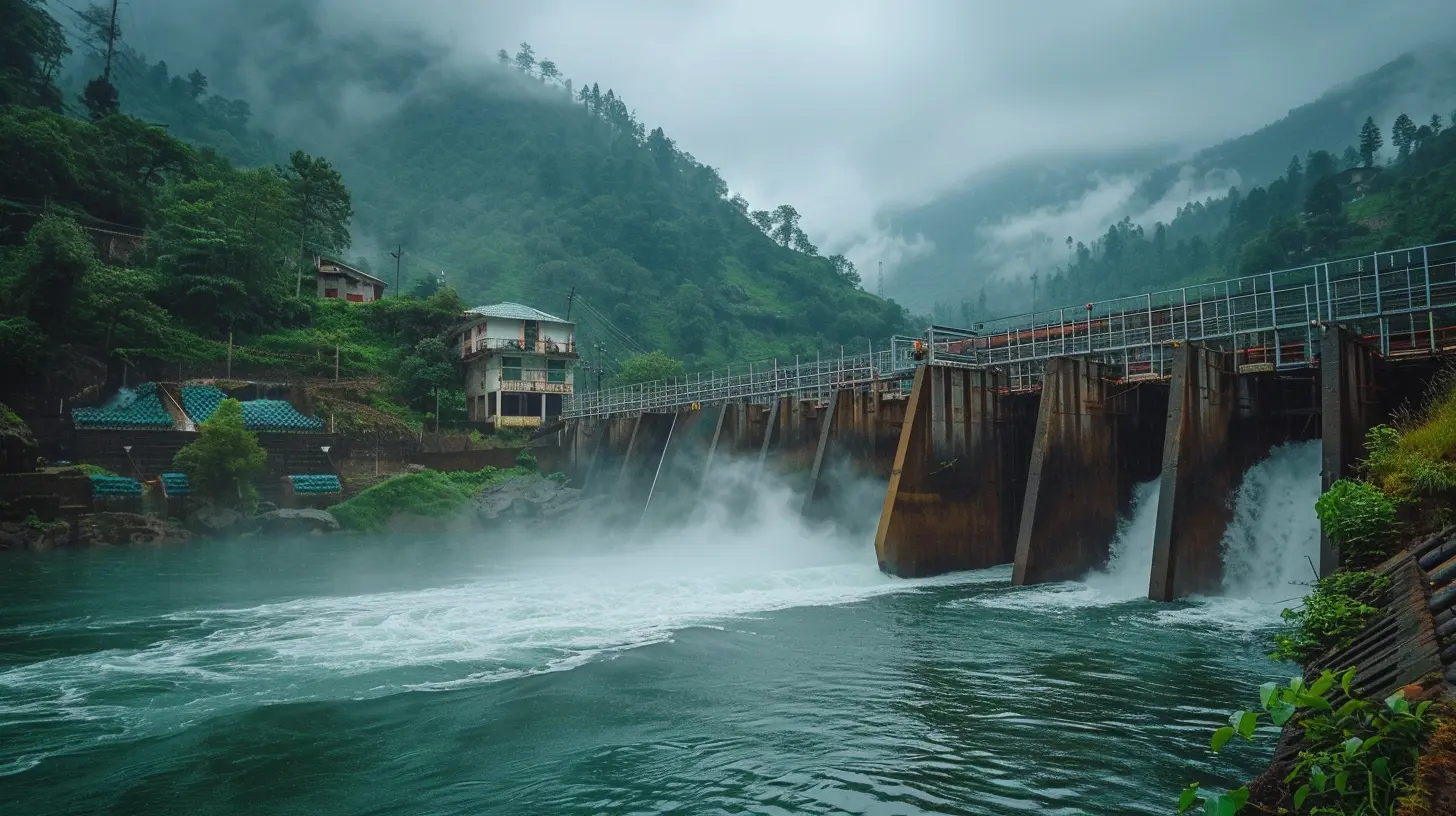
Hydropower, or hydroelectric power, is energy generated by harnessing the power of moving water. Essentially, it involves capturing the kinetic energy in flowing water (like rivers, streams, or even waterfalls) and converting it into electricity using turbines. It's one of the oldest forms of renewable energy, and, fun fact: humans have been using water to power mills and machinery for thousands of years!While large-scale hydropower projects like the Hoover Dam are well-known, smaller hydropower systems—often called "micro-hydro" or "mini-hydro"—can be installed in smaller water bodies and are perfect for smaller communities. These systems can generate enough energy to power homes, businesses, and even small industries.
The Basics: How Does Hydropower Work?
To keep it simple, here’s the general process:1. Water flows from a natural source, such as a river or stream.
2. The water is directed into a pipeline or channel to focus its flow.
3. The flowing water turns a turbine, which is connected to a generator.
4. The generator then converts the kinetic energy into electricity.
Simple, right? The beauty of hydropower is that it’s a continuous, reliable form of energy. As long as there’s water flowing, electricity can be generated.
Why Hydropower is a Perfect Fit for Small Communities
Now, you might be wondering, "Why should small communities consider hydropower over other renewable energy options like solar or wind?" Here are a few reasons why hydropower may be the best option for certain areas:1. Scalability and Flexibility
One of the biggest advantages of hydropower is how scalable it is. Unlike massive dam projects that require large rivers and tons of infrastructure, small hydropower systems can be designed to suit the size and energy needs of a local community. This makes it a great option for villages or towns located near rivers or streams. Plus, it can be built incrementally—meaning you can start small and expand the system over time as the community grows.2. Constant, Steady Power
Unlike solar power, which depends on the sun, or wind power, which depends on the wind, hydropower is incredibly reliable. Water flows continuously in rivers and streams, making it a steady source of power day and night, regardless of weather conditions. This makes it a perfect solution for communities that need a reliable energy source 24/7.3. Low Environmental Impact (When Done Right)
People often think of large dams that disrupt ecosystems when they hear “hydropower,” but small-scale hydropower systems have a much lower environmental impact. These systems often use “run-of-river” technology, which doesn’t require the construction of large reservoirs or dams. Instead, the natural flow of the river is utilized in a way that minimizes disruption to the ecosystem. Fish can still swim upstream, and the surrounding environment remains largely undisturbed.4. Cost-Effective in the Long Run
While the upfront cost of installing a small hydropower system can be significant, the long-term benefits far outweigh the initial investment. Once installed, the ongoing operational costs are relatively low, especially compared to fossil fuel-based power sources. Hydropower systems have long lifespans, often lasting 50 to 100 years with minimal maintenance. This makes it a cost-effective solution for communities looking for a long-term energy investment.5. Energy Independence
Small communities often rely on external power grids, which can be unreliable or expensive. By generating their own electricity through hydropower, communities can become more energy-independent and resilient. This is particularly important for remote areas where access to external power grids is limited or nonexistent.
Types of Small-Scale Hydropower Systems
Now that we’ve established why hydropower is such a great option for small communities, let’s talk about the different types of systems available.1. Micro-Hydro Systems
Micro-hydro systems are the smallest type of hydropower, typically generating less than 100 kilowatts of power. These systems are ideal for individual homes, small businesses, or very small communities. Because they require less infrastructure, they’re also the most cost-effective to install. Micro-hydro systems often use a simple run-of-river method, meaning they don’t require a dam or significant alteration to the landscape.2. Mini-Hydro Systems
Mini-hydro systems generate between 100 kilowatts and 1 megawatt of power, making them a step up from micro-hydro. These systems are suitable for slightly larger communities or multiple businesses. Like micro-hydro, mini-hydro systems usually use run-of-river technology, but they can also incorporate small reservoirs to store and manage water flow.3. Pico-Hydro Systems
Pico-hydro systems are even smaller than micro-hydro, usually producing just a few kilowatts of power. These systems are ideal for single households or small clusters of homes. While they provide less power, they’re incredibly affordable and often DIY-friendly, making them accessible to remote communities that may not have access to large-scale infrastructure projects.
Case Studies: Hydropower Success in Small Communities
Let’s take a quick look at some real-world examples of small communities that have successfully implemented hydropower systems.1. Nepal’s Micro-Hydro Revolution
Nepal, a mountainous country with abundant rivers, has embraced micro-hydro as a way to bring electricity to rural communities. With the help of international aid organizations, thousands of small-scale hydropower projects have been implemented across the country. These systems have brought light and power to villages that previously relied on kerosene lamps.2. Scotland’s Remote Communities
In Scotland, hydropower has been used to power remote communities in the Highlands and Islands. One project on the Isle of Eigg, for example, uses a combination of hydro, wind, and solar to power the entire island. The islanders installed a small hydropower system that takes advantage of the island’s natural streams, providing a steady and reliable source of energy year-round.Challenges and Considerations
Of course, no energy solution is without its challenges, and hydropower is no exception. Here are a few things communities need to consider before diving in:1. Initial Costs
While hydropower can save money in the long run, the upfront installation cost can be a hurdle, especially for small or underfunded communities. However, many governments and organizations offer grants and funding opportunities for renewable energy projects, so it’s worth looking into.2. Water Availability
Hydropower requires a consistent source of flowing water. Communities in dry regions or those with seasonal rivers may not be able to rely on hydropower alone. In these cases, it might be necessary to combine hydropower with other renewable energy sources, like solar or wind, to ensure a consistent energy supply.3. Environmental Impact
Although small-scale hydropower has a smaller environmental footprint than large dams, it can still have an impact on local ecosystems. It’s important to carefully assess the potential effects on fish populations, water quality, and the surrounding environment before implementing a project.
The Future of Hydropower in Small Communities
As the world continues to move toward renewable energy, hydropower will likely play a key role in providing sustainable, scalable power to small communities. With advancements in technology, the efficiency and affordability of small-scale hydropower systems are only going to improve.For communities that have access to flowing water, hydropower offers a reliable, long-lasting energy solution that can help reduce dependence on fossil fuels and promote energy independence. Whether it’s a micro-hydro system powering a single household or a mini-hydro system lighting up an entire village, hydropower is a flexible and scalable option for the future.
Conclusion: Why Hydropower Should Be on Every Small Community’s Radar
If your community is looking for a renewable energy solution that’s reliable, cost-effective, and environmentally friendly, hydropower should definitely be on your radar. With its scalability, steady power generation, and potential for long-term savings, it’s a great option for small towns, rural areas, and remote communities.While it’s important to consider the initial costs and environmental impact, the benefits of hydropower far outweigh the challenges. Plus, with ongoing advancements in technology, hydropower is becoming more accessible and efficient every day. So, if there’s a river flowing through your town, why not harness its power? It could be the key to a brighter, more sustainable future.
all images in this post were generated using AI tools
Category:
Renewable EnergyAuthor:

Michael Robinson
Discussion
rate this article
1 comments
Lyla Barron
Hydropower: big splash for small communities' energy needs!
May 19, 2026 at 11:32 AM
Michael Robinson
Absolutely! Hydropower can be a game changer for small communities, providing sustainable and reliable energy. It's about harnessing local resources for local benefits.