Must-Have Gaming Gear for Aspiring Esports Champions
29 May 2026
So, you've got the skills. Your reflexes are lightning-fast, your strategies are sharp, and your competitive spirit is untouchable. You’ve been grinding through ranked matches, leveling up your gameplay, and dreaming of the big leagues. But let’s be real for a second—talent alone won’t cut it in the world of esports.
Just like a race car driver needs a high-performance vehicle or a musician needs a finely tuned instrument, an esports champion needs top-tier gear. Whether your game of choice is CS:GO, Valorant, Fortnite, or League of Legends, your setup matters. Big time.
In this post, we’ll walk through the absolute must-have gaming gear that every aspiring esports athlete needs. This is your roadmap to building a setup that won’t just keep up with your ambition—it’ll actually elevate your game.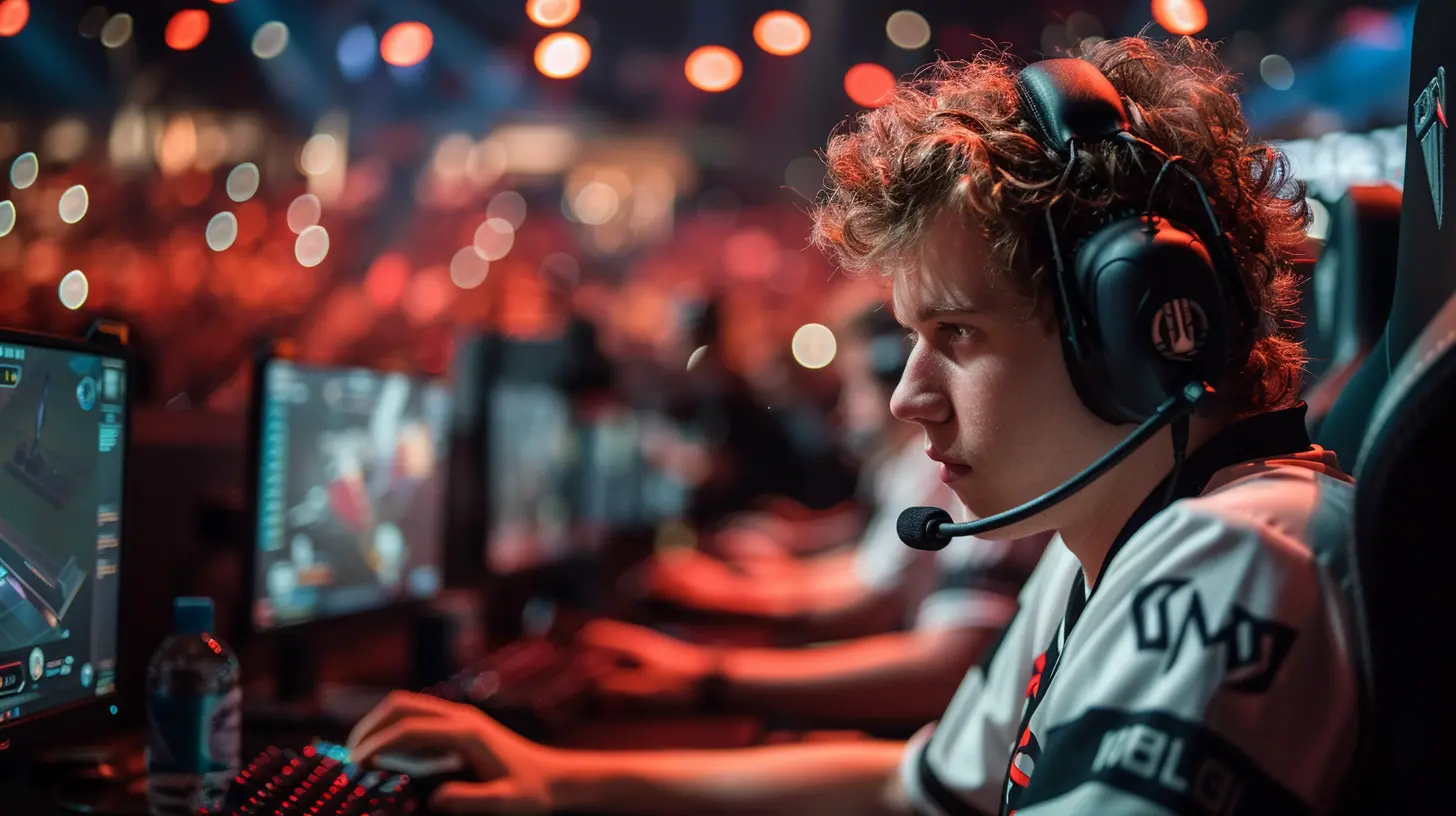
Why Gear Matters More Than You Think
Ever tried sniping in an FPS with a laggy mouse? Or team-fighting in a MOBA with a delayed keyboard response? It’s like running a marathon with shoes two sizes too small. Your gear isn’t just about comfort or aesthetics—it's your connection to the game world. It’s what translates your instincts into in-game action with pinpoint precision.Upgrading your gear isn’t about luxury—it’s about performance.
1. High-Performance Gaming PC or Console
Let’s start with the obvious. You can’t be a serious competitor with a machine that crashes mid-match or lags during crucial plays.What You Need:
- Powerful CPU: Think Intel Core i7 or AMD Ryzen 7 and above.- Top-tier GPU: For buttery smooth frame rates, a GeForce RTX 30/40 series or AMD Radeon RX 6000+ is the way to go.
- Fast SSD Storage: Load games in a flash, reduce downtime, and get in the action faster.
- Ample RAM: At least 16GB to keep things snappy.
If you're console-based, make sure you're on the latest gen—PlayStation 5 or Xbox Series X. These offer the performance needed to stay on par with PC players in crossplay titles.
? Tip: Running your games at 144+ FPS with low latency gives you a competitive edge. Choppy visuals and input lag? Those are game-killers.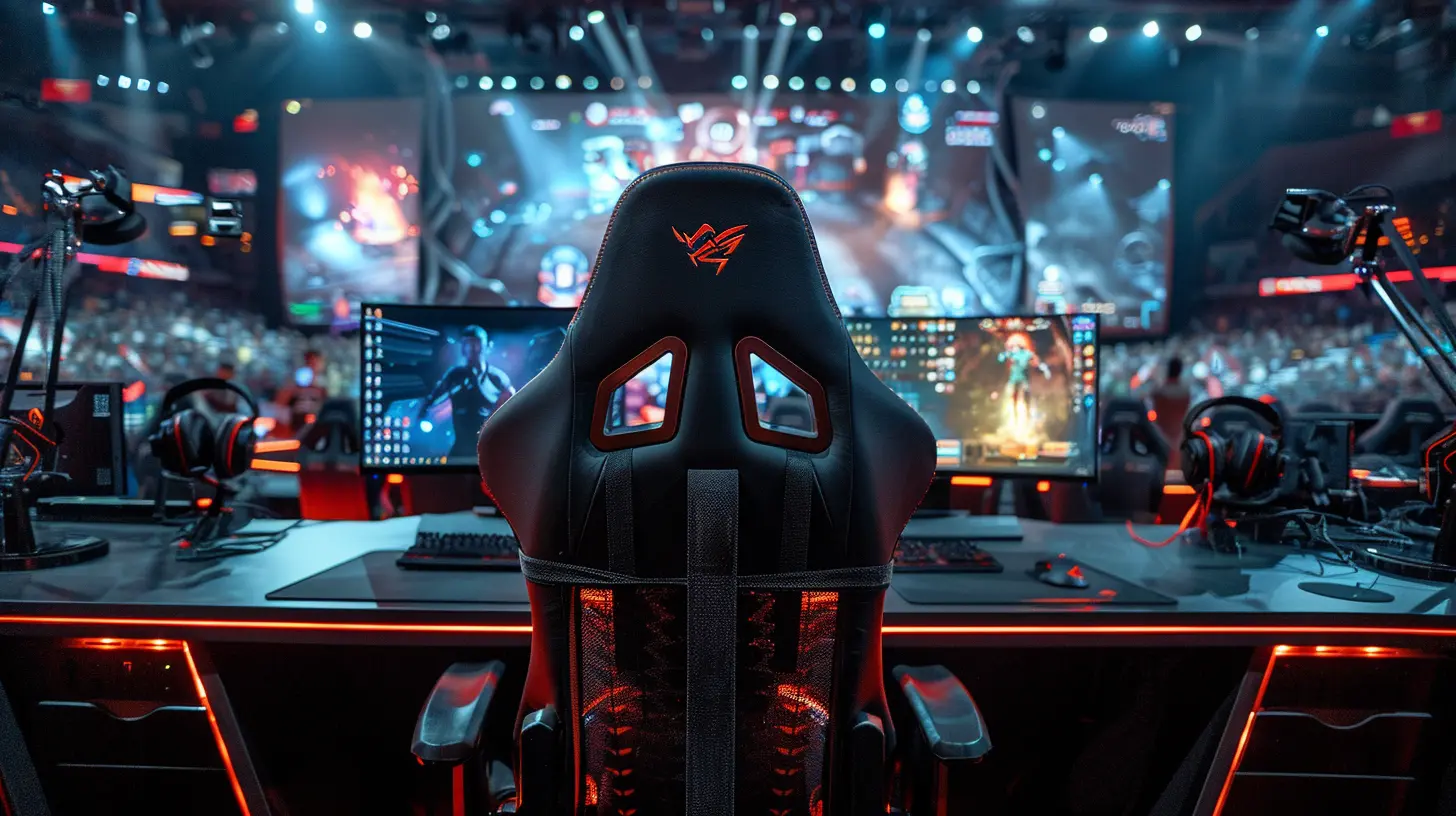
2. Gaming Monitor With High Refresh Rate
Your monitor is more than just a window into the game. It's your battlefield. And if that battlefield has a 60Hz refresh rate with motion blur, you're basically walking in blind.What to Look For:
- Refresh Rate: 144Hz is the baseline for esports. 240Hz+ if you're into ultra-competitive shooters.- Response Time: 1ms or less to eliminate ghosting.
- Low Input Lag: Every microsecond counts.
- Resolution: 1080p is still the sweet spot for high FPS, but 1440p is a good balance if your GPU can handle it.
? Think of your monitor like a sniper scope. Would a blurry, slow scope help your aim? Exactly.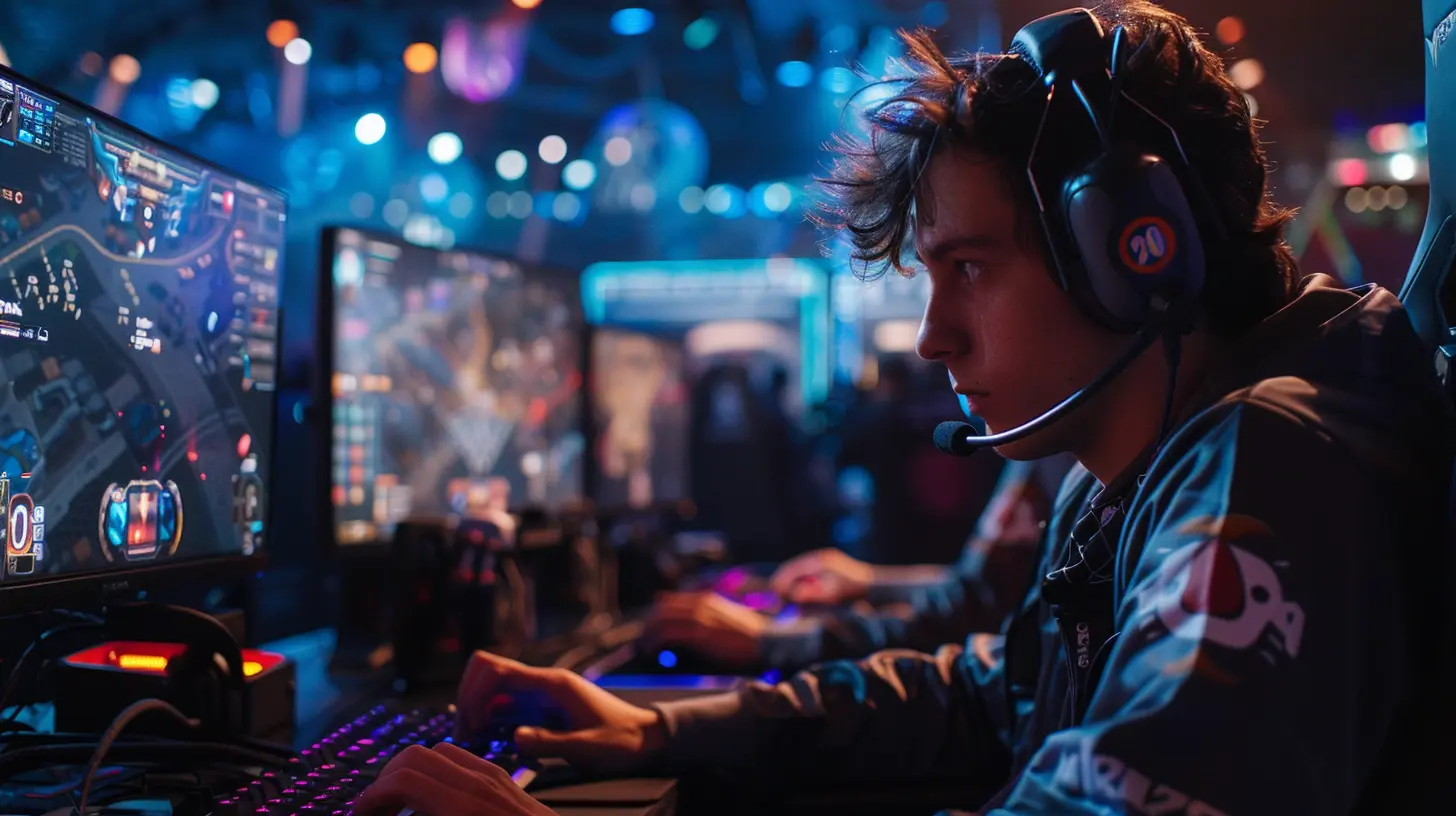
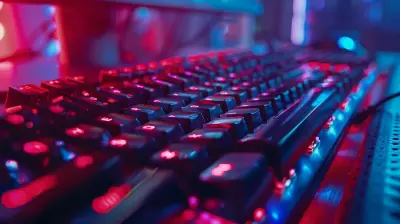
3. Mechanical Gaming Keyboard
There’s just something oh-so-satisfying about a mechanical keyboard. More importantly, it’s faster, more responsive, and reliable. Every keystroke could mean the difference between victory and defeat.What You Need:
- Switch Type: Linear switches (like Cherry MX Red) are preferred for fast-paced gaming.- Anti-Ghosting & N-Key Rollover: So you don’t miss a move, even if you’re mashing five keys at once.
- Compact Layout: TKL (Tenkeyless) or 60% boards free up mouse space for better aim and movement.
? Your keyboard is like your command center—tactile, fast, and always accurate.
4. Precision Gaming Mouse
If your aim sucks, maybe it's not you. Maybe it’s your mouse. Seriously.A gaming mouse is all about precision and customization. You want a device that moves with you, not against you.
Must-Have Features:
- High DPI Sensor: Aim for 16,000 DPI or better (but remember, high DPI doesn’t mean better unless paired with good sensor accuracy).- Polling Rate: 1000Hz for real-time tracking.
- Lightweight Design: Especially for fast-twitch shooters.
- Programmable Buttons: For quick builds, weapon swaps, or macros.
- Ergonomic Fit: Pick a mouse that suits your grip style (palm, claw, or fingertip).
? Think of your mouse like a scalpel. You want precision, control, and comfort.
5. Gaming Headset with Surround Sound
In esports, hearing footsteps or knowing where an ability just popped off can change everything. A good headset won’t just let you hear the action—it helps you sense it.What to Look For:
- 7.1 Virtual Surround Sound: For full spatial awareness.- Noise-Canceling Mic: For crystal-clear comms with your team.
- Comfortable Build: You’ll be wearing this for hours, so lightweight and breathable earcups are a must.
- Wired/Wireless: Wired for zero latency, wireless for convenience—your call.
? In the digital battlefield, sound is your sixth sense. Don’t dull it with cheap buds.
6. Pro-Level Controller (For Console Players)
If you’re playing on console, a standard controller works fine—for casuals. But if you're aiming for esports greatness, it’s time to gear up.Pro Controller Perks:
- Remappable Buttons: Customize controls to your playstyle.- Paddle Buttons: Faster inputs without taking your thumbs off the sticks.
- Trigger Stops: For quicker shots in FPS games.
- Improved Grip: For long sweaty sessions.
? Your controller is your sword. A sharper sword leads to cleaner cuts.
7. Comfortable Gaming Chair
You could have the best gear in the world, but if your back is screaming after 30 minutes, good luck staying in the zone.Must-Have Chair Features:
- Ergonomic Design: Supports your posture and prevents fatigue.- Adjustable Armrests and Height: Tailored fit = better comfort.
- Lumbar and Neck Support: Avoid long-term injuries.
- Durability: Built to survive marathon gaming sessions.
? A good gaming chair isn’t a luxury—it’s an investment in your health and focus.
8. Mouse Pad (Yes, Really)
This one often gets overlooked, but a high-quality mouse pad can seriously boost your aim and consistency.What Makes a Great Mouse Pad:
- Large Surface Area: Never run out of space mid-flick.- Low Friction Surface: Smooth glides = better control and speed.
- Rubber Base: No slipping, no sliding.
- Stitched Edges: To prevent fraying over time.
? It’s the foundation beneath your aiming hand. Don’t skimp on it.
9. Streaming & Recording Gear (Optional but Powerful)
You're not just playing anymore—you’re building a brand. Whether it’s streaming on Twitch, uploading frag highlights to YouTube, or coaching future players, having a streaming setup helps you go pro and build an audience.Starter Pack for Streaming:
- Webcam (1080p or better): Let your fans connect with you.- Microphone (USB or XLR): Clear voice makes your stream professional.
- Capture Card (for consoles): Smooth video feed and HDMI passthrough.
- Lighting: Good lighting boosts video quality big time.
? Esports is part competition, part content. Don’t miss out on the second half.
10. Reliable Internet Connection & Router
Imagine winning a 1v5 clutch and then lagging out during the final kill. Nightmare fuel, right?Essentials for Stability:
- Wired Ethernet Connection: Always better than Wi-Fi.- Fiber or High-Speed Internet Plan: At least 100 Mbps (preferably higher).
- Gaming Router: With QoS to prioritize your device.
- Ping Monitoring Tools: Stay ahead of lag issues.
? In esports, milliseconds matter. Lag is the silent killer of champions.
Final Thoughts: Gear Up—Then Show Up
Let’s be clear—you can’t buy skill. But you can absolutely invest in gear that lets your skill shine. The right setup won’t magically turn you into a pro overnight, but it removes the obstacles between you and your potential.So whether you're grinding solo queue or entering your first tournament, make sure your gear is helping—not hurting—you.
Own your setup. Prepare like a pro. And game like a champion.
Because if you’re dreaming of the esports stage, it’s time to start playing the part—gear and all.
Frequently Asked Questions
Q: Do I need to buy all this gear to start competing?
A: Not at all! Start with the essentials—like a solid PC or console, a good mouse or controller, and a decent headset. Build up as you go.Q: Are gaming chairs really worth it?
A: Absolutely. You’ll thank yourself after long sessions. It’s worth the comfort and long-term posture support.Q: Wireless or wired—what’s better?
A: Wired is generally more reliable and low-latency for competitive play. But high-end wireless gear is catching up and can be just as good.all images in this post were generated using AI tools
Category:
EsportsAuthor:

Michael Robinson
Discussion
rate this article
1 comments
Octavia Franklin
Ready to level up your game? Gear up like a pro, but remember: a fancy mouse won't help if you still rage-quit after one bad match...
May 31, 2026 at 3:13 AM
Michael Robinson
Great point! Skill matters most, but the right gear can definitely give you an edge. Keep practicing!