Portable Power Banks for Long Travel Days
10 July 2026
Traveling can be an exhilarating experience, but nothing is more frustrating than your phone dying right when you need navigation, entertainment, or to capture a perfect moment. Whether you're on a long flight, a cross-country road trip, or exploring remote areas, a portable power bank is a game-changer.
In this guide, we'll break down everything you need to know about choosing the best power bank for those never-ending travel days. From battery capacity to charging speed, portability, and safety features, we've got you covered.
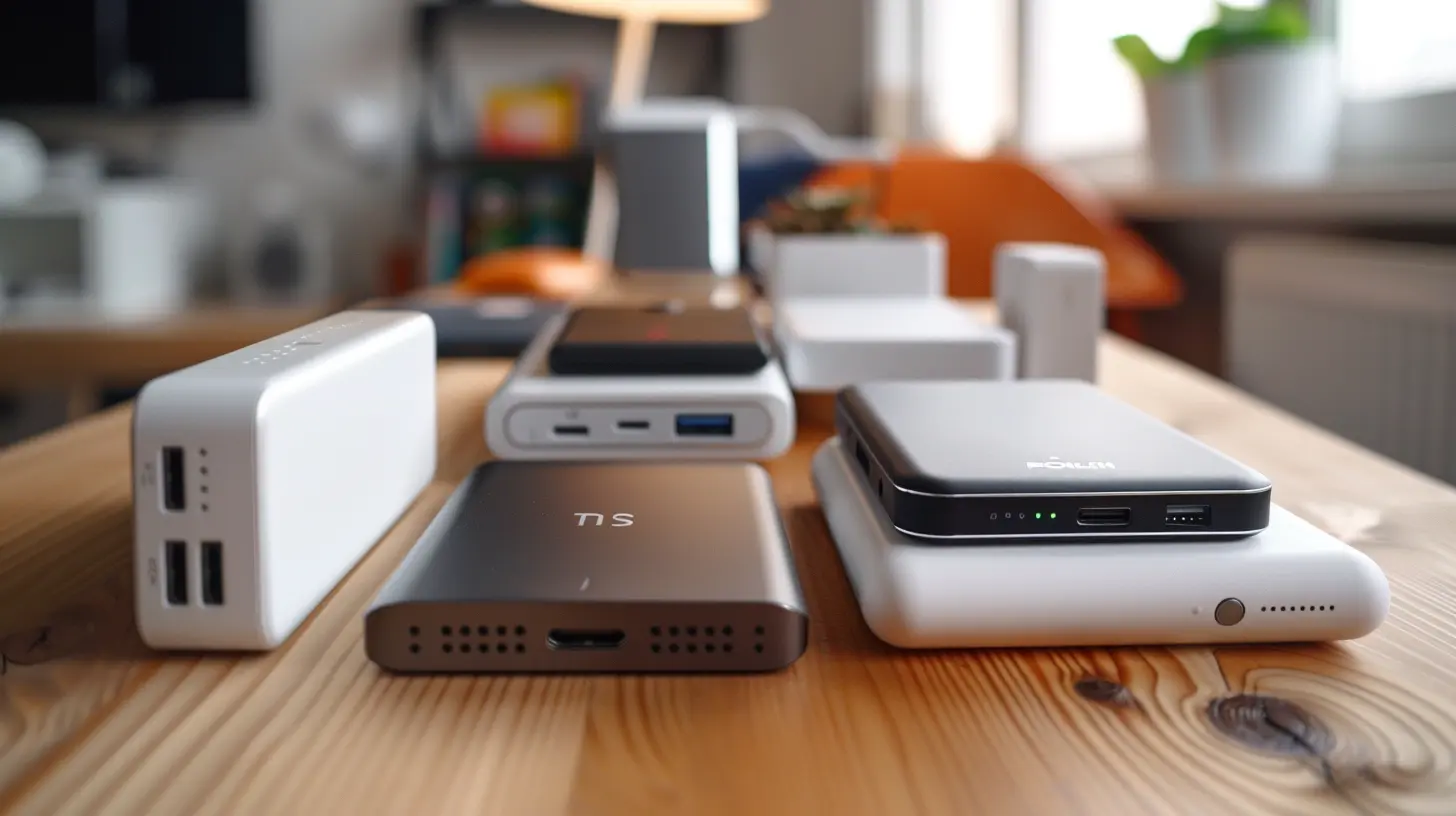
Why You Need a Power Bank for Travel
Let's be real—our lives revolve around our devices. From smartphones and tablets to Bluetooth earbuds and cameras, everything runs on battery power.Imagine this: You're deep in an unfamiliar city, relying on Google Maps to navigate, but just as you’re about to reach your destination—bam!—your phone dies. No maps, no translator, no emergency contacts. Nightmare, right?
That’s where a power bank comes in. A reliable power bank ensures you stay connected, entertained, and safe during your travels.
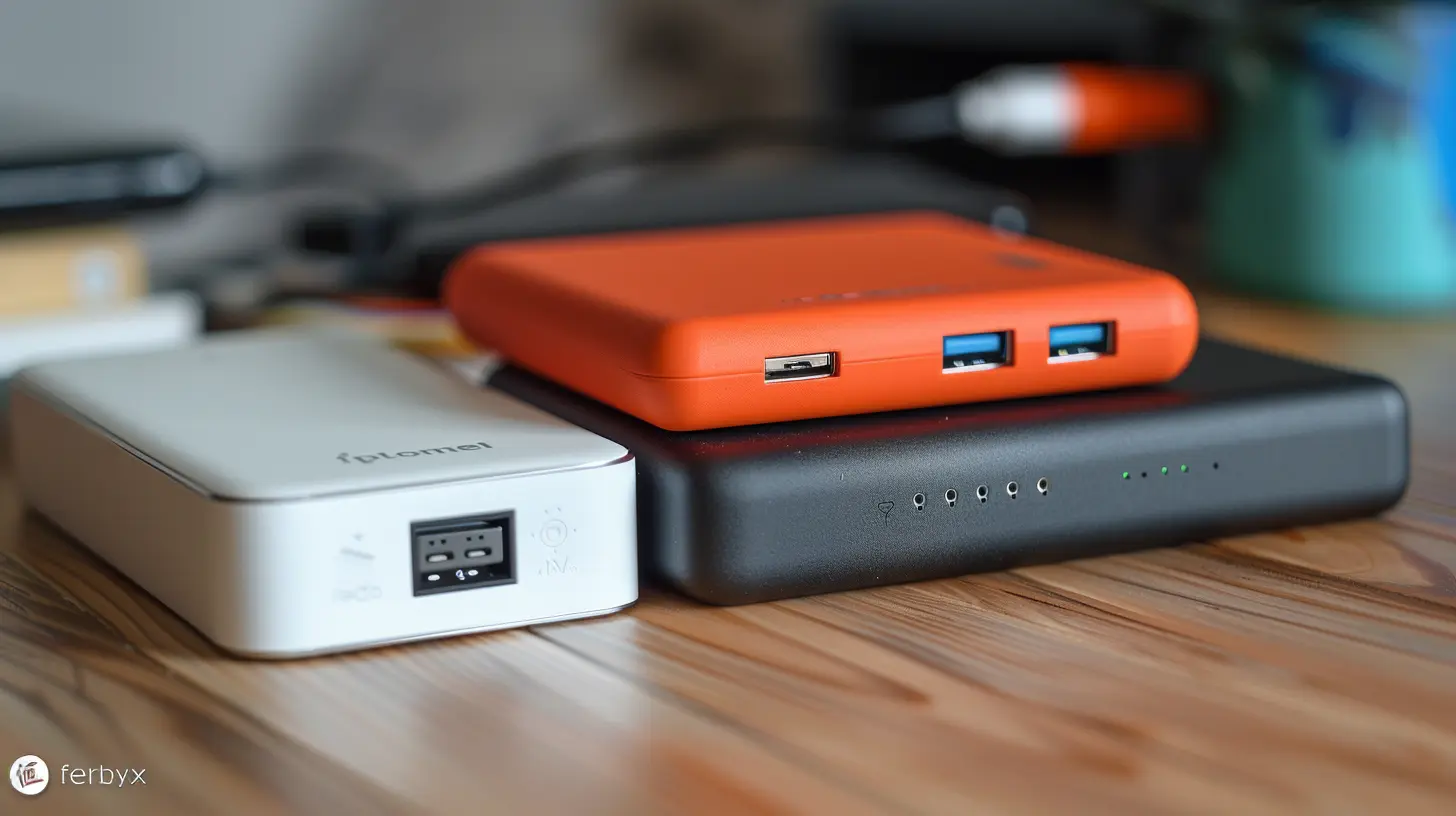
What to Look for in a Travel Power Bank
Not all power banks are created equal. If you're planning to carry one on long travel days, here are the key factors to consider:1. Battery Capacity (mAh)
The battery capacity of a power bank is measured in milliamp-hours (mAh). The higher the mAh, the more charge it can store. Here’s a quick breakdown:- 5,000mAh – 10,000mAh: Good for topping up your phone once or twice. Ideal for short trips.
- 10,000mAh – 20,000mAh: Can charge your phone multiple times and often includes multiple USB ports.
- 20,000mAh+: Best for long-haul travel, backpacking, or charging multiple devices like tablets and cameras.
If you're traveling for extended periods without easy access to charging points, aim for at least 20,000mAh.
2. Size & Weight
When you're on the go, every ounce matters. Larger capacity power banks tend to be bulkier, so you’ll need to balance power with portability.- Small (5,000mAh – 10,000mAh): Fits in your pocket
- Medium (10,000mAh – 20,000mAh): Fits in a small bag
- Large (20,000mAh+): Ideal for backpacks
If you're hiking all day or flying long distances, a large power bank may be worth the extra weight.
3. Charging Speed & Output Ports
Fast charging is a lifesaver when you’re in a hurry. Look for power banks that support Quick Charge (QC) 3.0 or USB Power Delivery (PD) for faster output.Also, consider the number of ports. Need to charge your phone and a travel buddy's device at the same time? Get a power bank with at least two USB ports or a USB-C port for versatile charging.
4. Type of Ports
Power banks come with different input and output ports, and the right selection can make a big difference:- USB-A: Common but slower charging
- USB-C: Faster and often supports both input and output
- Micro-USB: Older technology, slower charging
- Wireless Charging: Offers cable-free convenience but may be slower
A USB-C power bank is the best bet for modern travelers, ensuring compatibility with most devices.
5. Airline Restrictions
If you're flying, be aware that airlines have restrictions on power banks. Most allow up to 100Wh (Watt-hours) in carry-on luggage. To calculate a power bank’s Wh:Watt-hours (Wh) = (mAh × Voltage) ÷ 1000
For example, a 20,000mAh power bank at 3.7V is about 74Wh, which is within airline limits. Always check before flying, as some airlines may have stricter rules.
6. Durability & Safety Features
Travel isn’t always smooth sailing—your power bank might get dropped, overheated, or exposed to extreme conditions.Look for the following safety features:
- Overcharge protection: Prevents your devices from overcharging
- Short-circuit protection: Avoids potential electrical issues
- Temperature control: Prevents overheating
- Water & dust resistance: Perfect for adventure travelers
A rugged power bank can handle rough conditions, making it great for camping and outdoor adventures.
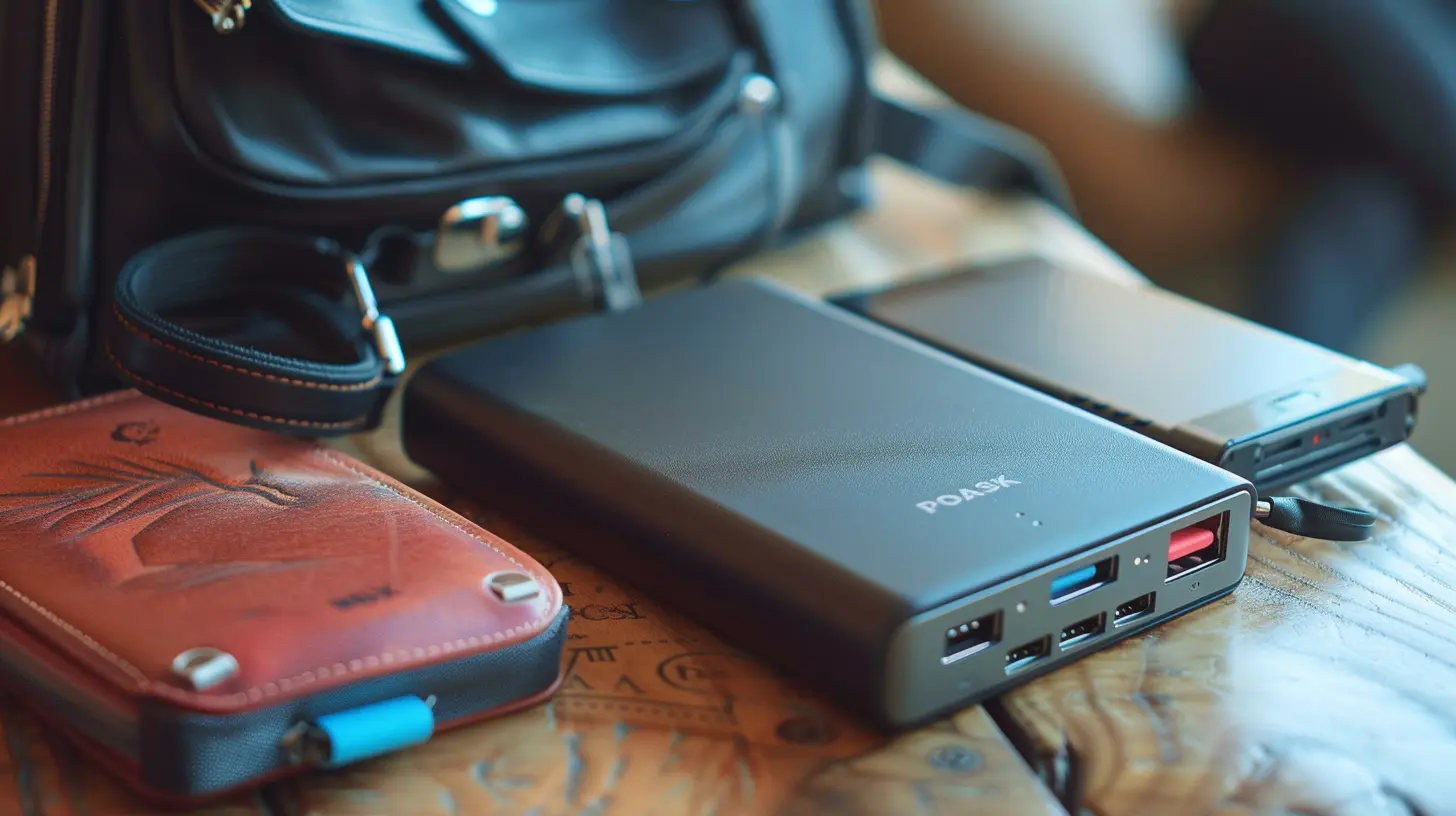
Best Power Banks for Long Travel Days
Here are some tried-and-tested power banks that travelers swear by:? Anker PowerCore 20100
- Capacity: 20,100mAh- Ports: 2x USB-A
- Charging Speed: Fast charging with PowerIQ
- Best For: Those wanting a lightweight, high-capacity option
? RAVPower 26,800mAh PD
- Capacity: 26,800mAh- Ports: USB-C + USB-A
- Charging Speed: USB-C Power Delivery (PD) for fast charging
- Best For: Heavy travelers who need to charge multiple devices
? Zendure SuperTank Pro
- Capacity: 26,800mAh- Ports: 4x USB-C
- Charging Speed: 100W PD for laptops and other large devices
- Best For: Digital nomads who need to power laptops and other high-drain gadgets
Pro Tips for Using Your Power Bank Efficiently
Now that you've got your power bank, here are some hacks to ensure you get the most out of it:✅ Charge It Before You Need It
Power banks take time to recharge, so always top it up before heading out.✅ Use the Right Cable
A high-speed cable can make a big difference in charging times. Cheap cables may slow down charging.✅ Turn on Airplane Mode
If you're just charging your device to extend battery life, switching to airplane mode reduces power drain.✅ Store It Properly
Avoid leaving it in extreme temperatures (like a car parked in the sun), as heat and cold can degrade the battery.✅ Check the Battery Level
Most power banks have LED indicators—get in the habit of checking it before leaving your hotel or campsite.Final Thoughts
A portable power bank is an essential companion for any traveler. Whether you're navigating a new city, trekking through the wilderness, or enduring long flights, staying powered up keeps you connected and safe.Choosing the right power bank boils down to capacity, charging speed, portability, and safety features. If you're a frequent traveler, investing in a high-quality power bank is worth every penny.
So, before your next big adventure, get yourself a trusty power bank—you'll thank yourself when your phone still has juice after a long day of exploring!
all images in this post were generated using AI tools
Category:
Travel GadgetsAuthor:

Michael Robinson