Power Up: Best Travel Chargers and Adapters for Global Adventures
29 June 2026
Traveling is exciting, but nothing kills the vibe faster than your phone dying in the middle of an adventure. Whether you're navigating an unfamiliar city, translating a foreign menu, or capturing breathtaking landscapes, a dependable travel charger and adapter is a must.
With different plug types and voltage standards worldwide, picking the right gear can be confusing. No worries—I’ve got you covered! Let’s break down the best travel chargers and adapters so you can stay powered up wherever you go. 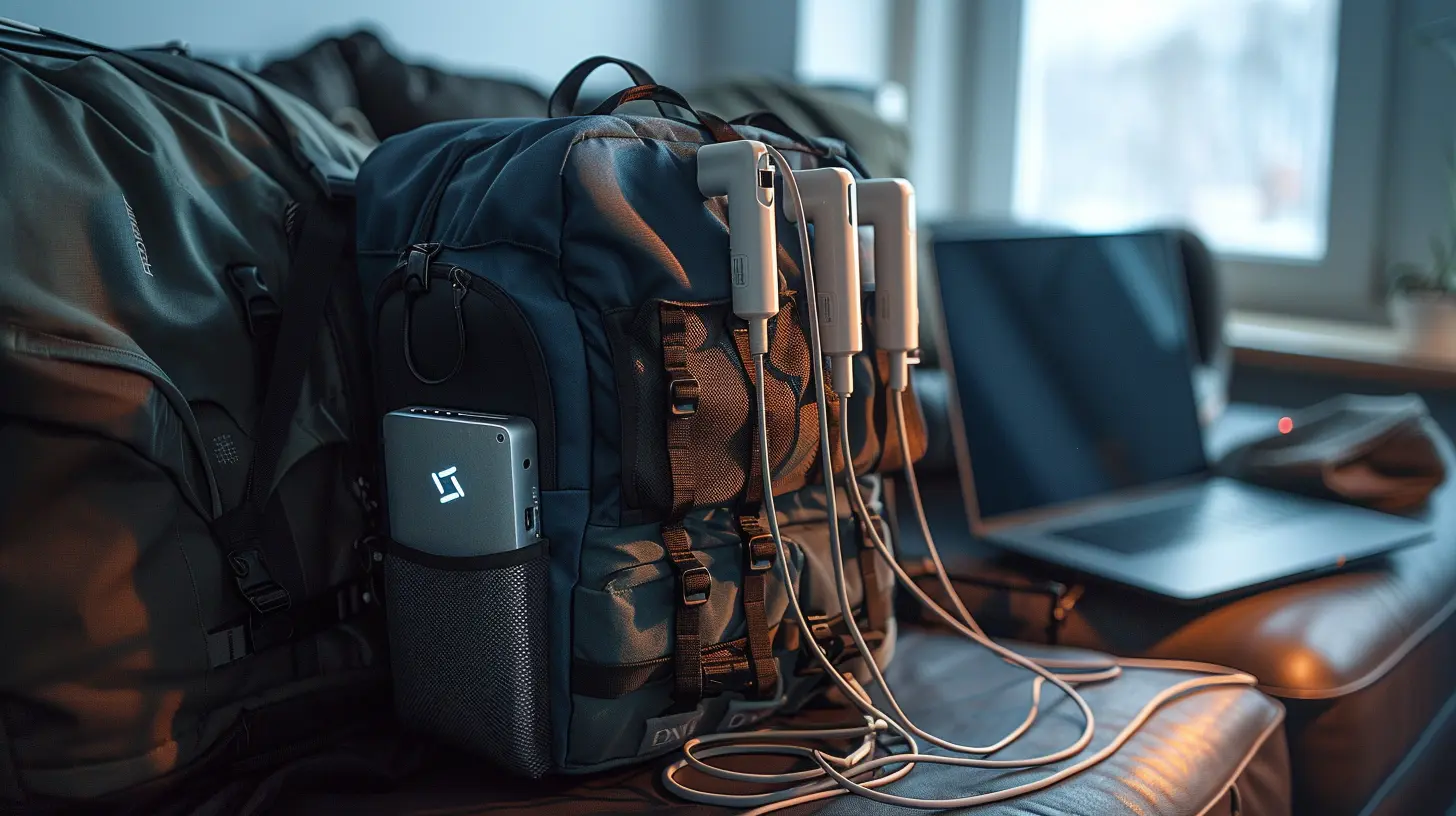
Why You Need a Travel Charger and Adapter
Before we dive into the best options, let’s clear up a common confusion: chargers vs. adapters.- Chargers: These provide power to your devices through USB, USB-C, or proprietary cables.
- Adapters: These allow you to plug your charger into foreign outlets by converting the plug shape.
- Voltage Converters: Some devices need a converter to handle different voltage levels (e.g., 110V in the U.S. vs. 220V in Europe).
If your gadgets support dual-voltage (which many modern devices do), you won’t need a voltage converter—just a good adapter! 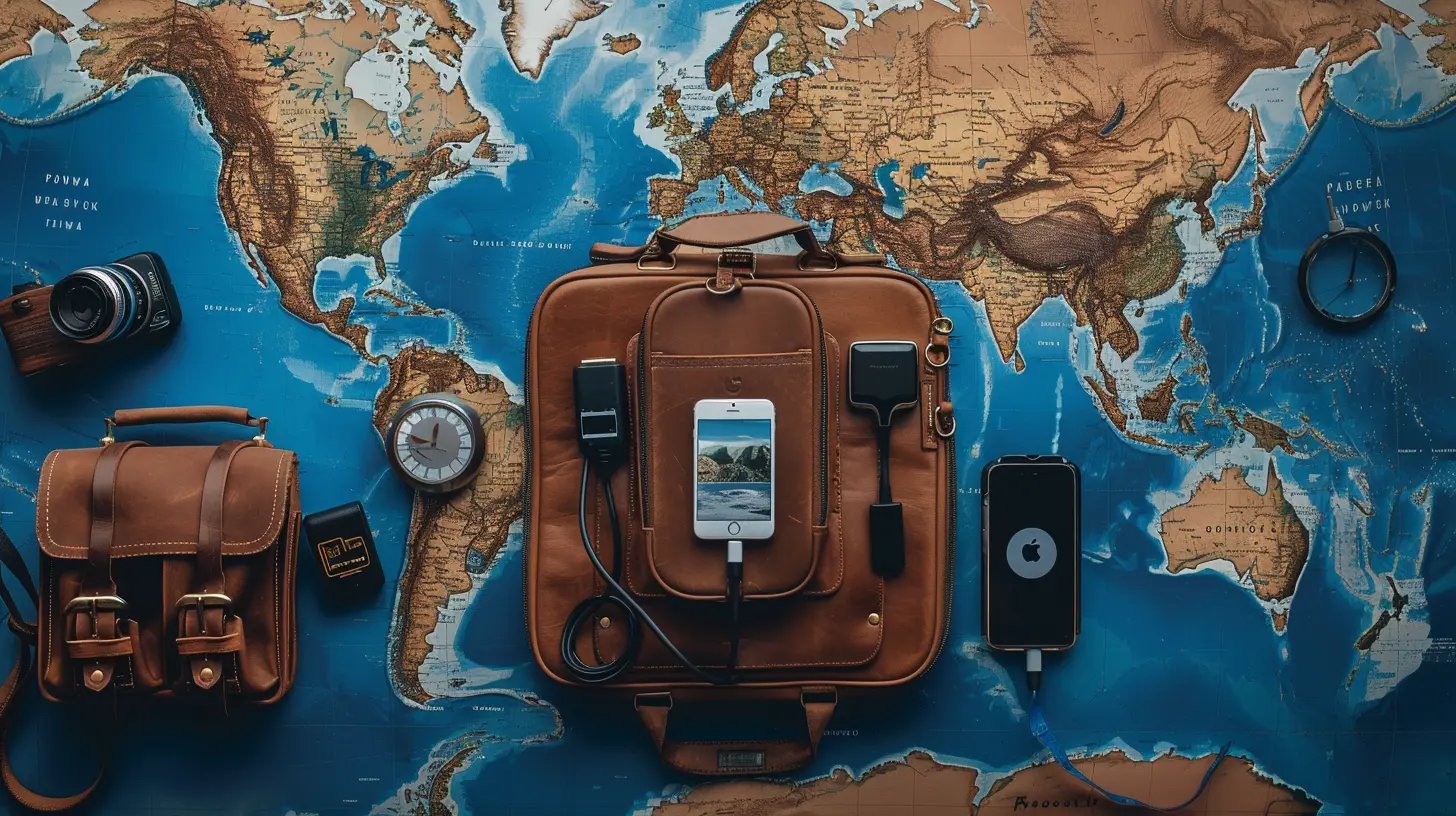
Key Features to Look for in a Travel Charger
Not all chargers are created equal. Here’s what you should consider before making a purchase:✔ Universal Compatibility – Can it charge multiple devices at once? Does it work with USB-C, USB-A, and proprietary cables?
✔ Fast Charging Support – Look for chargers with Power Delivery (PD) or Quick Charge (QC) for rapid recharging.
✔ Compact & Lightweight – Nobody wants to lug around bulky tech. A pocket-sized charger is ideal for travel.
✔ Built-in Safety Features – Overcurrent protection, surge protection, and temperature control are all essential for safe charging.
✔ Durability – You don’t want something that breaks after one trip. Look for sturdy designs with quality materials. 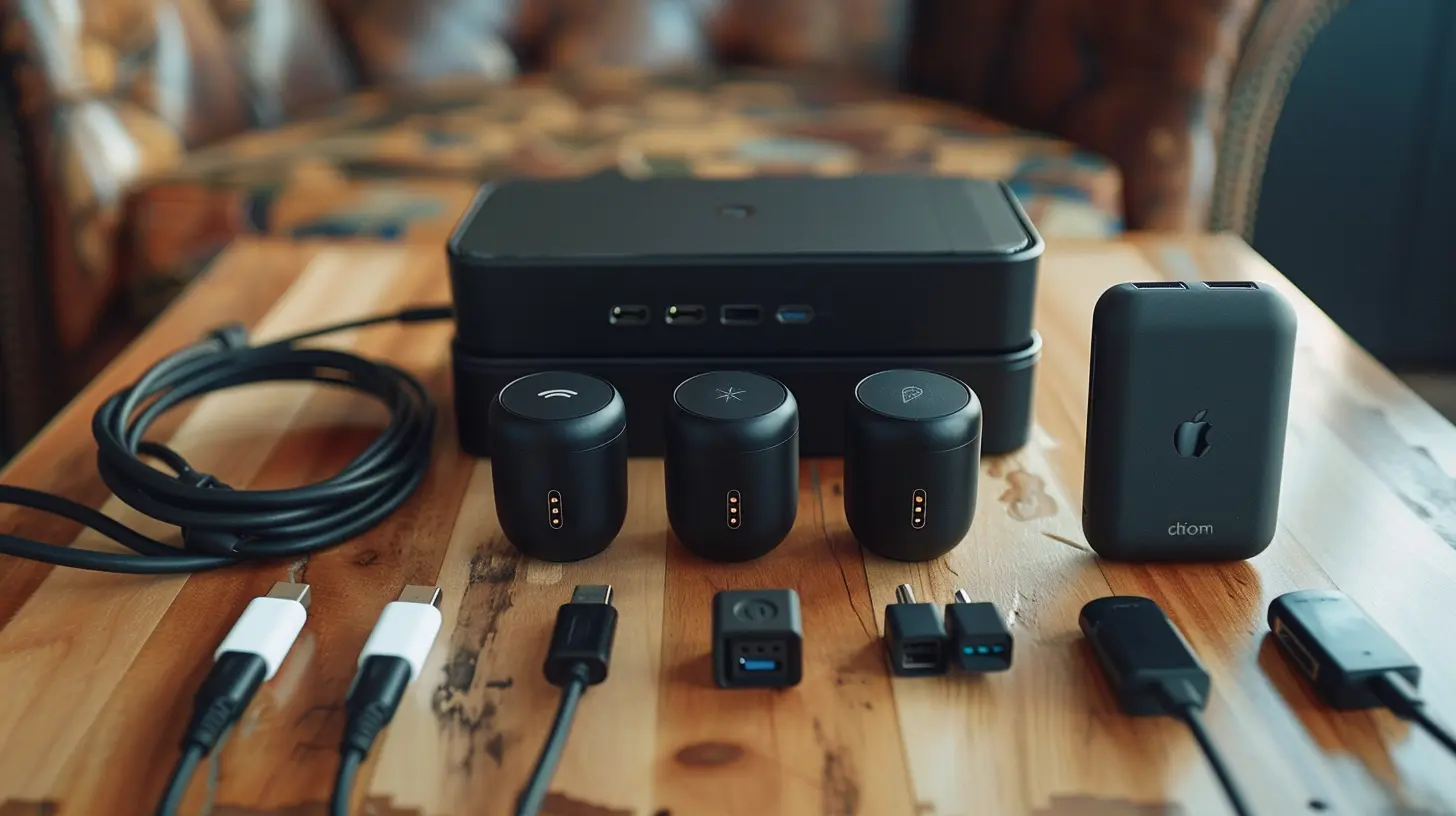
Best Travel Chargers for Keeping Devices Powered
? 1. Anker 735 Nano II 65W Charger
If you're looking for a charger that’s compact but powerful, the Anker 735 Nano II ticks all the boxes. It supports 65W fast charging, meaning it can juice up your phone, tablet, or even a laptop.✔ Pros:
- Ultra-compact design
- Supports USB-C PD
- Charges up to three devices simultaneously
✖ Cons:
- No built-in adapter for international travel (you’ll need a separate adapter)
⚡ 2. RAVPower 61W USB-C Charger
For those who need a reliable USB-C charger that won’t heat up like a toaster, RAVPower’s 61W charger is a solid pick. It’s GaN-powered, so it’s smaller and more efficient than traditional chargers.✔ Pros:
- Fast-charging for laptops and smartphones
- Durable and well-built
- Compact design
✖ Cons:
- Only one USB-C port
⚡ 3. Nekteck 100W USB-C Charger
For power users who need to charge a laptop, phone, and other gadgets at the same time, the Nekteck 100W charger is a beast.✔ Pros:
- Supports 100W fast charging
- Great for MacBooks and USB-C laptops
- High-efficiency GaN technology
✖ Cons:
- Can be bulky for minimalists 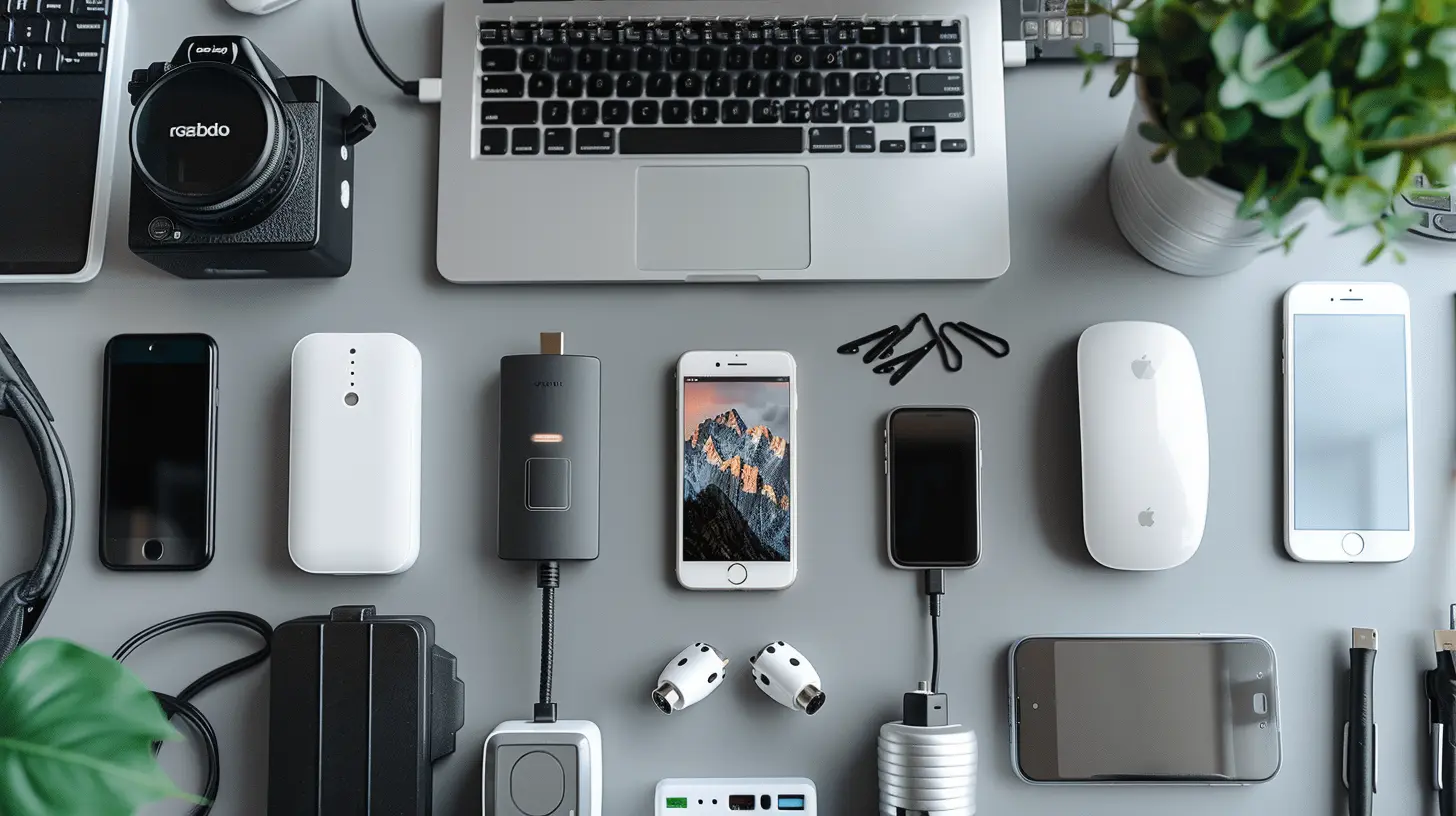
Best Travel Adapters for Global Use
Now that your charger is sorted, let’s talk about travel adapters. These are lifesavers when you’re hopping between countries with different plug types.? 1. Epicka Universal Travel Adapter
This all-in-one adapter works in over 150 countries and comes with multiple USB ports, making it an excellent choice for any traveler.✔ Pros:
- Works in most regions (EU, UK, US, AU)
- 4 USB-A ports + 1 USB-C
- Built-in fuse for safety
✖ Cons:
- Doesn’t convert voltage (for high-powered devices like hair dryers)
? 2. BESTEK Universal Travel Adapter & Converter
If you need both an adapter and a voltage converter, then BESTEK’s universal adapter is a fantastic option. It converts 220V down to 110V, making it perfect for American travelers heading overseas.✔ Pros:
- Converts voltage (ideal for hair straighteners, CPAP machines, and shavers)
- 4 USB ports
- Works in 150+ countries
✖ Cons:
- Bulkier than standard adapters
- Limited to 200W devices
? 3. Ceptics World Travel Adapter Kit
For those who prefer individual adapters over an all-in-one unit, the Ceptics travel adapter kit is worth considering. This set includes plug types for almost every country, ensuring you’re never caught off guard.✔ Pros:
- Compact and lightweight
- Works in 200+ countries
- USB ports for extra convenience
✖ Cons:
- No built-in voltage converter
Pro Tips for Charging Devices While Traveling
Now that you’ve got the best gear, here are some smart charging tips to keep your devices powered up stress-free:? Carry a power bank – Sometimes there’s no outlet in sight, so a portable charger can save the day.
? Check voltage compatibility – If your device isn’t dual-voltage, plug it into a converter before using it abroad.
? Use surge protectors – Some countries have unreliable power grids, and a surge protector can prevent device damage.
? Download offline maps – Just in case your phone dies, having Google Maps downloaded can stop you from wandering aimlessly.
Final Thoughts
A good travel charger and adapter can make a massive difference in your trip. Whether you're backpacking through Europe, exploring Asian markets, or chilling on a tropical island, staying connected is essential.If you need a powerful charger, go with the Anker 735 Nano II or Nekteck 100W. For universal adapters, you can’t go wrong with the Epicka Universal Adapter or BESTEK’s Adapter & Converter.
Wherever your journey takes you, stay powered up and ready for adventure!
all images in this post were generated using AI tools
Category:
Travel GadgetsAuthor:

Michael Robinson
Discussion
rate this article
1 comments
Yolanda McGillivray
Great article! In today's tech-driven world, a reliable travel charger is essential for staying connected no matter where your adventures take you. It's interesting to see how these gadgets have evolved to meet our needs. Thanks for sharing your insights and helping us power up for our trips ahead!
June 30, 2026 at 4:15 AM
Michael Robinson
Thanks for your thoughts! I'm glad you found the article helpful. Staying charged on the go is definitely crucial for modern adventures. Safe travels!