Renewable Energy in Space: Solar Power for Satellites and Beyond
6 January 2026
Ever looked up at the sky and wondered how satellites stay powered while orbiting Earth? They don’t have extension cords running back to the ground. Instead, they harness a never-ending supply of energy from the sun. Solar power isn't just crucial for satellites; it could be the key to sustaining human life beyond Earth.
In this article, we’ll dive deep into how solar energy is used in space, its benefits, challenges, and the exciting potential for space-based solar power stations. Buckle up—it’s going to be electrifying! 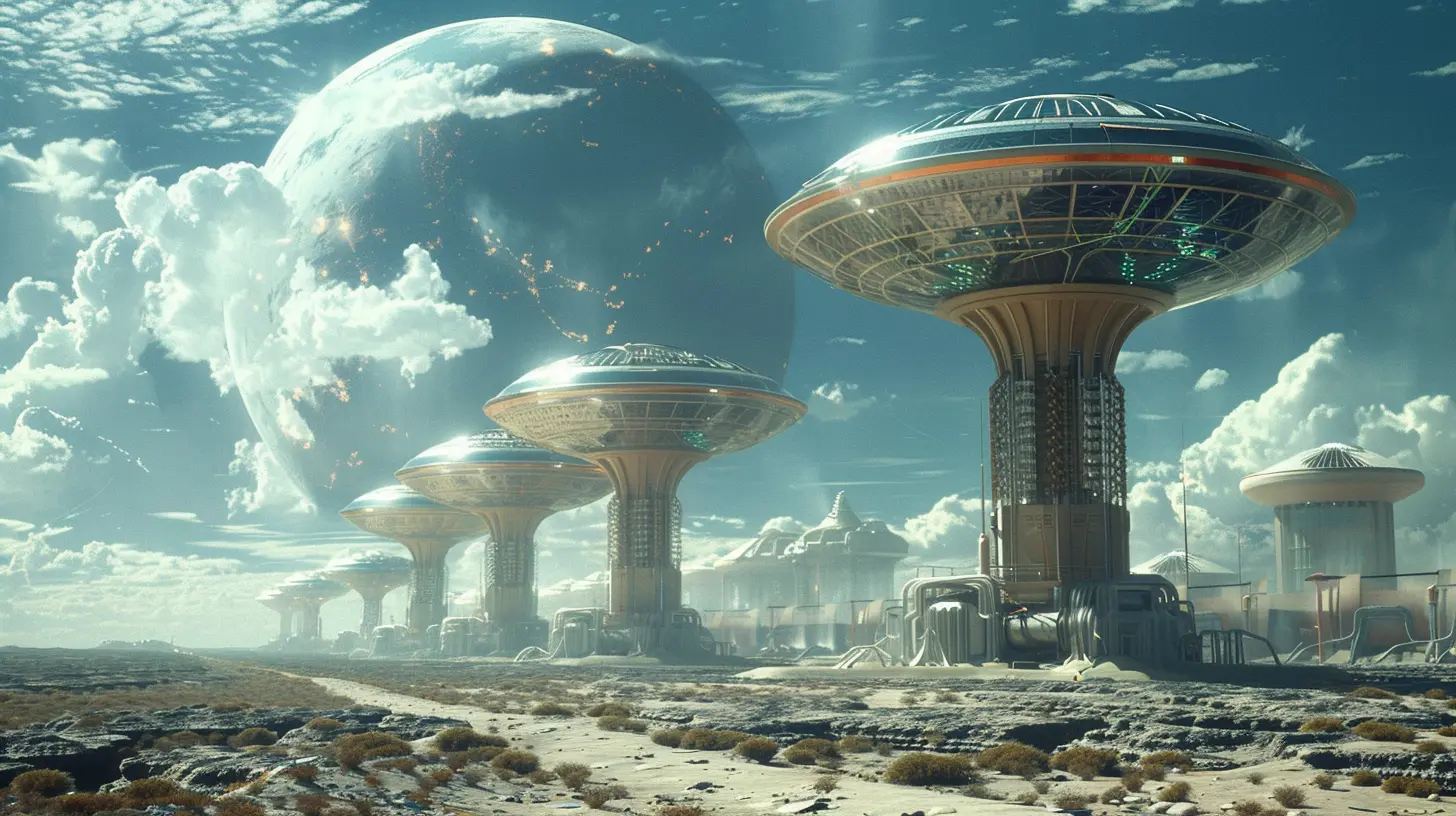
🌞 Why Solar Power? The Best Energy Source for Space
Space is the perfect place for solar power. Why? Because there’s no atmosphere to block sunlight, no cloudy days, and no nighttime interruptions. Unlike Earth-based solar farms, which deal with weather variability and limited daylight, space-based solar panels can soak up uninterrupted sunlight nearly 24/7.The Power of the Sun in Space
The amount of solar energy available in space is about 1.3 times more powerful than what reaches Earth's surface. That’s because our atmosphere absorbs and reflects some sunlight before it reaches the ground. Without that interference, solar panels in space can function at peak efficiency.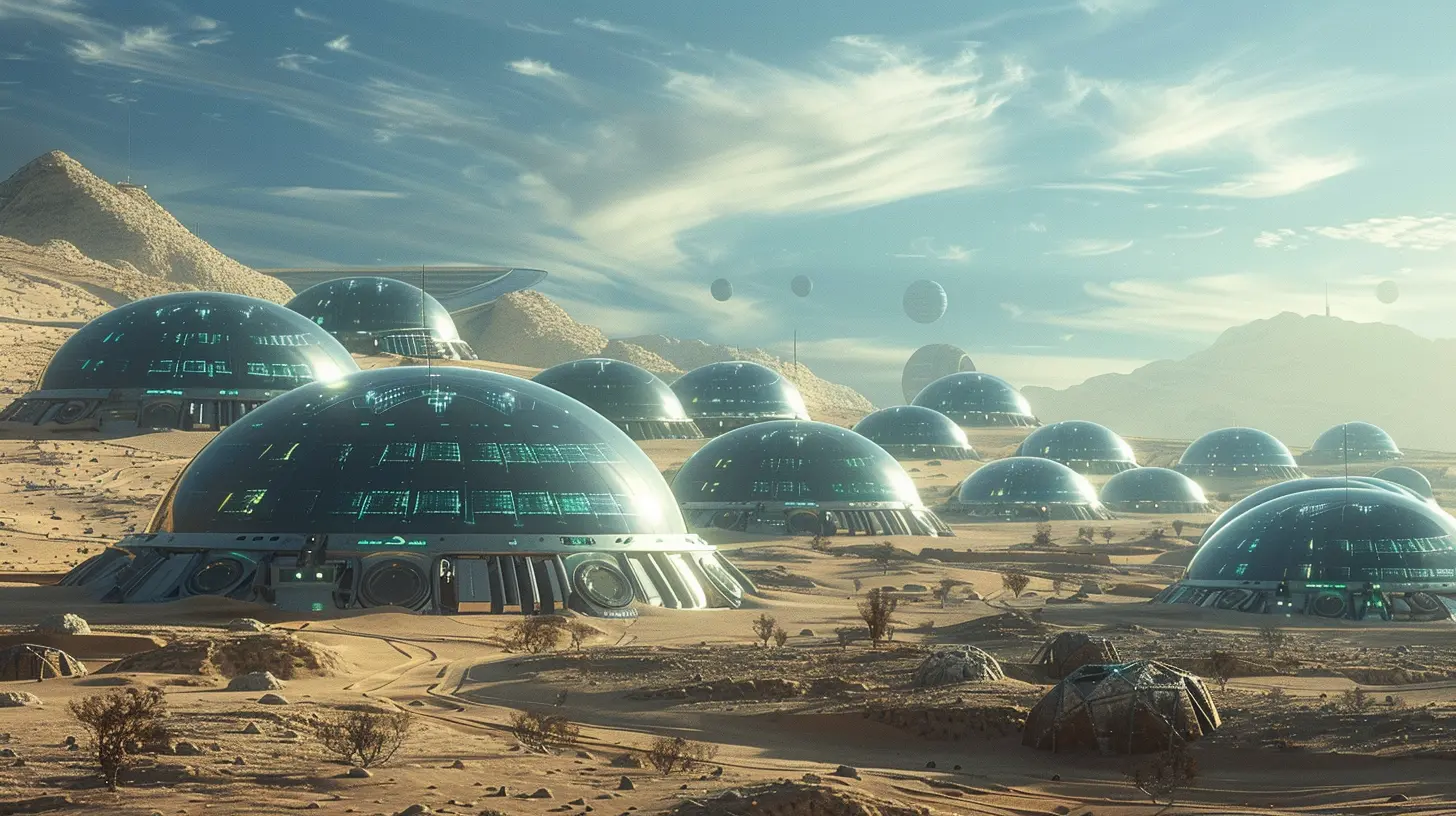
🛰 Solar Power for Satellites: The Backbone of Space Operations
Satellites, whether they are used for communication, navigation, weather monitoring, or research, rely on solar power to keep running. Without a constant energy source, these high-tech machines would be nothing more than floating space junk.How Satellites Use Solar Energy
Satellites are equipped with photovoltaic solar panels, similar to those used on Earth but specially designed for the harsh conditions of space. These panels absorb sunlight and convert it into electricity, which powers the satellite’s systems, including:- Communication equipment 📡
- Scientific instruments 🔬
- Propulsion and orientation systems 🚀
- Onboard computers 🖥
Most satellites also have batteries that store excess energy for periods when they might not receive direct sunlight (like during an eclipse).
What Happens When Solar Panels Degrade?
Just like anything exposed to constant radiation, solar panels in space degrade over time. High-energy particles from the sun (solar radiation) and cosmic rays gradually reduce their efficiency. This is why engineers continuously improve panel technology, making them lighter, more durable, and more efficient.
🏗 Solar Power Beyond Satellites: A Game-Changer for Space Exploration
The true potential of space solar power goes way beyond satellites. As humanity looks toward colonizing the Moon and Mars, we need a sustainable way to generate energy.Solar Energy for the Moon & Mars
NASA and private space companies like SpaceX are exploring ways to power bases on the Moon and Mars using solar energy. Since carrying fuel from Earth would be costly and impractical, solar power is the most logical choice.🔹 Moon Challenges
- The Moon has long nights (up to 14 Earth days in some regions). Stored solar energy in batteries or alternative energy sources will be necessary.- Dust storms can cover solar panels, reducing efficiency (similar to a problem faced on Mars).
🔹 Mars Challenges
- While Mars gets less sunlight than Earth (about 43% as much), solar power is still a viable option.- The red planet’s dust storms can sometimes block sunlight for weeks, posing a serious challenge.
- A combination of solar and nuclear energy may be needed for long-duration missions.

🚀 Space-Based Solar Power (SBSP): The Ultimate Energy Revolution
What if we could not only power satellites and space stations but also beam solar energy back to Earth? That’s the big idea behind Space-Based Solar Power (SBSP).How Would SBSP Work?
Imagine massive solar farms floating in orbit, constantly collecting sunlight and converting it into energy. Instead of storing energy in batteries, these stations would wirelessly beam the electricity down to Earth using microwave or laser transmission.Once received, ground stations on Earth would convert the energy into usable electricity and distribute it through the power grid.
Advantages of SBSP
Why invest in SBSP instead of just expanding solar farms on Earth? Here are some major benefits:- 24/7 solar energy – No clouds, no night, no interruptions.
- More energy capture – No atmospheric interference means more power generation.
- Less land use – No need for large solar farms that occupy valuable land.
Challenges of SBSP
Of course, SBSP isn’t without its hurdles. Some key challenges include:- High launch costs – Sending massive solar stations into orbit requires a lot of energy and money.
- Energy transmission losses – Wireless energy transfer, especially through the atmosphere, isn’t 100% efficient.
- Space debris risk – Large structures in orbit could be vulnerable to space debris impact.
Despite these challenges, multiple space agencies and private companies (including NASA, China’s space agency, and Japan’s JAXA) are actively researching SBSP. With technology advancing rapidly, we could see operational space-based solar power plants within a few decades.
🌍 Could Space-Based Solar Power Solve Earth’s Energy Crisis?
With the world shifting toward renewable energy, space-based solar could play a crucial role in reducing dependence on fossil fuels and cutting carbon emissions. Imagine a future where space-powered energy farms supply clean electricity to power cities, industries, and transportation.SBSP vs. Traditional Solar Power
| Feature | Space-Based Solar | Earth-Based Solar ||---------|-----------------|----------------|
| Sunlight Availability | 24/7 | Limited by day/night cycles and weather |
| Energy Efficiency | Higher (no atmosphere interference) | Lower (due to atmospheric absorption) |
| Space Requirement | No Earth land use | Requires large land areas |
| Infrastructure Cost | Very high, but decreasing | Moderate |
While SBSP won’t replace traditional solar energy anytime soon, it has the potential to complement Earth-based renewables by providing reliable, round-the-clock power.
🔮 The Future of Solar Energy in Space
The possibilities of solar energy in space go beyond just keeping satellites running. In the coming decades, we could see:- Solar-powered Moon and Mars colonies 🏡
- Large-scale space farms supplying electricity to Earth 🌍
- Advanced solar technologies redefining energy efficiency ⚡
As space agencies and private companies continue pushing the boundaries of what’s possible, solar power will remain the cornerstone of space exploration and energy sustainability.
One thing’s for sure: The future of space energy is looking brighter than ever.
all images in this post were generated using AI tools
Category:
Renewable EnergyAuthor:

Michael Robinson
Discussion
rate this article
2 comments
Raelyn McGlynn
Great insights! Harnessing solar power for satellites is a game-changer for sustainable space exploration. Excited to see future advancements!
February 5, 2026 at 4:47 AM
Michael Robinson
Thank you! I'm glad you found the insights valuable. Exciting times ahead for sustainable space exploration!
Kai Robinson
Harnessing solar power in space transforms satellite operations and interplanetary exploration. By utilizing abundant solar energy, we can achieve sustainable advancements in technology, reduce reliance on Earth-based resources, and pave the way for future space colonization.
January 7, 2026 at 4:33 AM
Michael Robinson
Thank you for your insightful comment! Indeed, harnessing solar power in space offers groundbreaking opportunities for sustainable technology and deepens our potential for future exploration and colonization.