Sustainable Data Centers: How Green Technology is Reducing Server Energy Use
8 January 2026
Let's be honest—when you think of saving the planet, your mind probably jumps to recycling, ditching plastic straws, and maybe hugging the occasional tree. But have you ever stopped to think about your online binge-watching habits or those late-night Google spirals into conspiracy theories and cat memes? Spoiler alert: the internet isn’t as “cloudy” and eco-friendly as it looks.
Every Google search, binge-watch session, and “just one more episode” moment is powered by data centers—giant, humming server farms with the power needs of a small country. But fret not, my eco-conscious friend, because data centers are starting to wear their green capes and tackle their carbon guilt.
Welcome to the world of sustainable data centers. It's a space where high-tech meets high-efficiency, and where reducing server energy use is not just a goal—it’s a mission.
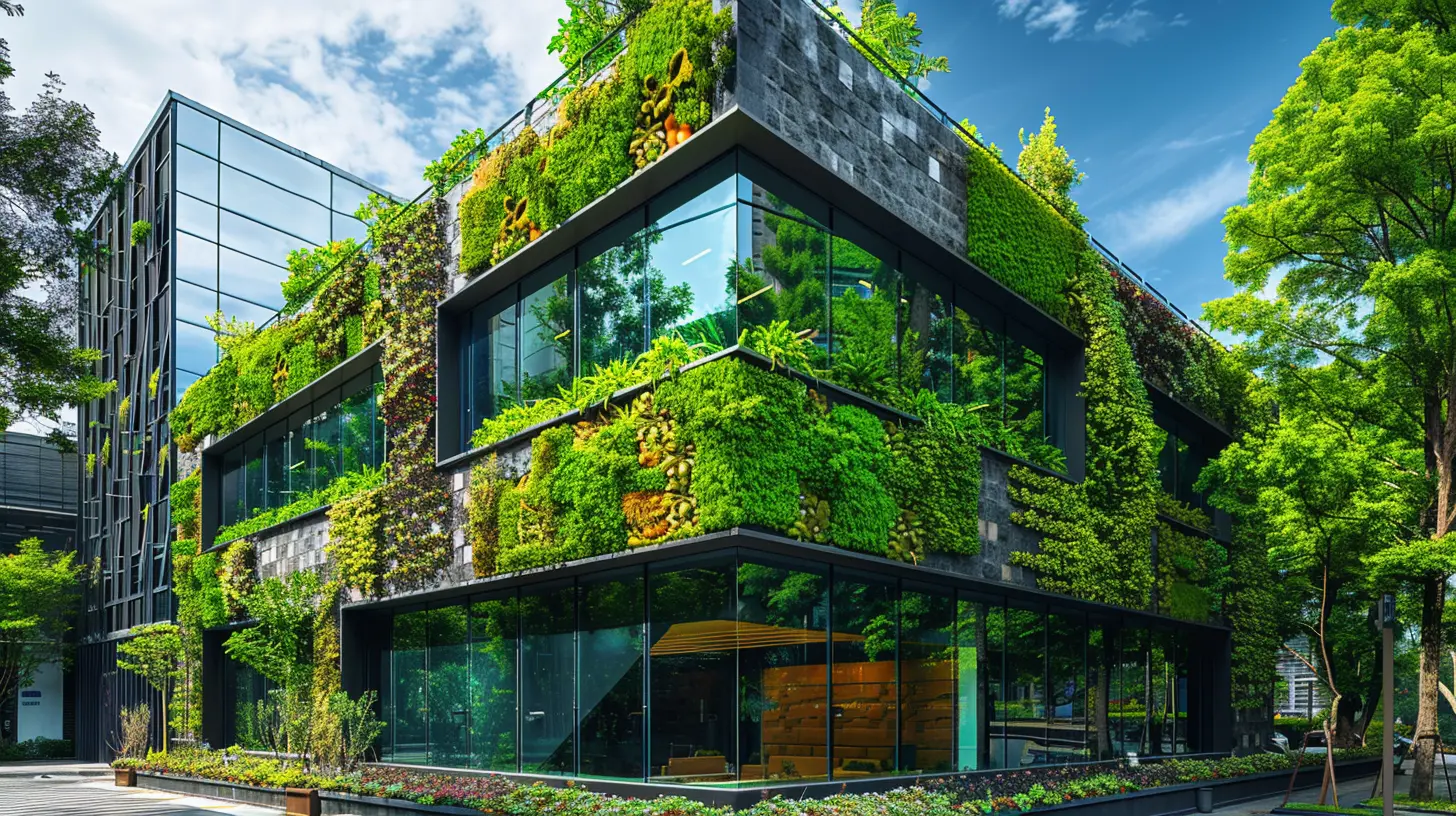
Wait—What Even Is a Data Center?
Okay, before we dive into solar panels and CPUs sipping green tea (not literally, of course), let's talk about what a data center actually is.Imagine a data center as the brain of the internet. It's a massive facility housing thousands (and I mean thousands) of servers—those little electronic workhorses that store, process, and distribute data to your devices. Every time you stream, scroll, or swipe, a data center somewhere is working its silicon heart out.
Historically, these facilities consume a mind-blowing amount of electricity—and unfortunately, much of that comes from non-renewable sources. Not exactly the eco-vibe we want. But things are changing.

The Energy Elephant in the Server Room
So, why are data centers such energy beasts? Well, servers have three big appetites:1. Processing Power – Servers are constantly crunching numbers, handling requests, and running applications. All this processing equals serious energy draw.
2. Cooling Systems – Servers hate heat. So naturally, data centers operate ginormous air conditioning systems to keep their tech babies cool and functional.
3. Redundancy – Downtime? Not on their watch. Data centers have backups for their backups, and that means extra machines drawing extra power.
Now, multiply all of that by over 7 million data centers worldwide, and you’ll see why this is a global issue.
But don’t worry. Humanity’s got a plan.
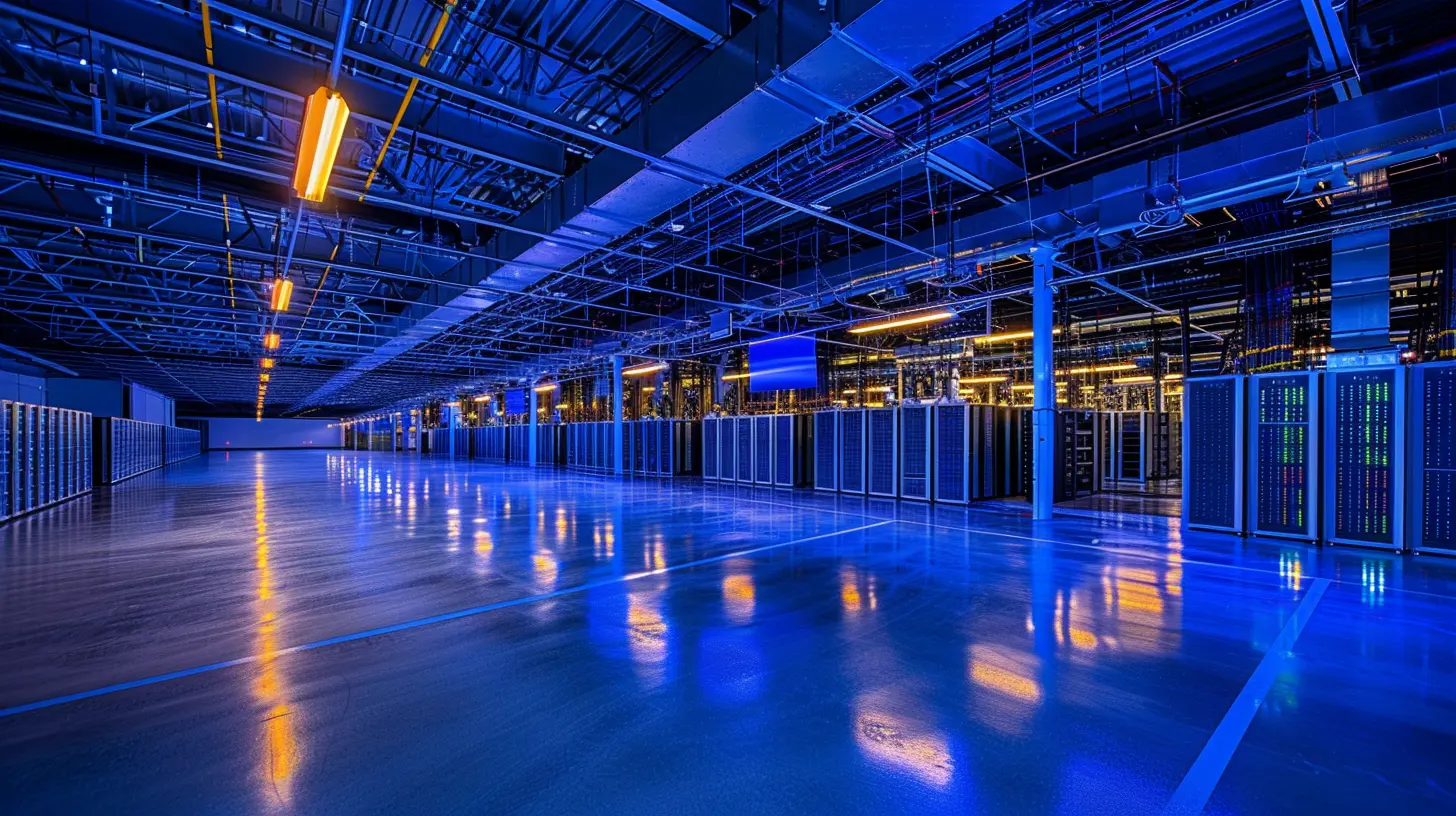
Going Green: The Rise of Sustainable Data Centers
Imagine if Iron Man decided to go full hippie and repower his suit with solar panels. That’s pretty much what’s happening in the world of data centers.Sustainable data centers are designed to minimize environmental impact without sacrificing performance. It's about using smarter tech and better energy practices to reduce carbon footprints—not just because it’s trendy, but because it's absolutely necessary.
So how are we making these server sanctuaries greener? Buckle in, it’s about to get cool (and energy efficient).
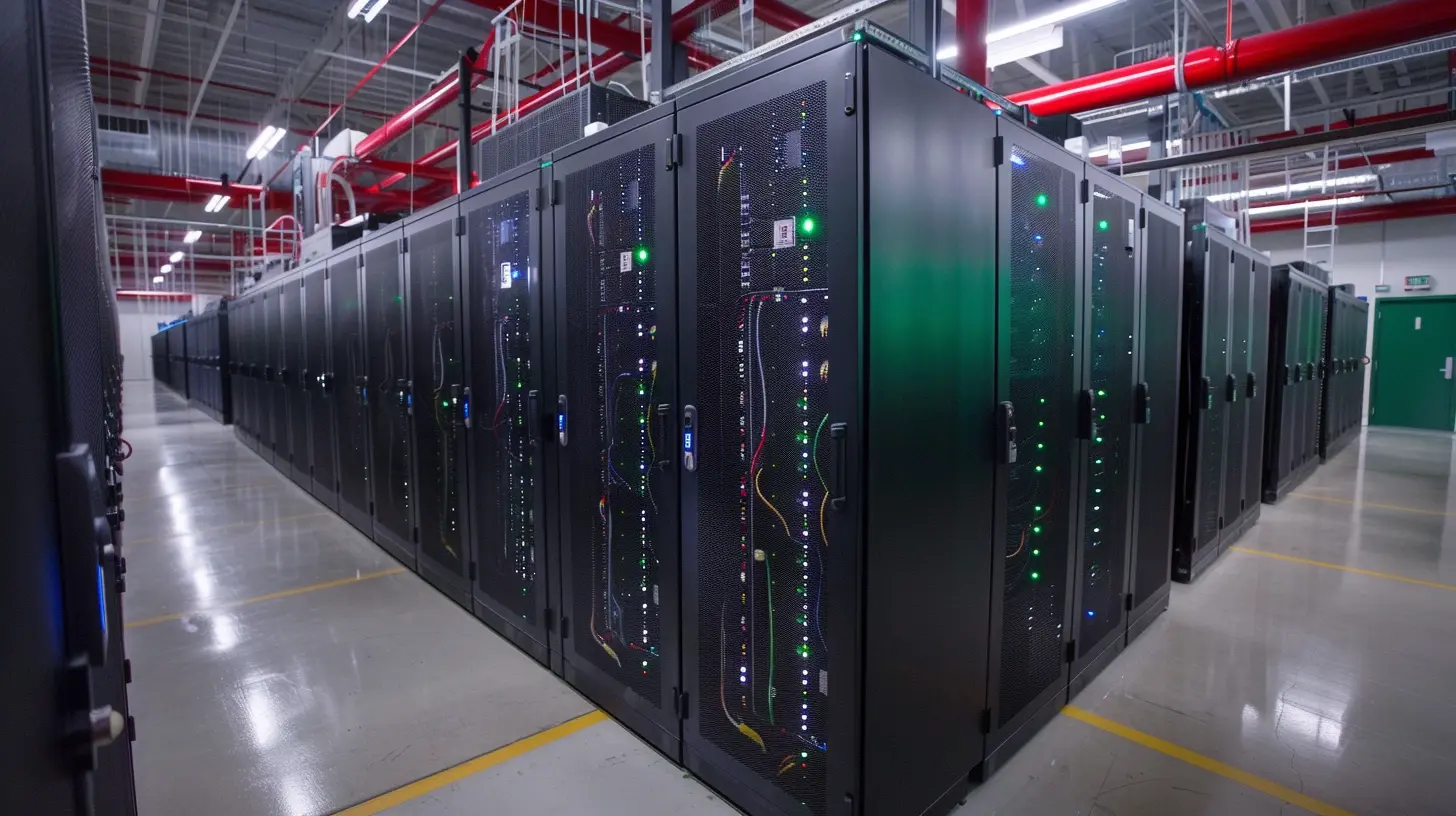
1. Renewable Energy: The New Lifeblood
You can't call yourself green unless you’re ditching fossil fuels, right?That’s why many companies are powering their centers with solar, wind, hydropower, and even geothermal energy. Google, for example, has been carbon neutral since 2007 and is pushing toward running all its data centers on carbon-free energy 24/7 by 2030. Amazon Web Services (AWS) isn't far behind either.
These green power-ups are more than just PR stunts—they’re actually working. Countries like Sweden even offer tax incentives for data centers using renewable energy (and who doesn’t love a good tax break?).
2. Cooling It Down the Smart Way
Remember how I said servers hate heat? Traditional cooling systems waste a ton of energy. But today’s sustainable centers are getting creative.Air, Water, and Arctic Breezes
- Free Cooling: Instead of blasting industrial-scale AC, some data centers now take advantage of cool outside air, especially in colder climates. Iceland, you win this round.- Liquid Cooling: It sounds like something from a sci-fi movie, but using liquid directly on hot components can be way more efficient than traditional air cooling.
- Underwater Data Centers: Yep, Microsoft tested a data center submerged in the ocean. It’s like giving servers their own underwater spa retreat.
AI-Driven Climate Control
Artificial Intelligence isn’t just for writing blog posts or creating “deep fake” videos—it’s playing thermostat, too. AI can monitor temperatures in real-time and optimize cooling systems to reduce energy waste. One Google data center saw a 40% reduction in cooling energy just by introducing AI to the mix. That’s like replacing your AC bill with a fan and a popsicle stick.
3. Efficient Hardware: Because Size Doesn’t Always Matter
You’ve heard of bulky, power-hungry servers, right? Well, meet their modern, minimalist cousins.- Energy-Efficient Servers: Today's servers are smaller, faster, and designed to be energy-conscious from the start. It’s like replacing your gas-guzzling SUV with a shiny electric roadster.
- Server Virtualization: This is tech-speak for doing more with less. By creating virtual versions of physical servers, companies can run multiple applications on one machine. That means fewer machines, less heat, and less energy consumption. Everybody wins (except maybe the server manufacturers).
4. Modular Data Centers: The Lego Bricks of Tech
Why build a whole warehouse full of servers when you only need a few? Enter modular design—think data centers-in-a-box. You snap together modules as you scale up, meaning:- Less waste
- Easier cooling
- Customizable for efficiency
Basically, it’s the IKEA version of data centers. Simple, scalable, and only a slight chance of assembling it backward.
5. Location, Location, Location!
It turns out geography is a big deal. Building data centers in cooler regions helps with natural cooling (duh), and being near renewable energy sources helps reduce reliance on fossil fuels.That’s why you’ll find many green data centers popping up in:
- Nordics (cheap renewable energy + cold temps = win)
- Remote areas (more space, fewer neighbors to complain about buzzing noise)
- Even underground bunkers (yes, that’s a thing)
6. Recycling Heat (Yes, Really)
Believe it or not, those zooming servers throw off a lot of heat—and sustainable data centers are learning to put it to good use.Some forward-thinking operations are now recycling server heat to:
- Warm office buildings
- Heat public swimming pools
- Even supply residential heating in nearby neighborhoods
Talk about hot tech solutions.
Cloud Providers Are Leading the Charge
The biggest cloud providers—think Amazon, Microsoft, and Google—are in a race not just to dominate the digital world, but also to go greener than your backyard compost bin.Here’s a snapshot:
- Google: Carbon neutral since 2007, aiming for 100% carbon-free energy 24/7 by 2030.
- Microsoft: Pledged to be carbon-negative by 2030 and remove all historical emissions by 2050. That’s some serious eco-karma.
- Amazon Web Services (AWS): On track to power operations with 100% renewable energy by 2025.
These tech giants are showing that sustainability isn’t just possible at scale—it’s profitable too. Saving energy saves money. Who knew?
The Role of Edge Computing in Energy Reduction
Think of edge computing as the food truck of data processing—bringing the service closer to you instead of making you go to it. By moving computing closer to the source (aka users), edge computing:- Reduces latency
- Cuts bandwidth use
- Uses smaller, localized mini data centers (which are easier to cool and manage)
It’s like ordering pizza from the local shop instead of waiting for it to come from across the city. More efficient, and still delicious (metaphorically speaking).
Challenges Ahead: It's Not All Rainbows and Solar Panels
Hold on—before we throw a green-party with compostable confetti, let’s remember: sustainable data centers still face some big hurdles.- High upfront costs for renewable setup and retrofitting old centers
- Limited renewable access in certain regions
- Regulatory red tape dragging down innovation
- E-waste from outdated equipment
But none of these are deal-breakers. They’re just speed bumps on the server-side highway to a greener future.
Why This Matters (Yes, Even to You)
You might be wondering—why should I care about this nerdy, behind-the-scenes tech stuff?Well, here’s the thing: you use the internet every day. Every TikTok scroll, every cloud photo backup, every streaming binge adds to the demand for data centers.
So the greener those centers get, the better it is for… well, everyone.
And let’s not forget—climate change isn’t waiting for us to get our act together. Sustainable data centers are a key piece of the puzzle, helping us tackle emissions from one of the world’s most energy-hungry industries.
Plus, clean technology is just cool. Who doesn’t want to be part of a story where artificial intelligence, renewable energy, and resourceful humans come together to change the world?
Final Log-Off
Sustainable data centers are proof that even the most complex, power-hungry systems can become eco-friendly with a little innovation, determination, and yes—a lot of geeky engineering.So the next time you're deep into a Netflix rabbit hole or uploading selfies to the cloud, remember: there’s a good chance those bits and bytes are being processed in a data center that’s not only smart—but green.
And hey, if servers can save the planet while keeping your memes alive, what’s stopping us?
all images in this post were generated using AI tools
Category:
Green TechnologyAuthor:

Michael Robinson
Discussion
rate this article
2 comments
Xylo Richardson
Great insights! Exciting to see technology and sustainability working together!
February 13, 2026 at 3:36 AM
Michael Robinson
Thank you! I'm glad you found the insights valuable. It's an exciting time for tech and sustainability!
Lys Curry
This article highlights the crucial steps being taken toward greener data centers. It's inspiring to see how innovative technologies are not only reducing energy consumption but also contributing to a more sustainable future. Let's hope more companies embrace these practices for a positive environmental impact.
January 9, 2026 at 12:38 AM
Michael Robinson
Thank you for your feedback! I'm glad you found the article inspiring. Together, we can encourage more companies to adopt these sustainable practices for a healthier planet.