Sustainable Tech: The Circular Economy and E-Waste Solutions
12 January 2026
We've all been there. That moment when your smartphone starts freezing a bit too often, or your laptop makes a weird noise that screams “it’s time to upgrade.” And the next thing you know, the shiny new model is in your hands and the old one? It’s shoved into a drawer or tossed out. Multiply that by billions, and we’ve got a monster of a problem — e-waste.
So, what's the fix? Enter the circular economy — a smarter, greener way of thinking about tech. It’s not just about recycling. It’s about rethinking the entire lifecycle of our gadgets. In this article, we’re diving deep into how sustainable tech, backed by circular economy principles, is the future we all need — and how we can be part of it.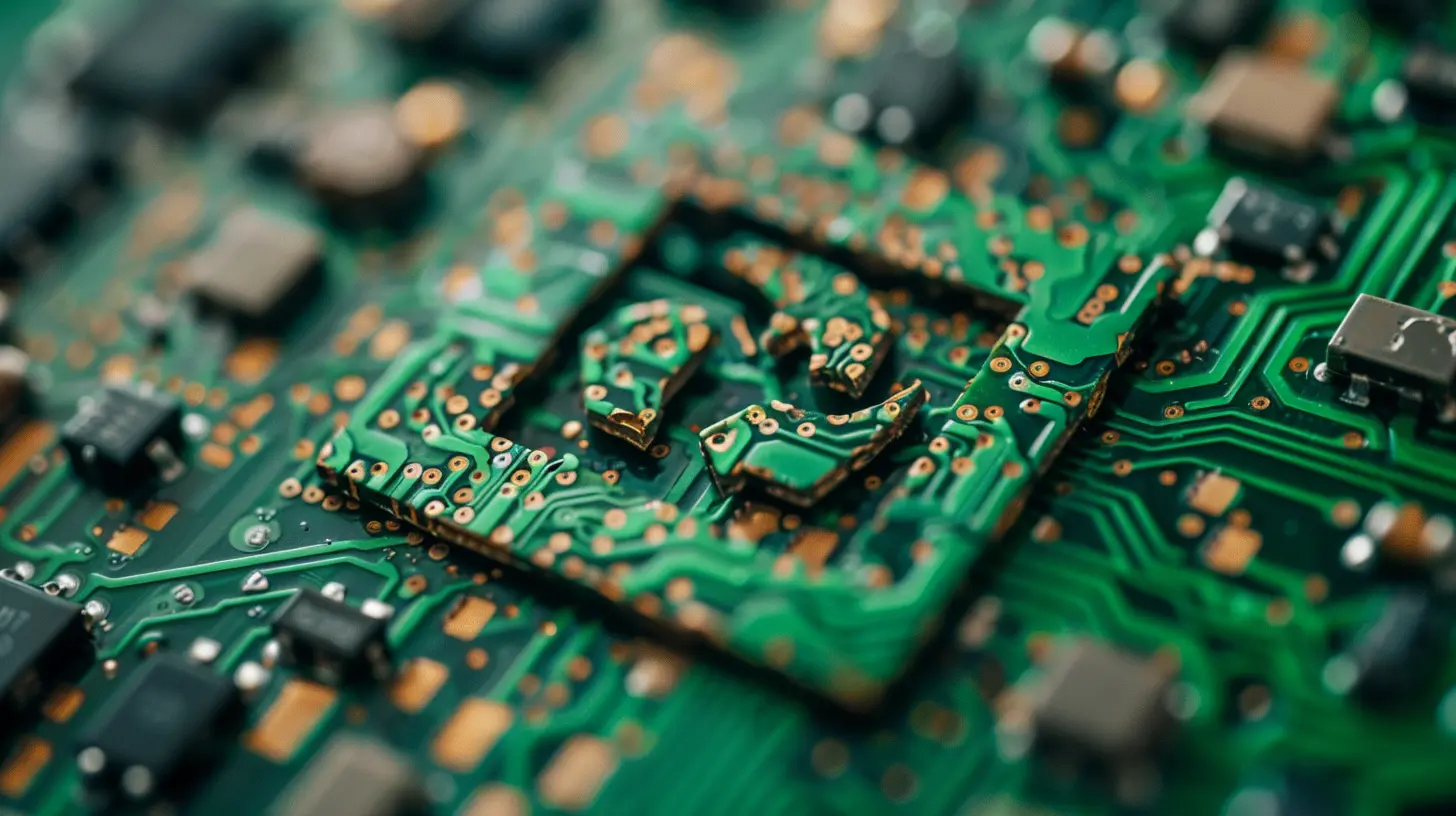
What Is E-Waste and Why Should We Care?
Let’s start with the basics. E-waste, or electronic waste, is essentially any discarded electronic device — smartphones, laptops, tablets, fridges, TVs — you name it. According to the Global E-waste Monitor, the world generated over 59 million tonnes of e-waste in 2021, and that number is expected to hit 75 million tonnes by 2030. Yep, read that again.But it gets worse. Only about 17% of it gets properly recycled. The rest? Ends up in landfills, burned in incinerators, or dumped illegally in developing countries. This is not just an environmental disaster, it's a human one. Toxic chemicals like lead, mercury, and cadmium seep into the soil and water, endangering wildlife and human health.
And here's the kicker — e-waste also hides tons of valuable resources like gold, silver, copper, and rare earth metals. We’re literally throwing money away while mining more of these materials at massive environmental costs.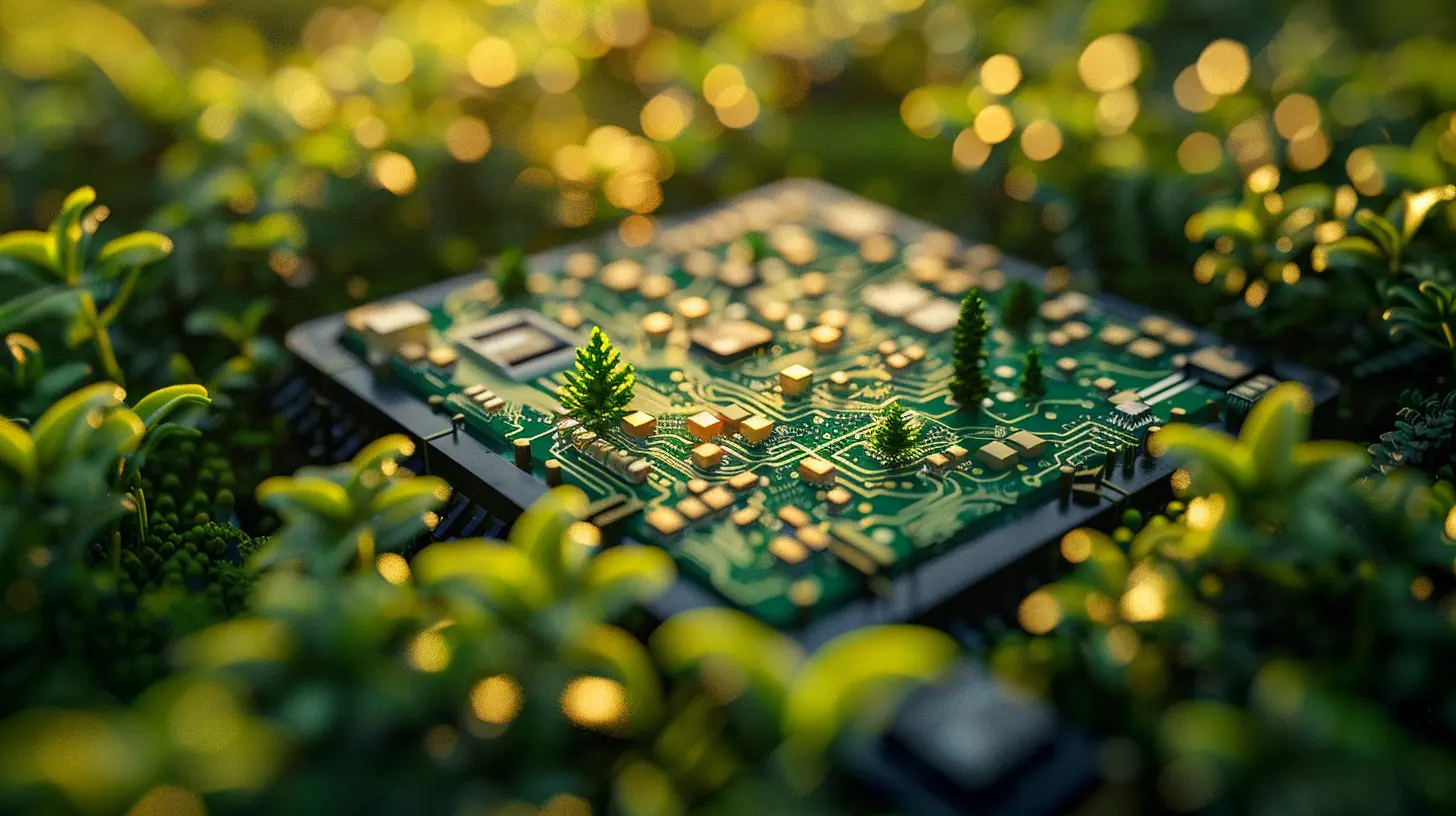
The Linear vs. Circular Economy: Understanding the Difference
Let’s imagine the traditional electronics model as a straight line — we take materials, make products, use them, and then toss them away. This is the linear economy. Simple? Sure. Sustainable? Not even close.Now, picture a circle. That’s the circular economy. In this model, the idea is to keep resources in the loop as long as possible. It’s about designing products that last longer, that can be repaired, reused, refurbished, or recycled efficiently. It flips the script from “make-use-dispose” to “make-use-reuse-or-reborn.”
For tech, this means companies taking responsibility for the entire lifecycle of their products, right from sourcing raw materials to end-of-life management.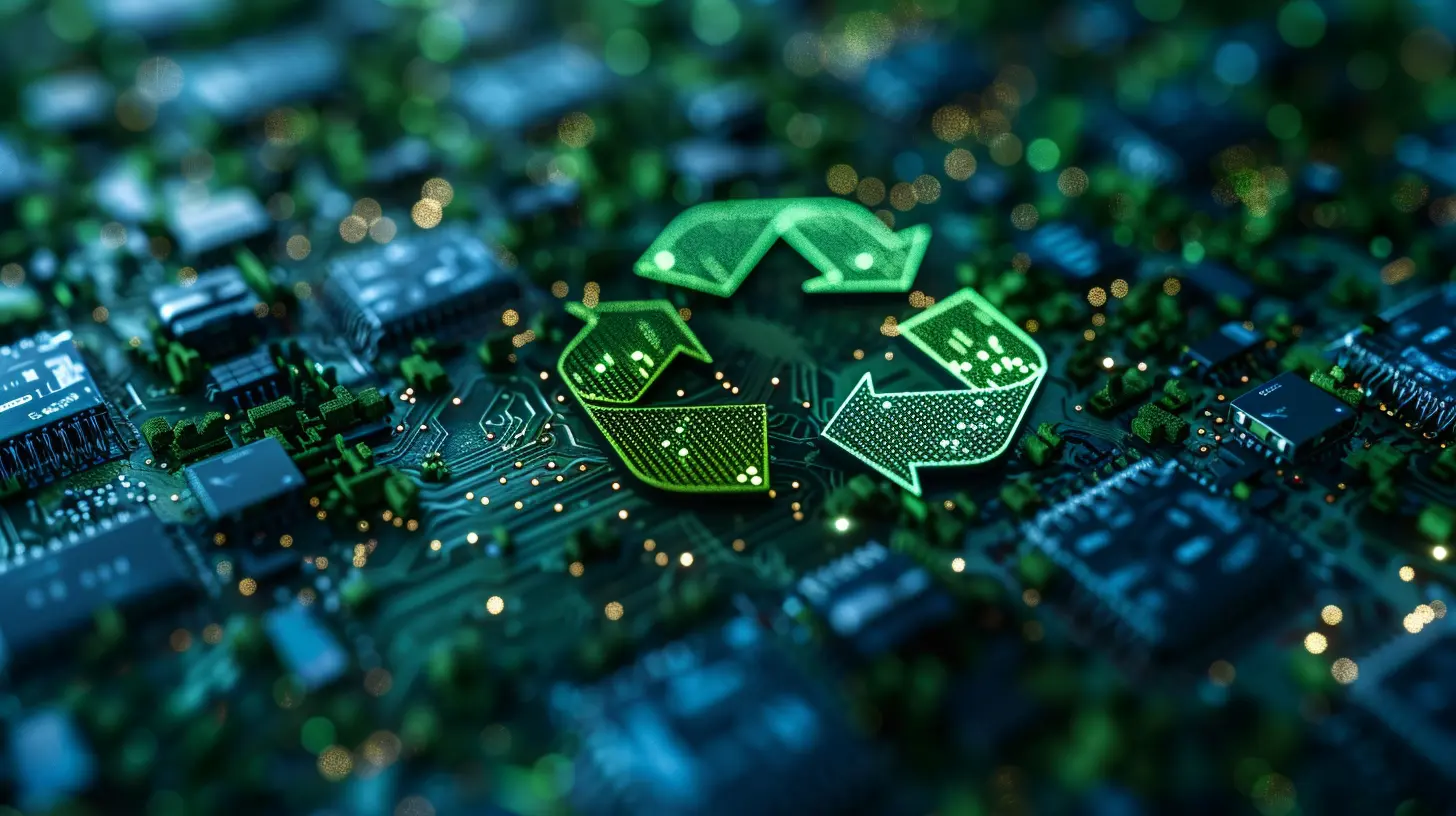
Why the Circular Economy Matters in Tech
Let’s face it — the tech industry has a love affair with planned obsolescence. New models every year, software updates that slow down older devices, components that are impossible to repair… it’s a vicious cycle.The circular economy aims to break this cycle.
- Design for longevity: Products are built to last, not break.
- Repairability: Devices are easier to fix and upgrade.
- Refurbishment and reuse: Old doesn’t mean useless.
- Recycling: Materials are recovered and fed back into the industry.
By shifting to circular practices, tech companies can significantly reduce their environmental impact, cut down on emissions, and conserve natural resources.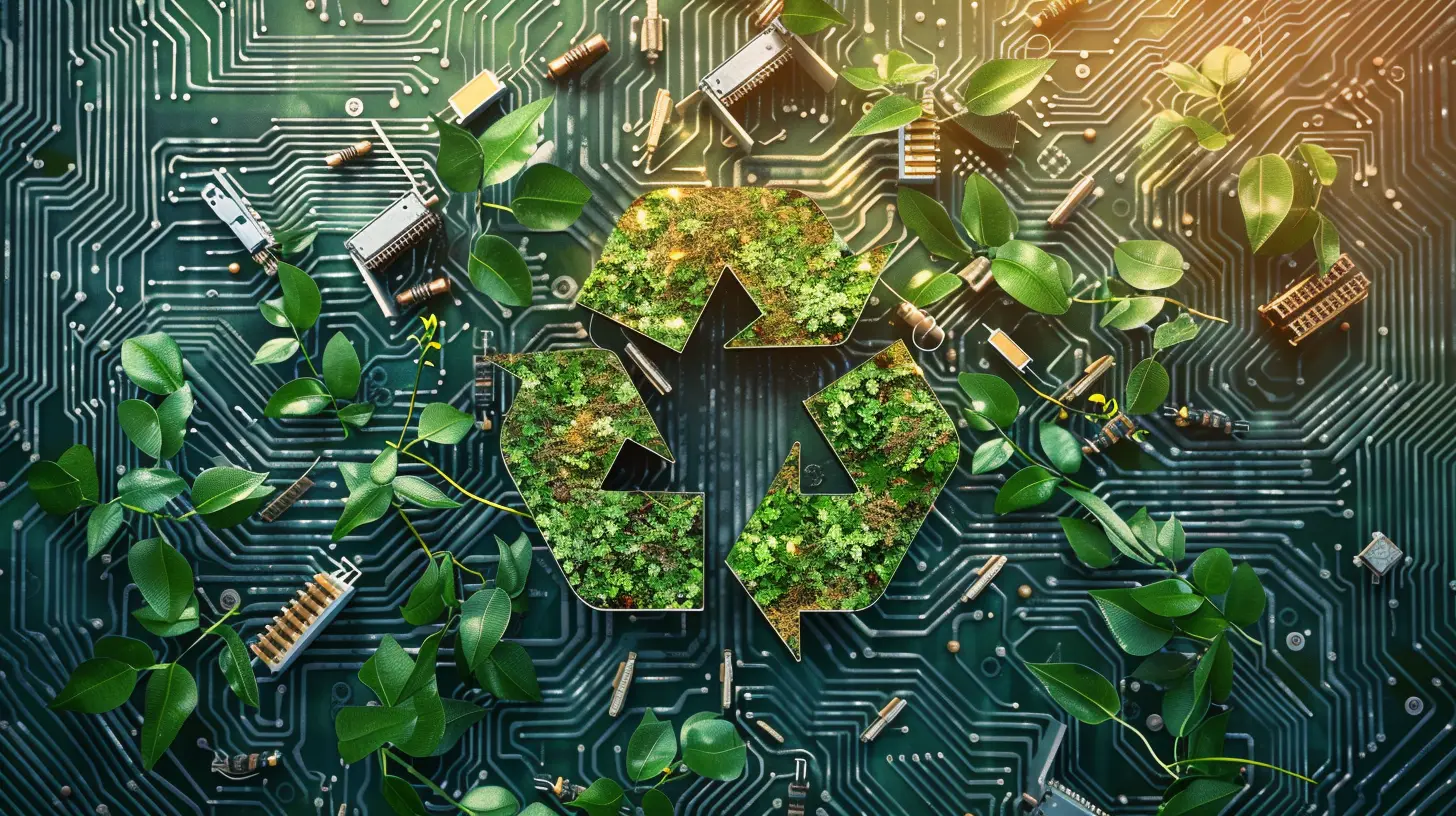
E-Waste Solutions That Are Actually Working
Alright, enough of the doom and gloom. Let’s talk about what’s being done — and yes, some of it is genuinely impressive.1. Right to Repair Movement
Have you ever tried fixing your phone screen only to realize it’s cheaper to just buy a new one? Yeah, that’s not an accident.The Right to Repair movement pushes for laws that force manufacturers to make repair manuals, spare parts, and tools available to everyone — not just their own service centers.
Apple, for example, faced heavy backlash but recently started offering Self Service Repair kits for select models. Sure, it's not perfect, but it’s a start. Europe is ahead in this space with strong regulations demanding that products be repairable and parts available for up to 10 years.
Giving people the tools to fix their own devices? That’s empowerment.
2. Tech Take-Back Programs
Big tech is waking up — kind of. Companies like Dell, HP, and Apple have started take-back or trade-in programs. You send in your old devices, and they recycle or refurbish them. Some even offer store credits — because who doesn’t love free money?For instance, Dell’s closed-loop recycling process has recovered over 2 billion pounds of electronics since 2007. That’s a lot of waste staying out of landfills.
3. Modular Devices
Remember when you could just swap out a battery? Those were the days. Now some companies are bringing that back — but smarter.Take the Fairphone. It’s basically the IKEA of smartphones. You can replace the battery, camera, or screen in minutes with just a screwdriver. This modular design not only extends the phone’s life but also makes repairs super easy.
Other brands like Framework (laptops) are pushing modularity too. The best part? It’s catching on.
4. Upcycling and Backend Innovation
Beyond flashy consumer programs, there’s a lot happening behind the scenes. Companies are investing in smarter recycling techniques. AI and robotics are now used to identify and sort materials more efficiently. Some startups are even turning old circuit boards into new ones without breaking them down fully — kind of like tech reincarnation.And let’s not forget upcycling. Old electronics are being creatively transformed into art, furniture, or educational tools. It’s tech meets creativity — and it’s inspiring.
Consumers Play a Big Role Too
Hey, we can’t just blame the big guys. We're part of the system, and we have a say.Here’s how you can jump into the circular mindset:
- Buy less, use longer. Upgrade only when you really need to.
- Support ethical brands. Look for those with clear sustainability policies.
- Repair before you replace. There are tons of online guides and communities willing to help.
- Recycle correctly. Use certified e-waste recyclers. Don't just dump stuff in the trash.
- Resell or donate. One person’s outdated gadget can be someone else’s treasure.
Remember, every choice we make has a ripple effect.
Challenges on the Road to Circularity
Let’s be real — this isn’t easy. There are some big hurdles.- Complex tech designs: Most devices today are not built to be easily disassembled.
- Lack of infrastructure: Many regions still lack proper e-waste collection and recycling systems.
- Consumer habits: People still chase the "latest and greatest" even when older tech works just fine.
- Corporate resistance: Some companies are still clinging to the linear model because it’s profitable.
But none of these are deal-breakers. They’re just challenges we have to face head-on. And with tech giants, governments, and consumers all pulling in the same direction — big changes are possible.
The Future of Sustainable Tech: What’s Coming Next?
The good news? Innovation is on our side.- Biodegradable electronics: Imagine a phone case that turns into compost or a circuit board that melts away in water. Sounds unreal, but it’s already being tested.
- Blockchain for waste tracking: Using decentralized tech to monitor the lifecycle of devices adds transparency and accountability. No more shady dumping.
- AI-driven supply chains: Smarter logistics help reduce waste and improve recycling efficiency.
- Digital product passports: Coming soon to the EU, these will hold information about a device’s materials, repairability, and sustainability. Basically, a nutrition label — but for electronics.
We’re not just cleaning up tech’s mess. We’re reinventing how we build, use, and retire these tools that power our lives.
Final Thoughts: Time to Rethink Our Relationship with Tech
Look, we all love our gadgets. They’ve made life easier, connected us across continents, and even helped fight global challenges (hello, telemedicine and green energy!). But our current tech habits aren’t sustainable.The circular economy isn’t about sacrifice — it’s about smarter systems that benefit everyone. It’s about a mindset shift, rewriting the rules to make sustainability the norm, not the exception.
In the end, it comes down to this: we can’t keep extracting, building, and dumping like there’s no tomorrow. Because if we do, there won’t be.
So next time your phone acts up or your laptop slows down, don’t just reach for your wallet. Think circular. Think sustainable. Because what we do today shapes the tech of tomorrow.
all images in this post were generated using AI tools
Category:
Green TechnologyAuthor:

Michael Robinson
Discussion
rate this article
2 comments
Zadie McElveen
Great insights on the importance of sustainable tech! It’s crucial for us to rethink our consumption habits and support circular economy initiatives to reduce e-waste. Thank you!
February 11, 2026 at 4:21 AM
Harmony Mathews
In the dance of innovation, let us weave a tapestry of renewal, turning e-waste into treasures for a greener tomorrow.
January 12, 2026 at 7:41 PM
Michael Robinson
Thank you for beautifully capturing the essence of our mission! Transforming e-waste into valuable resources is crucial for a sustainable future.