The Ethical Implications of Virtual Reality: What We Need to Consider
7 January 2026
Virtual Reality (VR) has come a long way from being a sci-fi concept to an actual, immersive experience that many of us can access today. From gaming and entertainment to education and medical training, VR is reshaping industries left and right. But amid all the excitement, there's a critical conversation we need to have—what about the ethical implications?
While VR opens doors to innovation, it also raises significant moral questions. Can VR experiences manipulate emotions? What about privacy concerns, or the potential for addiction? Let's dive into these issues and uncover what we need to consider before we fully embrace this revolutionary technology.
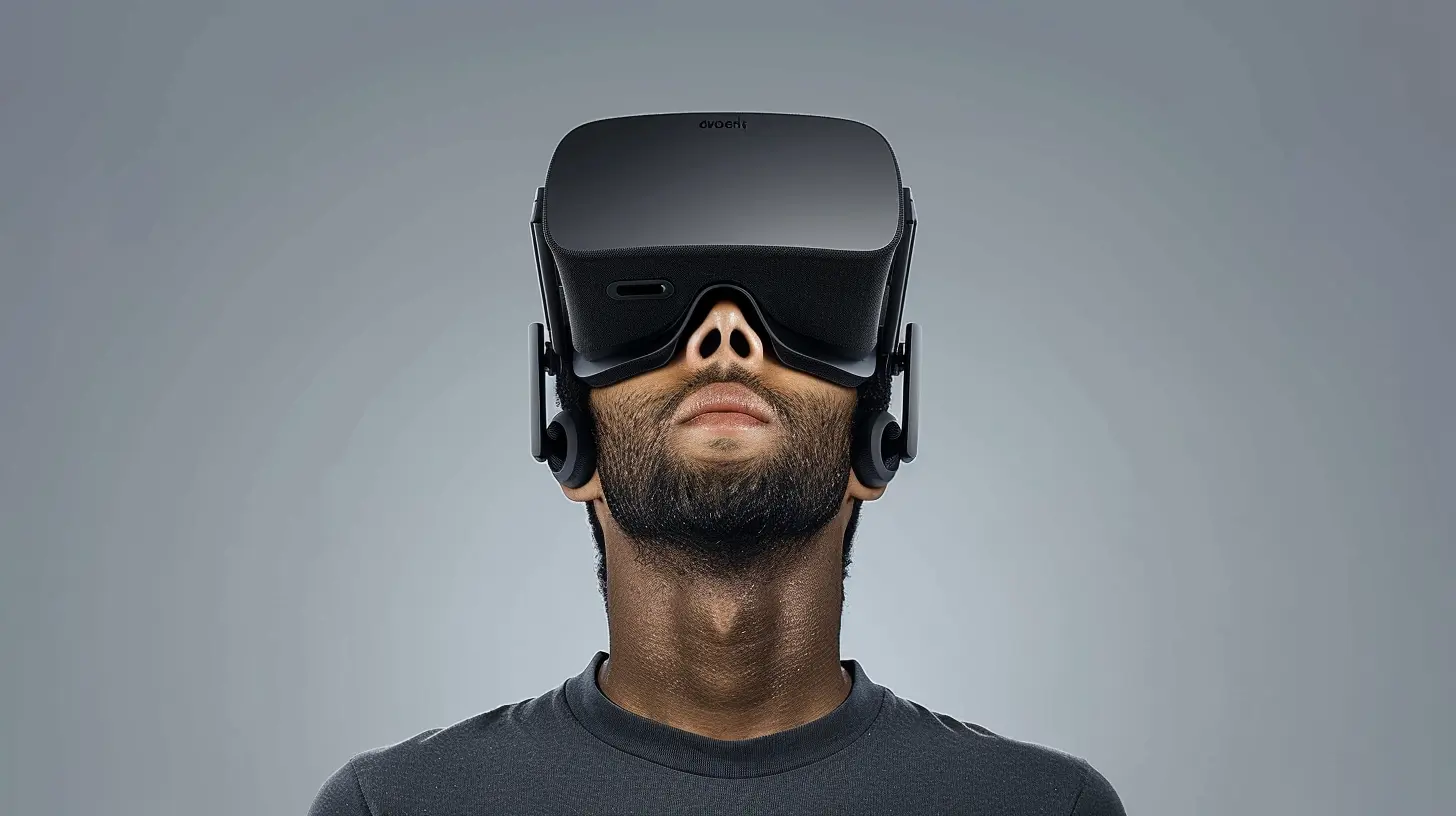
The Blurred Line Between Virtual & Reality
One of the biggest ethical dilemmas of VR is how it blurs the boundary between reality and simulation. When users put on a headset, they’re transported to a completely different world, often indistinguishable from real life.This raises concerns about psychological effects. If people spend too much time in virtual spaces, could they lose grip on the real world? There have already been instances where users experience "VR hangover"—a lingering sense of disorientation after leaving a virtual environment.
Furthermore, VR is so immersive that it can shape memories. Studies suggest that events experienced in VR can be recalled as if they actually happened in real life. This has serious implications—could VR be used to manipulate people’s emotions or even fabricate memories?

Privacy Concerns: Who’s Watching You in Virtual Reality?
Privacy in the digital age is already a hot topic, but VR takes it to a whole new level. Unlike traditional online platforms, VR collects far more data—eye movements, hand gestures, reactions, voice input, and even biometric data.This data is a goldmine for companies looking to enhance user experiences, but it’s also a privacy nightmare. Who owns this data? How is it being stored, and who has access to it? If companies or hackers gain unauthorized access to this information, it could lead to unprecedented levels of surveillance and data exploitation.
For instance, a VR platform could track subtle emotional responses to ads, tailoring content to manipulate users’ decisions. If that sounds creepy, it’s because it is. Without strict regulations, VR could become a tool for extreme psychological profiling.
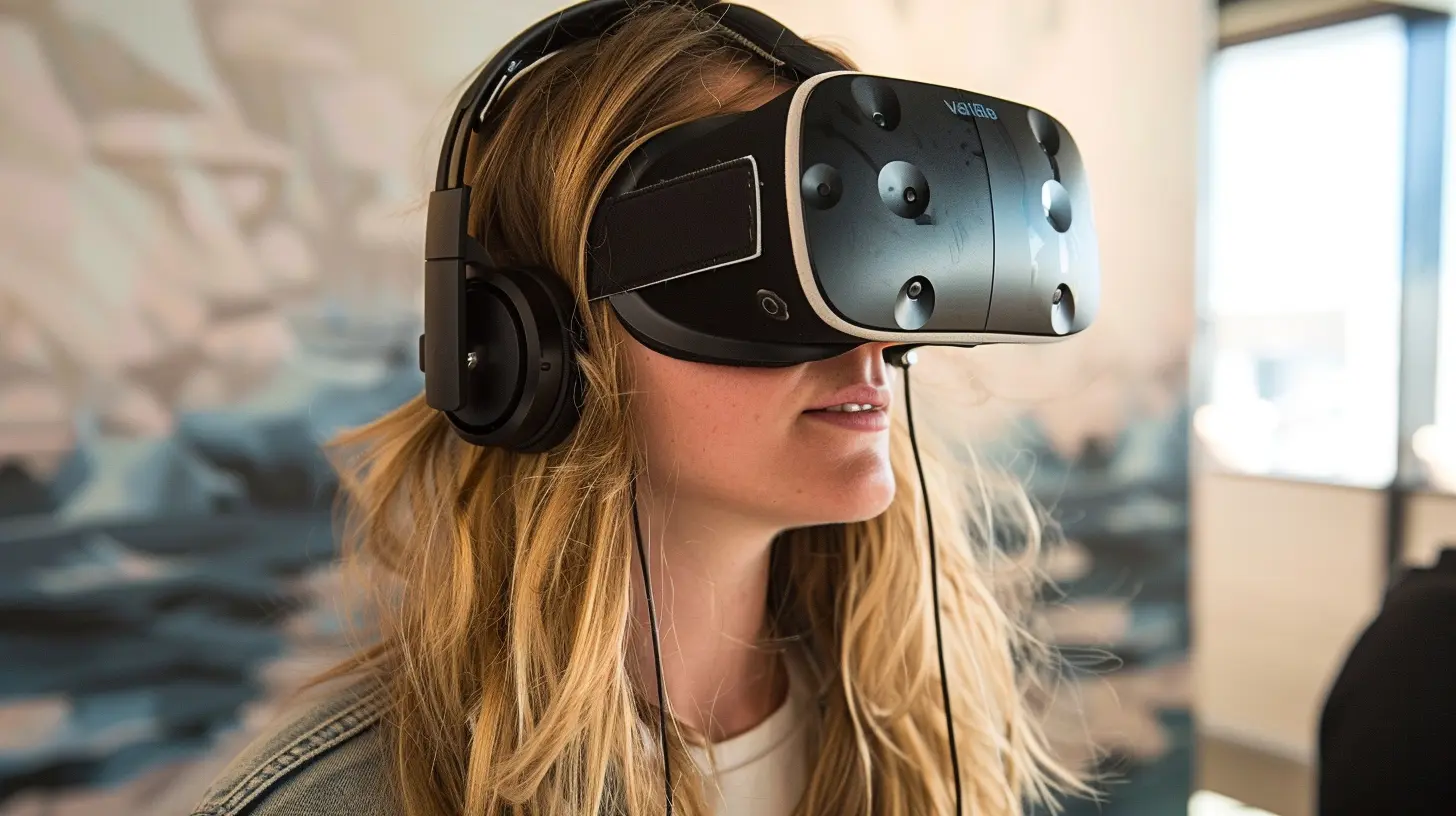
The Dark Side of VR Addiction
Like social media and video games, VR has the potential to become highly addictive. The immersive nature of VR makes it easy for users to lose track of time and escape reality.This raises ethical concerns, especially for younger users. If spending hours in a virtual world feels better than real life, will people start neglecting real-world responsibilities? Relationships, jobs, and even physical health could suffer if VR addiction becomes widespread.
Game developers and VR companies need to consider the ethical implications of designing experiences that keep users hooked. Should there be built-in time limits? Should VR platforms discourage excessive use? These are important questions that the industry needs to address.
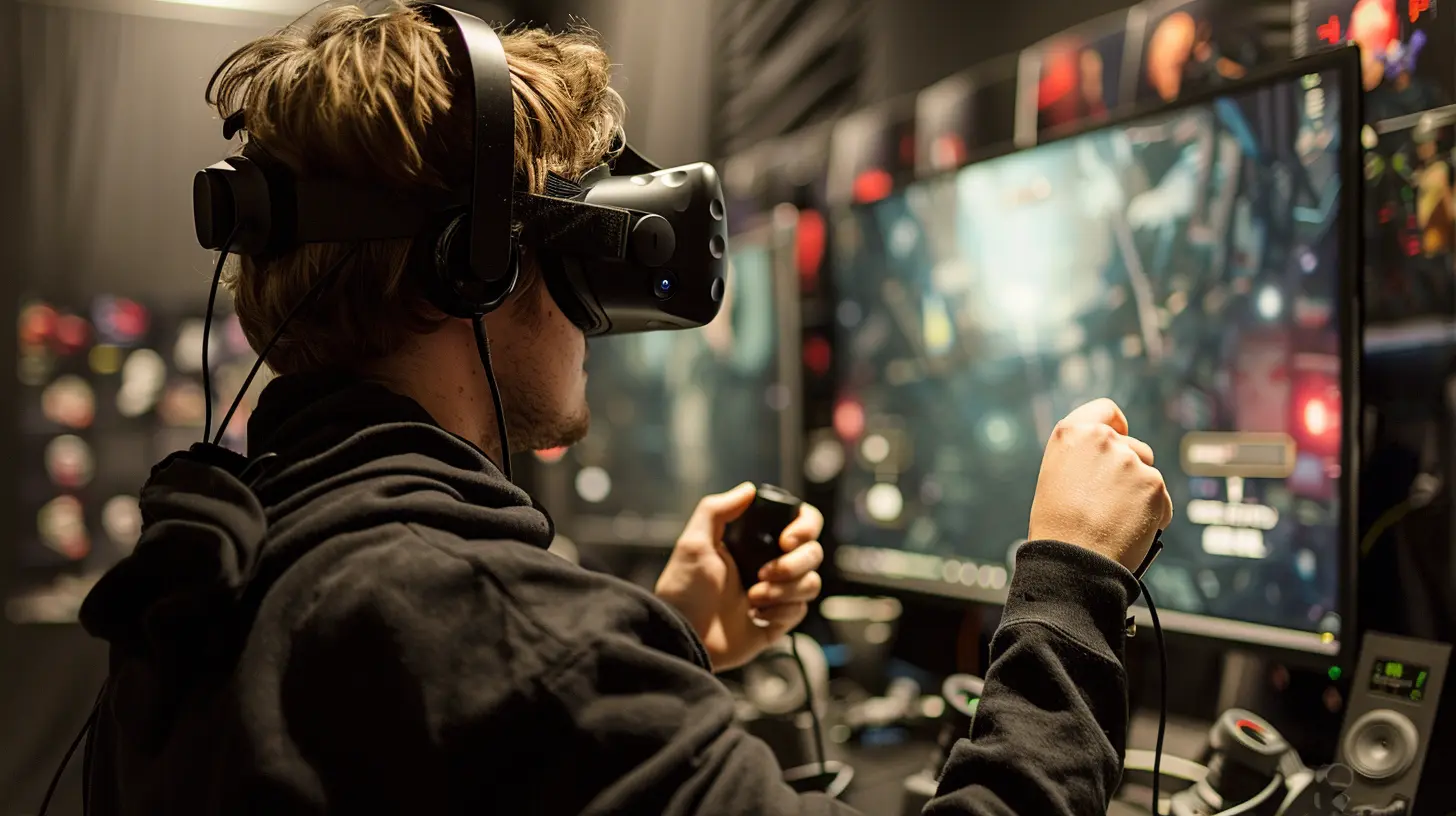
Virtual Harassment & Safety in the Metaverse
Harassment in digital spaces isn’t new, but VR makes it feel much more personal. Imagine being in a virtual world where someone invades your personal space, uses offensive language, or engages in harmful behavior. Unlike traditional screen-based interactions, VR harassment feels real because it engages multiple senses.In fact, reports of virtual groping and bullying have surfaced in various metaverse platforms. This raises serious ethical concerns—how do we protect users from abuse in VR?
Possible solutions:
- Implementing AI-driven moderation tools to detect and prevent abusive behavior.
- Allowing users to set strict personal boundaries that others cannot invade.
- Introducing better reporting and banning systems to hold offenders accountable.
If VR is going to be a safe space for everyone, companies must take these concerns seriously. Just like in real life, there need to be laws and ethical guidelines to govern how people interact in virtual environments.
The Moral Dilemmas of Virtual Reality Warfare & Crime
One of the most controversial uses of VR is in military training. Many armed forces already use VR to simulate combat situations, which raises important ethical questions.Does training soldiers in hyper-realistic VR environments desensitize them to real-world violence? Some argue that prolonged exposure to violent VR scenarios could dull empathy and make it easier for individuals to engage in actual combat.
Similarly, VR could be used to simulate criminal activities. What happens if people engage in theft, assault, or even murder within a virtual world? Should there be legal consequences for committing crimes in VR, or does it fall under “just a game”?
These are complex moral questions that don’t have easy answers. However, as VR technology advances, we must ensure that ethical considerations evolve alongside it.
Accessibility & The Digital Divide
Another concern surrounding VR is accessibility. While VR is becoming more affordable, it’s still out of reach for many people due to high costs and hardware requirements.This creates a digital divide—those who can afford VR will have access to high-quality education, job training, and social experiences, while those who cannot will be left behind.
To prevent VR from becoming an exclusive club for the privileged, companies need to invest in making the technology more accessible. Governments and organizations can also play a role by funding VR initiatives in schools and public spaces.
The Ethical Responsibility of VR Developers
With great technological power comes great responsibility. Developers, designers, and companies leading the VR revolution must consider the ethical implications of their creations.Some ethical considerations for VR developers include:
- Ensuring informed consent: Users should fully understand what data they’re sharing and how it’s being used.
- Designing for well-being: Encouraging responsible use and discouraging addiction.
- Creating inclusive experiences: Ensuring VR is accessible to people of all abilities and backgrounds.
- Moderating content responsibly: Preventing harmful or manipulative content from spreading.
The key takeaway? If VR is going to be a force for good, it must be designed with ethics in mind.
Conclusion
Virtual Reality is an exciting innovation that holds endless possibilities, but it also brings ethical challenges that can’t be ignored. From privacy concerns and addiction to harassment and the blurring of reality, these issues need serious attention.As we continue to integrate VR into our daily lives, we must push for ethical standards that protect users. The future of VR depends not just on its technological advancements, but also on how responsibly we use it.
So, the next time you put on a VR headset, ask yourself—are we shaping VR, or is VR shaping us?
all images in this post were generated using AI tools
Category:
Virtual RealityAuthor:

Michael Robinson
Discussion
rate this article
2 comments
Rosalie Perry
Virtual reality offers immense potential, but we must address ethical concerns like privacy, addiction, and misinformation to ensure a safe and beneficial experience for all users.
February 7, 2026 at 4:39 AM
Michael Robinson
You make a great point. Addressing these ethical concerns is crucial for maximizing the benefits of virtual reality while minimizing its risks.
Celine McKibben
Great insights! Ethical considerations are vital for responsible tech development.
January 8, 2026 at 3:23 AM
Michael Robinson
Thank you! I completely agree—ethical considerations are essential in guiding responsible advancements in virtual reality.