The Most Anticipated Drones for Creators and Consumers in 2027
1 May 2026
Remember when a drone was just a noisy quadcopter that took shaky photos from 50 feet up? Yeah, those days feel like ancient history now. We are standing on the edge of 2027, and the drone industry is about to drop some serious hardware that will make your jaw hit the floor. Whether you are a filmmaker chasing the perfect tracking shot, a real estate agent trying to sell a mansion, or just someone who wants a cool toy for weekend hikes, the next wave of drones is built for you. But here is the thing: the market is getting crowded, and not every new model is worth your cash. So, let's cut through the noise and look at the machines that are actually going to matter.
I have been flying drones for over a decade, and I have seen the tech evolve from brick-like prototypes to featherlight smart cameras. What excites me about 2027 is not just better battery life or higher resolution sensors. It is the shift in philosophy. Drones are becoming less about piloting and more about intent. You tell the drone what you want, and it figures out the how. Think of it like the jump from manual transmission to full self-driving cars, but in the sky. And the brands that get this right will own the next five years.
The Rise of the Invisible Operator
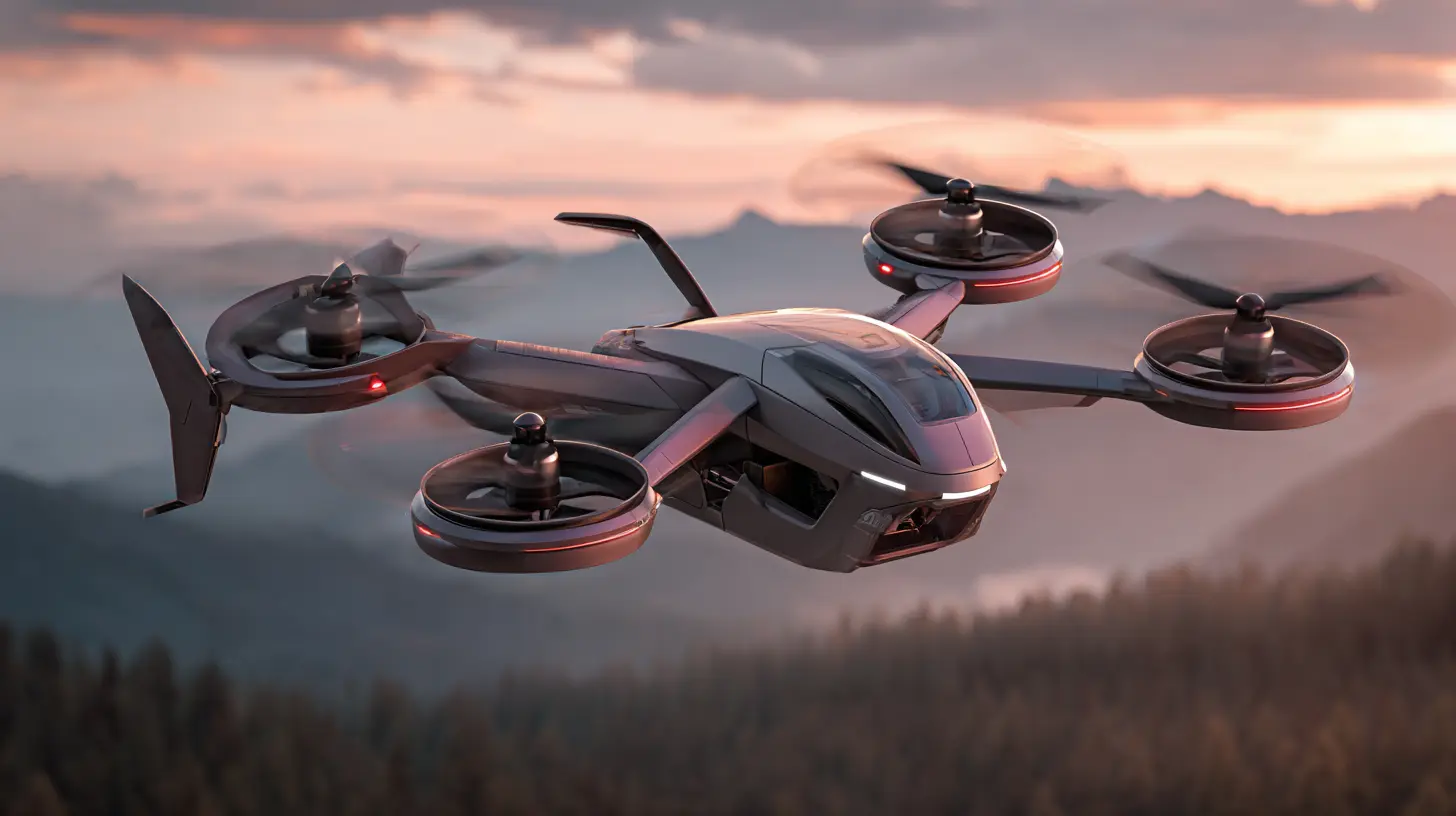
Let me paint a picture for you. You are hiking up a steep ridge, the wind is whipping, and you want a cinematic shot of yourself walking along the edge. In 2024, you would have to land the drone, set up a complicated follow-me mode, pray it didn't hit a tree, and then manually edit the footage. In 2027, you just press a button on your watch. The drone launches from your backpack, tracks your position using a combination of GPS, visual SLAM, and lidar, and it composes the shot for you. It chooses the angle, the speed, and the elevation based on the terrain. It is like having a professional camera crew that fits in your pocket.The key technology driving this is the fusion of edge AI with high-precision sensors. Drones are no longer just flying cameras; they are flying computers that understand context. For example, the upcoming DJI Air 4S (rumored for early 2027) is expected to feature a neural processing unit that can identify objects not just as "people" but as "a person running" or "a person climbing." This allows for predictive tracking. The drone doesn't just follow you; it anticipates where you will be in five seconds and adjusts its flight path accordingly. This is a game changer for solo creators who hate setting up tripods.
The Battery Breakthrough We Have Been Waiting For
Let's be honest: battery anxiety is the single biggest reason people don't use their drones more. You charge for an hour, fly for 20 minutes, and then spend the rest of the day swapping packs. It is the worst part of the hobby. But 2027 might be the year we finally break the 60-minute flight barrier on a standard consumer drone.The secret sauce is not just bigger batteries. It is about energy density and thermal management. Companies like Autel Robotics and Skydio are investing heavily in solid-state battery prototypes. While full solid-state is still a few years away for consumer products, we are seeing hybrid batteries that use a carbon-silicon anode. This allows for a 40% increase in capacity without adding weight. Imagine flying a full cinematic mission over a lake without looking at your battery meter once. That is the promise of the Autel EVO Max 3, which is slated for a late 2026 release but will dominate the conversation in 2027.
But here is the twist: the real innovation is in the charging ecosystem. Wireless charging pads for drones are finally becoming practical. You land your drone on a small pad, and it starts charging inductively, no plugs required. For creators working on location, this means you can have a hot-swap system where one drone flies while another sits on a charging mat. It sounds simple, but it is the kind of frictionless experience that separates a professional tool from a toy.
The Camera Wars: Beyond 8K
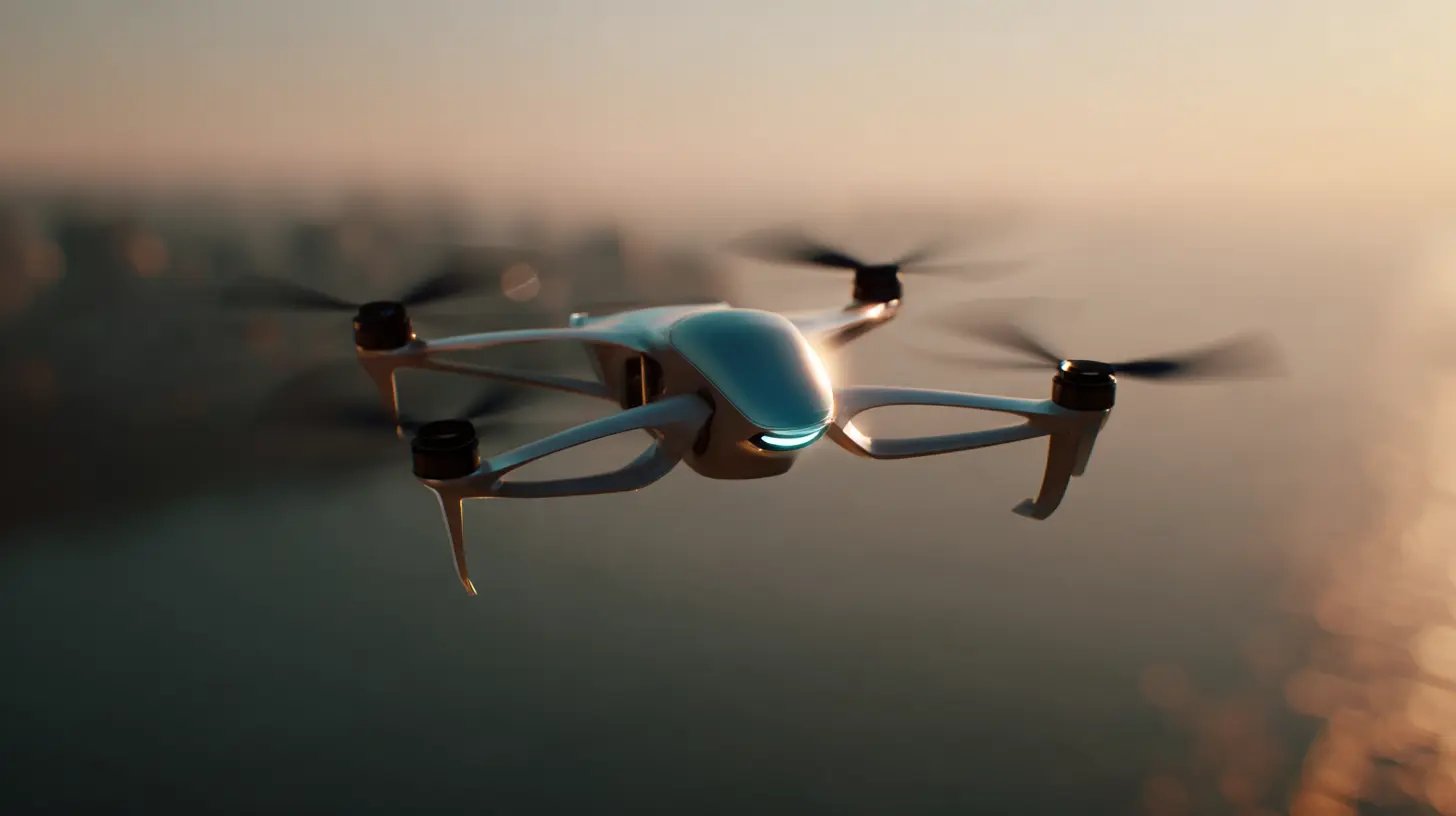
Resolution has become a marketing arms race, but the truth is, 8K is overkill for most people. The real battle in 2027 is about dynamic range, low-light performance, and color science. Think of it like this: a camera that shoots 12K is useless if it clips the highlights on a sunny day. What creators need is a sensor that can handle harsh shadows and bright skies without looking like a video game from 2015.The most anticipated drone in this category is the Sony AirPeak II. Sony has been quiet about drones for a while, but they are coming back hard. The AirPeak II is rumored to use the same full-frame sensor found in the Sony A7S III, which is legendary for its low-light performance. This is not just a drone camera; it is a cinema camera that flies. For filmmakers, this means you can shoot a sunset scene with the sun in frame and still see detail in the shadows. No more crushed blacks. No more blown-out skies.
But Sony is not the only player. The new DJI Inspire 4 is expected to feature a modular camera system with interchangeable lenses. You want a wide-angle for real estate? Snap it on. You need a telephoto for wildlife? Swap it in. This is a massive deal because it turns the drone into a platform, not a fixed tool. For the first time, you can build a drone that fits the job rather than forcing the job to fit the drone.
The Cinewhoop Revolution for Indoor Creators
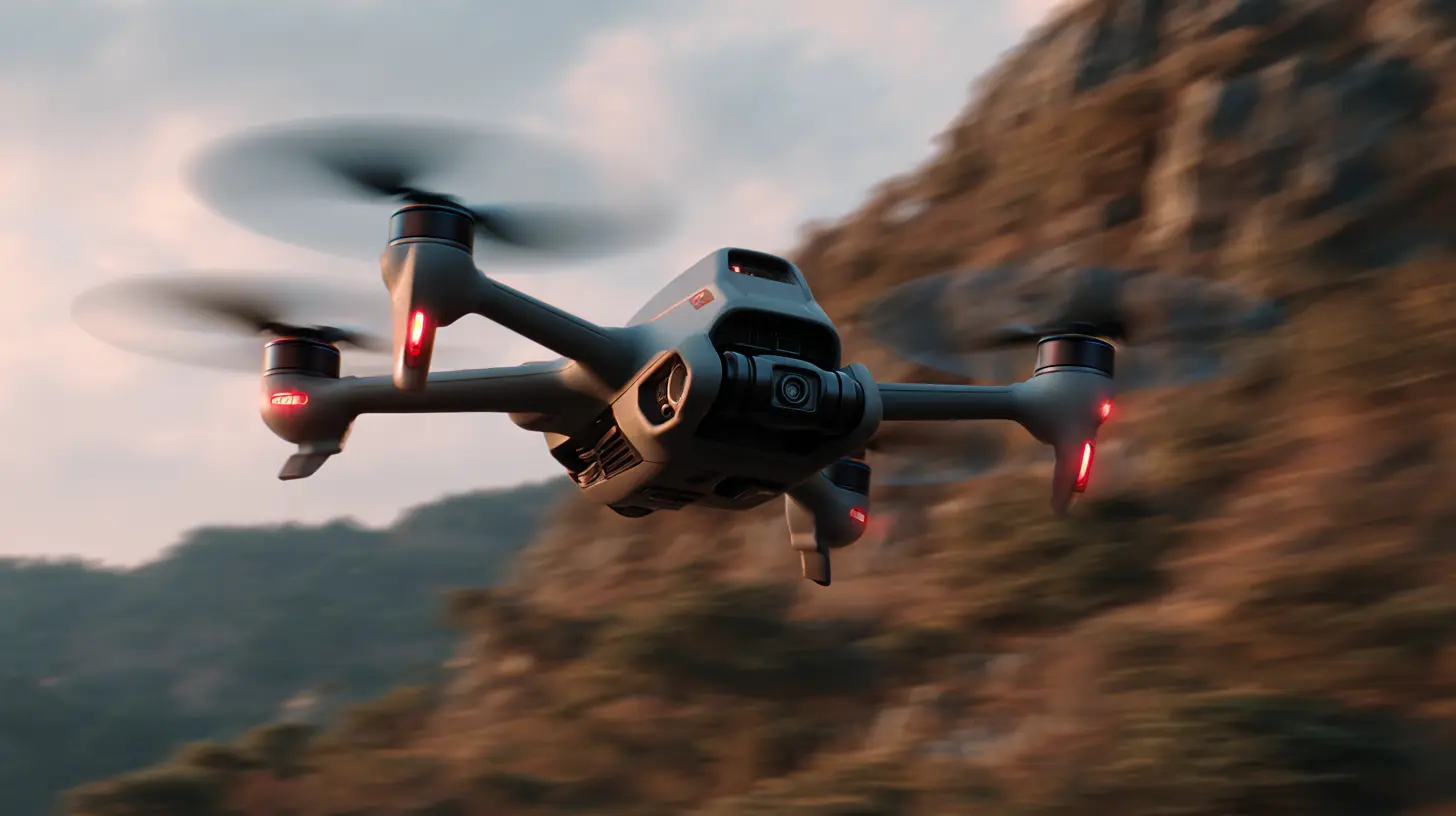
Not everyone wants to fly over mountains. A huge segment of creators are making content inside: weddings in churches, product shots in studios, or action sequences in warehouses. For these applications, you need a drone that is small, agile, and safe. Enter the next generation of cinewhoops.The BetaFPV CineRacer 7 is generating serious buzz in the FPV community. It is a 3-inch drone with a full suite of obstacle avoidance sensors that work indoors. The trick is that it uses time-of-flight sensors rather than cameras, so it can detect glass walls and transparent objects. This is huge because glass is the number one killer of indoor drones. The CineRacer 7 is also whisper-quiet. It uses a new propeller design that reduces noise by 60%, which means you can fly it in a quiet office or a church without sounding like a swarm of angry bees.
For creators who want cinematic FPV shots but don't have the skills to fly manual, this drone offers a "cinematic mode" that smoothes out your stick inputs. It feels like flying on rails. You can do a slow orbit around a subject, and the drone automatically adjusts its yaw and pitch to keep the subject centered. It is the closest thing to a gimbal on a stick that I have ever seen.
The Autonomous Fleet for Commercial Use
Let's shift gears from creators to consumers and small business owners. If you own a farm, a construction company, or a delivery service, 2027 is your year. The most anticipated drone in this space is the Skydio X10 with its new "swarm mode." Skydio has always been the king of obstacle avoidance, and they are taking it to the next level by allowing multiple drones to fly in formation autonomously.Imagine you need to inspect a 100-acre solar farm. Instead of flying one drone for eight hours, you launch a swarm of four drones. They communicate with each other, divide the grid, and fly a coordinated path. They avoid collisions, share battery data, and even hand off tasks if one drone runs low. The pilot just monitors the dashboard from a laptop in the truck. This is not science fiction. The Skydio X10 has already demonstrated this capability in controlled tests, and the commercial rollout is expected in early 2027.
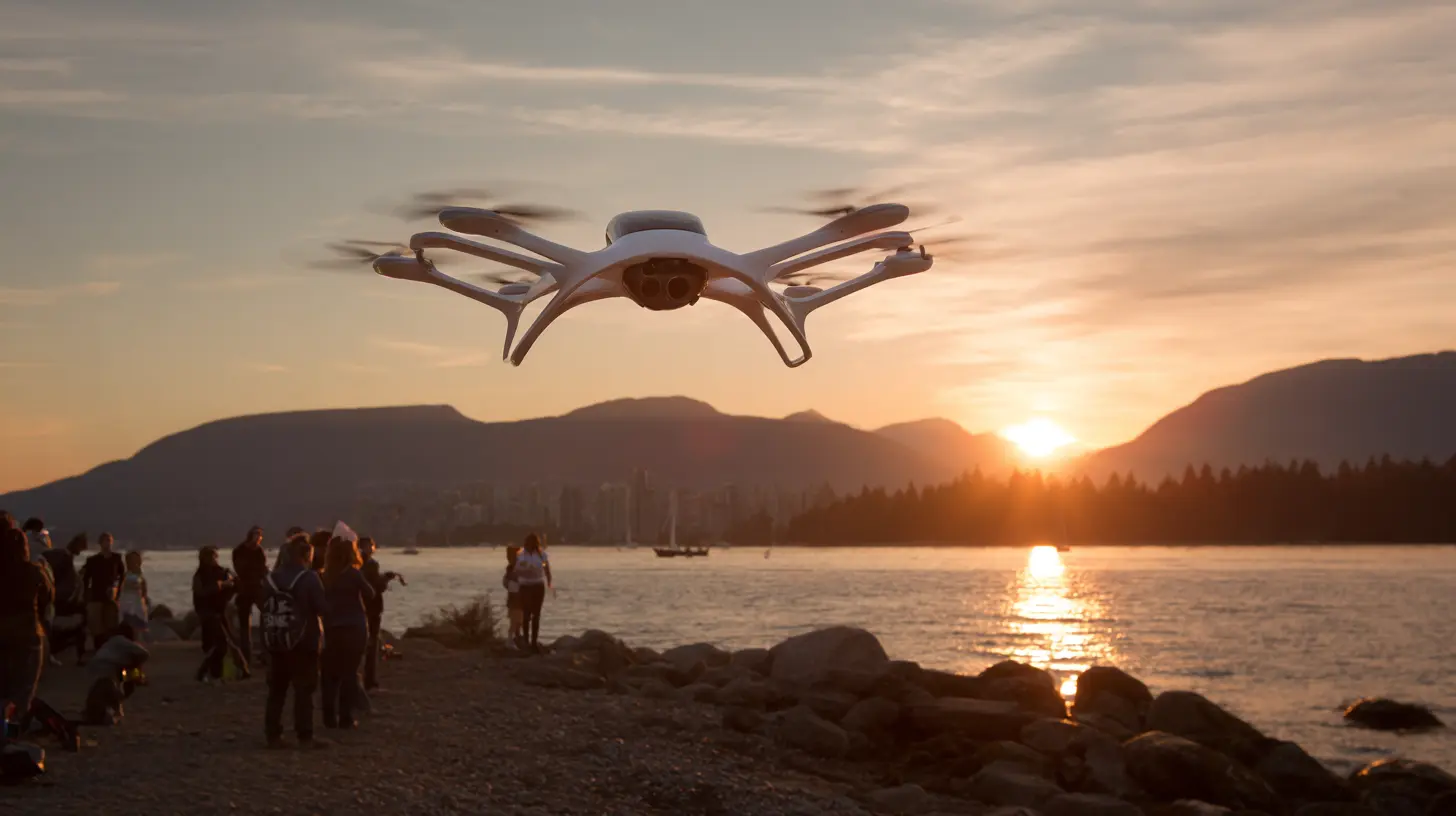
For consumers, this swarm technology trickles down into the "party pack" feature. You and your friends are at a beach house. You each have a drone. Instead of each flying your own, you can link them together. One drone follows the group from above, another does a low tracking shot, and a third captures the sunset. It all syncs automatically. It sounds gimmicky, but once you try it, you will never go back to flying solo.
The FPV Revival: Digital HD Without the Latency
First-person view (FPV) drones have always been a niche for hardcore hobbyists. The goggles were bulky, the video feed was grainy, and the latency made you feel sick. But 2027 is the year FPV goes mainstream. The DJI Goggles 3 and the new Walksnail Avatar HD system are pushing the boundaries of what is possible.The key metric is latency. In 2024, the best systems had around 28ms of latency. That is good for cruising, but not for racing or tight proximity flying. The new Walksnail system promises 12ms latency at 1080p 60fps. That is almost imperceptible. You feel like you are sitting in the drone, not watching a screen. For creators, this opens up possibilities for hyper-immersive content. You can fly through an abandoned factory, dodging beams and pipes, and the footage looks like it was shot on a Steadicam.
The most anticipated FPV drone for creators is the iFlight Chimera7 Pro. It is a long-range cruiser that can fly for 25 minutes with a GoPro on top. It uses a new airframe design that is incredibly stable in wind, which is normally the Achilles' heel of FPV quads. Combined with the new digital goggles, you can fly a mile out over the ocean, capture a stunning sunset, and fly back with a perfect video feed. No glitches. No static. It is the closest thing to a magic carpet ride.
The Ethical and Regulatory Elephant in the Room
Before you rush out to pre-order, we have to talk about the elephant in the room: regulations. 2027 is going to be a messy year for drone laws. The FAA in the US and EASA in Europe are rolling out new rules for autonomous flight and remote ID. Some of the most anticipated drones, like the Skydio swarm, will require special waivers to operate legally in many areas.For creators, this means you need to be smart. The drones themselves are getting smarter, but the laws are lagging behind. My advice is to look for drones that offer "geofencing" that is updatable via the cloud. This ensures you don't accidentally fly into a no-fly zone. Also, look for models that have a built-in "stealth mode" that reduces noise and light pollution. This is not just for sneaky flying; it is for being a good neighbor.
The drone community is going through a puberty of sorts. We are moving from a wild west of hobbyists to a regulated ecosystem. The drones that will win in 2027 are the ones that make compliance easy. DJI is already integrating automatic flight logging that meets the requirements for Part 107 commercial operators. If you are a professional, you cannot afford to fly a drone that does not log everything.
What to Actually Buy in 2027
So, after all that, what should you put on your wishlist? Here is my honest take.If you are a solo creator who wants the best all-around camera drone, get the DJI Air 4S. It will be the Goldilocks drone: not too big, not too small, with a camera that punches above its weight class. If you are a serious filmmaker, wait for the Sony AirPeak II. It will cost a small fortune, but the image quality will be unmatched.
If you are an FPV enthusiast, the iFlight Chimera7 Pro with Walksnail Avatar HD is the setup to beat. It is built for long-range cinematic flights. If you are a commercial operator, the Skydio X10 is the only choice. No other drone comes close in terms of autonomous safety and swarm capability.
And if you just want to have fun? Get the BetaFPV CineRacer 7. It is small, safe, and you can fly it in your backyard without scaring the neighbors.
The Bottom Line
We are entering a golden age for drones. The technology is finally catching up to the imagination. The most anticipated drones of 2027 are not just better versions of what we have; they are fundamentally different machines. They think for themselves. They see obstacles before you do. They compose shots that look like they came from a Hollywood film.But here is the real question: are you ready to trust your camera to a machine that flies itself? Because that is the leap we are all about to take. And honestly? I cannot wait.
all images in this post were generated using AI tools
Category:
Technology ReviewsAuthor:

Michael Robinson
Discussion
rate this article
2 comments
Ace Hurst
While innovation excites, durability and user safety must stay at the forefront of drone development.
June 6, 2026 at 3:26 AM
Meredith McVeigh
Can't wait to see what 2027 has in store for drones!
May 13, 2026 at 3:14 AM
Michael Robinson
Thanks! Exciting developments are on the horizon for sure. Stay tuned!