The Rise of Biometric Wearables: What Are They and Why You Should Care
19 February 2026
Technology is evolving at an electrifying pace, and one of the most exciting advancements in recent years is biometric wearables. From tracking your heart rate to analyzing stress levels, these smart devices are revolutionizing the way we monitor our health and fitness. But what exactly are biometric wearables, and why should you care? Let’s dive in and break it all down. 
What Are Biometric Wearables?
Biometric wearables are smart devices equipped with sensors that track various physiological and biological data points in real-time. These devices go beyond basic fitness tracking and provide in-depth health insights, making them invaluable for both personal wellness and medical applications.Types of Biometric Wearables
Biometric wearables come in many forms, each designed to track different aspects of your body’s performance:- Smartwatches (like the Apple Watch or Fitbit) – Track heart rate, blood oxygen levels, sleep patterns, and more.
- Fitness Bands – Focus on activity tracking, step counting, and heart rate monitoring.
- Smart Rings (such as the Oura Ring) – Provide discreet health tracking, including sleep quality, body temperature, and stress levels.
- Smart Glasses – Some models integrate biometric sensors to track eye movement, fatigue, and even brain activity.
- Wearable ECG Monitors – Devices that can detect abnormal heart rhythms and even AFib (atrial fibrillation).
- Skin Patches – Track glucose levels for diabetics or monitor hydration and sweat composition.
These devices are more than just fancy gadgets; they offer real-time insights into your body's well-being, helping you stay healthy and proactive. 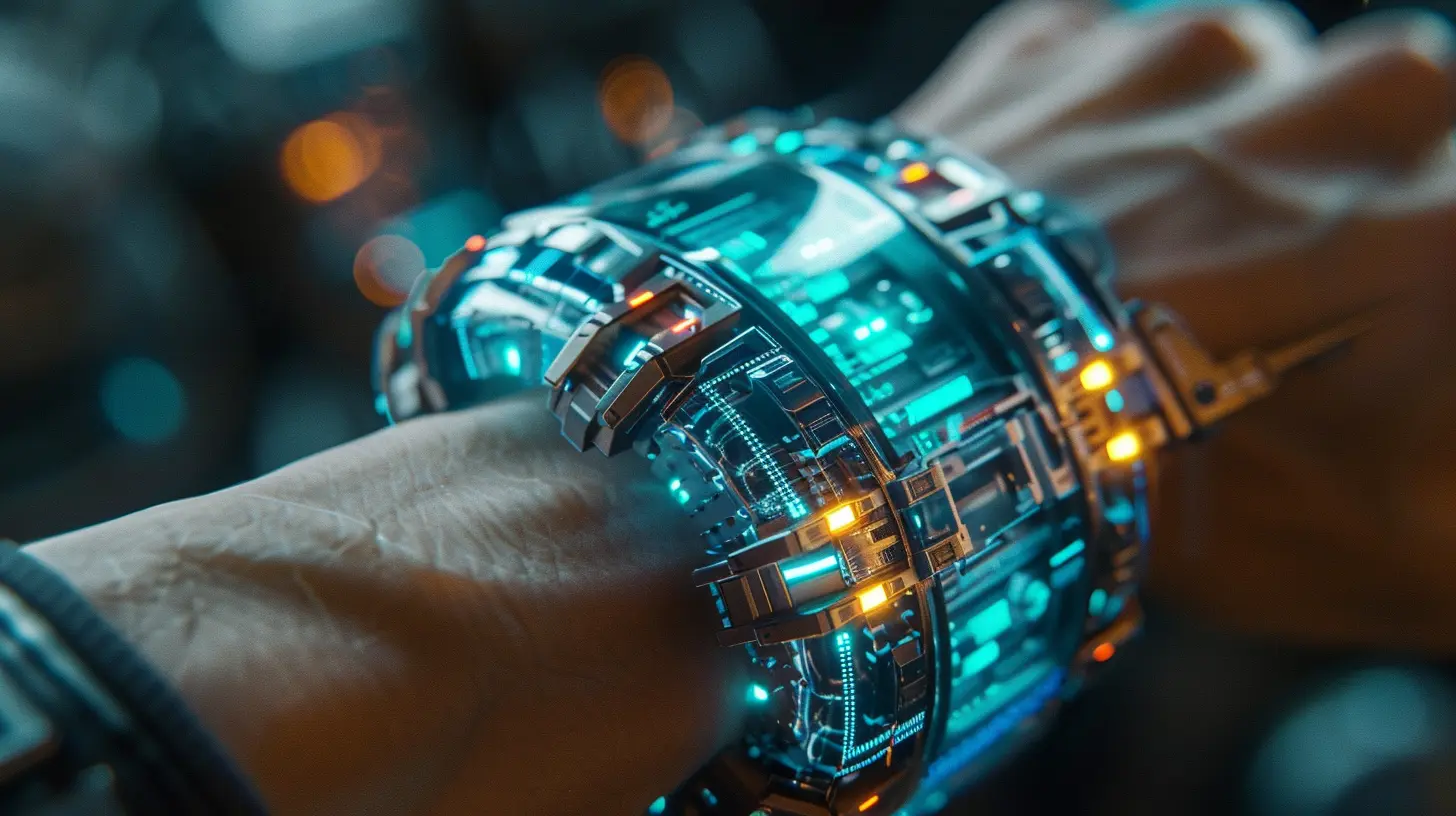
Why Are Biometric Wearables Gaining Popularity?
The surge in biometric wearables isn’t just a passing fad. There are several strong reasons why more people are embracing these cutting-edge health monitoring tools.1. A Shift Towards Preventive Healthcare
Instead of waiting for symptoms to appear, biometric wearables help you detect potential health issues before they escalate. By continuously monitoring key health indicators, they empower users to make lifestyle changes that prevent illnesses rather than just treating them.2. Real-Time Health Monitoring
These wearables provide instant feedback on important metrics like heart rate variability, oxygen saturation, and sleep quality. Imagine being able to detect irregularities early and taking action before they turn into bigger health concerns!3. Personalized Fitness Optimization
Fitness enthusiasts love biometric wearables because they provide tailored insights based on individual data. Whether you're training for a marathon or just trying to stay active, these devices help you optimize workouts, track recovery times, and measure exertion levels.4. Better Sleep Tracking for Improved Rest
Sleep is crucial for overall health, and biometric wearables can uncover hidden sleep problems. They analyze your sleep stages, track disruptions, and even provide actionable insights to improve rest. Who wouldn’t want to wake up feeling refreshed and energized?5. Stress & Mental Health Monitoring
Stress and anxiety are growing concerns in today’s fast-paced world. Some wearables now come equipped with stress detection features, monitoring changes in heart rate and skin temperature to identify signs of anxiety. Many even offer guided breathing exercises to help manage stress effectively.6. Medical Applications & Chronic Disease Management
People dealing with chronic conditions, such as diabetes or heart disease, can benefit immensely from biometric wearables. Devices like continuous glucose monitors (CGMs) allow diabetics to track blood sugar levels without constant finger pricking, making daily management easier and more accurate.
How Biometric Wearables Are Changing Lives
Let’s talk about the real impact these wearables have on everyday life. Imagine running a marathon and receiving alerts that your hydration levels are dropping. Or, picture a situation where your wearable detects irregular heartbeats, prompting you to seek medical help early—potentially saving your life.Here are some real-world benefits people experience daily:
- Detecting Heart Conditions Early – Many smartwatch users have received warnings about irregular heart rates, leading to early diagnoses of serious conditions.
- Helping Diabetics Manage Glucose More Easily – Continuous glucose monitors eliminate the need for frequent finger pricks.
- Encouraging Healthier Lifestyles – Daily step counts, standing reminders, and movement alerts keep people active.
- Tracking Women’s Health More Accurately – Menstrual cycle tracking and fertility monitoring are game-changers for women’s well-being. 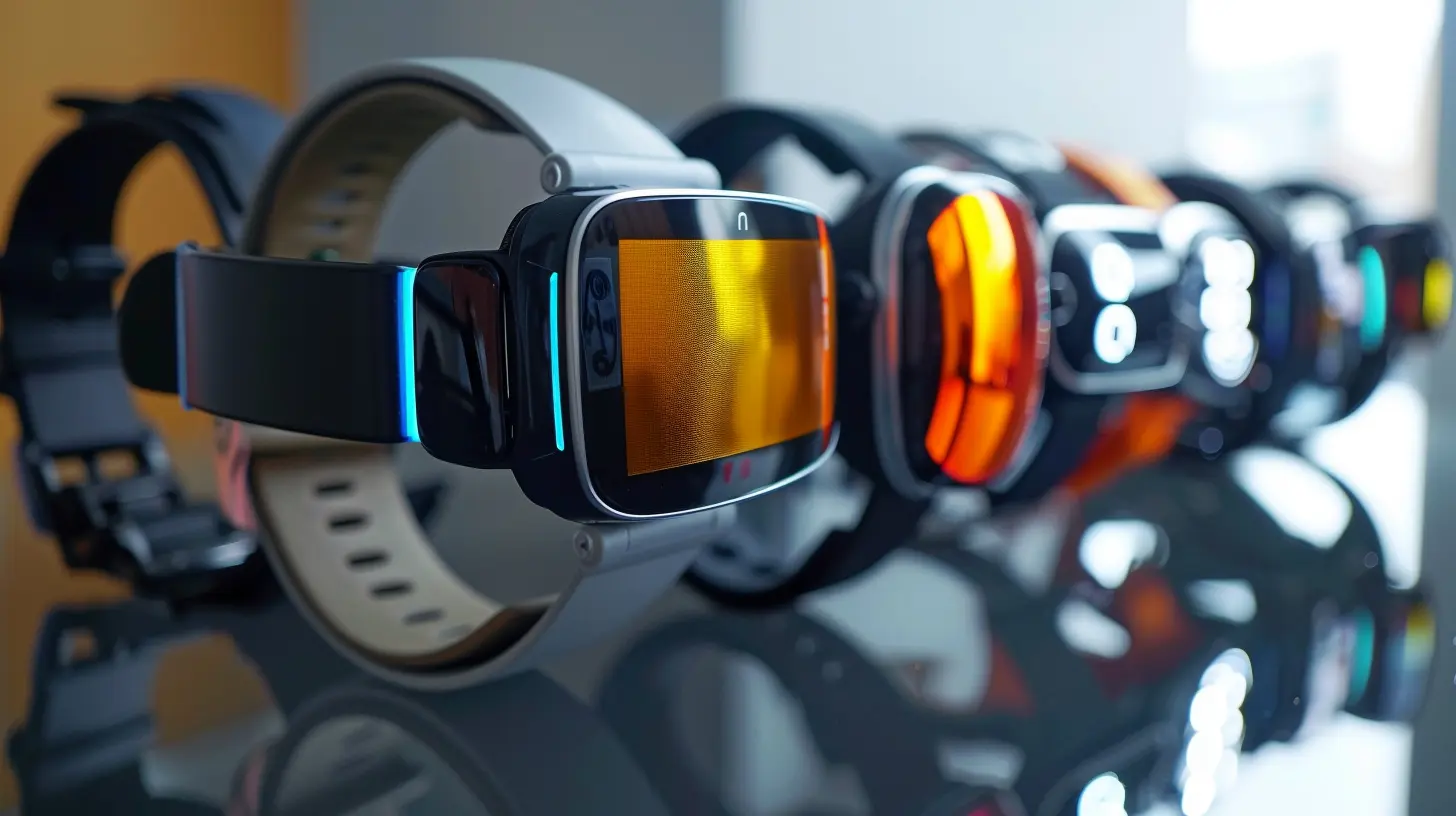
Are There Any Downsides?
Like any technological advancement, biometric wearables come with a few concerns. Let’s be real—no device is perfect.Privacy & Data Security
Since biometric wearables collect sensitive health data, privacy concerns are valid. Some fear that insurance companies, employers, or hackers could access this data and misuse it. It’s crucial to use wearables from trusted brands that offer strong encryption and data protection policies.Over-Reliance on Technology
While these devices provide fantastic insights, they shouldn’t replace professional medical advice. A wearable might alert you to an issue, but only a doctor can diagnose and treat actual conditions.Battery Life & Maintenance
Most biometric wearables need frequent charging, which can be a hassle for users who prefer a "set it and forget it" approach. Some advanced devices also require periodic recalibrations to ensure accuracy.The Future of Biometric Wearables
So, where is this technology headed? Well, the future looks incredibly promising!- More Accurate Health Tracking – Advanced AI and machine learning will improve the precision of biometric readings, reducing false alarms and improving reliability.
- Non-Invasive Blood Sugar Monitoring – Companies are working on wearables that track glucose levels without needles.
- Wearable Tech in Clothing – Smart t-shirts, socks, and even underwear with built-in biometric sensors could provide 24/7 health monitoring.
- Mental Health Enhancement – Future wearables might monitor brain activity and detect signs of depression or anxiety early.
The integration of biometric data with artificial intelligence and telemedicine will make healthcare even more personalized and accessible in the coming years.
Should You Get a Biometric Wearable?
At this point, you might be wondering: Are these devices worth it? The answer depends on your personal health goals and lifestyle.✅ If you're someone who loves fitness tracking, wants to improve sleep, or is managing a health condition, a biometric wearable could be a game-changer.
❌ If you're concerned about privacy or don’t like wearing devices constantly, you might want to hold off until more secure options emerge.
Either way, it's clear that biometric wearables are here to stay, and they are shaping the future of personal health monitoring in ways we never imagined.
Final Thoughts
Biometric wearables are no longer just futuristic gimmicks—they are powerful health tools that can help you take control of your well-being like never before. From tracking your daily activity to providing life-saving alerts, these devices are redefining how we monitor our bodies.Whether you're a fitness enthusiast, a health-conscious individual, or someone managing a chronic illness, biometric wearables offer valuable insights that can lead to a healthier and better life. So, are you ready to embrace the future of health tech?
all images in this post were generated using AI tools
Category:
Wearable DevicesAuthor:

Michael Robinson
Discussion
rate this article
2 comments
Sabrina McGee
Biometric wearables are more than just tech trends; they're personal health revolutionaries. Embrace the future—your body’s data is about to become the ultimate currency!
March 16, 2026 at 4:42 AM
Michael Robinson
Thank you for your insightful comment! Indeed, biometric wearables have the potential to transform personal health management by empowering individuals with data-driven insights. Embracing this technology can lead to better health outcomes and a more informed approach to wellness.
Molly McQuaid
Biometric wearables are revolutionizing personal health and security. With their ability to provide real-time insights and enhance safety, these devices are not just a trend; they're essential for anyone looking to optimize their lifestyle and well-being. Embrace the future!
February 20, 2026 at 3:58 AM
Michael Robinson
Thank you for your insightful comment! I completely agree—biometric wearables are indeed transforming how we approach health and security, making them indispensable tools for enhancing our lifestyles.