The Rise of Community Solar Programs: Powering Neighborhoods Together
5 January 2026
Let’s face it—energy bills aren’t getting any cheaper, climate change is here knocking louder than ever, and the idea of living a little greener isn’t just trendy anymore—it’s necessary. But what if you could help save the planet, cut your electric bills, and team up with your neighbors all at the same time?
Enter community solar programs.
They’re like the neighborhood potluck of renewable energy. Instead of everyone trying to cook their own gourmet dish (i.e., install rooftop solar), we all chip in to make something amazing together. Sounds good? Let’s break it down.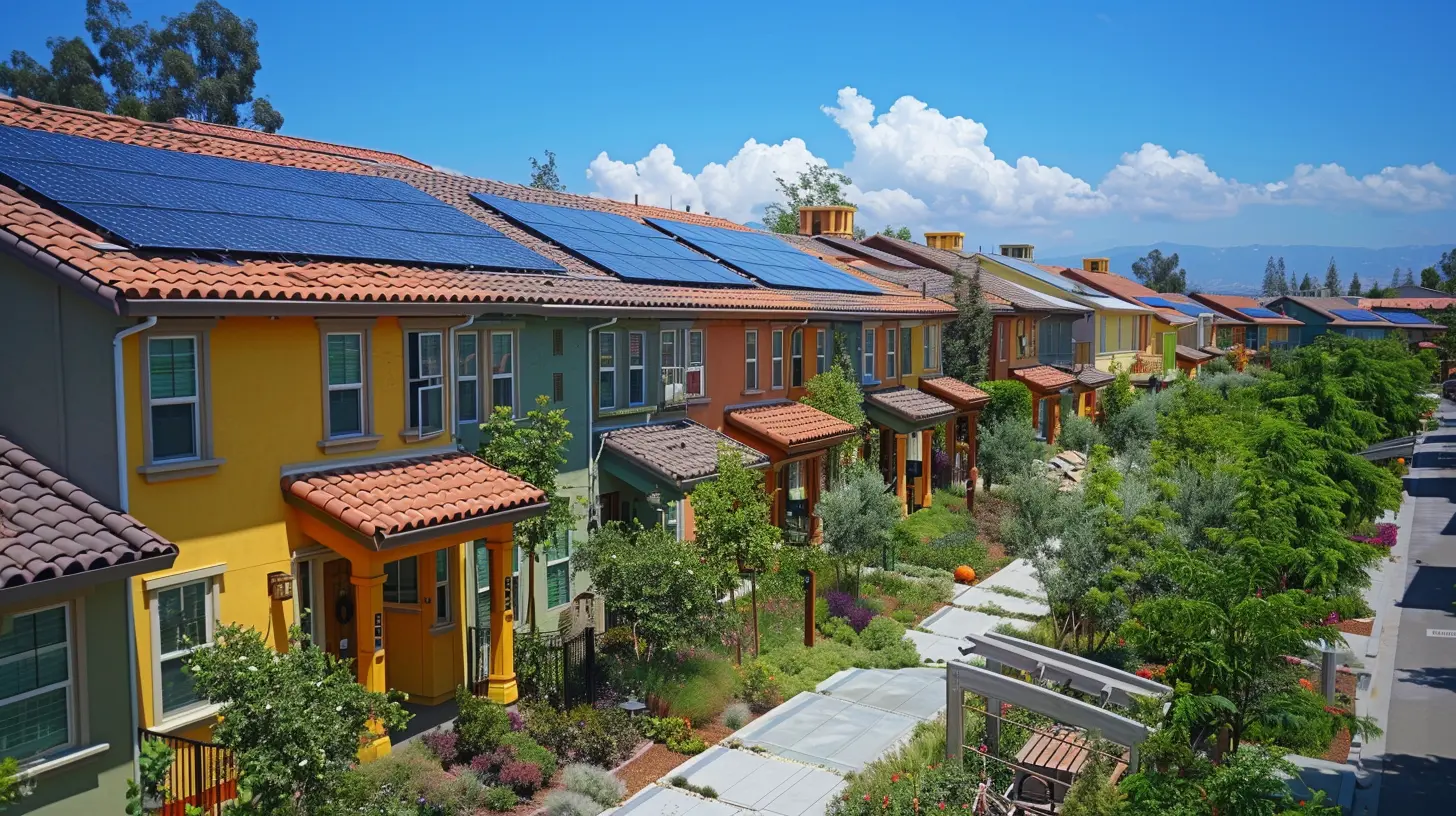
What Are Community Solar Programs, Anyway?
Imagine you want solar power but can’t install panels on your roof. Maybe you're renting, your roof's shaded by those gorgeous oak trees, or the upfront costs make you gulp. That’s where community solar programs shine (pun fully intended).A community solar program, also called a shared solar program, allows multiple people to benefit from a single solar array located in their community or nearby. You don’t need to own property or invest in a full system—just subscribe to a portion of a shared solar project and receive credits on your electric bill based on your share of the energy generated.
It’s like Spotify for solar—you subscribe, enjoy the benefits, and don’t worry about installing anything on your house.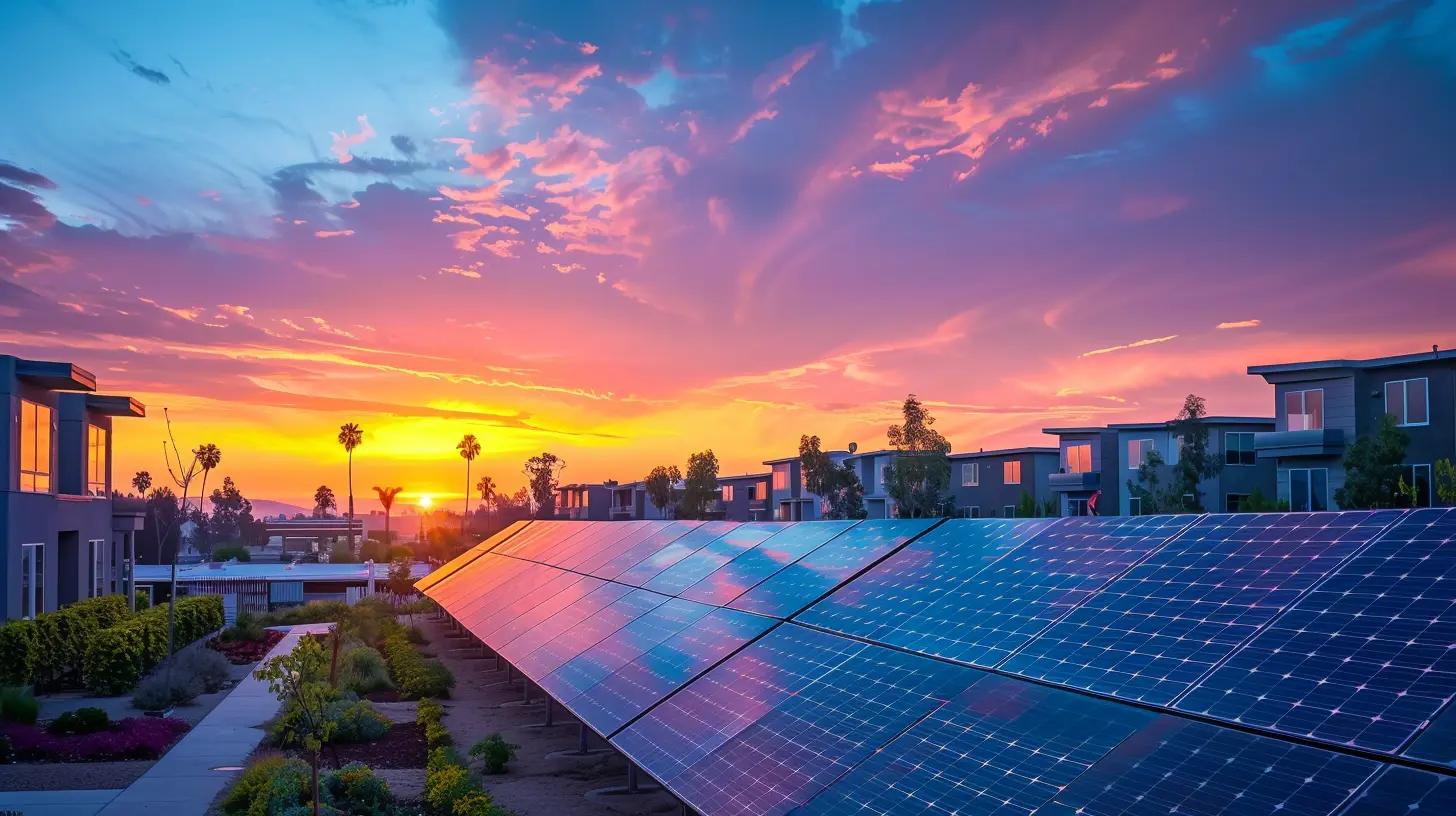
Why Are These Programs Gaining So Much Traction?
So, why are people leaning into this new way of doing solar? Well, for starters, it’s way more democratic. Traditional rooftop solar has a few barriers—cost, space, and ownership. Community solar gives more people a ticket to ride the clean energy train.Here’s what’s driving the boom in community solar:
1. Accessibility Like Never Before
You don’t need to be a homeowner. You don’t need to own a perfect south-facing roof. Heck, you don’t even have to live near the panels. As long as you are in the same utility area, you can often join.This opens the doors to renters, apartment dwellers, and lower-income families who’ve been left out of the solar game for years.
2. Affordable and Flexible
Compared to installing solar on your own property, subscribing to a community solar project is low-risk and often low-cost. Some programs don’t even require upfront payments.Many offer immediate savings—think 5% to 15% off your monthly electricity bill. That's money back in your pocket every month.
3. Environmental Impact Without the Hassle
Want to reduce your carbon footprint but can’t deal with installers, maintenance, and permits? Community solar handles the logistics. You simply join and enjoy clean energy benefits without lifting a finger.Not all heroes wear capes—some just join a solar project.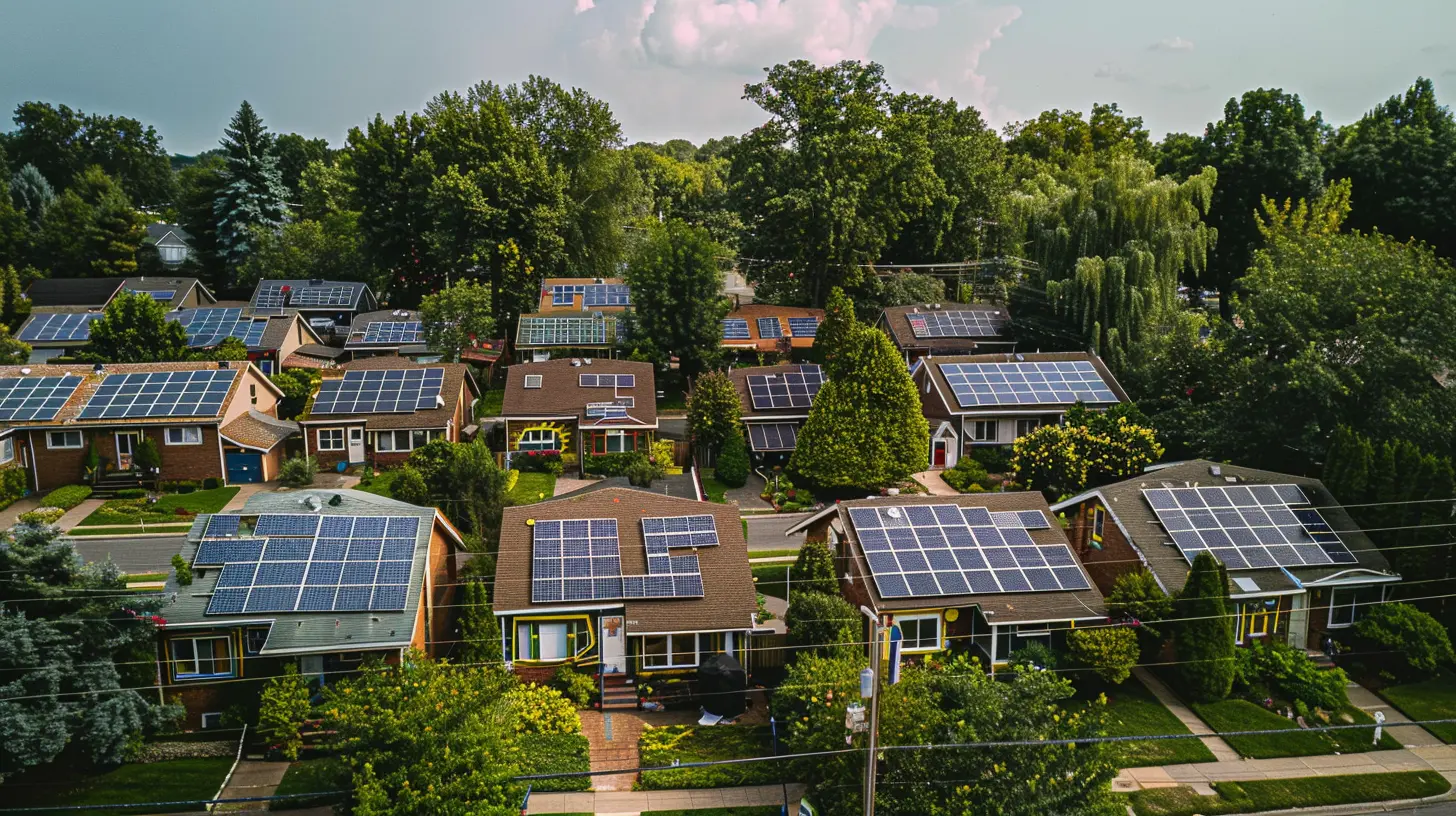
How Do Community Solar Programs Work?
Let’s break it down Barney-style.1. Solar Array is Built
A solar developer installs a solar farm—usually a field of panels on unused land, commercial rooftops, or brownfields.
2. People Sign Up
Community members subscribe to a share of the solar power generated. Your share is based on your average monthly electricity use.
3. Power is Sent to the Grid
Electricity flows straight from the solar farm into the local power grid.
4. You Get Bill Credits
Your utility applies solar credits to your electric bill, lowering your monthly amount due.
You’re basically swapping part of your traditional electricity bill for solar credits. And the best part? You still have power during storms, cloudy days, and spike demand because the utility grid still has your back.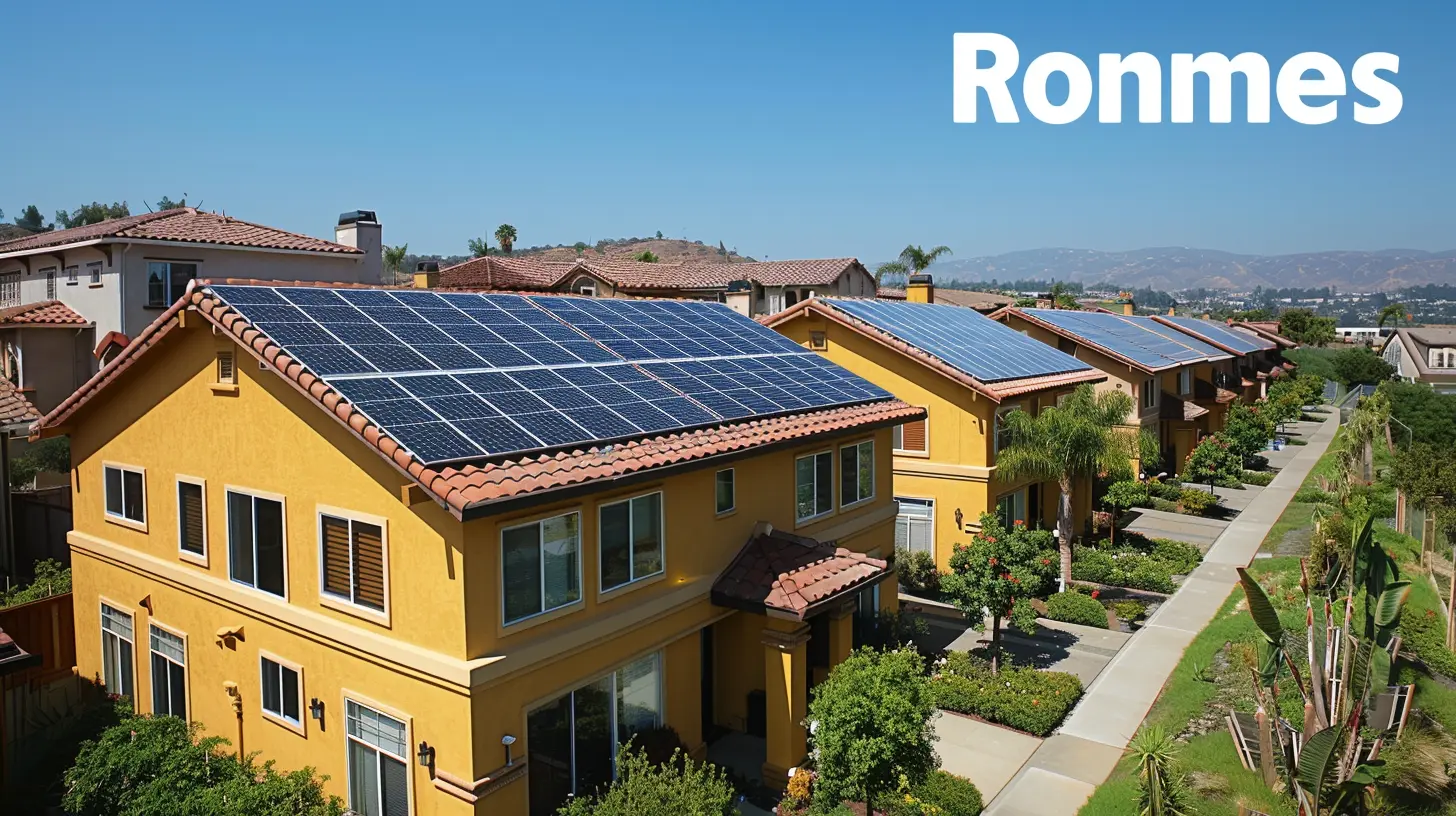
Benefits That Hit Close to Home
Still wondering what's in it for you and your neighborhood? The perks go well beyond just saving money.✅ Reduced Carbon Footprint
By participating in shared solar, you're directly supporting clean energy growth and reducing emissions. Each participant helps take pressure off fossil fuel plants and moves the needle toward sustainability.✅ Strengthened Communities
There’s something powerful about people coming together to solve a common problem. Community solar is more than just energy—it builds actual communities united by purpose.Some programs even prioritize local hiring, education, and investment, bringing jobs and opportunities into the neighborhood.
✅ Resiliency and Local Control
The more communities generate their own power, the less they rely on centralized utilities and fossil fuels. That means improved energy independence and more resilience during outages or grid disruptions.Where Are Community Solar Programs Popping Up?
Spoiler alert: they’re spreading fast.A few states are leading the charge:
- New York
One of the most robust community solar markets, thanks to statewide incentives and regulatory support.
- Colorado
A pioneer in community solar development, with innovative programs and strong adoption.
- Minnesota
The state with one of the largest community solar programs in the U.S., especially around the Minneapolis–Saint Paul area.
- Massachusetts
Aggressively pushing renewables with community solar as a key player.
Other states like California, Illinois, Maryland, and New Jersey are also stepping up.
But don’t worry if your state isn’t on the list. Many utility companies and renewable energy advocates are pushing for national policy changes to expand access everywhere.
Is It Too Good to Be True?
Great question. Like anything, community solar isn’t perfect or one-size-fits-all. Here’s what to keep in mind:🛠 Contracts and Terms Vary
Some programs offer month-to-month flexibility, while others want a longer commitment. Always read the fine print.⚖ Availability Can Be Limited
Depending on where you live, there might be waitlists, or no available subscriptions yet. The demand is growing fast!🧮 Not Always Massive Savings
Yes, you’ll likely save money—but don’t expect to cut your bill in half unless you’re offsetting a large portion of your usage.If you go in with realistic expectations and do your homework, there’s very little downside.
How to Get Started with Community Solar
Ready to dip your toes into clean energy without the upfront cost of rooftop panels? Here's how to begin:1. Check Eligibility in Your State
Start by Googling "community solar + [your state]" or checking local government energy websites.
2. Find an Approved Provider
Many developers and utility companies offer community solar subscriptions. Make sure they’re licensed and have good customer reviews.
3. Review Subscription Options
Compare terms, contract lengths, savings estimates, and cancellation policies. Some programs even offer dashboards so you can track your share of energy production.
4. Sign Up and Sit Back
Once you're enrolled, just keep an eye out for those glorious credits on your utility bill.
The Future of Energy Is Shared
We’re in the middle of a serious energy revolution. Traditional models are slowly but surely giving way to cleaner, smarter, and more inclusive alternatives.Community solar is not just a trend—it’s a movement.
Whether you rent your home, live in a condo, or just aren't ready for rooftop panels, community solar gives you a seat at the renewable energy table. It’s a chance to say “I helped power the future,” without splurging on a solar setup or studying how photovoltaics work.
So, next time you're chatting with your neighbor over the fence, skip the weather talk and ask if they’ve checked out community solar. Who knows? Your whole block might light up—together.
Quick FAQs
Q: Can I join a community solar project if I already have rooftop solar?A: Generally, no. Community solar is designed for those who don’t have solar installed. But it varies by program.
Q: What if I move?
A: Many programs let you transfer your subscription if you move within the service area. Otherwise, you might be able to cancel or transfer it to another person.
Q: Will I still get a utility bill?
A: Yep. But it’ll be lower, thanks to the credits from your solar share.
Final Thoughts
Community solar is one of those rare win-win-win situations: good for your wallet, great for the planet, and awesome for building stronger, more sustainable communities.It’s like carpooling to the future, and there’s room in the van for everyone.
If you’ve been sitting on the sidelines wondering if solar is right for you, community solar might just be the no-fuss on-ramp you’ve been waiting for.
So go ahead—power your neighborhood, help the environment, and save some cash. All without a single rooftop panel.
all images in this post were generated using AI tools
Category:
Renewable EnergyAuthor:

Michael Robinson
Discussion
rate this article
2 comments
Petra Collins
Community solar programs foster collaboration and sustainability, empowering neighborhoods to embrace renewable energy and reduce dependence on traditional power sources.
February 6, 2026 at 12:31 PM
Michael Robinson
Thank you for your insightful comment! I completely agree that community solar programs are a powerful way to unite neighborhoods in the transition to renewable energy.
Aria Love
Community solar programs empower neighborhoods by promoting sustainable energy and reducing costs for all participants.
January 7, 2026 at 4:33 AM
Michael Robinson
Thank you for highlighting the benefits of community solar programs! They truly foster collaboration and sustainability in our neighborhoods.