The Role of Haptics in Enhancing Virtual Reality Experiences
29 December 2025
Virtual reality (VR) is pretty mind-blowing, don’t you think? It’s like you're stepping into another world, whether you're fighting dragons, cruising through space, or even attending a virtual work meeting. But as immersive as VR already is, something crucial is often missing: the sense of touch. That’s where haptics comes in. Haptics is the tech that brings the sense of touch and physical interaction into the virtual world. Imagine feeling the weight of a sword in your hand or the texture of a surface you’re running your hand over. Sounds cool, right?
In this article, we’re going to dive deep into the role of haptics in enhancing virtual reality experiences. We'll cover what haptics actually is, how it works, and why it’s shaping up to be a game-changer in VR. If you’re all about the future of tech or just curious about how VR is evolving, stick around!
What Exactly Is Haptics?
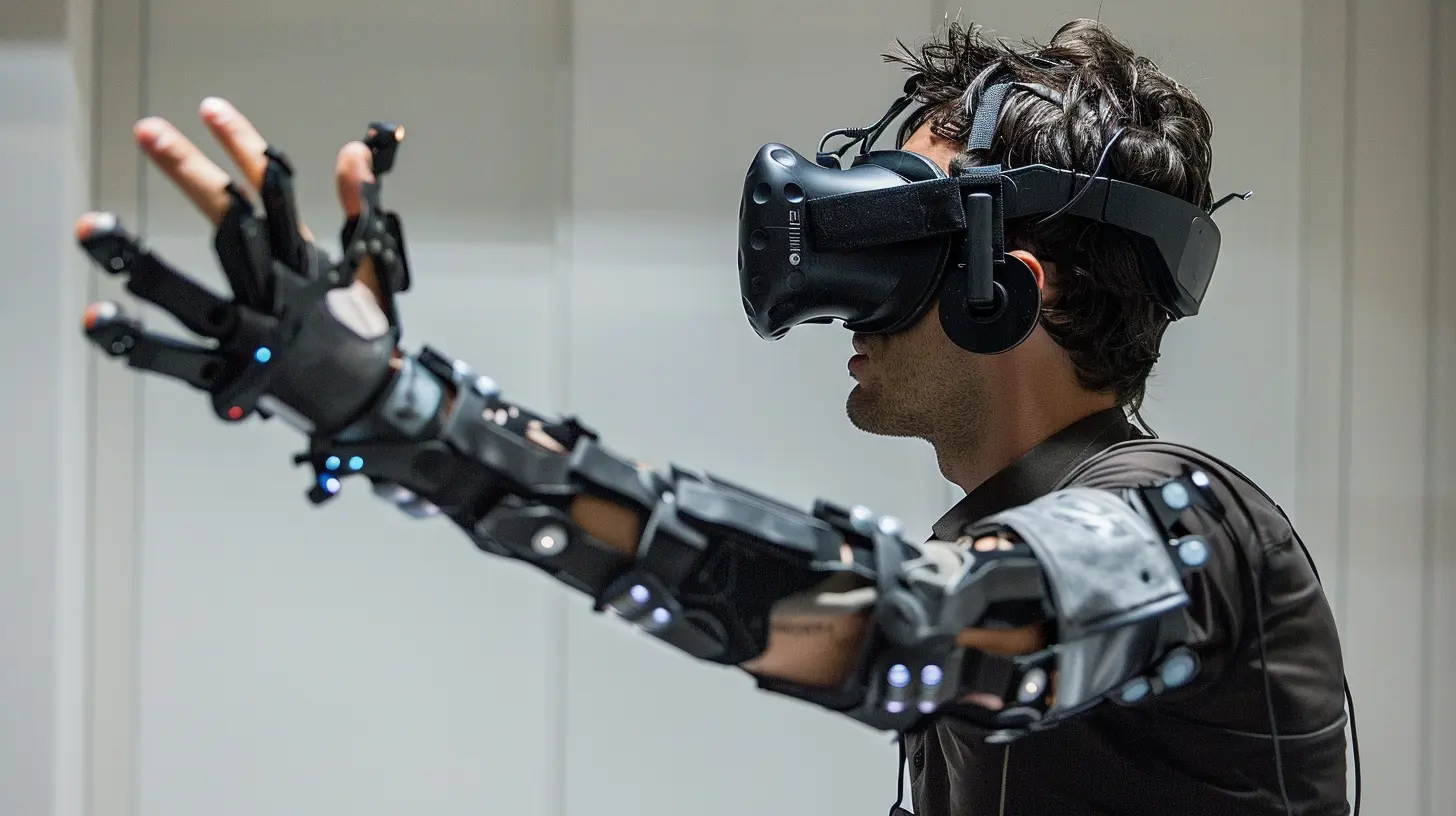
Let’s start with the basics. When we talk about "haptics," we’re referring to the technology that enables you to feel things in a digital or virtual environment. The word "haptic" comes from the Greek word "haptikos," which means "able to touch or perceive." In the tech world, it’s all about simulating sensations like vibration, pressure, and texture.You’ve probably already experienced some form of haptics without even realizing it. Think about the vibrating sensation you get when your phone rings or when you press certain buttons on a touchscreen. That’s a basic form of haptics, and in virtual reality, it takes things to a whole new level. In VR, haptics can provide feedback that mimics real-world sensations, making the experience feel even more immersive.
The Different Types of Haptic Feedback
Haptics isn't just about making your controller rumble. There are actually different types of haptic feedback that can be used to enhance your VR experience:1. Tactile Feedback: This is the most common form of haptics and refers to the physical sensations you feel, like vibrations or small forces. Think of it as a "buzz" or “tap” when you interact with an object in VR.
2. Force Feedback: This type of haptic feedback goes deeper. It mimics resistance, weight, or tension. Imagine pulling back a bowstring, and feeling the tension in your hands—that’s force feedback in action.
3. Surface Haptics: This type gives you the sensation of different textures or surfaces. It’s still in its early stages in VR but imagine being able to feel the roughness of a rock or the smoothness of glass in a virtual world!
Each form of haptics adds a layer to the VR experience, making it feel more real and engaging.
Why Haptics is a Game Changer for VR
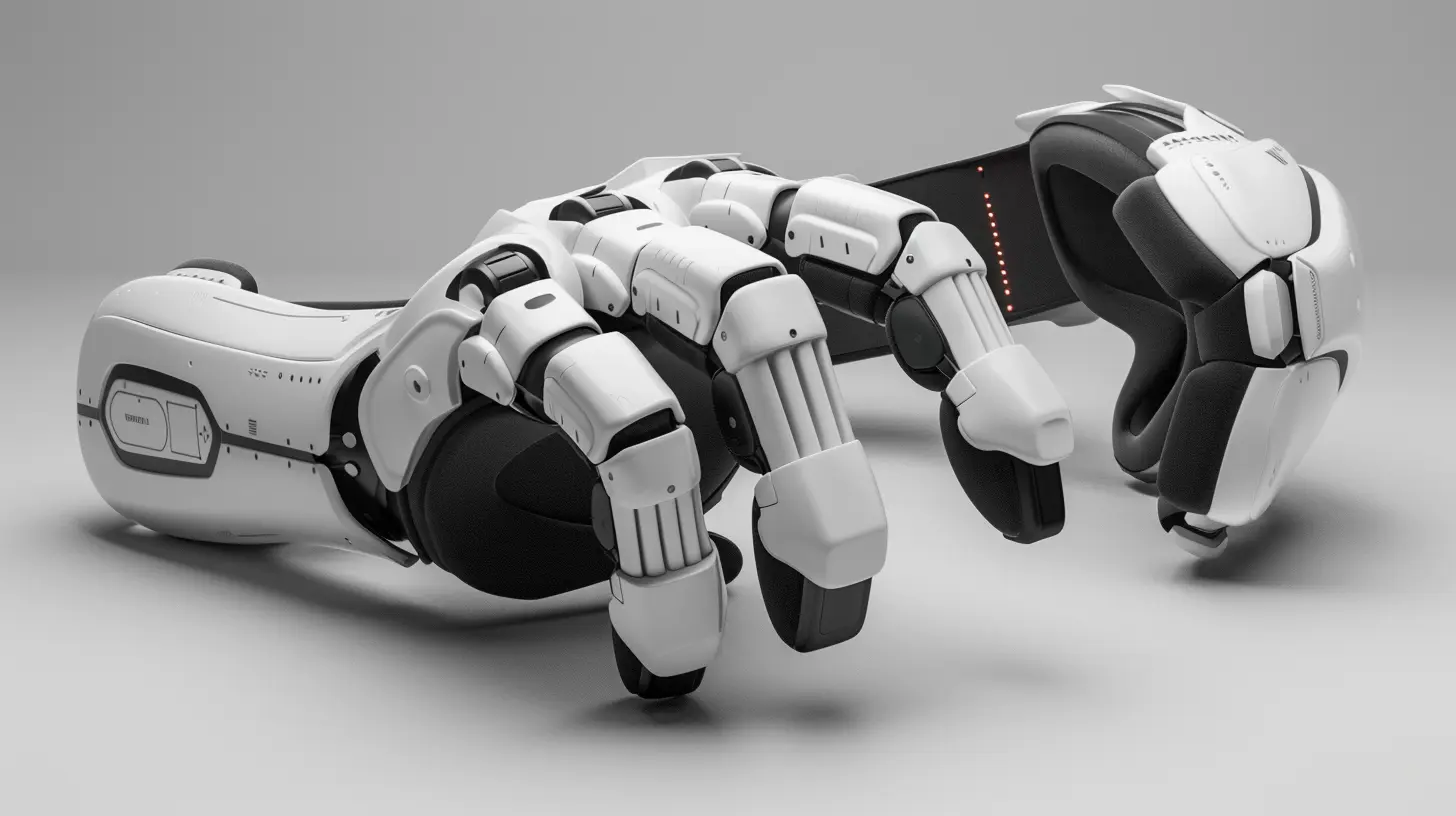
Alright, so now that you know what haptics is, let's talk about why it’s such a big deal for virtual reality. The whole point of VR is to make you feel like you’re really in another world, right? But without the sense of touch, there’s a disconnect. You can see and hear things, but you can’t feel them, which makes the experience incomplete.Here’s why haptics is a game-changer:
1. Increased Immersion
The main reason people love VR is because of how immersive it is. But no matter how good the graphics or sound are, it’s hard to fully lose yourself in the experience without being able to physically interact with your surroundings. Haptics bridges that gap. It’s the missing piece of the puzzle that makes the virtual world feel more real.Imagine you're walking through a virtual forest. You brush your hand against a tree, and with haptic feedback, you can actually feel the rough bark under your fingers. Or, if you’re in a battle, you can feel the recoil of a weapon as you fire it. These sensations make the experience more lifelike, essentially tricking your brain into believing that what you're seeing is real.
2. Improved Interaction and Control
VR can sometimes feel a bit clunky when you’re trying to interact with the virtual environment. You know, like when you try to grab an object but it doesn’t quite feel right? Haptics can change that by providing feedback that makes interactions feel more natural. When you pick up an object, you feel its weight. When you press a button, you feel the click.This is especially important in gaming and training applications. For example, in a VR game, you can feel when you’ve successfully landed a punch or blocked an attack. In a training simulation, like for surgery or flying, you can feel the tools or controls as if they were real, which leads to better muscle memory and training outcomes.
3. Emotional Engagement
Believe it or not, the sense of touch plays a big role in how we experience emotions. Think about how comforting a warm hug can be or how unsettling a sharp poke feels. By adding haptics to VR, developers can tap into that emotional layer, making experiences more engaging and memorable.For instance, in a VR horror game, imagine feeling a creepy sensation on the back of your neck as something sneaks up behind you. Or, in a relaxing meditation app, you could feel the subtle vibrations of a calming breeze. These tactile sensations can enhance the emotional depth of the experience, making it hit harder—or softer, depending on the mood.
How Haptics Works in VR Systems
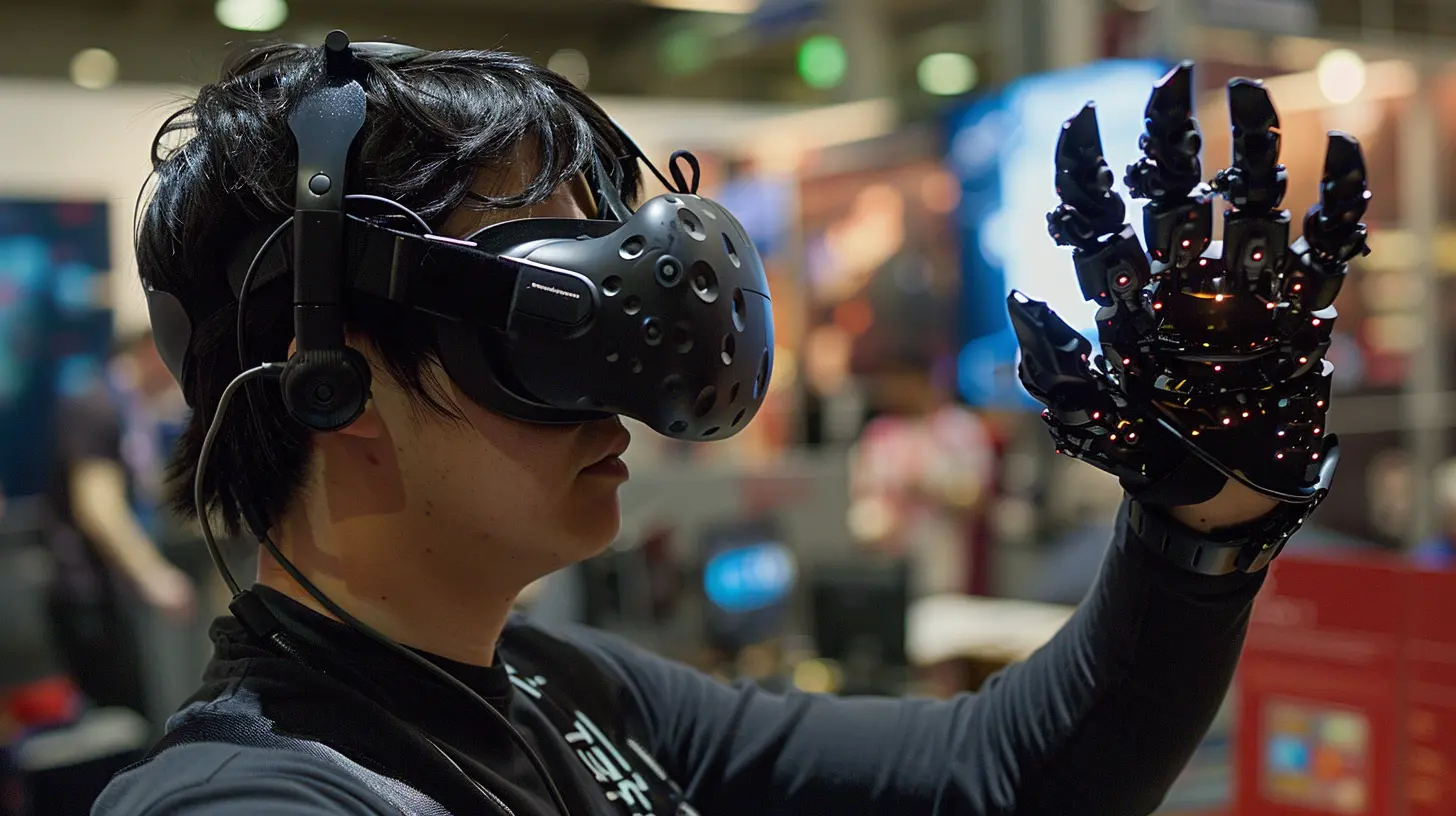
Now, let’s get into the nitty-gritty of how this tech actually works. Integrating haptics into VR isn’t as simple as adding a rumble pack to a controller. It involves complex systems that work together to deliver precise and realistic touch feedback.1. Haptic Gloves
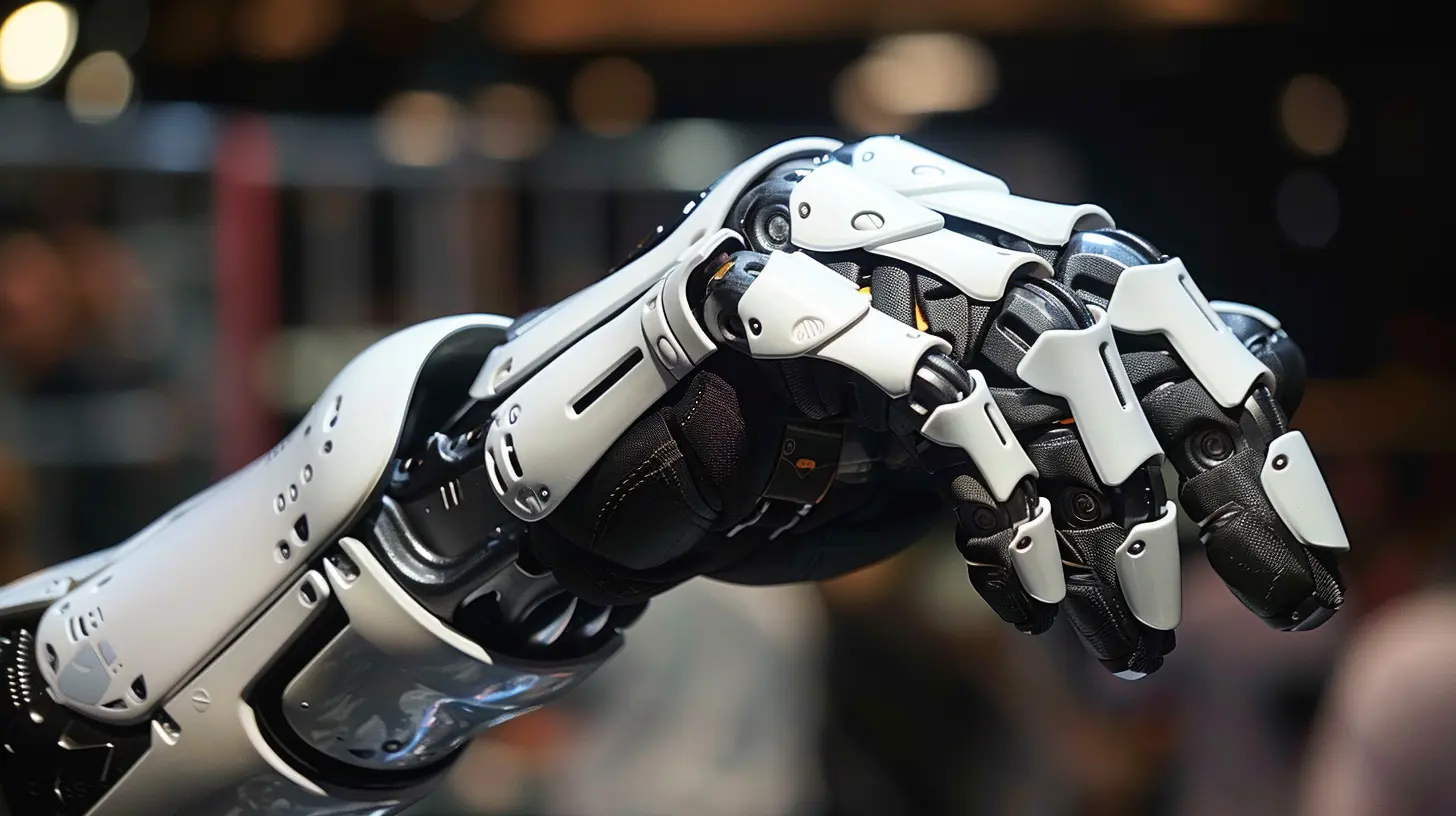
One of the most exciting developments in VR haptics is the rise of haptic gloves. These gloves are designed to let you feel objects and textures in the virtual world. They use small actuators (tiny motors) that apply force and vibrations to your hands, simulating the feeling of touching or holding something. Some gloves even use exoskeleton structures that provide force feedback, like resistance when you try to squeeze or pull something.For instance, if you're in a VR cooking game and you pick up a knife, a haptic glove could simulate the weight of the knife and the texture of its handle. It could even provide resistance when you try to cut through something, making the action feel more realistic.
2. Haptic Suits
Want to take it a step further? Enter haptic suits. These full-body suits are equipped with sensors and actuators that deliver haptic feedback all over your body. Think of it like wearing a second skin that lets you feel everything happening in the virtual world.Imagine playing a VR sports game and feeling the impact of a ball hitting you or the sensation of running through water. That’s the kind of full-body immersion that haptic suits can offer. They’re still pretty expensive and not widely available yet, but as the technology improves, we could see more affordable versions hitting the market.
3. Haptic Controllers
Most VR systems today use haptic controllers, which are handheld devices that deliver tactile feedback. They vibrate or apply small forces to your hands when you interact with the virtual environment. For instance, if you’re shooting a gun in a VR game, the controller might vibrate to simulate the recoil.While these controllers are a good entry point into haptics, they’re somewhat limited compared to gloves or suits. You can feel general feedback, but not the intricate details of objects or textures.
Where Are We Headed? The Future of Haptics in VR
The world of VR is evolving fast, and haptics is right there at the forefront. So, what does the future look like?1. More Realistic Feedback
As haptic technology advances, we’ll see more precise and varied feedback. Instead of just feeling a vibration, you might be able to feel the difference between touching a soft pillow and a hard rock. The goal is to make the virtual world feel as close to the real world as possible.2. Wider Adoption in Different Industries
Right now, haptics is mostly used in gaming and entertainment, but its applications are expanding into other industries. For example, in healthcare, VR training simulations can use haptics to help surgeons practice delicate procedures with the sensation of real tools. In education, haptics could be used to teach students how to handle complex machinery or tools in a safe, virtual environment.3. Affordability and Accessibility
At the moment, high-end haptic systems like gloves and suits are pretty costly. But as with any new tech, prices will likely come down as the technology becomes more mainstream. This means more people will be able to experience the full immersion that haptics offers.Wrapping It Up: The Role of Haptics in VR
So, there you have it! Haptics is the key to making virtual reality truly immersive. By adding the sense of touch to the visual and auditory elements of VR, haptics can create experiences that feel more real, more interactive, and more emotionally engaging. Whether it’s through haptic gloves, suits, or controllers, this tech is shaping up to be a game-changer for the future of VR.While there’s still a ways to go in terms of affordability and widespread adoption, the potential is huge. From gaming to healthcare to education, haptics is opening up new possibilities for how we interact with virtual environments. So, the next time you’re exploring a virtual world, imagine how much more incredible it would be if you could actually feel it—and know that haptics is making that dream a reality.
all images in this post were generated using AI tools
Category:
Virtual RealityAuthor:

Michael Robinson
Discussion
rate this article
2 comments
Rhett Reynolds
Haptics significantly enrich VR by providing realistic feedback, heightening immersion and user engagement. Great insights!
February 1, 2026 at 11:34 AM
Michael Robinson
Thank you! I'm glad you found the insights on haptics enriching for VR experiences. Your feedback is appreciated!
Lys King
Haptics significantly enrich VR by providing tactile feedback, enhancing immersion and realism, ultimately transforming user experiences in virtual environments.
January 5, 2026 at 8:12 PM
Michael Robinson
Thank you for highlighting the importance of haptics! We believe that tactile feedback is indeed crucial for creating immersive and realistic virtual experiences. Your insights are much appreciated!