The Role of Psychology in High-Stakes Esports Tournaments
28 February 2026
Esports isn't just about who's got the fastest clicks or the sharpest aim — it's also a high-pressure mental battlefield. While millions of fans cheer for their favorite players and teams in arenas or on Twitch streams, what goes on inside a pro gamer’s mind can make or break the entire tournament.
Welcome to the world where psychology meets pixel-perfect plays, where mental focus is just as important as mechanical skill. Let’s dive deep into the role of psychology in high-stakes esports tournaments and why it might just be the secret weapon behind those jaw-dropping plays.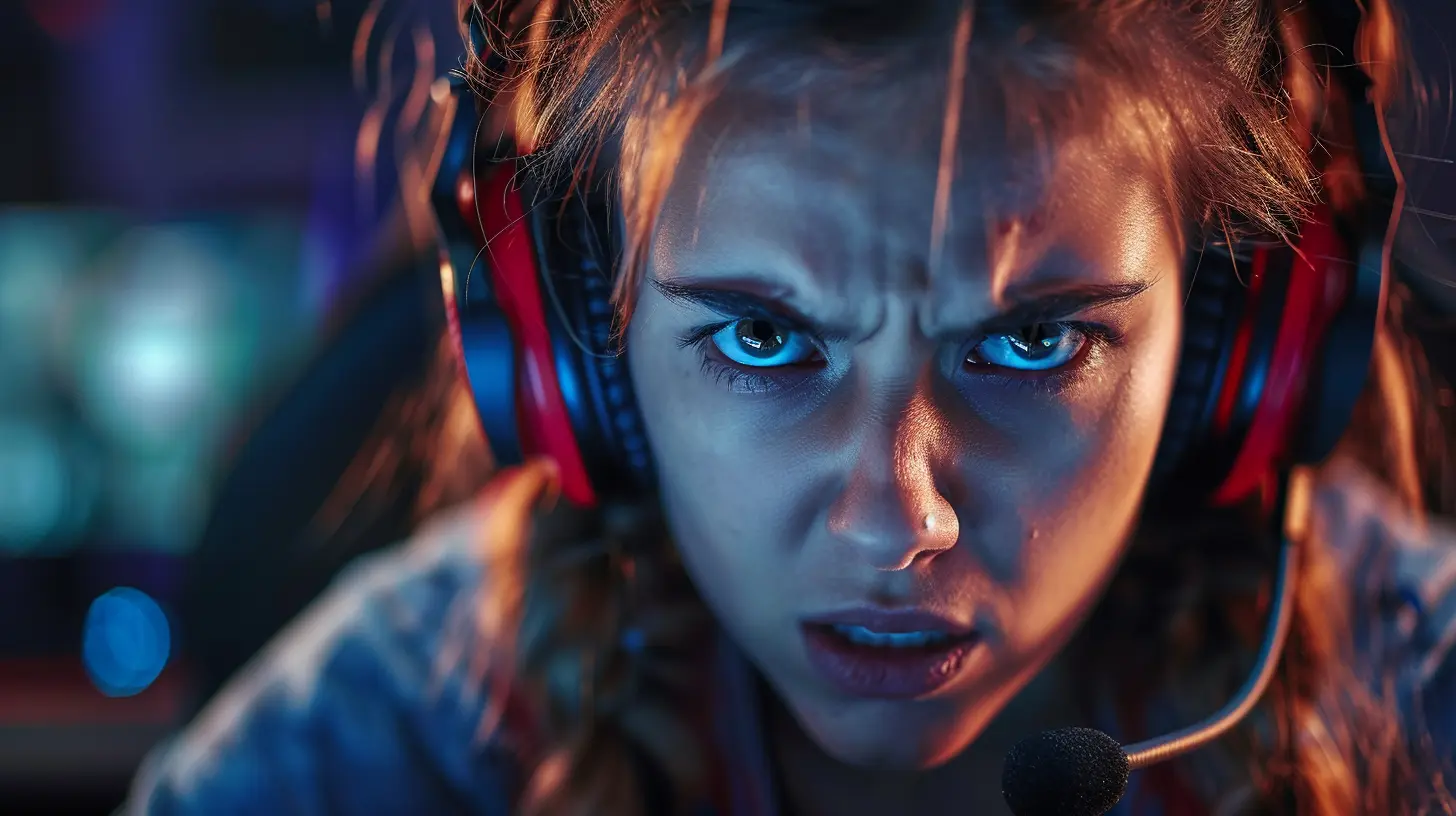
What Makes Esports So Mentally Demanding?
You might think esports is all fun and games – literally. But here’s the truth: pro gamers undergo mental pressure that’s eerily similar to what Olympic athletes feel. Imagine performing in front of a live crowd, knowing millions are watching your every move, while also maintaining pinpoint precision at lightning-fast speeds. That’s no small feat.So, what makes the psychological toll so intense?
- Extreme focus over long periods
- Split-second decision-making
- Social pressure and public scrutiny
- Team collaboration under stress
- High expectations and pressure to win
It’s like playing chess at 200mph—with commentary. No wonder mindset matters.
More Than Just Skill: The Psychological Edge
Let’s get one thing straight: nearly every player at elite tournaments has top-tier mechanical skill. So what's the differentiator? Simple—mental strength.Ever notice how some players seem to come alive under pressure while others crumble? That’s not luck. That's psychology at work.
Sports psychologists refer to this as having a "clutch mindset." These players thrive in tense, high-stakes situations because they’ve trained their brains to remain calm, focused, and confident—even when everything’s on the line.
Take "tilting", for example. If you’ve played competitive games, you know the feeling. One mistake leads to another, and suddenly you're spiraling. Now imagine that happening in the finals of a million-dollar tournament. Oof.
Pre-Match Anxiety: The Invisible Opponent
Butterflies in the stomach? Sweaty palms? Racing heart? These aren’t signs of a bad player; they’re signs of a human player.Pre-match anxiety hits hard in esports. The anticipation, the crowds, the prize pool—it builds up. And if players don’t know how to manage that anxiety, it can mess with their reflexes, decision-making, and overall performance.
Some players rely on rituals like listening to music, meditation, or even breathing exercises to calm their nerves before going live. Others work closely with performance coaches who specialize in mental toughness.
Remember: in esports, your mind is just as much of a “weapon” as your mouse.
Team Dynamics: Psychology of Communication & Trust
Esports isn’t always a solo gig. In team-based games like League of Legends, CS:GO, Valorant, or Overwatch, synergy is everything. You can have five individually brilliant players, but if the vibe’s off? It’s game over.That's where team psychology steps in. Players need:
- Trust: Believing your teammate will have your back—even in the heat of battle.
- Communication: Clear, calm, and quick talk is the difference between a clutch win and a chaotic loss.
- Conflict resolution: Emotions can run wild. Knowing how to work through disagreements without impacting gameplay is huge.
The healthiest teams often have sports psychologists or mental coaches on board to nurture a strong, cohesive mindset. These pros help players develop emotional intelligence, positive reinforcement habits, and ways to bounce back from setbacks as a team.
Pressure Builds Character… Or Does It?
High-stakes tournaments are pressure cookers. With six-figure prize pools, sponsorships on the line, and reputations at stake, the mental challenge is immense.Some athletes rise. Others fold. So what separates the two?
Enter: Performance Psychology.
This branch of psychology revolves around helping athletes operate at peak mental function under stress. In esports, performance coaches work with players on techniques like:- Visualization: Mentally rehearsing plays or outcomes before the game even starts.
- Self-talk: Replacing “I can’t lose” with “I’ve done this before—I’ll do it again.”
- Mindfulness training: Staying grounded in the present, especially during chaos.
- Focus and attention control: Tuning out distractions and staying locked in.
Think of it like mental weight training. The more you exercise these muscles, the more resilient you become when the stakes are sky high.
Mental Fatigue: The Hidden Saboteur
Ever wonder why players get subbed out or why burnout is such a big issue in esports?It’s because mental fatigue is real. Unlike traditional sports where physical endurance is king, in esports, mental stamina takes the crown. Competitive matches can last hours, and maintaining laser-sharp focus for that long? Brutal.
Fatigued players:
- Miss key details
- Make poor decisions
- Lose reaction time
- Struggle with communication
It’s like trying to beat a boss fight with an empty energy bar. No amount of practice will help if the brain is out of gas.
That's why mental recovery—sleep, breaks, nutrition, even digital detoxes—is just as vital as mechanical training.
The Rise of Esports Psychologists
In recent years, esports orgs have started to take mental training seriously. Big-name teams now invest in in-house psychologists or partner with sports performance specialists to give their players an edge.And it’s paying off.
These coaches help players build resilience, regulate emotions, overcome performance anxiety, and build mental routines that keep them sharp during matches.
Some even assist with post-game decompression—because reliving a tough loss on loop isn’t helpful. The goal is developing a mindset geared toward growth, not guilt.
Case Studies: When Psychology Changed the Game
Let’s take a look at why psychology isn’t just fluff—it’s clutch.1. OG Dota 2's Epic Comeback
In The International 2018 and 2019, OG became back-to-back champions. But what few people know is how much of their success came from mental resilience. The team emphasized emotional intelligence, vulnerability, and open communication—something rare in a cutthroat scene.They weren’t just mechanically good—they were mentally united.
2. Faker's Enduring Legacy
League of Legends icon Faker is known for his legendary focus and composure. His ability to maintain calm under immense pressure has made him a symbol of consistency. His secret? A strong sense of identity and mental discipline, cultivated over years.The Next Level: Mental Health and Longevity in Esports
You can’t talk psychology without touching on mental health.The esports grind can be harsh. Long hours. Massive online criticism. Constant comparisons. It’s a recipe for mental stress. Depression, anxiety, and burnout are common among pro players.
That’s why mental health support is crucial if esports is to be sustainable long-term. Players need safe spaces, therapy options, and more open conversations about the toll of competitive play.
Because no one should have to choose between success and sanity.
Tips for Aspiring Esports Athletes
Think you’ve got what it takes to go pro? Awesome. But don’t just grind your mechanics—train your mind too.Here are a few psychology-based tips to level up:
- 🧠 Practice mindfulness – 10 minutes a day can boost focus and reduce stress.
- ✍️ Journal your games – Look for patterns in your mindset, not just mistakes.
- 🎧 Create pre-game rituals – Consistency builds calmness.
- 💬 Communicate with intention – Great teammates make greater teams.
- 💤 Value rest – Burnout helps no one, least of all your performance.
Remember, being mentally prepared is part of being game-ready.
Final Thoughts
Esports may be played on screens, but the most important plays often happen in the mind. The role of psychology in high-stakes tournaments is not just growing—it’s proving to be the final frontier for competitive advantage.Whether it's managing nerves before the match or staying non-tilted after a tough loss, the mental game is very real. And just like their reflexes, players can train their brains to become stronger, sharper, and more resilient.
In the end, those jaw-dropping clutches? They're not just skill — they're mental mastery in action.
all images in this post were generated using AI tools
Category:
EsportsAuthor:

Michael Robinson
Discussion
rate this article
2 comments
Zevan McEvoy
Understanding psychological factors can significantly enhance performance in high-stakes esports tournaments, offering players strategies to manage stress, build resilience, and improve focus under pressure.
March 26, 2026 at 5:27 AM
Michael Robinson
Absolutely! Psychological factors play a crucial role in esports, helping players navigate pressure and maintain peak performance during tournaments.
Zadie Walker
“Who knew the key to clutching a game was more about calming your nerves than clicking faster? Turns out, the real MVPs in esports aren’t just those with lightning-fast reflexes, but also the ones with strong mental game—thank you, couch psychologists!”
March 2, 2026 at 12:17 PM
Michael Robinson
Absolutely! Mental resilience is often the unsung hero in esports, highlighting the importance of psychology in achieving peak performance under pressure.