The Role of Virtual Reality in Climate Change Awareness and Education
28 March 2026
Climate change is one of the biggest challenges of our time, yet for many people, it still feels like a distant problem—something happening somewhere else, to someone else. But what if we could see the melting glaciers up close? What if we could feel the rising sea levels creeping up our streets? Enter Virtual Reality (VR)—a technology that has the potential to bring climate change right to our doorstep (without the risk of getting soaked or sunburned).
Virtual Reality: More Than Just a Cool Gadget
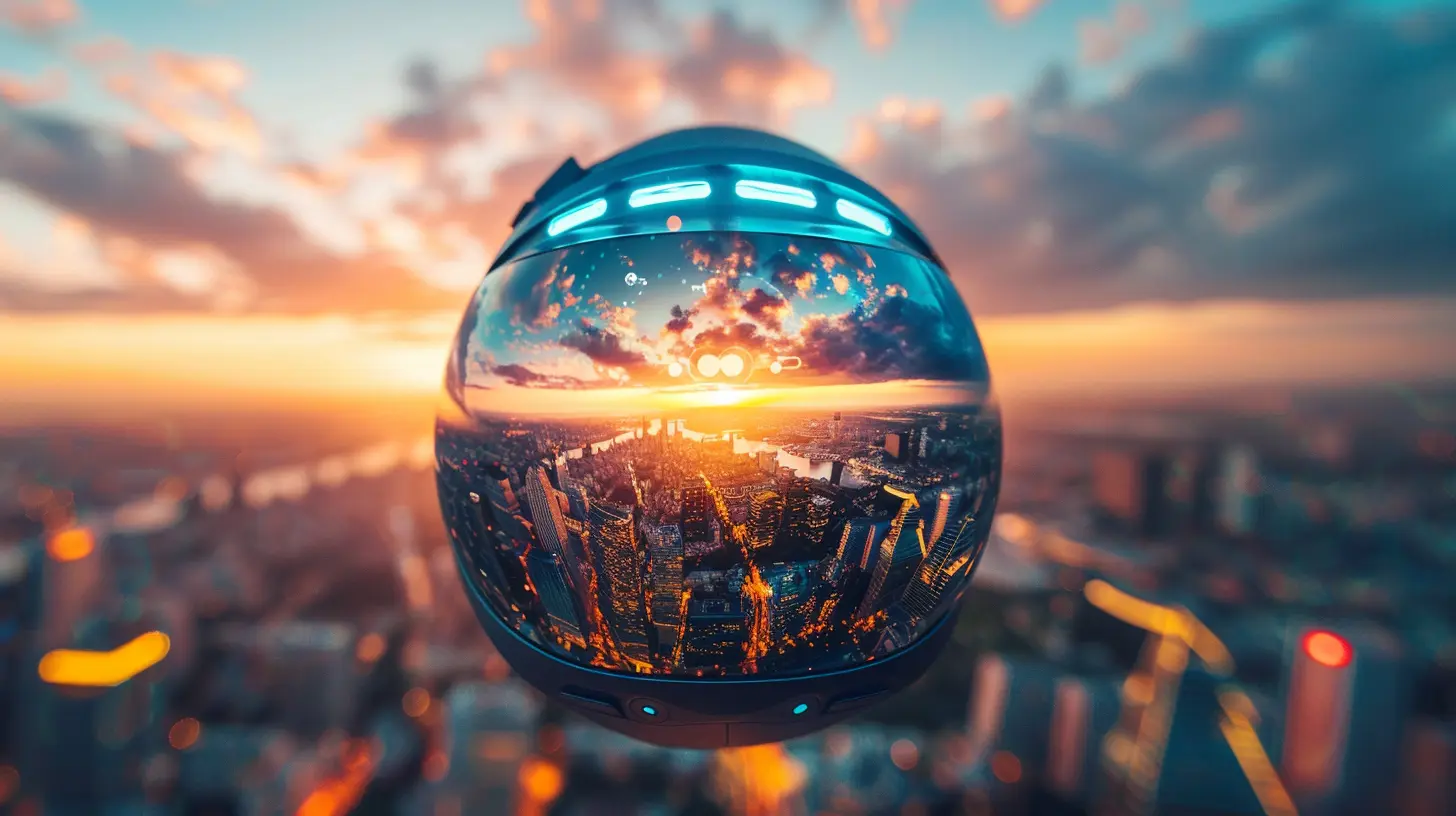
When most people think of VR, they picture gamers with bulky headsets battling aliens or racing futuristic cars. But VR is so much more than just entertainment. It’s a portal to different realities, offering immersive experiences that can be educational, eye-opening, and even life-changing.In recent years, VR has stepped into the realm of climate change awareness and education, allowing people to experience the impacts of climate change firsthand—without leaving their homes. It’s like a wake-up call, but instead of just reading about it or watching a documentary, you’re living it.
Why Traditional Awareness Efforts Fall Short
Let’s be honest—graphs, statistics, and dry lectures don’t always cut it. Sure, news reports talk about rising global temperatures and extreme weather events, but for many people, climate change remains an abstract concept. The human brain is wired to respond to immediate threats (like a bear chasing you) rather than slow-moving crises (like carbon emissions).This is where VR changes the game. By immersing people in the effects of climate change, it creates a stronger emotional connection, making the crisis feel real, urgent, and personal. And when something feels personal, we’re more likely to act on it.
How VR Is Being Used to Raise Climate Awareness
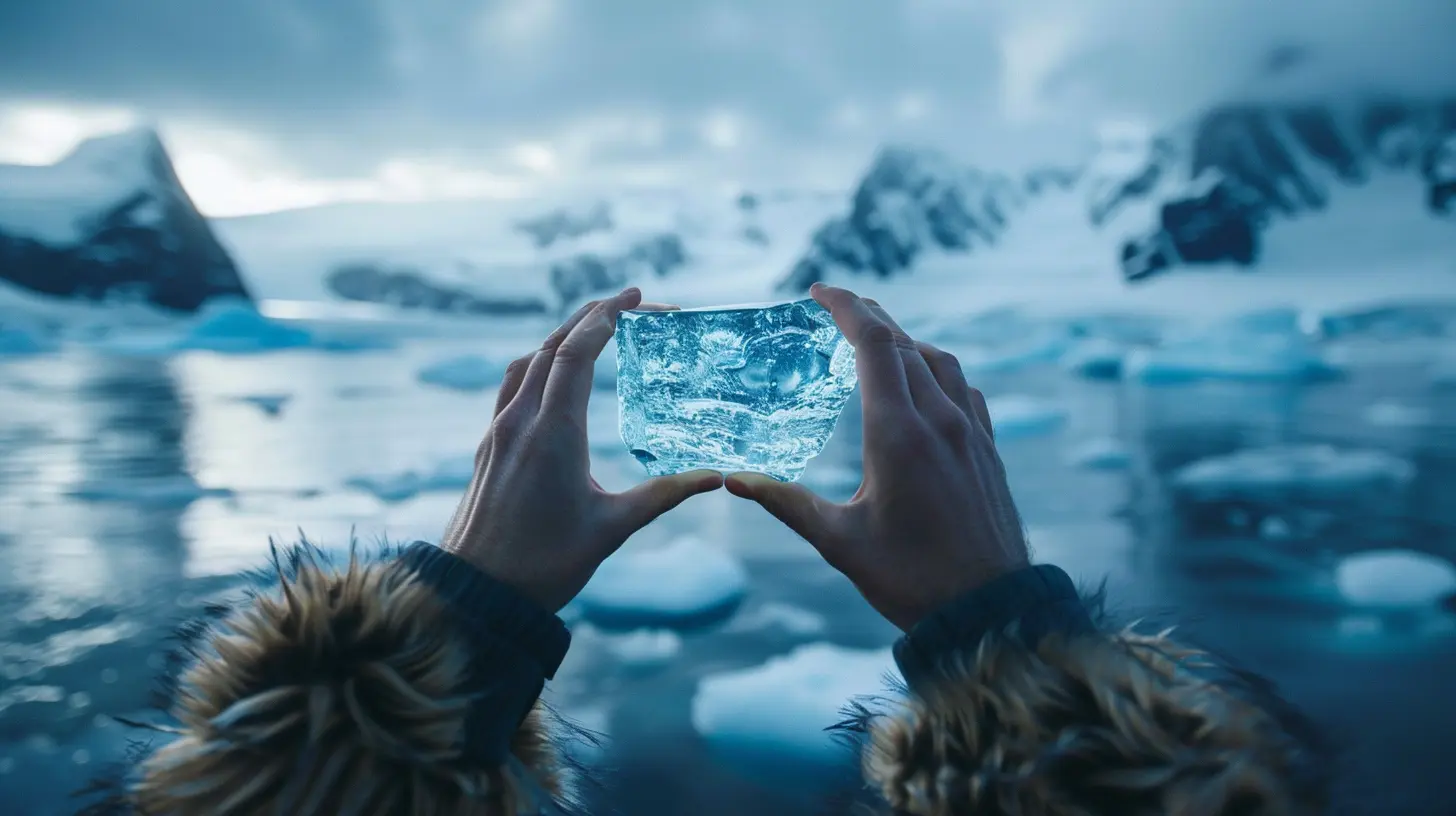
Now that we’ve established why VR is a powerful tool, let’s dive into how it’s actually being used to educate people about climate change. Here are some mind-blowing ways VR is making a difference:1. Taking People to the Frontlines of Climate Change
Want to witness the devastation caused by wildfires in California? Or see the Great Barrier Reef fade away due to coral bleaching? VR makes it possible.Organizations like The New York Times and Stanford University have developed VR experiences that transport users to climate hotspots. These simulations show people the real-world consequences of climate change, helping them understand the urgency of the crisis.
For instance, “Greenpeace’s VR Experience” takes users into the heart of the Amazon rainforest, showing the destruction caused by deforestation. It’s one thing to read about deforestation—it’s another thing to stand amidst a burning forest and watch trees collapse around you.
2. Simulating Future Climate Scenarios
What will cities look like if sea levels keep rising? How will extreme heat waves affect day-to-day life? VR can simulate future environmental conditions, allowing people to step into a world shaped by climate change.For example, Stanford’s Virtual Human Interaction Lab created a VR experience where users walk through a flooded city street, witnessing the effects of rising sea levels. This kind of experience bridges the gap between data and reality, making climate predictions tangible, not just theoretical.
3. Teaching Sustainability Through Interactive Experiences
Imagine being in a virtual world where every decision you make impacts the environment. That’s exactly what some VR-based educational programs offer.Companies like EarthXR and Climate Interactive have developed VR simulations where users make choices about energy consumption, waste management, and conservation, and then see the immediate environmental consequences. It’s like playing a video game, but instead of trying to beat a boss, you’re trying to save the planet.
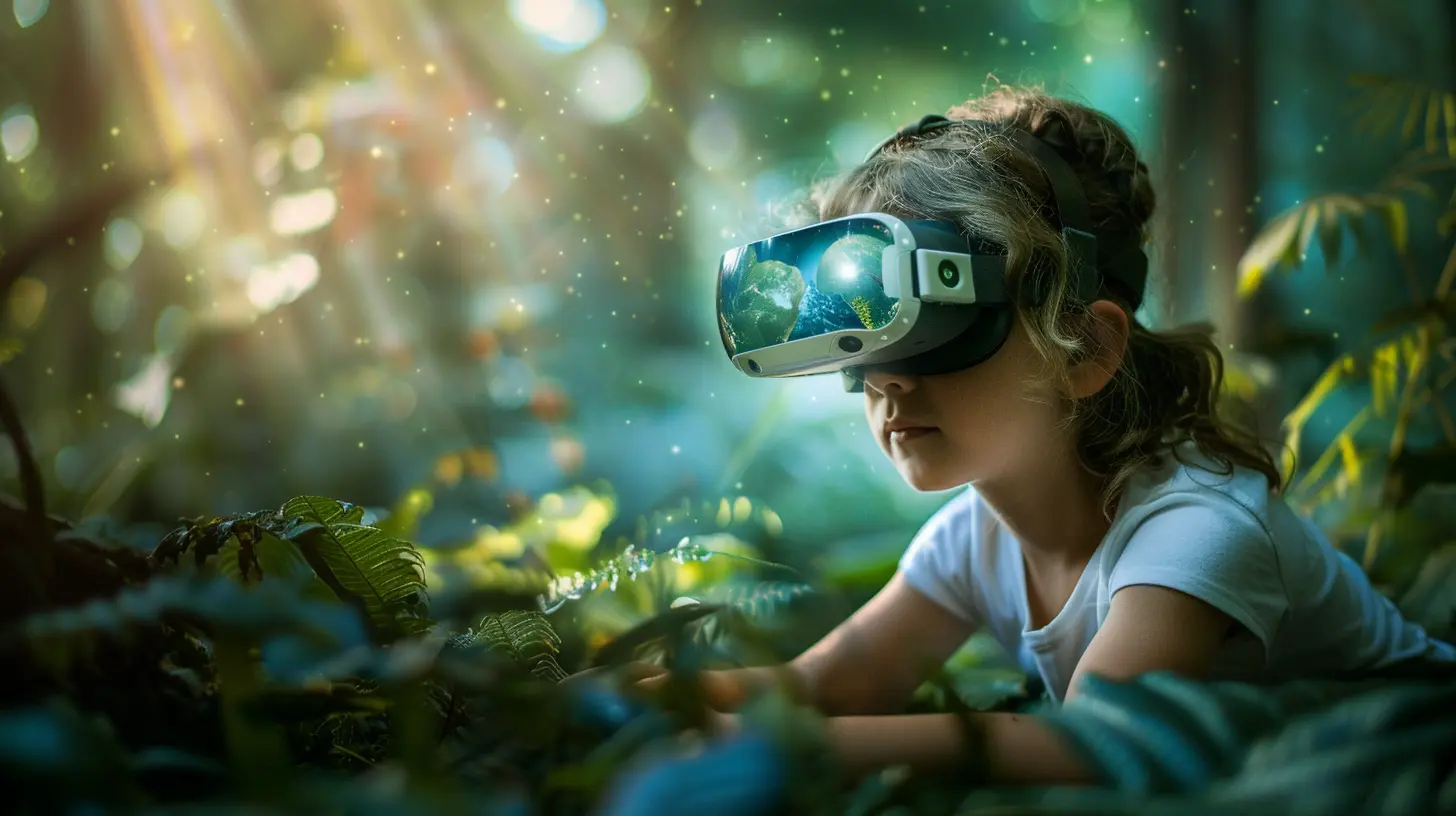
The Psychology Behind VR’s Impact on Climate Action
VR isn’t just effective because it looks cool—it works on a psychological level. Here’s why it sticks with people more than traditional educational methods:1. Emotional Engagement Sparks Action
Studies show that humans are more likely to change their behavior when they emotionally connect with an issue. When people experience climate change in VR, they often feel shock, sadness, or even fear—all emotions that drive real-world action.2. First-Person Experience Feels More Personal
Watching a documentary is passive. Reading an article? Even more so. But VR places you inside the story, making the experience deeply personal. It tricks your brain into thinking you’ve been there, which makes it harder to forget or ignore.3. Increased Retention Compared to Traditional Learning
Studies have shown that people retain up to 90% of what they experience in VR, compared to only 10% from reading or 20% from watching a video. That means VR-based education can have a long-lasting impact, reinforcing climate awareness beyond just a fleeting moment of concern.
The Challenges: Can VR Really Change the World?
Of course, no technology is without obstacles. However revolutionary VR may be, there are still some hurdles to overcome:1. Cost and Accessibility
Not everyone can afford a fancy VR headset. While prices are dropping, VR remains a luxury technology for many. However, some organizations have begun offering public VR exhibits or mobile VR experiences to make climate education more accessible.2. Risk of Virtual Fatigue
With so much tech in our daily lives, some people worry about overloading on virtual experiences. If VR is overused or becomes repetitive, it might lose its emotional punch. The key? Keeping the experiences fresh, engaging, and interactive.3. Balancing Fear with Hope
VR simulations that focus solely on climate catastrophe can be overwhelming. If people feel hopeless, they may shut down instead of taking action. That’s why many VR projects now aim to show both the dangers and potential solutions, helping users feel empowered rather than defeated.The Future of VR in Climate Change Education
As VR technology continues to improve, its role in climate education will only grow. Imagine a future where:- Schools integrate VR climate lessons into their curriculum.
- Governments use VR to showcase the impact of policy decisions.
- Businesses train employees using VR sustainability simulations.
The possibilities are endless—but the goal remains the same: to make climate change real enough that people feel compelled to take action.
Final Thoughts
Climate change isn’t a problem for future generations—it’s happening right now. But awareness alone isn’t enough. People need to feel the urgency, and Virtual Reality is proving to be one of the most powerful tools for that.Who knows? Maybe the next time you put on a VR headset, instead of battling aliens, you’ll be battling climate change. And honestly? That might be the most important game we’ve ever played.
all images in this post were generated using AI tools
Category:
Virtual RealityAuthor:

Michael Robinson
Discussion
rate this article
2 comments
Uri McCall
Virtual reality offers immersive experiences that can significantly enhance awareness and education about climate change. A promising tool for impact!
April 12, 2026 at 12:47 PM
Michael Robinson
I completely agree. Virtual reality has the potential to make complex issues like climate change more relatable and impactful for everyone.
Nyx Becker
Virtual reality bridges engagement and education, making complex climate issues tangible and impactful.
March 30, 2026 at 11:38 AM
Michael Robinson
Thank you! I'm glad you see the potential of virtual reality in making climate issues more relatable and impactful. It's a powerful tool for fostering understanding and engagement.