The Role of Virtual Reality in Historical Reenactments and Preservation
4 November 2025
Imagine stepping into the shoes of a Roman gladiator, standing in the middle of the Colosseum, or walking through the bustling streets of a medieval village. Sounds like something out of a sci-fi movie, right? Well, thanks to Virtual Reality (VR), this kind of immersion is no longer a distant dream. VR is not just for gaming and entertainment anymore; it's also playing a huge role in historical reenactments and preservation.
But how exactly does it work? And why is it becoming such a game-changer for history buffs, educators, and even archaeologists? Buckle up, because we're about to dive deep into how VR is reshaping the way we experience history.
What Is Virtual Reality?
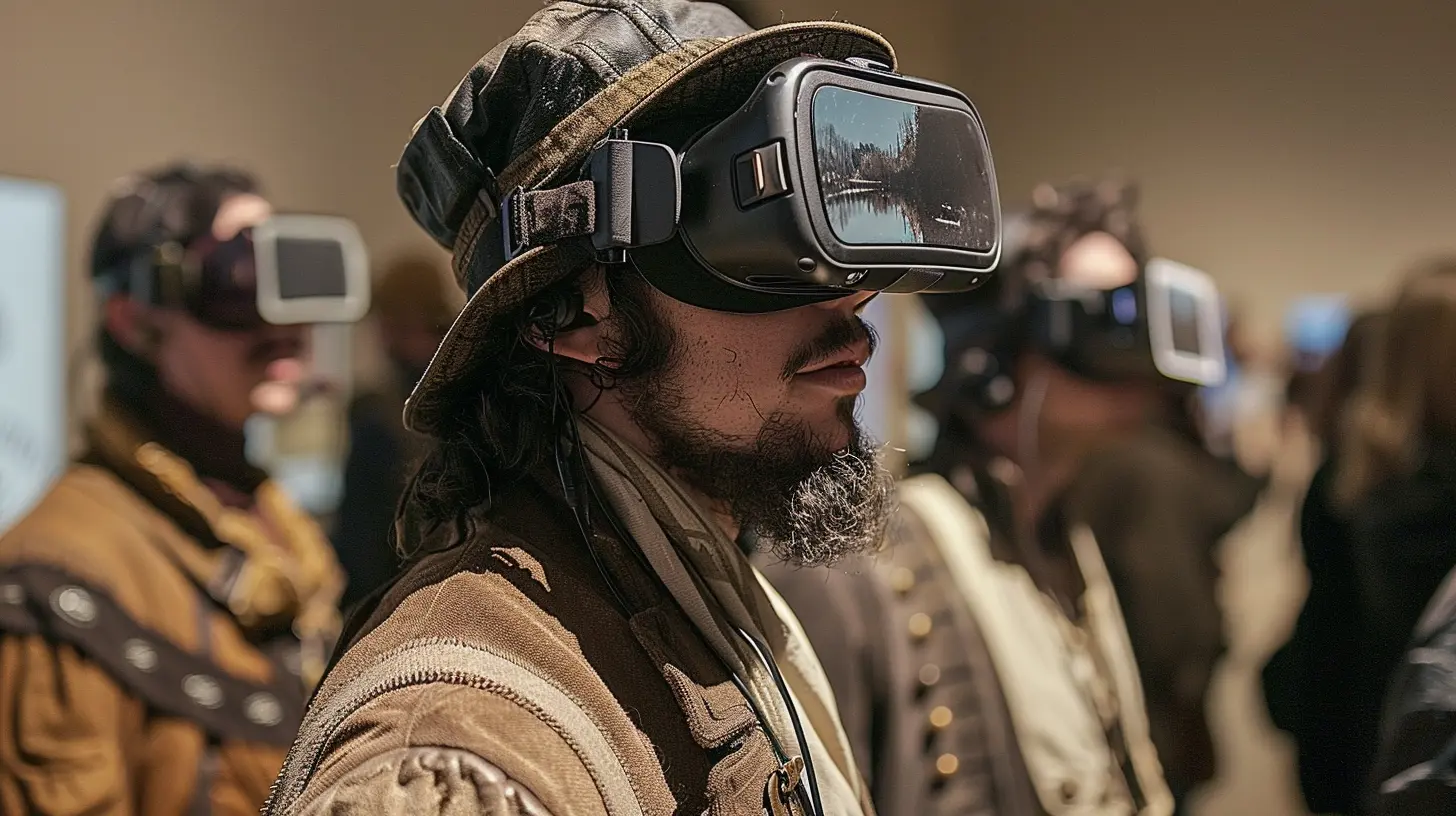
First things first—let's make sure we're on the same page about what VR actually is. Virtual Reality refers to technology that allows users to enter a computer-generated 3D environment that feels real. You put on a headset, maybe grab a couple of controllers, and suddenly you're in a new world. Sounds simple, but the possibilities are endless.While VR has been most commonly associated with gaming (who hasn’t heard of VR gaming by now?), it’s now finding its way into education, healthcare, and yes, even historical preservation and reenactments.
Why Use VR for Historical Reenactments?
Immersion Like Never Before
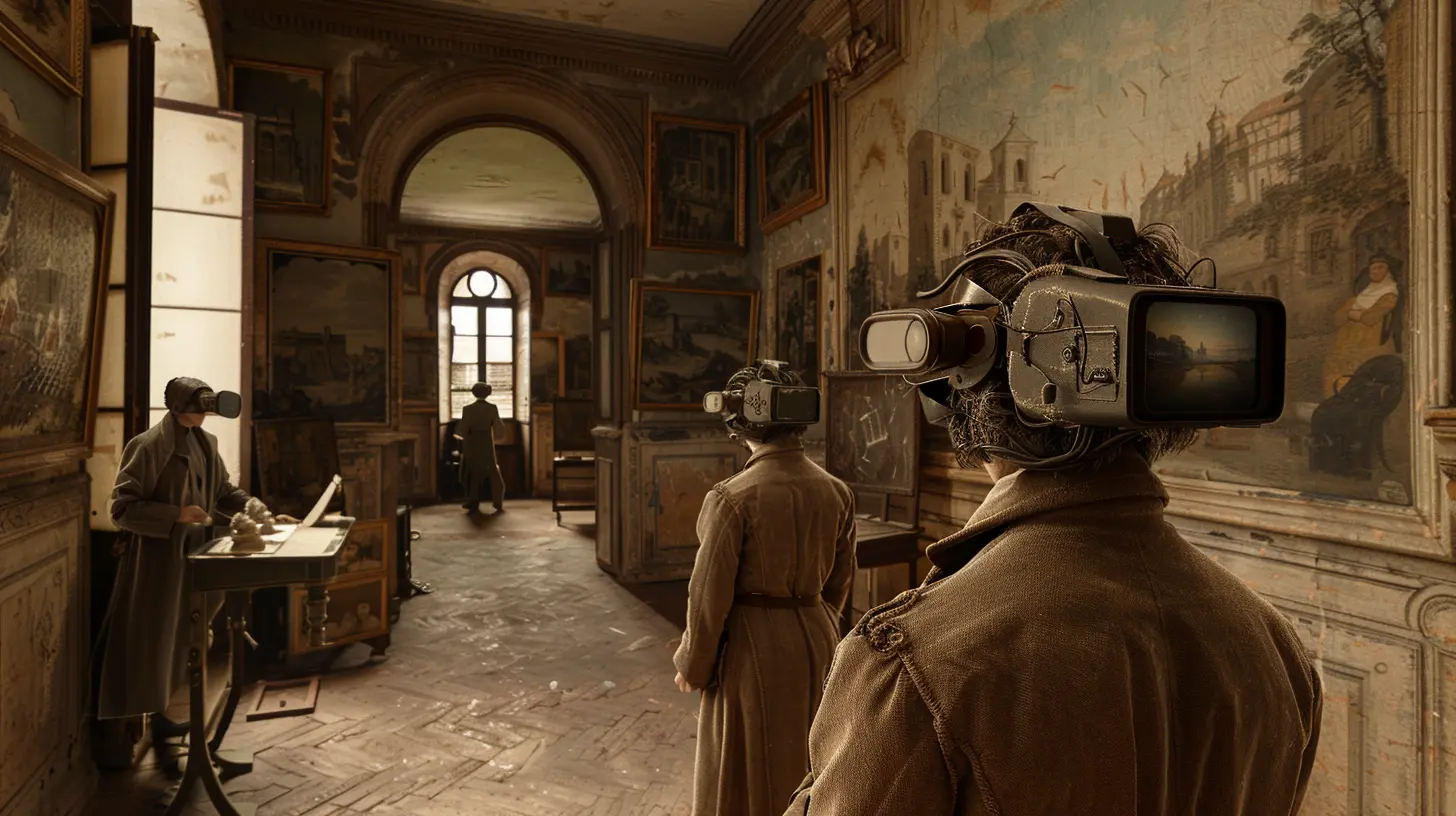
Traditional historical reenactments are pretty cool, right? You’ve got actors dressed in period costumes, maybe some authentic props, and a setting designed to mimic the historical period. But there are limitations—you're still a spectator.With VR, you're not just watching; you're in it! Imagine standing on the battlefield of Gettysburg or walking through the ruins of Pompeii, all without leaving your living room. The level of immersion VR provides takes historical reenactments to an entirely new level. You can explore these environments at your own pace, interact with virtual objects, and feel like you're truly part of history.
A New Way to Preserve History
One of the biggest challenges in historical preservation is that physical artifacts and sites degrade over time. Buildings crumble, documents fade, and oral histories can be lost. VR offers a way to preserve these pieces of history in a digital format that’s virtually timeless (pun intended).By scanning artifacts and historical sites, we can create 3D models that future generations can explore, even if the original site or item is no longer accessible. Think of it like a digital time capsule.
How VR Is Used in Historical Reenactments
Virtual Time Travel
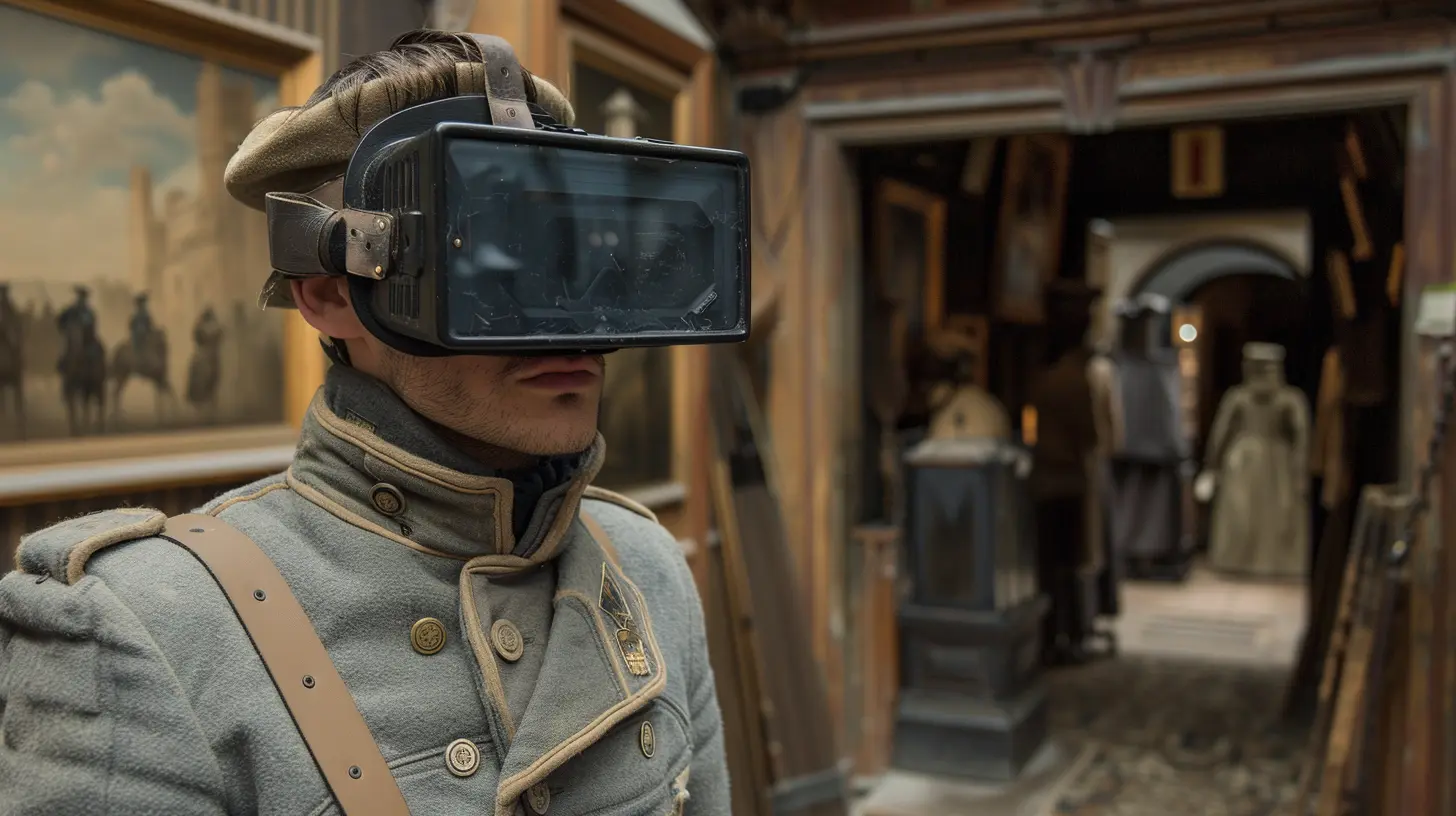
Who hasn't dreamed of traveling through time? While we haven't quite cracked the code for real time machines, VR is the next best thing. By using VR to recreate historical settings, users can experience what life was like in different time periods. And it’s not just about visuals—soundscapes, interactions, and even weather conditions can be simulated to make the experience more authentic.For example, VR can recreate the bustling streets of ancient Rome or the quiet, eerie atmosphere of a Civil War battlefield at dawn. These VR experiences allow people to "time travel" and witness historical events up close and personal.
Interactive Learning
Let’s face it: history textbooks can be kind of dry. But what if you could learn about history by actually living it? That’s where VR comes in. Educational institutions are increasingly using VR to engage students in history lessons. Instead of reading about the signing of the Declaration of Independence, imagine putting on a VR headset and standing in the room where it happened, observing the Founding Fathers as they debate.This kind of interactive learning makes history more engaging and memorable. Students are no longer passive learners—they become active participants in history.
Recreating Lost Worlds
Many historical sites are in ruins or have been completely destroyed over time. VR can help bring these lost worlds back to life. Archaeologists and historians can use data and 3D modeling to recreate ancient cities, temples, and monuments. For example, the ancient city of Babylon or the original layout of the Acropolis can be experienced today through VR.This technology also allows us to preserve the cultural heritage of places that are in danger due to conflict or natural disasters. Even if these sites are destroyed in the real world, they can survive in the virtual one.
The Benefits of VR in Historical Preservation
Accessibility for All
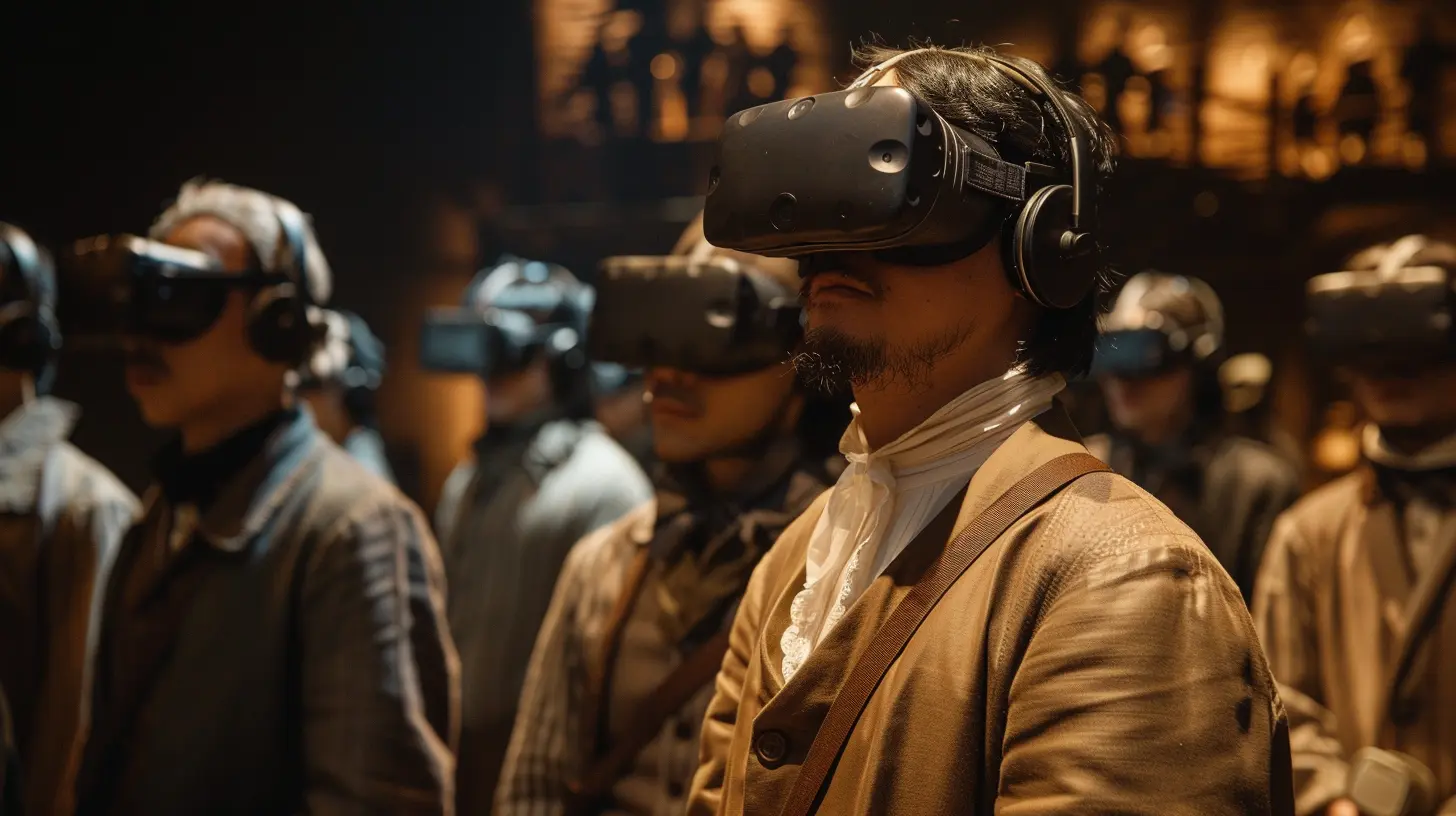
One of the most significant advantages of using VR for historical reenactments and preservation is accessibility. Not everyone can afford to travel to historical sites or attend live reenactments. But with VR, these experiences are just a headset away.Whether you’re in New York or a small village in Asia, you can explore the pyramids of Egypt or visit the Louvre in Paris. This democratization of history opens doors for people who might otherwise never have the chance to experience it in such a personal way.
Enhanced Engagement
Let’s be honest: history can sometimes feel distant and irrelevant, particularly for younger generations. But VR makes history come alive. It turns abstract dates and facts into personal experiences. When you're walking through a VR version of the Titanic, you’re not just learning about it—you’re feeling the tension, hearing the creaks of the ship, and seeing the iceberg looming in the distance.This level of engagement helps people connect emotionally with history, making it more memorable and meaningful.
Preservation Without Physical Interference
Preserving historical sites can often be tricky. On the one hand, we want to preserve them for future generations. On the other hand, constant human interaction can cause wear and tear on these fragile locations. With VR, we can digitally preserve sites without physically disturbing them.For example, researchers can scan and digitally recreate a delicate artifact or site so that people can explore it virtually, without causing any damage to the original.
Challenges and Limitations of VR in History
The Accuracy Dilemma
While VR can bring history to life in ways that were previously unimaginable, there’s always the question of accuracy. How do we ensure that the virtual reenactments are faithful to the historical record? It’s easy to romanticize or dramatize history, particularly when we’re dealing with visual and interactive mediums like VR.Historians and developers need to work closely to ensure that VR recreations are as accurate as possible. Otherwise, we run the risk of misleading people about what actually happened.
The Cost Factor
Although VR is becoming more affordable, it’s still not cheap. High-quality VR headsets, powerful computers, and the development of detailed historical environments require significant financial investment. This can be a barrier for schools or smaller institutions that want to use VR for historical education or preservation.But as the technology continues to evolve and become more accessible, we can expect these costs to come down over time.
The Future of VR in Historical Reenactments and Preservation
So, what’s next? Well, the future looks incredibly promising. As VR technology advances, we’ll likely see even more realistic and immersive historical experiences. Imagine haptic feedback (where you can actually feel objects in VR), or AI-powered characters that can interact with you based on historical records.There’s also the potential for collaborative VR experiences where multiple users can visit the same historical site together, even if they’re halfway across the world. Imagine taking a virtual field trip to ancient Egypt with your classmates, all from the comfort of your classroom.
The possibilities are endless, and as VR technology continues to evolve, so too will our ability to experience and preserve history in ways we’ve never thought possible.
Conclusion: VR as a Bridge to the Past
In a world where history often feels distant and abstract, Virtual Reality offers a bridge to the past—one that we can walk across, explore, and experience like never before. Whether it’s for education, preservation, or pure curiosity, VR is opening up new ways to connect with our history.From recreating lost worlds to offering immersive learning experiences, VR is not just a tool; it's a time machine. And while it may not replace traditional methods of historical reenactment and preservation, it certainly adds a new dimension—literally.
So, the next time you feel like taking a trip back in time, you might not need a DeLorean or a flux capacitor. All you’ll need is a VR headset.
all images in this post were generated using AI tools
Category:
Virtual RealityAuthor:

Michael Robinson
Discussion
rate this article
1 comments
Mae Porter
VR: Breathing life into history, one pixel at a time.
November 4, 2025 at 5:24 AM
Michael Robinson
Thank you! VR truly transforms our understanding of the past, making history more immersive and accessible.