The Role of Wearable Tech in Enhancing Cognitive Function
17 August 2026
Let’s be honest — we all want a brain that works faster, remembers more, and stays sharp for longer. Whether it's beating the Monday blues, staying ahead of deadlines, or just trying to remember where the heck you put your car keys, cognitive performance plays a huge role in how we function every day. That’s where wearable tech is stepping in, not just to count steps or track heartbeats, but to somehow make us... well, smarter.
In this deep dive, we’re going to unravel how wearable technology isn’t just changing our physical health game but is also quietly revolutionizing how our brains perform. Sounds a bit sci-fi? Stick around. This is the future, and it’s already buzzing on your wrist — literally.
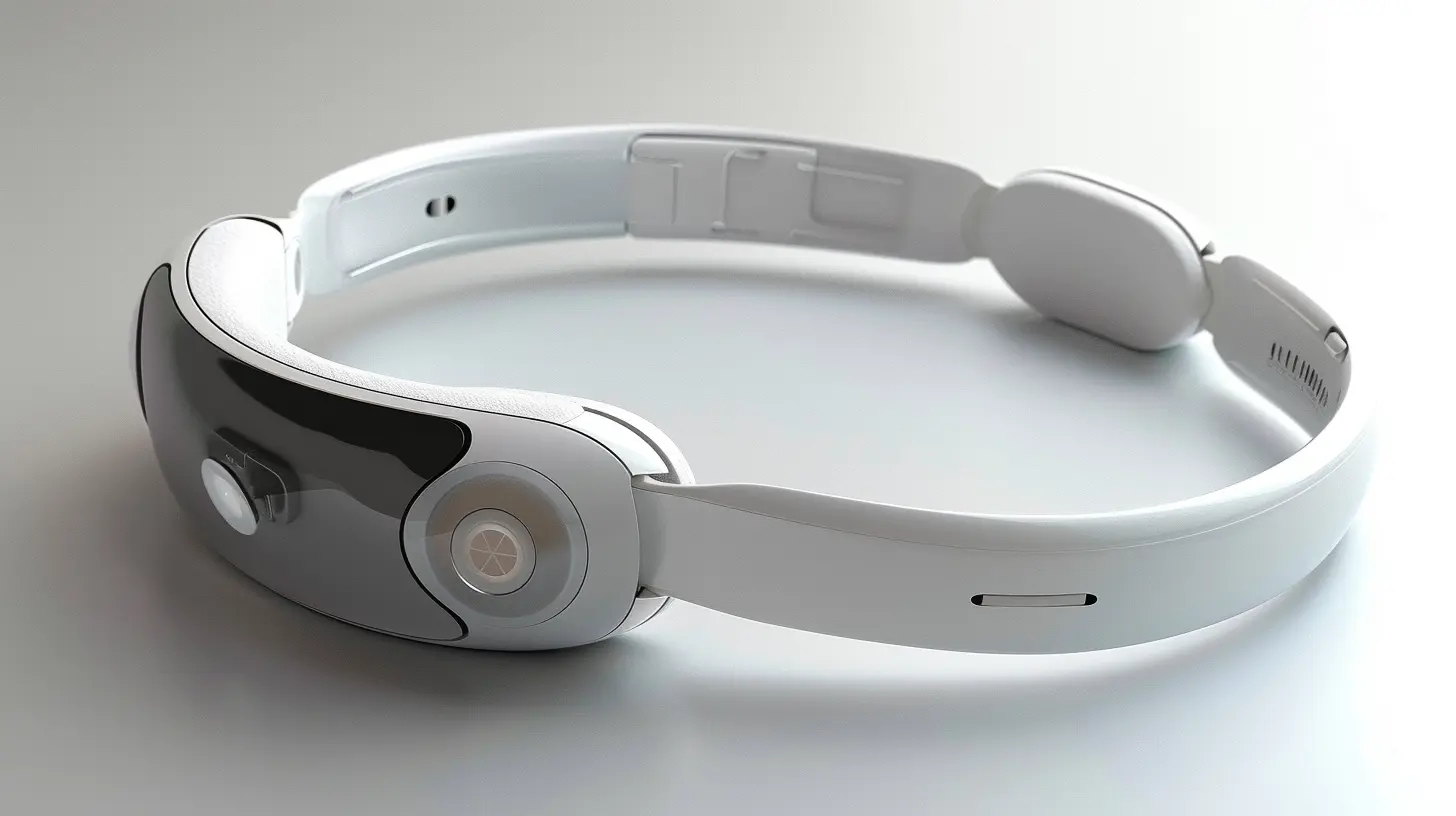
What Is Cognitive Function, Anyway?
Before we get into the tech part, let’s get on the same page about what “cognitive function” even means. Simply put, it's all the mental processes our brain does every second — thinking, learning, remembering, problem-solving, paying attention, and even decision-making. Basically, it’s your brain’s operating system.And just like any software, it can get buggy — thanks to stress, poor sleep, lack of movement, and overall lifestyle choices. Which brings us to the real question...
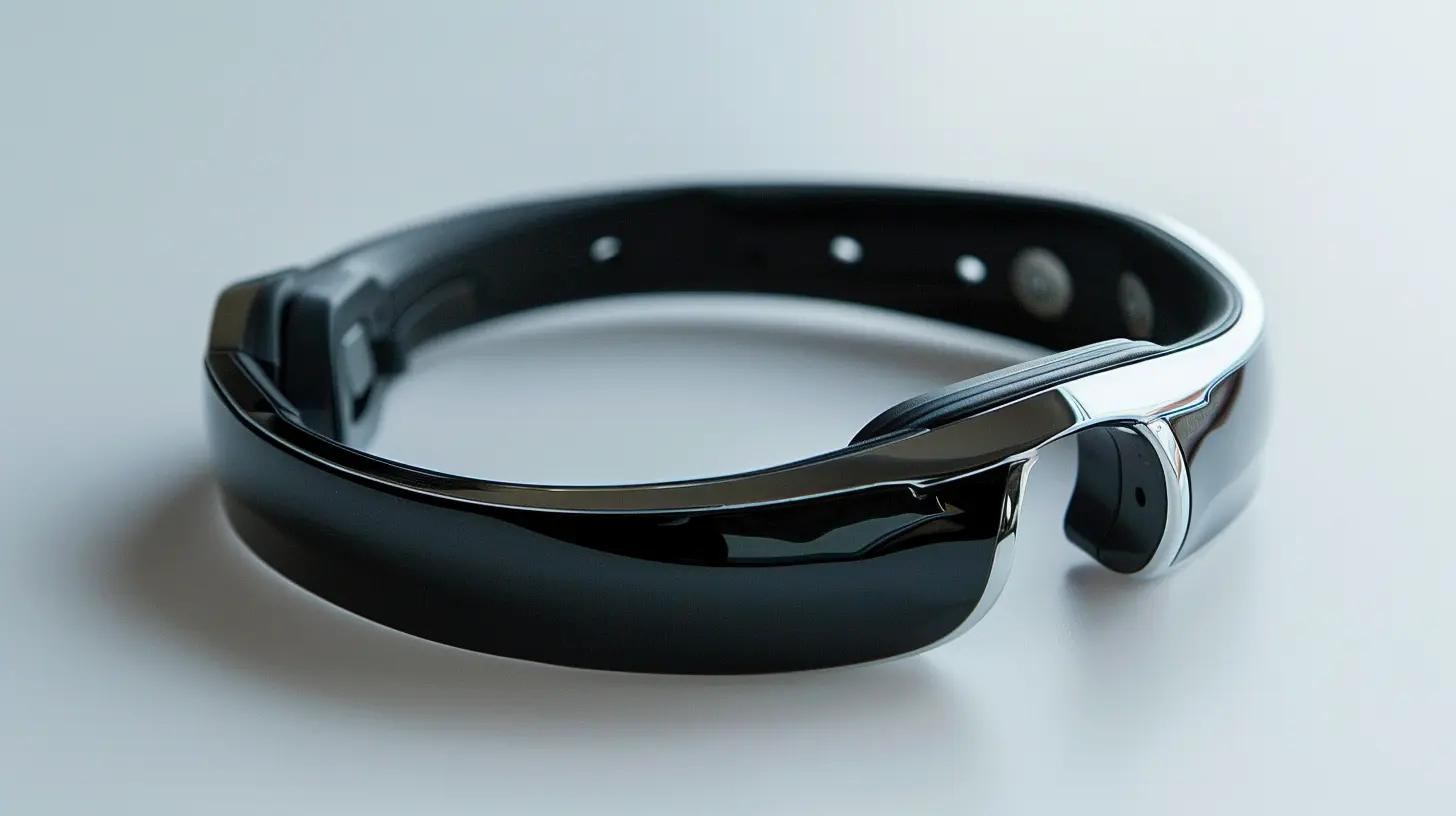
Can Wearable Tech Really Boost Cognitive Performance?
It might sound too good to be true, but yes — wearable tech has begun making huge strides in helping us not just track physical things like heart rate and steps but also optimize our mental processes. And this isn’t just about slapping on a smartwatch. We’re talking brain-sensing headbands, smart glasses, EEG-powered devices, and even non-invasive neuro-stimulators.Let's break it all down and see what’s happening behind (and on) the scenes.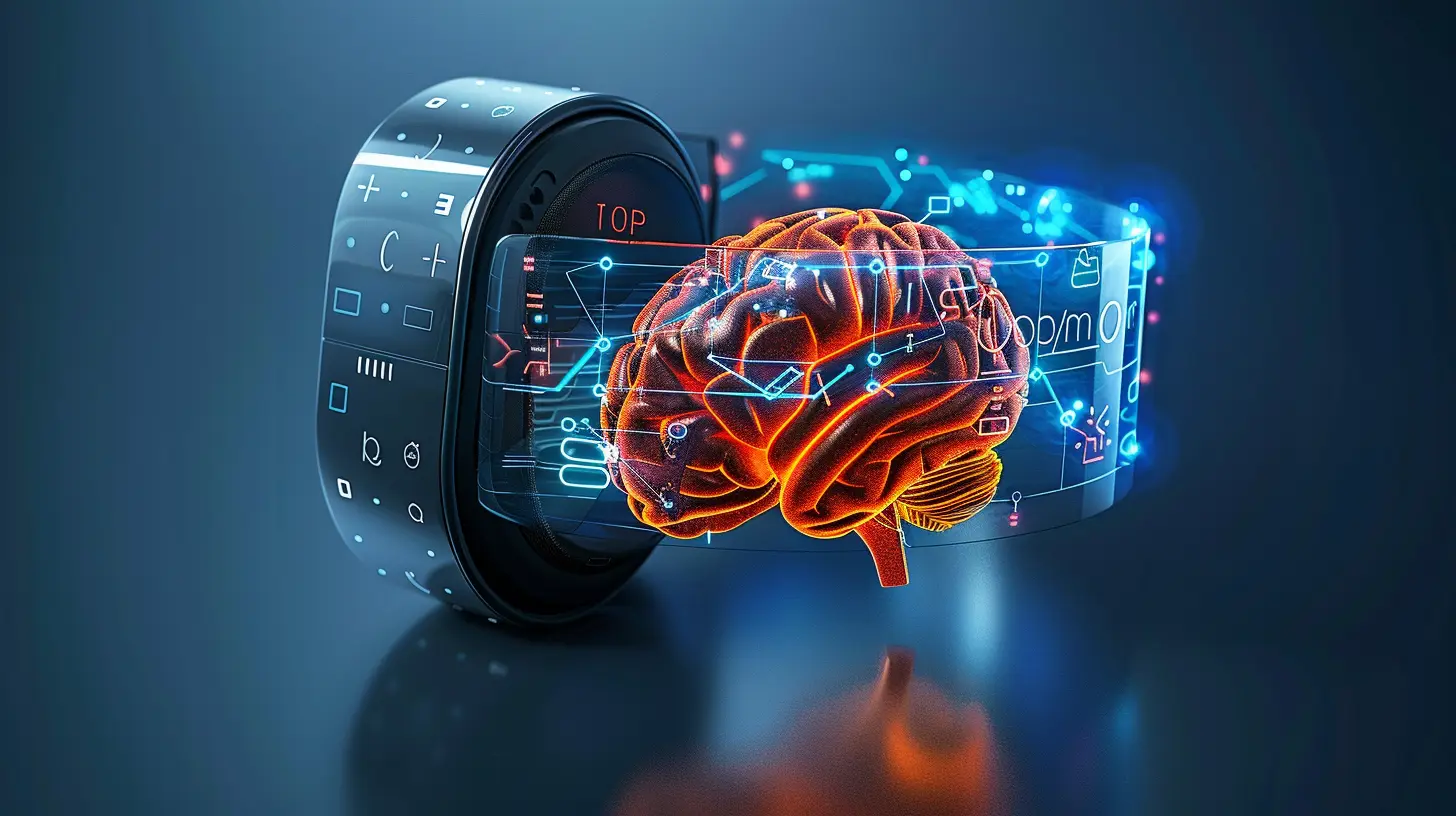
How Wearable Devices Enhance Brain Function
1. Monitoring Brain Activity with EEG Wearables
Devices like the Muse headband use EEG (Electroencephalogram) sensors to track your brain’s electrical activity. Yeah, it sounds complicated — but imagine having a personal brain coach that tells you when you’re stressed, when you’re relaxed, or even how deep your meditation was.With real-time biofeedback, you can train your brain to become more focused and less anxious. It's like going to the gym, but for your mind.
Bonus: Some of these headsets also help improve sleep patterns — which is a direct ticket to better memory, faster thinking, and sharper focus.
2. Sleep-Enhancing Wearables = Better Cognitive Health
Let’s face it. Our brains are terrible without sleep. In fact, even one bad night can mess up your memory, focus, and mood big time.Enter sleep-focused wearables like the Oura Ring or Whoop Strap. They measure sleep cycles, HRV (heart rate variability), and even breathing patterns. But more importantly, they give you actionable insights to improve your sleep hygiene. And more Z’s mean a sharper mind.
You know the saying: “Sleep is the best meditation.” Thanks, Dalai Lama — and now, smart rings agree.
3. Wearables That Use Vibration and Neuro-Stimulation
Some revolutionary gadgets like the Apollo Neuro or Cove use gentle vibrations or sound waves that interface with your nervous system. They claim to help improve focus, reduce stress, and promote deeper sleep.How? By stimulating the vagus nerve or the brainstem via non-invasive means — basically sending signals to your brain saying, “Hey, chill out.” The result? A calmer, more focused, and more present version of you.
Think of it as using a tuning fork to retune your brain’s vibrations to a harmonic state.
4. Smart Glasses That Boost Focus and Productivity
Smart glasses, like those from companies such as North Focals or Vuzix, are designed to subtly overlay information in your field of vision — whether it’s reminders, guided instructions, or even meditation cues.For anyone immersed in heavy cognitive tasks or multitasking, having a heads-up display can streamline workflow, eliminate distractions, and keep your brain tuned in.
Imagine having just the right info pop up like a helpful thought bubble — minus the distractions of fumbling with your phone.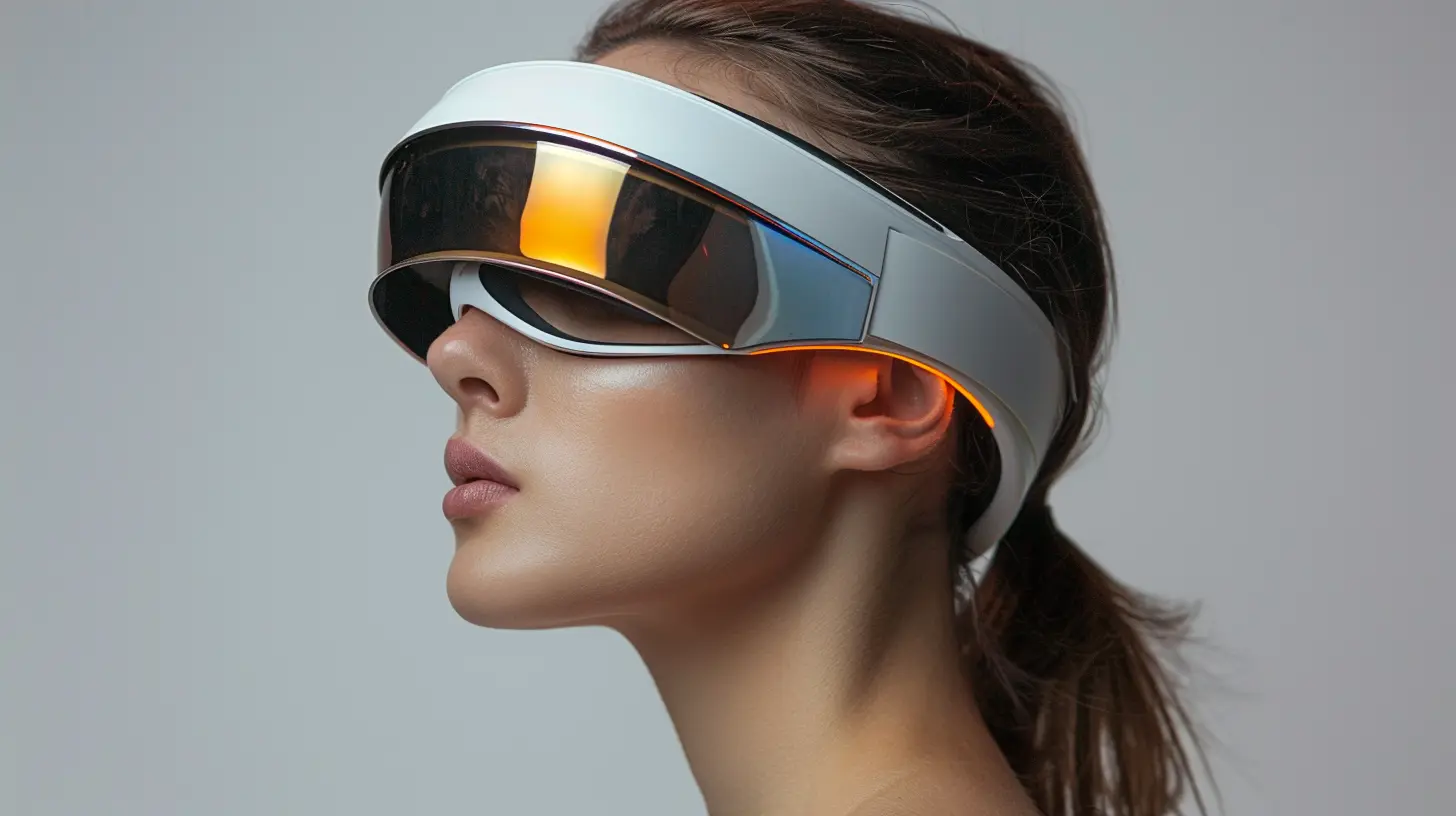
The Science Behind It All
You might wonder — is this just marketing hype, or is there actual science here?Well, there’s a growing body of neuroscience research saying yes, wearable tech can help enhance cognitive functions. When you use biofeedback to adjust your behaviors — like improving your breathing, reducing stress, or enhancing sleep — it creates positive feedback loops in your brain.
Key mechanisms include:
- Neuroplasticity: Your brain’s ability to adapt and rewire based on behavior. Wearables help encourage good habits that reinforce these changes.
- Focused Attention Training: EEG-based wearables improve sustained attention, which is critical for memory and learning.
- Stress Reduction: Reduces the cortisol levels that sabotage memory and decision-making.
- Improved Sleep Architecture: Deep sleep directly enhances memory consolidation and emotional regulation.
So yeah — it’s real. The brain is malleable, and wearables are like digital sculptors helping shape it for the better.
Who’s Using These Devices?
Here’s where things get super interesting.- Athletes: Cognitive edge is now part of the training. Top performers use wearables to fine-tune sleep, manage stress, and even visualize better outcomes through neurofeedback.
- Executives and Entrepreneurs: Many top leaders use brain-sensing headbands and stress trackers to stay calm under pressure and maintain peak focus.
- Students: Tools like EEG wearables are being used to improve learning retention.
- Mental Health Enthusiasts: Biofeedback tools help track mood patterns, encourage mindfulness, and prevent burnout.
In other words, this stuff isn't just for tech geeks — it’s creeping into every high-performance corner of life.
Benefits of Wearable Tech for the Brain
Let’s recap the biggest wins:? Enhanced Focus and Attention
Neurofeedback-based wearables help train your brain to stay locked in and less distracted. Think of it as building your mental muscle for longer stretches of work.? Better Sleep Quality
Sleep is crucial for memory, creativity, and emotional regulation. Tracking it means you can fix it — and reap all the cognitive goodies that come with a full night’s rest.? Stress Reduction
Whether it’s haptic feedback or real-time breathing cues, wearables can calm the nervous system — making your brain less reactive and more adaptive.? Memory and Learning Improvements
By optimizing sleep and reducing stress, the brain enters a state more conducive to memory formation and retention. Some wearables even actively study your brainwaves to provide personalized training for better learning.? Personalized Brain Training
No two brains are the same. Wearables let you tailor your mental training based on your own unique data. It's like a Netflix recommendation engine — but for your brain.Challenges and Ethical Considerations
Not everything is rainbows and unicorns. As with any tech, there are some things to keep in mind.? Data Privacy
Your brain data is... well, kind of personal. Who owns it? Who sees it? Could insurers or employers misuse it one day? These are real questions we need to tackle as the space matures.? Unregulated Claims
Some wearables make bold claims without much scientific backup. It can be hard to separate the snake oil from the neuroscience. Always look for peer-reviewed backing or solid clinical testing.? Accessibility and Cost
Many of these devices aren’t cheap. Cutting-edge tools can range from $300 to upwards of $1,000 — making them inaccessible for many who might benefit most.? Overreliance on Tech
At what point do we stop listening to our bodies and let machines do all the thinking? The goal should be enhancement, not dependence.So, Is This The Future of Cognitive Enhancement?
It sure looks like it.As wearables become smaller, smarter, and more user-friendly, their role in cognitive enhancement is only going to grow. With AI integrations, personalized neurofeedback, and real-time brain scans becoming more accessible, we’re turning into cyborgs of cognition — in the best way possible.
But remember, no tech can replace a healthy lifestyle. Wearables can guide you, but it’s still up to you to eat right, move your body, get enough sleep, and engage your brain. Think of wearable tech as your co-pilot, not your autopilot.
Final Thoughts
Wearable tech is no longer just about fitness tracking — it's fast becoming a powerful ally in the quest for better brain health and cognitive performance. From EEG headbands that boost focus to sleep trackers that reclaim your rest, the synergy of technology and neuroscience is opening up wild new possibilities for everyday brain optimization.While we still have a long way to go in terms of ethical, affordable, and research-backed innovations, there's no denying it: wearable tech is shaping up to be the next big thing in personal cognitive enhancement.
So next time you tap your smartwatch, remember — it might just be smarter than you think.
all images in this post were generated using AI tools
Category:
Wearable DevicesAuthor:

Michael Robinson