The Role of Wearables in Enhancing Team Sports Strategy
29 January 2026
In the beating heart of a stadium, amid the roar of the crowd and the pounding of cleats on turf, a quiet revolution pulses on the wrists and backs of athletes. Nope, it’s not magic—it’s wearables. From GPS trackers to biometric sleeves, these tiny tech marvels are flipping the script on how teams train, strategize, and straight-up dominate the game.
But how exactly do these futuristic gadgets help shape the minds of coaches and the moves of players? Let’s huddle up and break it down.
⚙️ What Are Wearables in Sports, Anyway?
First off, let’s make it crystal clear: we’re not talking about your everyday smartwatch tracking your morning jog (though hey, those count too). In team sports, wearables are specialized devices—think GPS vests, heart rate monitors, accelerometers, and smart clothing—that collect real-time data during practice and games.They track everything from how fast a player runs to how hard they slam into another player. In other words, wearables are like having a team of invisible nerds monitoring every move, in real-time, without shouting stats from the stands.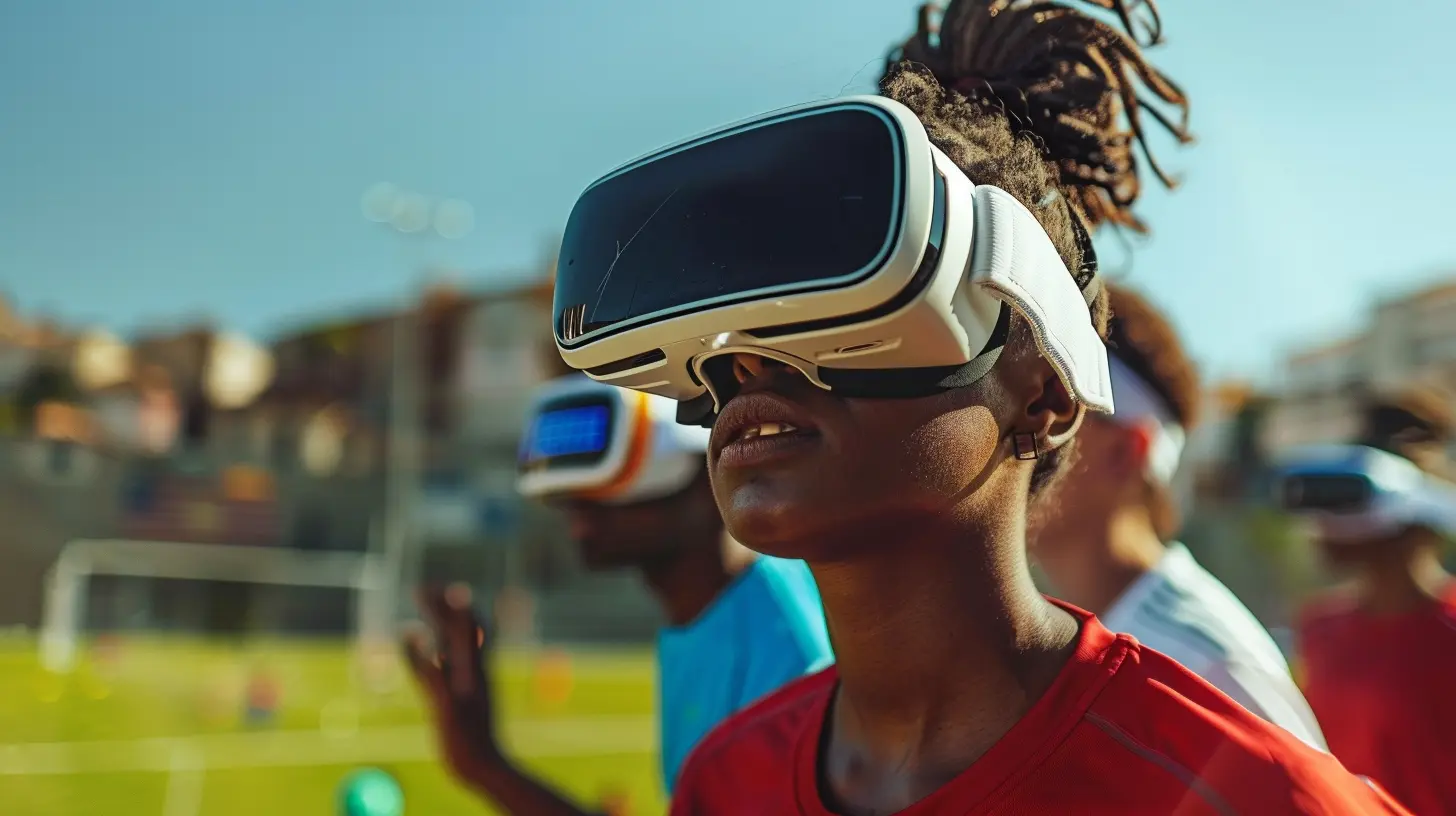
🎯 The New Playbook: Data-Driven Strategy
Once upon a time, coaches relied on gut feeling, chalkboards, and grainy video footage to create game plans. Fast-forward to now, and you’ve got AI-powered insights streaming from the cloud like a tactical downpour.1. Real-Time Decision-Making
Wearables feed coaches a buffet of data in real time. Imagine knowing mid-game that your left winger’s heart rate is spiking and his acceleration is dipping—yep, time for a sub. That’s not just intuition anymore, that’s precision coaching with live feedback.2. Tactical Adjustments On The Fly
Let’s say your soccer team tends to lose the midfield battle. With wearables tracking heat maps and positioning, coaches can spot patterns and tweak formations faster than you can say “offside.” It’s like playing FIFA with cheat codes, only it’s real life and way sweatier.
🔋 Performance Optimization: Train Smarter, Not Just Harder
We all know practice makes perfect—but smart practice? That’s next-level.1. Monitoring Workload
Athletes are machines, sure. But even machines overheat. Wearables help quantify how much stress each player endures in training. This allows coaches to tailor workloads, reduce injuries, and keep players peaking during crucial moments.Think of it as a performance dial—tuned precisely so nobody’s burning out before the playoffs.
2. Sleep, Recovery, and Readiness
Some devices even track sleep cycles, recovery times, and heart rate variability (HRV). This info isn’t fluffy wellness stuff—it tells you whether a player’s body is ready to go full throttle or needs a lighter session.It’s like having a digital whisperer that says, “Hey, maybe let your star forward rest today.”
🧠 The Mental Game: Psychology in Metrics
Let’s not forget the mental side. Confidence, focus, mindset—these are just as vital as speed and agility.1. Cognitive Performance Tracking
Emerging wearables are now dipping into brainwave monitoring and focus assessment. Sounds sci-fi? Maybe. But EEG headbands (yeah, they exist) can gauge mental fatigue and help tailor psychological training.2. Biofeedback for Mental Training
Athletes can use wearables that vibrate or provide gentle cues to bring awareness to breathing, posture, or stress levels. It’s like having a zen coach wrapped around your wrist, guiding you to peak mental states.🧩 Tactical Clarity Through Positional Data
You know those gripping bird’s-eye views you see on TV, mapping out player positioning? That’s not CGI. That’s wearable magic.1. Mapping the Game
GPS trackers measure where every player goes during a match. Coaches can analyze spacing, overlaps, and gaps to fine-tune tactics down to the meter.Basketball coaches? They’re dissecting offensive spacing. Football coordinators? They’re spotting where the blitz broke down. It’s all about turning chaos into choreography.
2. Player Synergy Metrics
This ain’t solo tennis—team sports thrive on chemistry. Wearables track how often players connect with each other, how far they move in sync, and which duos create the most opportunities.Call it digital teamwork metrics. Or maybe just high-tech friendship goals.
💥 Injury Prevention: The Silent MVP
What’s the one thing worse than losing a game? Losing a key player to injury.1. Load Monitoring
By keeping tabs on jump counts, sprint distances, and acceleration-deceleration cycles, wearables flag when a player’s pushing too hard. This data becomes your safety net, warning you before hamstrings scream or knees buckle.2. Return-To-Play Protocols
Rehab is no longer a guessing game. Wearables track every movement post-injury to ensure the player’s truly ready to return to action—not just itching to get back on the field. That means fewer re-injuries and more career longevity.🧬 Personalization: Tailored Training for Each Athlete
Here’s where wearables really shine: not everyone’s built the same, so why train the same?1. Custom Workouts
Using biometric data, trainers design workouts aligned with each player's strengths, weaknesses, and goals. One player might need more endurance training; another might need to work on explosive power. Wearables make it obvious.2. Injury History Awareness
A player who’s had a past shoulder injury? Smart sleeves monitor that arm closer than TSA at the airport. It ensures form, range of motion, and intensity all stay in optimal zones.🧪 Analytics + AI = Game-Changer
Now let’s throw AI into the mix. Because what’s a pile of data unless someone—or something—interprets it?1. Predictive Analytics
AI crunches patterns in data to predict who’s at risk of injury, identify budding stars, and reveal hidden tactical flaws. It’s like a crystal ball for sports strategists.2. Video + Wearable Fusion
Combine wearables with video analytics, and now you can overlay real stats on player footage. It’s like seeing the Matrix—but with more sweatbands and less leather.You’re not just watching games anymore, you’re decoding them.
⚖️ Ethical & Privacy Considerations
Alright, time to play devil’s advocate. As powerful as wearables are, they’re also collecting a massive amount of deeply personal data. So what gives?1. Who Owns the Data?
Players? Coaches? Teams? Who really controls the streams of biometric info? It’s critical that athletes are involved in discussions about how their data is used and stored.2. Consent and Transparency
Transparency builds trust. Athletes should know what’s being measured, why it matters, and how it impacts their careers—not just that they’re being tracked like fantasy football stats.🎮 The Future: Smart Jerseys, AR, and Beyond
You didn’t think this was the end of the road, did you? Nope, the wearable revolution is just hitting its stride.1. Smart Jerseys and Boots
Soon, you won’t need separate gadgets. Jerseys woven with sensors and smart cleats tracking pressure and stride will be standard. Imagine getting stats from your shirt—talk about wearable wizardry.2. Augmented Reality Integration
Picture this: Coaches using AR glasses to view player vitals and positioning mid-game. Or athletes getting real-time training cues through heads-up displays. The tech is coming, and it’s wild.🏁 Final Whistle: It’s Tech Time, Team
So, let’s wrap it up like a post-game locker room huddle.Wearables in team sports aren’t just fancy gadgets or flashy toys. They’re game-changers—literally. From optimizing training and preventing injuries to refining tactics and supercharging athlete mindsets, these tools are rewriting the rules of the game.
The strategy isn’t just built on instinct anymore. It’s powered by data, refined by AI, wrapped in ethics, and driven by performance.
So if you’re still thinking of wearables as glorified fitness trackers? You’re missing the play. This is the future of team sports—and it’s already on the field.
all images in this post were generated using AI tools
Category:
Wearable DevicesAuthor:

Michael Robinson
Discussion
rate this article
2 comments
Cerys Morgan
Great insights! Wearables are revolutionizing team sports by providing real-time data that enhances strategy, improves performance, and fosters better communication among players and coaches. Exciting times ahead!
February 21, 2026 at 12:48 PM
Michael Robinson
Thank you! I appreciate your insights on the transformative impact of wearables in team sports. Exciting times indeed!
Cooper Sullivan
Great insights on wearables transforming team dynamics!
January 29, 2026 at 1:17 PM
Michael Robinson
Thank you! I'm glad you found the insights valuable. Wearables truly are reshaping how teams approach strategy and collaboration!