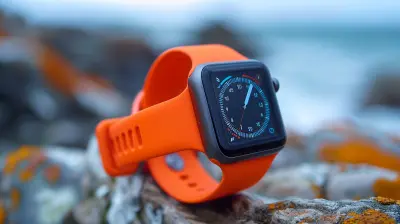
Wearable Tech and Mental Health: Monitoring Mood in Real-Time
26 June 2026
Let’s be honest: modern life can feel like trying to juggle flaming swords while riding a unicycle, on a tightrope… over a pit of alligators. Okay, maybe a bit dramatic—but hey, stress is real, and mental health is finally getting the spotlight it’s deserved for decades. Now, blend that with something we wear, like a watch or a ring, and boom—you’ve got wearable tech elbowing its way into the mental health scene, offering to track your mood like it’s counting your steps.
But can some chic little gadget on your wrist really tell when you're on the verge of a meltdown in rush hour traffic? Or when you're so zen you could give the Dalai Lama a run for his robes? Let’s dive into how wearable tech is helping us monitor our moods in real time—and whether our Apple Watch really does know us better than our therapist.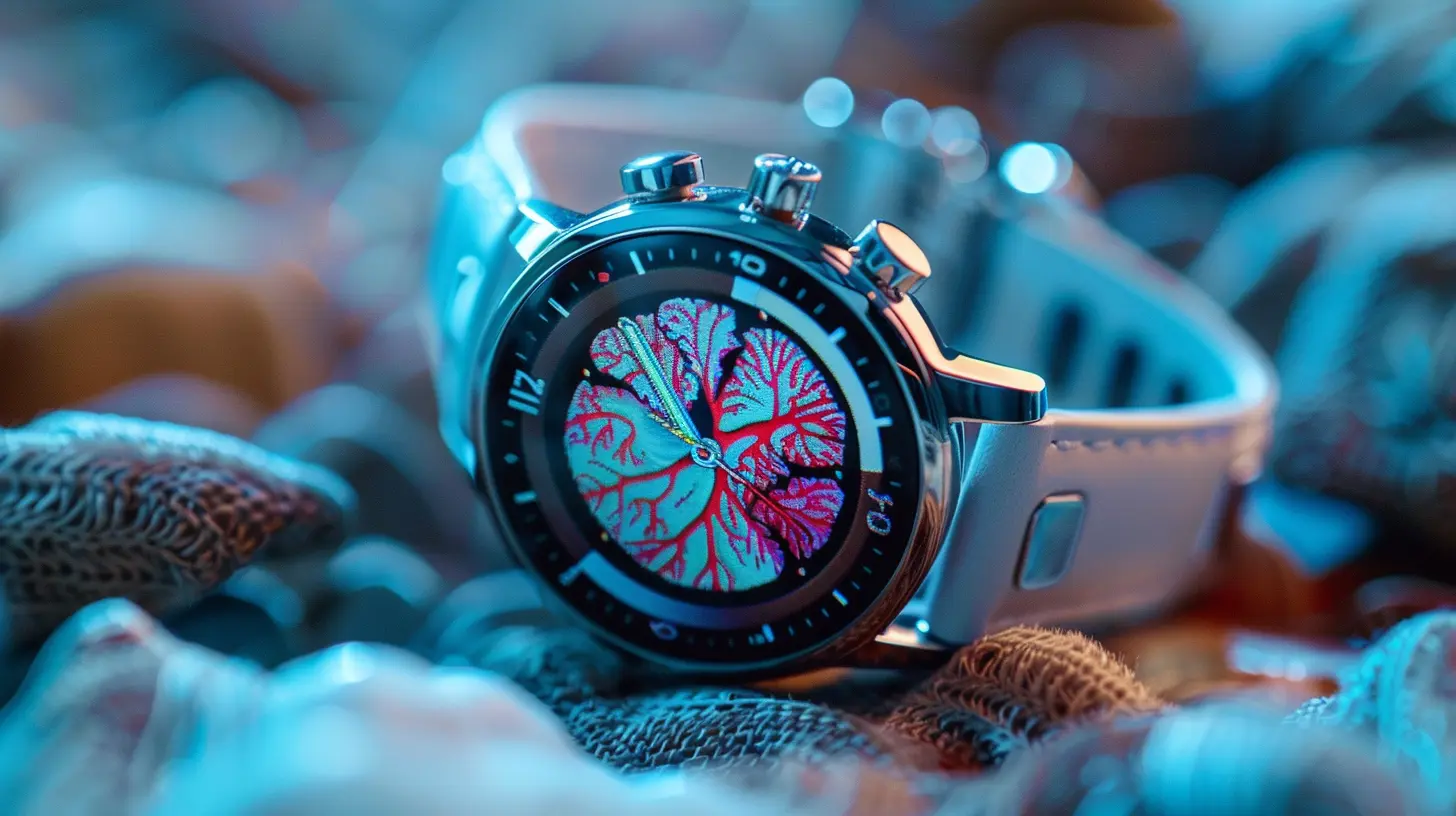
What Is Wearable Tech Anyway?
Before we get too deep, let’s break it down. Wearable tech isn't just Silicon Valley’s latest fashion statement. These are smart devices you wear—like smartwatches, rings, bands, even shirts (yes, you read that right…)—that gather biofeedback and data about your body.Think Fitbits tracking your steps, smartwatches checking your pulse, and mood rings 2.0 (read: actual, scientific mood tracking via biometric sensors). Only now, these things are capable of sniffing out stress spikes, mood swings, and those days when you just want to cocoon in a blanket burrito and ignore the world.
Wait, Hold Up—How Do These Gadgets Even Track Mood?
Fair question, Sherlock. Unlike your dog, who just knows when you're sad, wearable tech has to do a bit more work. These devices rely on a cocktail of biometric data including:- Heart rate variability (HRV): Measures the variation in time between heartbeats. Lower HRV? Often a sign you’re stressed out, anxious, or just had one too many espressos.
- Skin temperature: Some devices monitor this to detect stress responses or emotional shifts.
- Sweat analysis: Yes, some gadgets analyze your salty armpit juice. Glamorous, we know.
- Blood oxygen levels (SpO2): Fluctuations here can give clues about anxiety or fatigue.
- Sleep patterns: Lack of sleep = cranky human. Science.
By combining this data, machine learning (aka robot brainpower) starts spotting patterns. It learns when you’re chillin’, when you’re stressed, and when you’re about to go full Hulk mode.
The Emotional FitBit: Not Just for Your Steps Anymore
You might be wondering if this is just glorified guesswork. Actually, wearable tech is getting surprisingly good at tapping into our emotional world. Some of the big-name players diving into the mood-monitoring party include:1. Apple Watch
Good ol’ Apple never misses a beat—literally. With its Breathe app, heart rate monitoring, and mindfulness tracking, it gently nudges you to take a deep breath before you text your boss something regrettable.2. Whoop Strap
Whoop doesn’t have a flashy screen, but boy does it know when you’re stressed. It monitors your heart rate, recovery, and strain to let you know if you’re pushing too hard—helpful whether you're training for a triathlon or just surviving Monday.3. Fitbit Sense
The Sense comes with an EDA sensor that tracks electrodermal activity (read: sweat response), which can indicate stress. It even gives you a “Stress Management Score.” Your therapist is shaking.4. Oura Ring
Looks like a fashion statement, but it’s a low-key biofeedback wizard. It monitors HRV, temperature, and sleep to give you insights into your physical and mental readiness. Bonus: it’s comfy enough to wear to bed.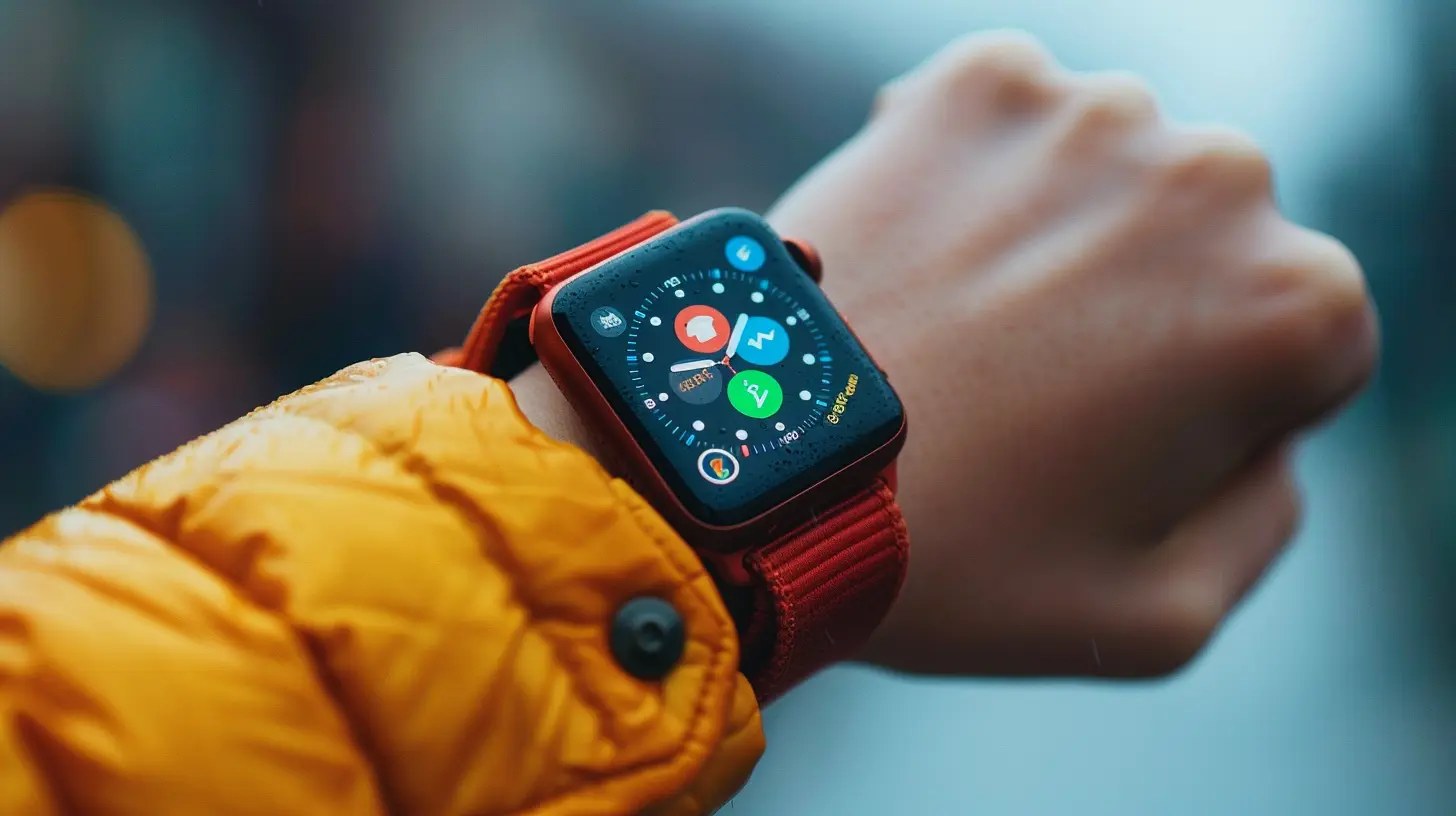
Real-Time Mood Monitoring: Not Sci-Fi Anymore
Let’s say you’re having a day. Karen from accounting is on your nerves, the coffee machine is broken, and your inbox is screaming louder than your inner monologue. Suddenly, your watch buzzes.“Hey, you seem a little off. Wanna take a breath?”
Creepy? Maybe. Helpful? Absolutely.
This real-time feedback lets you course-correct before things go off the rails. It’s like a tiny, emotion-aware sidekick on your wrist whispering, “Don’t send that passive-aggressive email, chief.”
Imagine if Clippy from Microsoft Word had an emotional upgrade: “It looks like you’re about to cry at your desk. Would you like a meditation break instead?”
Are We Really That Predictable?
Okay, let’s slow our roll just a moment. Can a device really feel our feelings? No, not exactly. It doesn’t know that you’re sad because your cat looked at you funny. It just notices your heart rate dipped, your skin cooled, and you're breathing like Darth Vader after cardio.The interpretation of these signals is where the magic—or the guesswork—happens. AI algorithms take your data and cross-reference it with known stress-related patterns. It’s not perfect, but it gets eerily close. And it’s improving fast.
Over time, your wearable learns you. It finds your unique patterns, kind of like how Netflix knows you secretly binge rom-coms when you say you’re into documentaries. Our mood data + machine learning = a little mood-sherlock living on your wrist.
The Pros: Why It’s Actually Pretty Awesome
Let’s give credit where it’s due. Here are some reasons wearable tech may deserve a standing ovation (or at least a polite golf clap):✅ Early Detection of Mental Health Issues
Mood shifts can be subtle—until they’re not. Real-time tracking helps flag prolonged anxiety, depression, or sleep issues before you spiral into full burnout mode.✅ Self-Awareness Boost
Let’s face it—most of us are walking around emotionally blind. Wearables shine a flashlight on our feelings, giving us those “Aha!” moments. ("Ohhh so THAT’S why I snapped at the barista…")✅ Personalized, Non-Judgmental Feedback
No side eyes. No awkward silence. Your wearable doesn’t judge you for skipping meditation again or doom-scrolling till 2am. It just keeps gently nudging.✅ Built-In Coping Tools
Some devices come with mindfulness apps, breathing exercises, and guided meditations. They’re like pocket-sized therapists—minus the co-pay.The Cons: Because Even Tech Has Feelings (Kind Of)
Okay, it’s not all glitter and good vibes. There are a few thorns on this flower crown.❌ Data Overload
Too much self-tracking can actually stress you out. (Irony, much?) Not every spike in heart rate means you’re emotionally unraveling. Sometimes it’s just... stairs.❌ Privacy Concerns
Your mood data is valuable—and potentially sensitive. Companies storing your emotional data raises eyebrows. Who has access? Are they selling it to advertisers? Spoiler: sometimes yes.❌ False Alarms
Nothing says awkward like a smartwatch telling you you’re “highly stressed” when you’re actually just watching horror movies under a blanket.❌ It’s Not a Replacement for Therapy
This is a big one. Wearables can assist with mental health, but they ain't no substitute for real human connection or professional help.The Future of Mood-Tracking Wearables Looks...Well, Emotional
What’s next? We’re talking full-on emotional AI companions. Tech that not only tracks your mood but can adjust your smart home lighting to calm colors when you’re stressed. Smart earrings that detect crying in your voice. Heck, maybe one day your fridge will warn you not to eat ice cream at 2am because you’re emotionally eating, not hungry.There are even whispers of combining mental health wearables with VR for therapy sessions or emotional simulations. Imagine a calming digital forest that adapts in real time to your stress levels. Sign me up.
So, Should You Strap One On?
Here’s the tea: if you’ve got tech on your wrist anyway, why not have it be your emotional wingman too?Wearable mood trackers won't solve all your emotional woes, but they can be a helpful tool in your mental health toolbox. Like having a friend who notices when you’re off and gently says, “Hey, wanna talk?”
Pair it with self-care, professional help, and maybe fewer doom-scroll sessions, and you just might feel a little more balanced—even on those Monday mornings when your coffee machine betrays you.
TL;DR (Too Long; Didn’t Recharge)
Mood-tracking wearables are bringing real-time mental health monitoring into our daily lives, offering personalized insights, coping tools, and emotional support with just a wrist buzz or two. They’re not magic wands, but they’re a cool, tech-savvy way to start getting in touch with what’s going on upstairs.So go ahead—let your wristwatch care about your feelings. It’s 2024, and that’s not even the weirdest part.
all images in this post were generated using AI tools
Category:
Wearable DevicesAuthor:

Michael Robinson
Discussion
rate this article
1 comments
Marie Lee
Imagine a device that reads your emotions like an open book. Could wearable tech unlock the secrets of our minds or simply lead us into deeper mysteries?
July 3, 2026 at 4:57 AM