Which Foldable Phones Might Actually Be Worth It in 2026
24 April 2026
You know that feeling when you pull out your phone and realize it’s just... fine? Not bad, not great—just another slab of glass and metal that does the same thing every other phone does. It’s like eating plain toast for breakfast every morning. Sure, it fills you up, but where’s the excitement? That’s the problem the foldable phone industry has been trying to solve, but for years, these devices felt like expensive science experiments—cool in theory, but fragile, buggy, and honestly, not worth the mortgage payment.
But 2026 is different. I’m not just saying that because I want you to click “add to cart.” After watching the foldable market stumble, crawl, and finally sprint over the last few years, I genuinely believe we’ve reached a tipping point. The crease is disappearing. The hinges are getting stronger. The prices are (slowly) coming down. And the software? Well, let’s just say Android has finally caught up to the hardware.
So, which foldable phones might actually be worth your hard-earned cash in 2026? Let’s break it down, no hype, no fluff—just real talk from someone who’s been burned by a creaky hinge before.
The State of Foldables in 2026: A Quick Reality Check
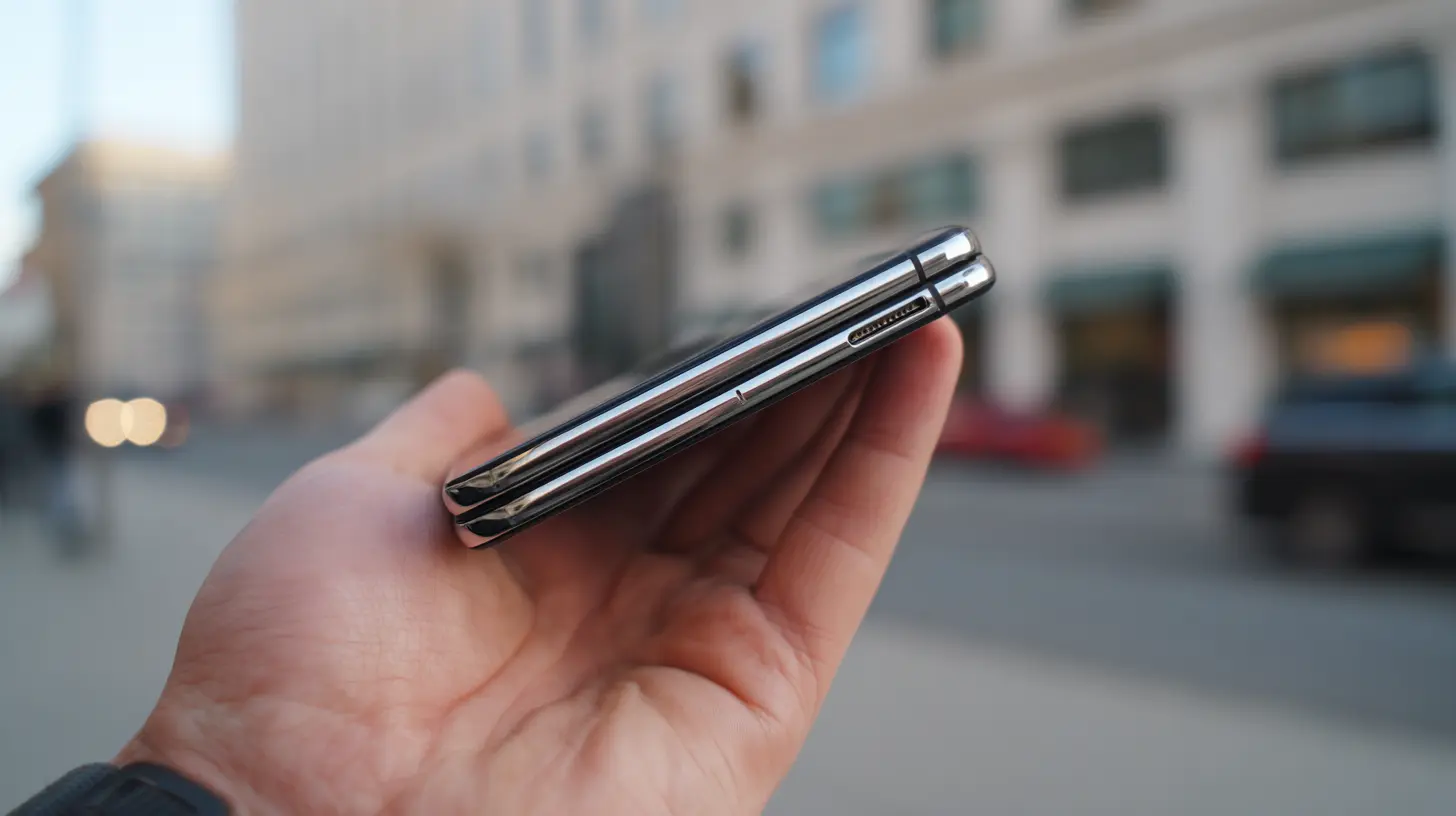
Before we dive into specific models, let’s set the stage. If you’re reading this in 2026, you’ve probably seen the headlines: Samsung’s Galaxy Z Fold 7 is thinner than ever, Google’s Pixel Fold 3 has a camera that rivals a DSLR, and OnePlus has somehow made a foldable that doesn’t feel like a brick in your pocket. But here’s the thing—not every foldable is a winner. Some are still overpriced, under-camera-ed, or just plain awkward to use.Think of foldables like the first generation of electric cars. Early adopters paid a premium for range anxiety and weird charging cables. Now? EVs are practical, affordable, and everywhere. Foldables are on that same trajectory. In 2026, the question isn’t “Should I buy a foldable?” but “Which one won’t make me regret my life choices?”
The Contenders: Who’s Actually Competing in 2026?
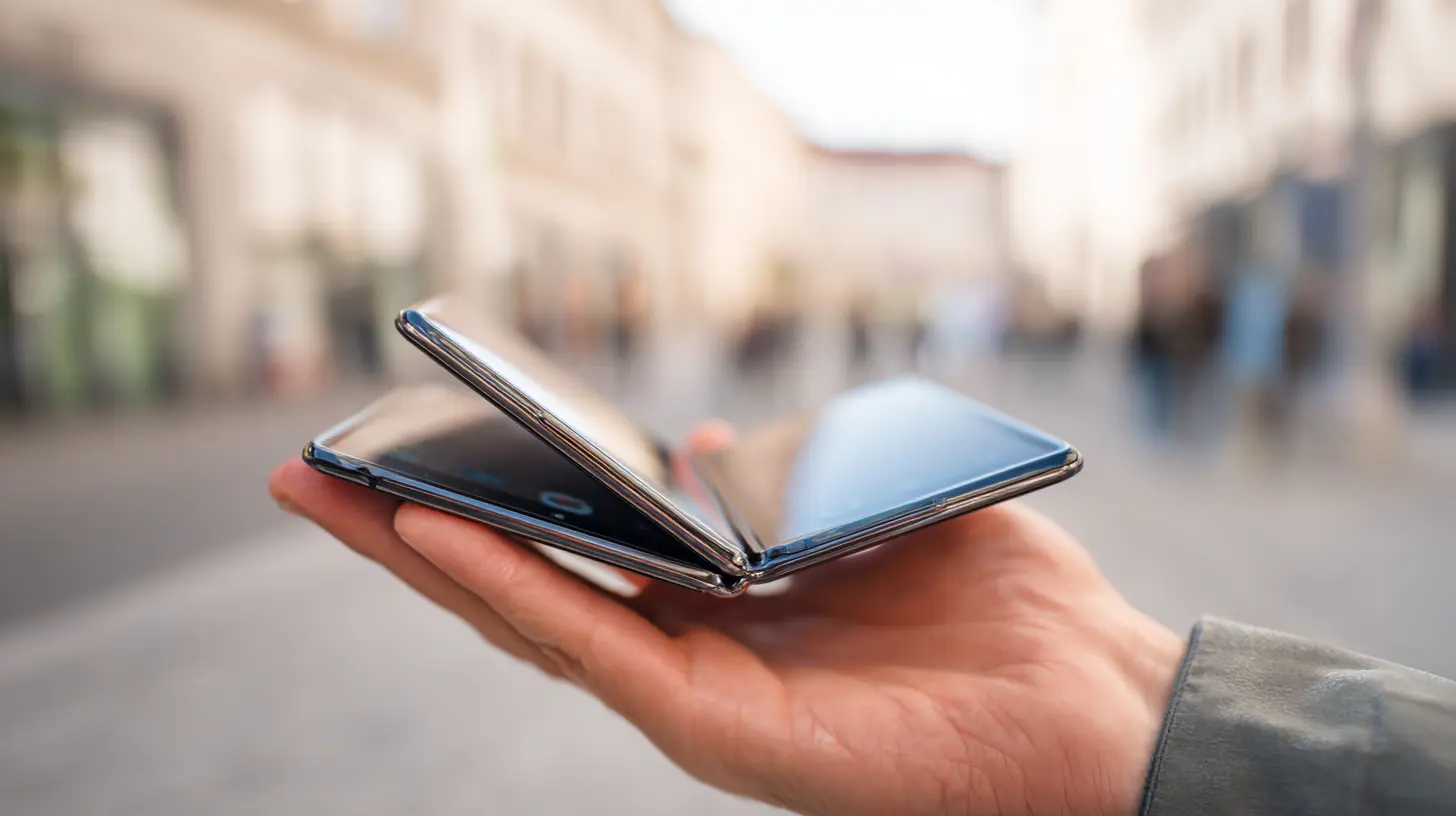
Let’s look at the major players. Samsung still dominates the market, but it’s no longer the only kid on the block. Google, OnePlus, Oppo, and even Xiaomi have thrown their hats into the ring. And let’s not forget the wildcards—like the Huawei Mate X series (if you can get one outside China) and the Motorola Razr line for those who miss flip phones.But here’s my hot take: you shouldn’t buy a foldable just because it’s a foldable. You should buy one because it solves a problem you actually have. Do you need a bigger screen for multitasking? Do you want a phone that fits in your pocket but unfolds into a mini-tablet? Or do you just want to flex on your friends at coffee shops? Be honest with yourself.
Samsung Galaxy Z Fold 7: The Safe Bet (Finally)
Let’s start with the elephant in the room—or should I say, the book in your pocket. Samsung’s Galaxy Z Fold series has been the poster child for foldables since 2019. But let’s be real: the early models were rough. The crease was visible from space, the battery life was mediocre, and the outer screen felt like a candy bar from the 90s.In 2026, the Galaxy Z Fold 7 is a different beast. Samsung has finally listened to the complaints. The crease? Almost invisible. The hinge? It feels like opening a well-oiled door—smooth, sturdy, and satisfying. The cover screen is wider, so you don’t feel like you’re typing on a postage stamp. And the inner display? It’s a 7.6-inch AMOLED that’s bright enough to read under direct sunlight.
But here’s what really sells it: software. Samsung has refined One UI to take full advantage of the foldable form factor. You can run three apps side-by-side without them looking like squished sardines. The taskbar is intuitive. And the new “Flex Mode” actually works—you can prop the phone up like a laptop and use the bottom half as a trackpad. It’s not perfect, but it’s damn close.
Is it worth it? If you’re a power user who needs a phone and a tablet in one device, yes. But at around $1,800, it’s still a luxury item. Think of it as buying a high-end espresso machine—you’ll love it, but only if you actually drink espresso every day.
Google Pixel Fold 3: The Camera King
Google’s approach to foldables has always been different. While Samsung focuses on raw specs and multitasking, Google treats the foldable like a camera that happens to fold. And honestly, that’s a smart move. Because let’s face it—most of us use our phones to take pictures of our food, our pets, and our kids (not necessarily in that order).The Pixel Fold 3 in 2026 is a photography powerhouse. Google’s computational photography has reached a point where it can make a mediocre sensor look like a pro-grade lens. The main camera is a 50MP sensor with a variable aperture that adjusts to light conditions. The telephoto lens gives you 5x optical zoom without turning your subject into a blurry mess. And the selfie camera? It’s hidden under the display, so you don’t have a notch or punch-hole ruining your movie-watching experience.
But the real magic is in the software. Google’s “Magic Eraser” and “Photo Unblur” features are now built into the camera app. You can take a photo, and the phone will automatically remove photobombers, fix lighting, and even sharpen blurry faces. It’s like having a professional photo editor in your pocket.
The downside? The Pixel Fold 3 is still a bit thick when folded. And the battery life is good, not great. But if you value camera quality above all else, this is the foldable for you. It’s the phone that makes your Instagram feed look like you hired a photographer.
OnePlus Open 2: The Value Proposition
OnePlus has always been the “flagship killer” brand, and the OnePlus Open 2 continues that tradition. In 2026, this is the foldable that makes you question why you’d spend $1,800 on a Samsung or Google device.The OnePlus Open 2 is lighter than its competitors—like, noticeably lighter. It’s about 240 grams, which is only slightly heavier than a regular flagship phone. The hinge is a marvel of engineering; it’s rated for 400,000 folds, which means you’d have to open and close it 200 times a day for five years before it gives out. The inner screen is a 7.8-inch LTPO OLED that runs at 120Hz, and the outer screen is a 6.3-inch AMOLED that’s actually usable.
But the real selling point is the price. At around $1,300, the OnePlus Open 2 undercuts the competition by a significant margin. You’re not losing much in terms of performance either—it’s powered by the Snapdragon 8 Gen 4 chip, has 16GB of RAM, and a battery that lasts a full day with heavy use.
Is it perfect? No. The camera is good, but not great—it’s a step below the Pixel Fold 3. And the software updates are slower than Samsung and Google. But if you want a foldable that doesn’t break the bank, this is your best bet. It’s like buying a Toyota Camry instead of a BMW—reliable, practical, and you won’t cry when you scratch it.
Motorola Razr 60 Ultra: The Flip Phone Revival
Not everyone wants a giant tablet in their pocket. Some of us miss the days of flip phones—the satisfying snap of closing a clamshell, the compact size, the feeling of being a secret agent. Enter the Motorola Razr 60 Ultra.In 2026, the Razr is no longer a gimmick. It’s a fully functional flagship phone that folds in half. The outer screen is a 3.6-inch AMOLED that lets you reply to messages, take selfies, and even run full apps without opening the phone. The inner screen is a 6.9-inch pOLED with a crease that’s barely visible.
The camera setup is decent—a 50MP main sensor and a 12MP ultrawide. But the real star is the design. The Razr is thin, light, and comes in colors that make you want to show it off. It’s the phone you pull out at a party just to hear people say, “Whoa, is that a flip phone?”
The catch? The battery is smaller than a traditional flagship, so you’ll be charging it by evening if you’re a heavy user. And the software isn’t as polished as Samsung’s. But if you prioritize portability and style over raw power, the Razr 60 Ultra is a joy to use. It’s the phone equivalent of wearing a tailored suit—functional, but mostly about looking good.
Huawei Mate X6: The Dark Horse
I know, I know—Huawei phones don’t have Google services, which is a dealbreaker for many. But if you’re willing to work around that (or you live in a market where Huawei is still strong), the Mate X6 is arguably the most innovative foldable in 2026.The Mate X6 uses a “tri-fold” design, meaning the screen folds in two places to create a massive 10-inch display when fully open. Yes, you read that right—it’s basically a tablet that fits in your pocket. The hinge mechanism is a work of art, and the build quality is top-notch.
The camera system is also impressive, with a 50MP main sensor, a 40MP ultrawide, and a 12MP periscope zoom lens. The battery is a whopping 5,000mAh, and the charging speed is 66W wired and 50W wireless. It’s a beast.
But the lack of Google Play Store is a serious limitation. You can sideload apps, but it’s a hassle. And the price is astronomical—around $2,200. Unless you’re a tech enthusiast who loves tinkering, this one’s hard to recommend. It’s like buying a Ferrari that only runs on premium fuel—and you have to import the fuel yourself.
What About the Crease? (And Other Lingering Fears)
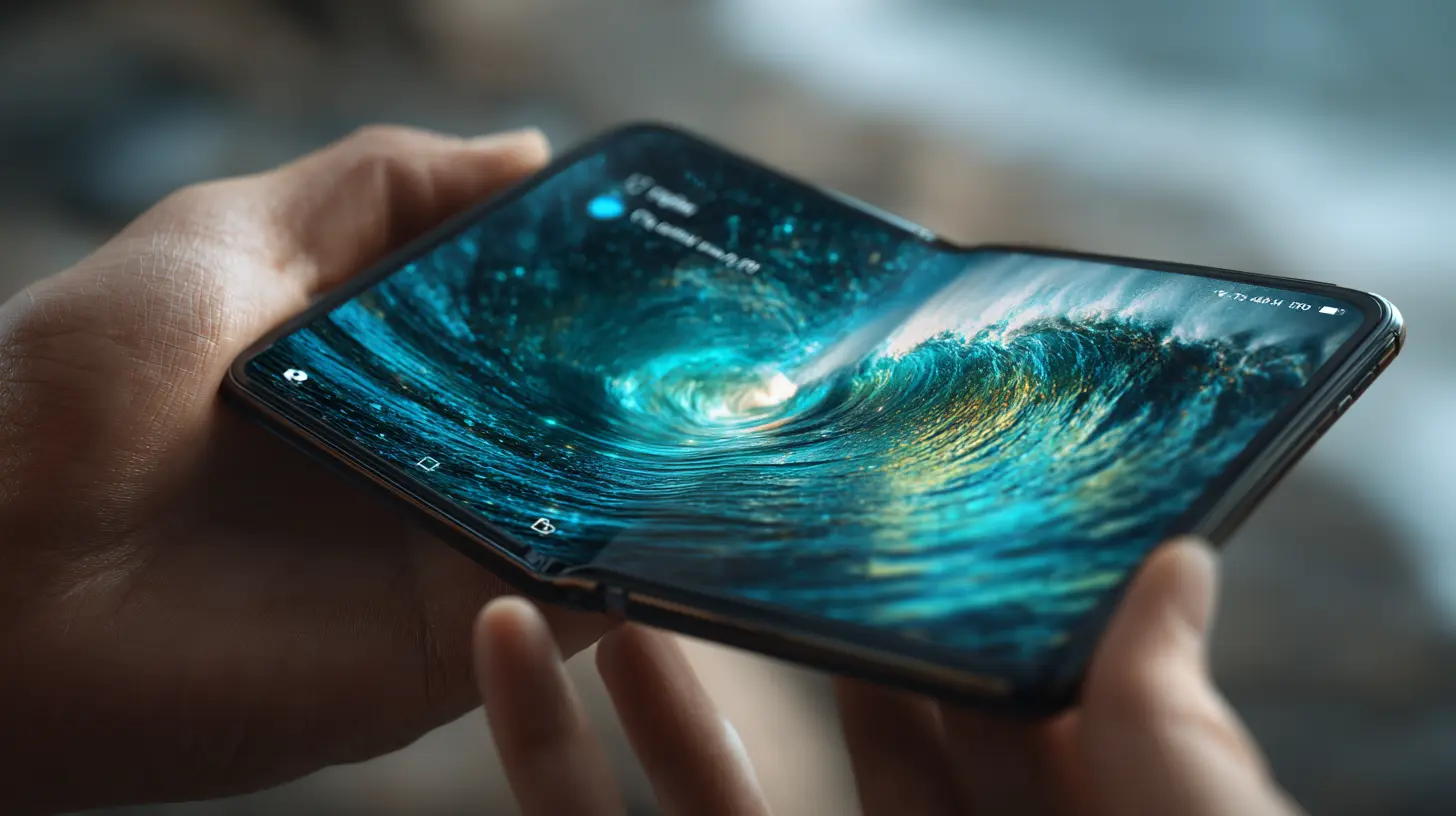
Let’s address the elephant in the room—or rather, the line in the screen. The crease on foldable phones has been a source of anxiety since day one. But in 2026, it’s largely a non-issue. Samsung’s “Ultra Thin Glass” has improved, and OnePlus uses a “waterdrop” hinge that reduces the crease to a faint shadow. You’ll only notice it if you’re looking for it, especially at an angle.Durability is another concern. Are these things still fragile? Yes and no. The IP rating on most 2026 foldables is IPX8, meaning they can survive a splash or even a drop in the toilet (not that I’d recommend testing that). But the inner screen is still softer than a traditional glass display. If you press too hard with a fingernail, you might leave a dent. Treat it like a delicate book—handle with care, and it’ll last.
Who Should Buy a Foldable in 2026?
Let’s get personal. I’ve been using the Samsung Galaxy Z Fold 7 for about three months, and here’s my honest take: I love it, but it’s not for everyone.If you’re a multitasker—someone who constantly switches between email, Slack, and a browser while watching a YouTube video—a foldable will change your life. It’s like having a second monitor for your phone. But if you’re just scrolling TikTok and texting, a regular $500 phone will do the same thing for a fraction of the cost.
Similarly, if you’re a photographer or content creator, the Pixel Fold 3 is a no-brainer. The camera quality is genuinely flagship-level, and the foldable form factor lets you use the phone as a tripod or a viewfinder. But if you take photos once a month, save your money.
And if you’re a budget-conscious buyer, the OnePlus Open 2 offers 90% of the experience for 70% of the price. It’s the best “value” foldable in 2026, hands down.
The Verdict: Which Foldable Should You Buy?
I can’t make the decision for you, but I can give you a cheat sheet:- Best overall: Samsung Galaxy Z Fold 7 – if you want the most polished, feature-rich experience.
- Best camera: Google Pixel Fold 3 – if photography is your priority.
- Best value: OnePlus Open 2 – if you want a foldable without the flagship price tag.
- Best design: Motorola Razr 60 Ultra – if you love the flip phone form factor.
- Most innovative: Huawei Mate X6 – if you’re willing to deal with the Google services workaround.
At the end of the day, a foldable phone in 2026 is not a futuristic fantasy—it’s a practical, everyday device. The crease is fading, the hinges are strong, and the software is mature. The only question left is: are you ready to fold?
all images in this post were generated using AI tools
Category:
Technology ReviewsAuthor:

Michael Robinson
Discussion
rate this article
2 comments
Anika McKnight
Excited to see how foldable tech evolves in 2026!
May 5, 2026 at 3:04 AM
Deborah Shaffer
Foldable phones are on the brink of redefining our tech experience. By 2026, innovation will likely elevate usability, durability, and design. As manufacturers push boundaries, consumers should embrace the change. The future is unfolding, and those who take the leap will discover a world of possibilities. Stay curious!
May 3, 2026 at 4:01 AM
Michael Robinson
Absolutely. The evolution of foldable phones promises exciting advancements. It's an exciting time to see how these changes will reshape user experiences. Embracing this shift could lead to discovering some amazing new features.