Why Compact Digital Cameras Are Making a Comeback
11 April 2026
Introduction
Remember the days when everyone carried a compact digital camera before smartphones took over? It seems like those little gadgets are making a surprising comeback. But why? In an era where smartphones boast cutting-edge camera technology, you’d think compact digital cameras would be obsolete. Yet, here we are—witnessing a resurgence of these handy devices.
So, what’s driving this renewed interest? Let’s dive into the reasons behind the revival of compact digital cameras and why many photographers, influencers, and travelers are ditching their phones for a dedicated camera once again.
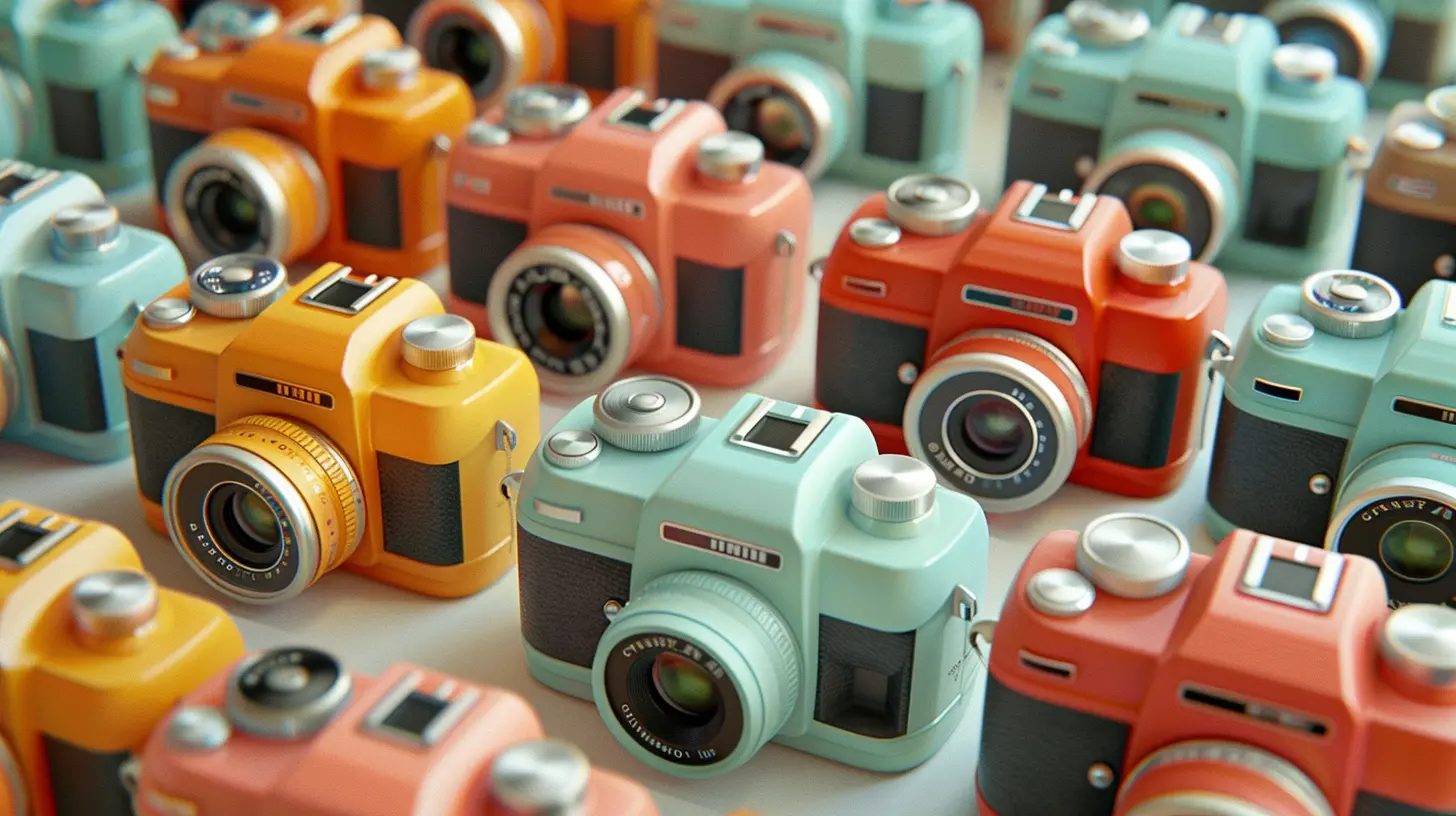
The Smartphone Camera vs. Compact Digital Cameras
Smartphones have revolutionized photography, no doubt about it. They’ve become our go-to device for capturing memories, thanks to convenience and constant improvements in image quality. But despite all the technological advancements, professional photographers and enthusiasts will tell you—smartphones still have their limits.Here’s where compact digital cameras step in. While smartphones rely on computational photography and software enhancements, compact cameras bring dedicated hardware designed explicitly for superior image quality, optical zoom, and manual controls that smartphone cameras simply can’t match.
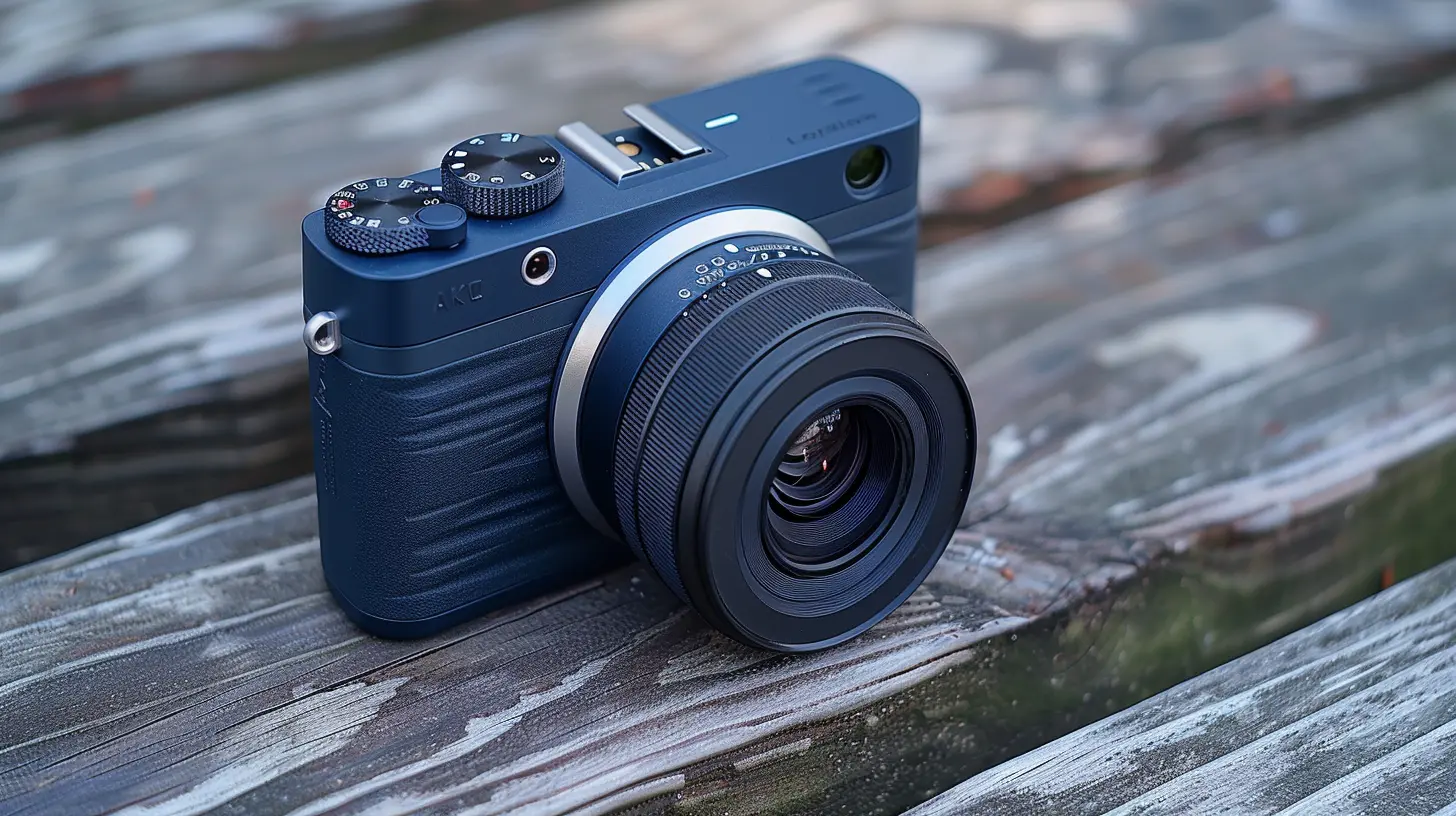
1. Better Image Quality Than Smartphones
Let’s be honest—smartphones take amazing photos in good lighting. But when you zoom in, take low-light shots, or try to capture a fast-moving subject, things quickly fall apart.Compact digital cameras have larger sensors, which means they capture more detail, handle low-light conditions better, and deliver sharper images. Unlike smartphones that rely on artificial processing and software tricks to enhance photos, compact cameras produce more natural and higher-quality images straight out of the camera.
Low-Light Performance
Smartphones struggle in dim environments. Even with night mode, they rely on software to brighten images, often leading to unnatural colors and noise. Compact cameras, on the other hand, have larger sensors and better lenses, making them superior in low-light situations without excessive grain or loss of detail.Optical Zoom vs. Digital Zoom
Ever tried zooming in with your smartphone camera? It’s usually a disaster. That’s because most phones use digital zoom, which just crops the image, resulting in blurry and pixelated results.Compact cameras, however, come equipped with optical zoom, allowing you to get closer to your subject without losing image quality. This is a game-changer for travel and wildlife photography, where getting physically closer isn’t always an option.
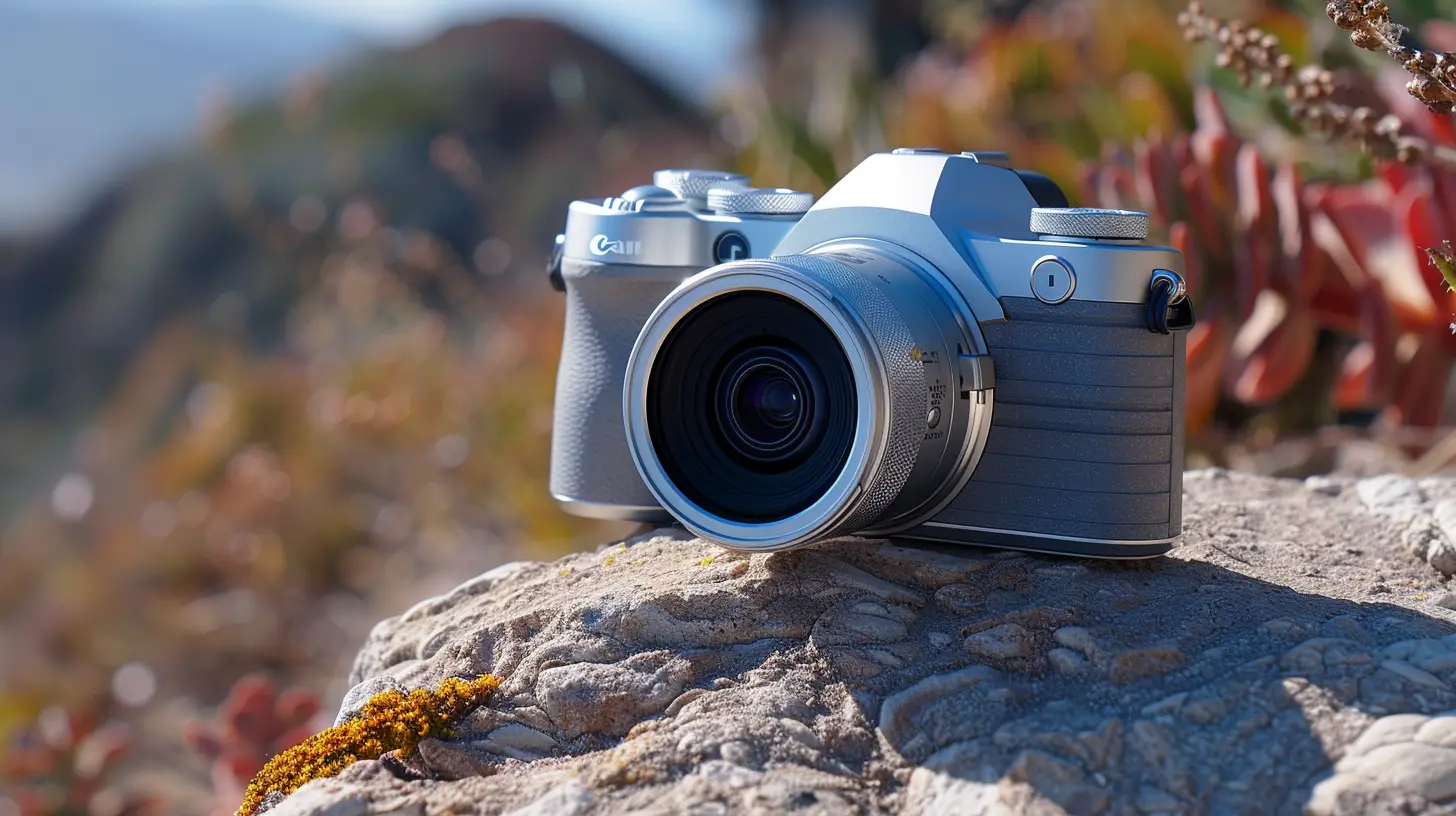
2. Aesthetic Appeal and Retro Charm
Believe it or not, nostalgia is playing a big role in the comeback of compact digital cameras. Just like vinyl records and film cameras have seen a resurgence, compact cameras are riding the wave of retro appeal.Many people love the feel of using a dedicated camera—holding it in their hands, clicking the physical shutter button, and experiencing photography in a more deliberate way. It’s an experience that smartphone photography simply can’t replicate.
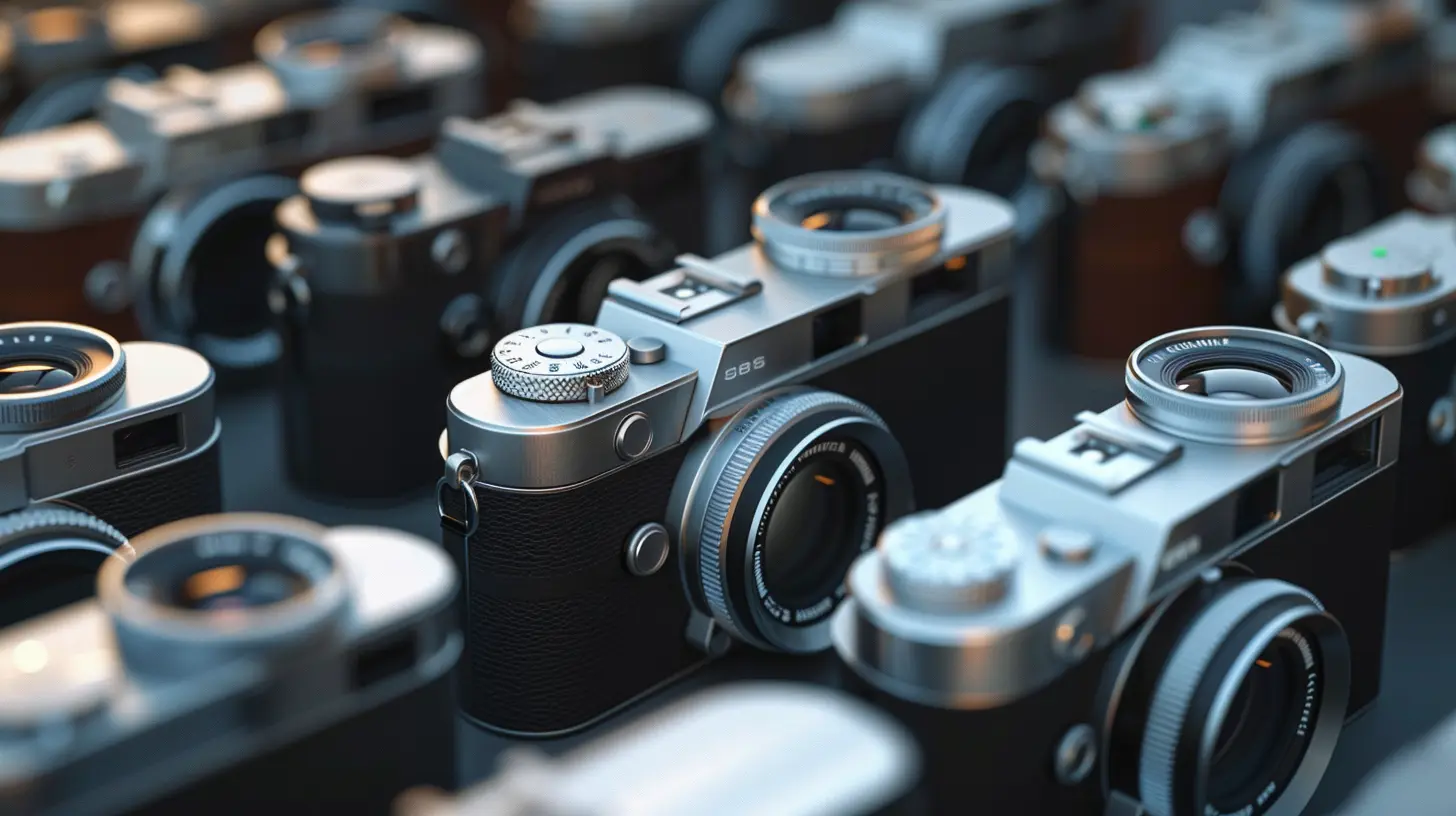
3. Social Media Hype and the Rise of "Casual Photography"
Social media influencers and TikTok users have played a huge role in reviving compact cameras. The hashtag #digitalcamera has been exploding, with creators showcasing the unique aesthetic of compact camera photos.Unlike smartphones with overly processed images, compact cameras offer a raw, slightly imperfect look that gives photos a more authentic and nostalgic feel. It’s no surprise that Gen Z, in particular, is embracing older digital cameras as a way to stand out from the crowd.
4. The Need for a Distraction-Free Device
One of the biggest downsides of using a smartphone as a camera? Distractions. You pick up your phone to take a picture, and before you know it, you’re checking emails, replying to messages, or scrolling through social media.A compact digital camera removes all of that. It’s a dedicated device for photography, allowing you to focus solely on capturing moments without the constant interruptions of notifications. For many, that’s a refreshing change from the always-connected smartphone lifestyle.
5. Affordability Compared to High-End Cameras
Let’s face it—professional cameras like DSLRs and mirrorless models can be expensive. Not everyone wants to spend thousands of dollars on a camera, especially if they’re just looking for something better than a smartphone without breaking the bank.Compact cameras bridge the gap. They offer high-quality images, manual controls, and optical zoom without the steep price tag of professional-grade cameras. This makes them an attractive choice for hobbyists, travelers, and casual photographers.
6. Battery Life That Outlasts Smartphones
If you’ve ever tried vlogging or shooting all day with a smartphone, you know how quickly the battery drains. Cameras rely on dedicated batteries that last significantly longer than a phone, meaning you can capture more shots without constantly worrying about finding a charger.
7. Easy and Quick Point-and-Shoot Functionality
Modern smartphones may have sophisticated camera tech, but they also come with a learning curve—pro mode settings, AI enhancements, and a ton of editing options. Sometimes, you just want to point, shoot, and get a great image effortlessly.Compact cameras excel at this. They’re designed for quick and easy use, making photography accessible to everyone, from beginners to professionals looking for a lightweight backup camera.
8. Durability and Ruggedness
Have you ever dropped your phone while trying to take a picture? It’s heart-stopping. Smartphones are fragile, and a single drop can crack the screen or damage the camera lens.Compact digital cameras, however, are built tougher. Many models are designed to withstand rough conditions—some are waterproof, shockproof, and even freeze-proof, making them ideal for adventure seekers and outdoor photographers.
9. More Control Over Photography
While smartphone cameras rely on AI and automatic settings, compact cameras give users more creative control. You can adjust shutter speed, aperture, ISO, and white balance to achieve the perfect shot—something that’s limited on most phones.For those who want to learn photography without committing to a bulky DSLR, compact cameras are the perfect middle ground.
10. Compact Cameras for Travel and Everyday Use
Travelers, in particular, are rediscovering the value of compact cameras. They’re lightweight, easy to carry, and deliver far better image quality than a smartphone. Plus, they save storage space on your phone and let you separate your travel photography from everyday snaps.
Conclusion
So, are compact digital cameras really making a comeback? Absolutely. With their superior image quality, optical zoom, distraction-free experience, and nostalgic charm, it’s no surprise that more people are turning back to dedicated cameras.While smartphones will always be convenient, there’s something special about using a device designed purely for photography. Whether you’re a beginner looking for an easy-to-use camera or a photographer who wants something light yet powerful, compact digital cameras offer the perfect blend of quality and convenience.
It looks like these little cameras are here to stay—and they might just be the perfect addition to your photography gear.
all images in this post were generated using AI tools
Category:
Digital CamerasAuthor:

Michael Robinson
Discussion
rate this article
2 comments
Felicity McDonald
Great insights! Compact digital cameras combine convenience with exceptional quality, proving that sometimes smaller really is better in our tech-driven world.
April 14, 2026 at 3:23 AM
Michael Robinson
Thanks for your thoughts! Compact cameras really do strike that perfect balance between portability and quality. It's exciting to see their resurgence.
Zephyra Newton
Great read! It's exciting to see compact digital cameras gaining popularity again. They blend convenience with quality, making photography accessible for everyone. Keep it up!
April 12, 2026 at 12:47 PM
Michael Robinson
Thanks for the kind words! I'm glad you enjoyed it. Compact cameras really are a great mix of convenience and quality.