Why Esports is the Next Frontier for Sports Medicine
22 March 2026
Welcome to the digital age, where you can become a millionaire by sitting in a chair, furiously clicking buttons, and yelling at your monitor. Yes, we’re talking about esports—fast-paced, adrenaline-fueled video game competitions that have taken over the globe faster than my attention span when I smell pizza.
But here's the kicker: esports isn’t just a sweaty-palmed hobby anymore. It’s morphing into something way more serious. We're now at the point where sports medicine—you know, the field that helped Olympians bounce back from torn ACLs—is stepping into this pixelated battleground. Surprising? Maybe. But long overdue? Absolutely.
So buckle up, because we're diving deep into why esports is the next big obsession for sports medicine, and why you should care (hint: you don’t need to break a bone for your health to be wrecked).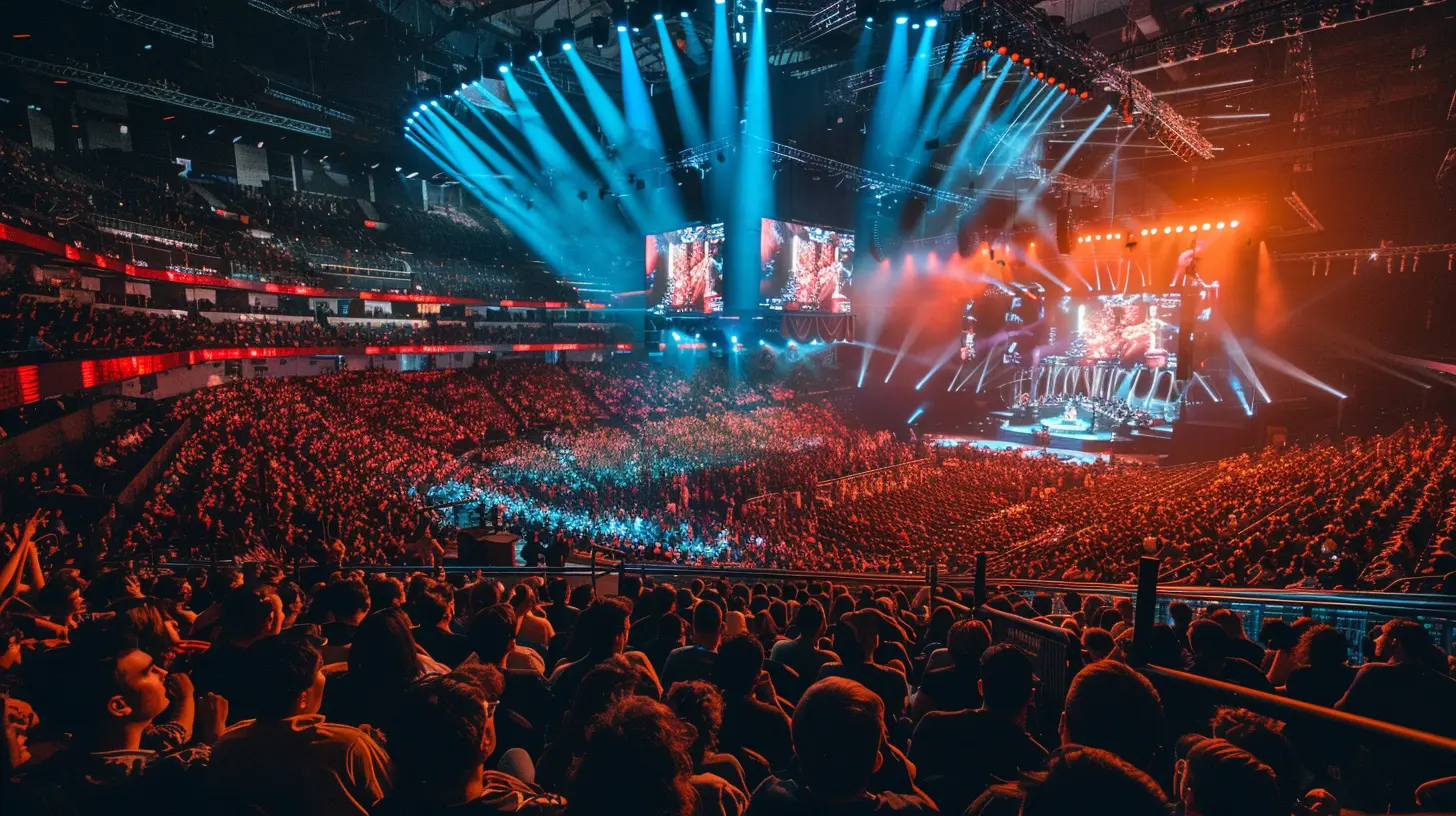
The Evolution of Esports: From Basement to Billion-Dollar Business
Long gone are the days when competitive gaming was just a bunch of teenagers yelling into their headsets in dimly-lit rooms that smelled suspiciously like pizza rolls. Esports has grown into a multi-billion-dollar industry, backed by sponsorships from major brands, professional teams, and prize pools big enough to make real athletes cry into their protein shakes.Millions watch global tournaments like League of Legends Worlds, The International, and Call of Duty World League—and yes, teams now have coaches, analysts, nutritionists, and even personal chefs. It’s not just “playing games” anymore. It’s serious business, and like every high-stakes competition, it comes with physical and mental tolls.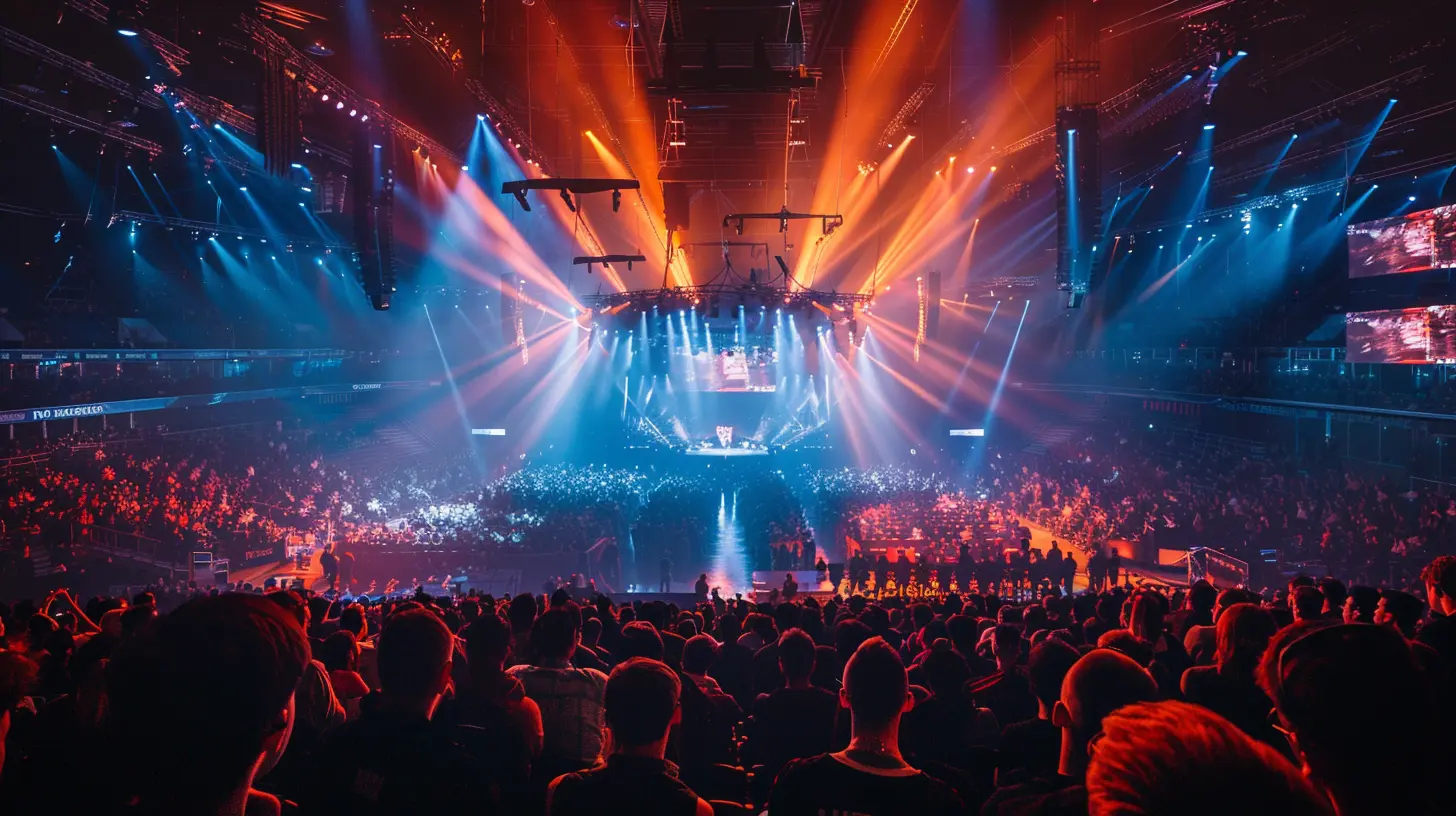
Wait, Esports Athletes Have Medical Issues?
Oh, absolutely. Just because they aren't sprinting or dunking doesn’t mean they’re immune to injury. If anything, esports athletes face a whole buffet of health issues, served with a side of energy drinks and ridiculous practice hours.Let’s break it down:
1. Repetitive Stress Injuries (RSIs)
Remember how your mom warned you about sitting too close to the screen? Well, she forgot to mention that clicking 400 times per minute for 14 hours a day could turn your wrist into a ticking time bomb. Carpal tunnel syndrome, tendonitis, and all sorts of finger-related chaos are rampant in esports.2. Postural Nightmares
Most esports pros are practically fused to their gaming chair. And guess what? Bad posture doesn’t just make you look like Quasimodo’s long-lost cousin. It causes chronic neck pain, spinal misalignment, and even respiratory issues.3. Eye Strain & Blue Light Blues
Gamers don’t blink. Seriously. They stare at LED screens for hours, sucking in an endless stream of blue light like it’s their job—because it literally is. The result? Digital Eye Strain, headaches, blurred vision, and the inability to look at anything not in 144Hz.4. Mental Health Mayhem
Pressure, burnout, toxic online environments, and sleep deprivation are as common in esports as lag is in my internet connection. Anxiety, depression, and chronic fatigue are lurking in every server.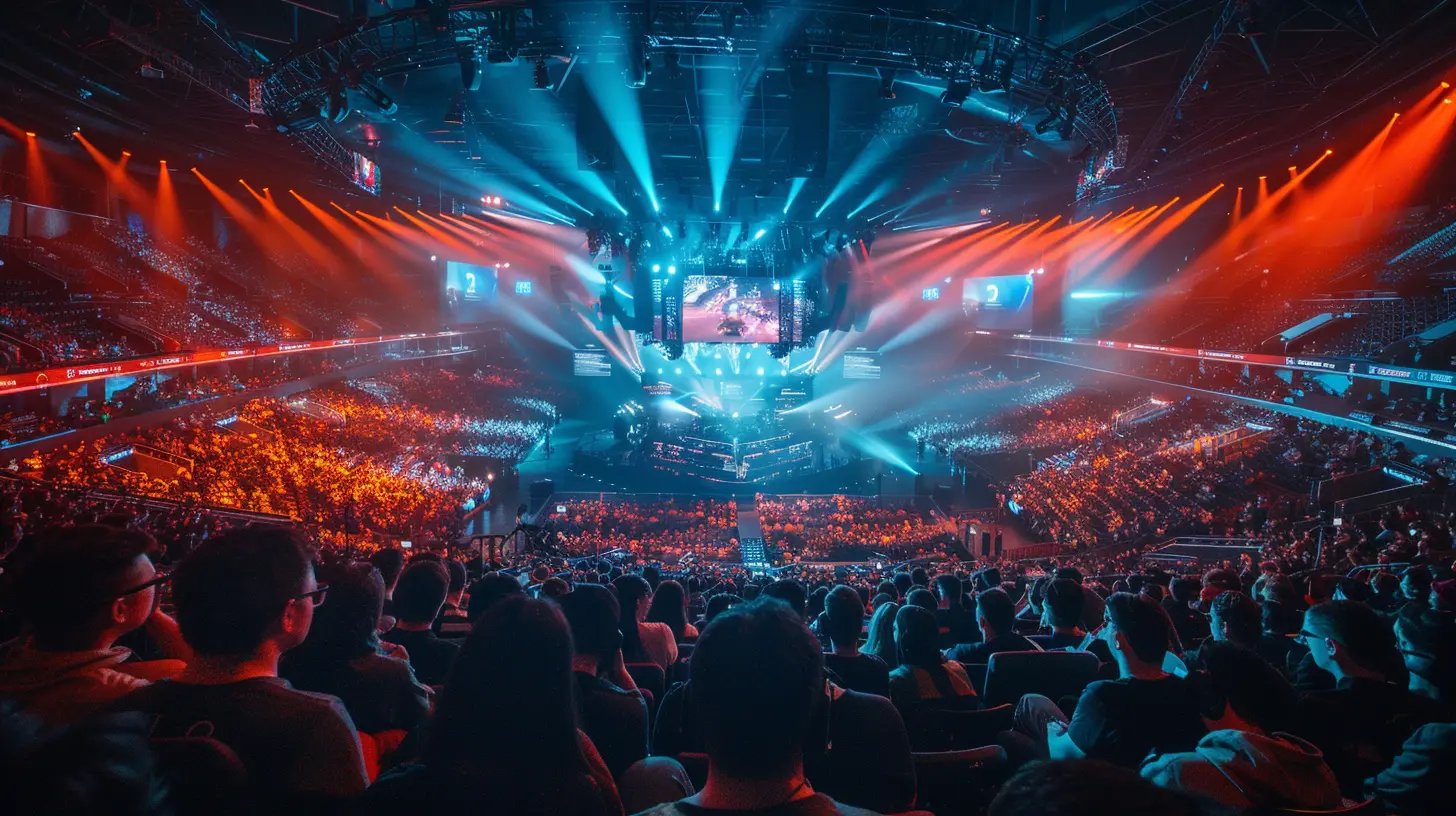
Enter Sports Medicine: The Unexpected Hero
Typically, when you think of sports medicine, you probably picture a super-fit professional rubbing liniment on a football player’s thigh or wrapping a basketball player’s knee in some futuristic tape.But now? They’re logging into Discord servers and analyzing gameplay to figure out why Player123 can’t move his thumb. Yep, sports medicine is adapting, and it's about time.
Why Should Sports Medicine Care?
Let’s get real. esports athletes are especially vulnerable because their environment is 100% optimized for performance, and 0% optimized for long-term health. And that's what sports medicine is built for: optimizing performance while preventing injuries.It’s not just about patching people up. It’s about tailoring training regimens, conducting physical therapy for gamer-specific injuries, and educating players on physical and mental wellness.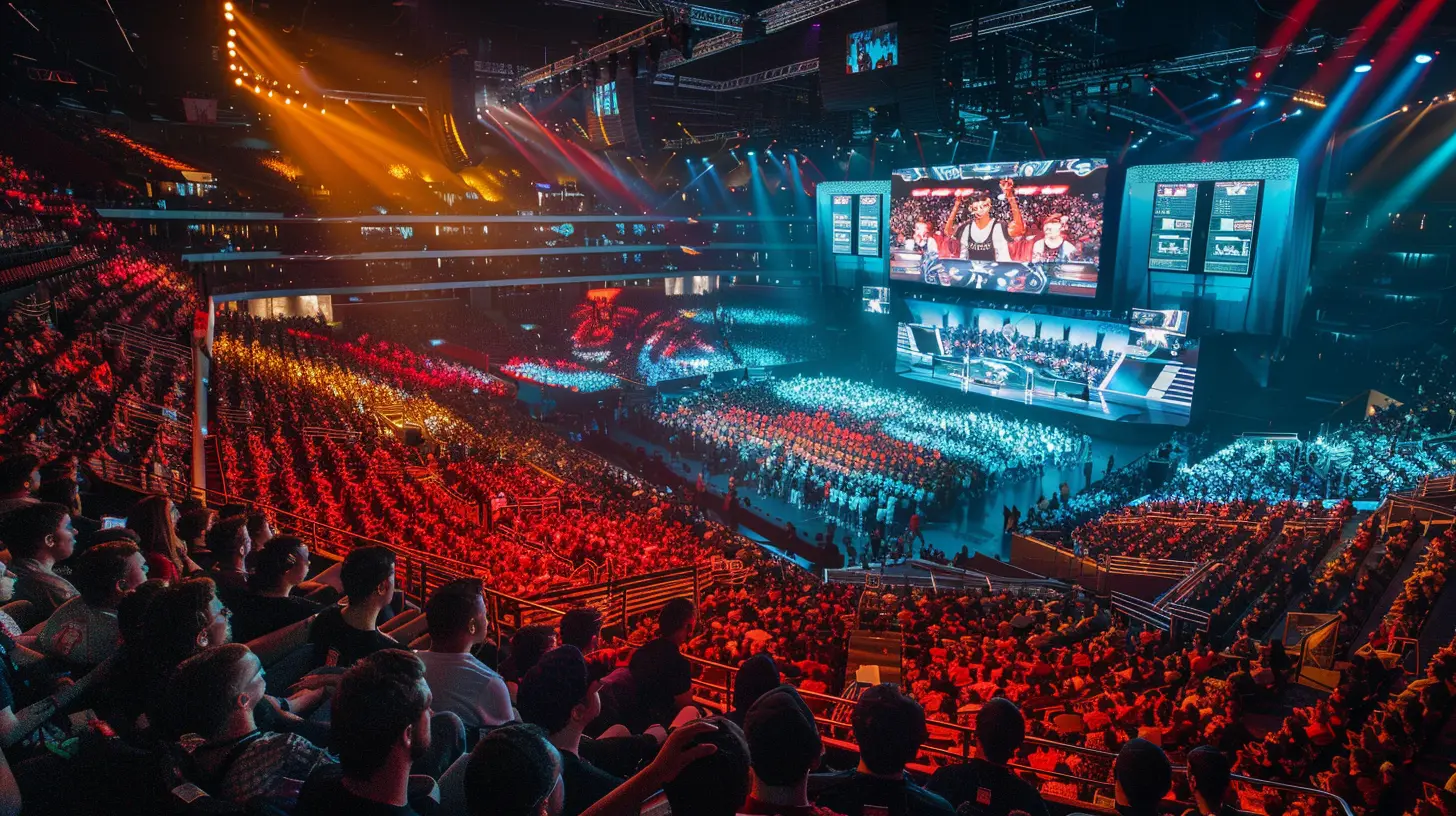
Wake Up Call: Esports Athletes Are Real Athletes
Yeah, yeah, I know what you’re thinking:> “They’re not athletes! They just play games!”
Hold up. Let's define the word athlete, shall we?
An athlete is someone who performs at high levels of physical or mental exertion, constantly trains to improve, competes under pressure, and earns money doing it. Check, check, check, and check.
Elite-level esports players:
- Have reaction times faster than fighter pilots
- Train up to 12 hours per day
- Need top-tier hand-eye coordination, focus, and mental agility
So no, they don't run marathons, but they do face immense strain that demands physician-level attention. It's not about biceps, it's about bandwidth.
How Sports Medicine is Already Changing the Game
Let’s look at how sports medicine has already started infiltrating esports like a stealthy game mod.1. Prevention is the New Cure
Sports medicine in esports isn’t just waiting for players to crash and burn. It’s about prehab—not rehab. Specialists now work to:- Analyze mouse and keyboard mechanics
- Recommend ergonomic setups
- Encourage regular stretching routines
- Push for frequent breaks (yes, Mom was right again)
2. Customized Training Programs
We’re not talking about "lift weights, get swole" programs here. esports-specific training includes:- Hand and finger exercises (think finger Pilates)
- Neck and shoulder mobility drills
- Cognitive reflex training
- Even breathing exercises to reduce anxiety mid-match
Who needs a booty band when you’ve got a resistance band for your wrists?
3. Mental Health Support
Burnout in esports is so common, it could be its own game genre. Sports medicine experts and therapists now help players:- Create balanced schedules
- Practice mindfulness techniques
- Maintain healthy sleep cycles
- And yes, even cope with online harassment
It’s like having an emotional support healer in real life.
The Future? A Match-Made in Headsets
So where are we heading? Oh, just a fully optimized future where esports and sports medicine live happily ever after.Upcoming Trends in Esports Medicine:
- Wearable tech that measures posture and hand movement in real-time- AI-powered coaching tools that provide injury risk assessments
- Esports-focused physical therapy clinics
- Mobile recovery units at tournaments (think: massage chairs with USB ports)
Imagine a world where esports players get the same recovery treatment as NFL stars—without having to actually run into linebackers.
So… Why Should You Care?
Let me be honest. You may not aspire to be the next Faker or Ninja. Maybe your controller lies dusty in a drawer while you dominate Minesweeper at work. But esports medicine trickling into mainstream awareness means something huge for all of us.Because whether you’re grinding out games or just grinding that 9-to-5 desk job, many of the same injuries apply. Yup, your aching wrists and hunched-over posture from endless Excel spreadsheets? esports players feel your pain. Literally.
So as sports medicine starts focusing more on digital athletes, expect better ergonomic gear, smarter health apps, posture-friendly furniture, and yes—a reason to finally stretch your legs.
Final Thoughts: Welcome to the Click-and-Risk Era
In a world where sitting can kill you slowly and your fingers are your most valuable assets, it’s time we stopped laughing at the idea of esports health care and started taking it seriously.Esports is the next frontier for sports medicine—not because it's replacing traditional sports, but because it’s creating a new category of athlete with brand-new problems. And where there are problems, medicine follows.
So whether you’re a hardcore gamer, a casual scroller, or someone who just enjoys watching pixels explode in HD, one thing’s clear:
It's time to start giving our digital warriors the real-world medical support they deserve.
Game on, folks. Sports medicine has officially entered the chat.
all images in this post were generated using AI tools
Category:
EsportsAuthor:

Michael Robinson
Discussion
rate this article
2 comments
Mateo Flores
In the realm where pixels play, Athletes rise in a digital ballet. With every pulse and fervent cheer, Sports medicine’s dawn draws near. Embodied skills, the mind's fierce art— Healing hearts where legends start.
April 7, 2026 at 12:03 PM
Michael Robinson
Thank you! You've beautifully captured the intersection of esports and sports medicine, highlighting the emerging importance of mental and physical health for digital athletes. Excited to explore this frontier further!
Fenn Kirkpatrick
Esports is revolutionizing sports medicine! As digital athletes push their limits, innovative therapies and technologies will redefine health and performance in this dynamic arena!
March 24, 2026 at 4:30 AM
Michael Robinson
Absolutely! Esports is indeed pioneering new approaches in sports medicine, as it challenges traditional concepts of athletic performance and recovery, paving the way for cutting-edge therapies tailored for digital athletes.