Why Smart Hospitals Will Dominate Healthcare by 2027
28 April 2026
Look, I’m going to be brutally honest with you: the healthcare industry has been dragging its feet on technology for decades. We’ve had smartphones in our pockets for over fifteen years, yet hospitals are still handing you a clipboard with a pen attached by a chain—like it’s 1995. But here’s the kicker: by 2027, that dinosaur era is going extinct. Smart hospitals—facilities wired with AI, IoT, robotics, and real-time data analytics—aren’t just a cool upgrade. They’re going to dominate healthcare, and I mean dominate. Think of it as the healthcare equivalent of swapping a horse-drawn carriage for a Tesla Cybertruck. Hold onto your stethoscopes, because this ride is about to get wild.

The Perfect Storm: Why 2027 Is the Sweet Spot
You might be wondering, “Why 2027? Why not 2025 or 2030?” Great question. Let me break it down for you. The convergence of three massive forces is creating a perfect storm. First, the global shortage of healthcare workers—nurses, doctors, and support staff—is reaching crisis levels. The World Health Organization predicts a shortfall of 10 million health workers by 2030. Hospitals are struggling to keep the lights on, let alone provide quality care. Second, patient expectations have shifted. We’re used to instant gratification from Amazon, Netflix, and Uber. Waiting three hours in an ER? That’s a no-go for Gen Z and millennials. Third, technology has finally matured. AI isn’t a buzzword anymore; it’s a tool that can read radiology scans faster than a human, and IoT sensors are cheap enough to slap on every bed and IV pump. By 2027, these forces will collide, and smart hospitals will emerge as the only viable solution. It’s not a matter of if—it’s a matter of how fast.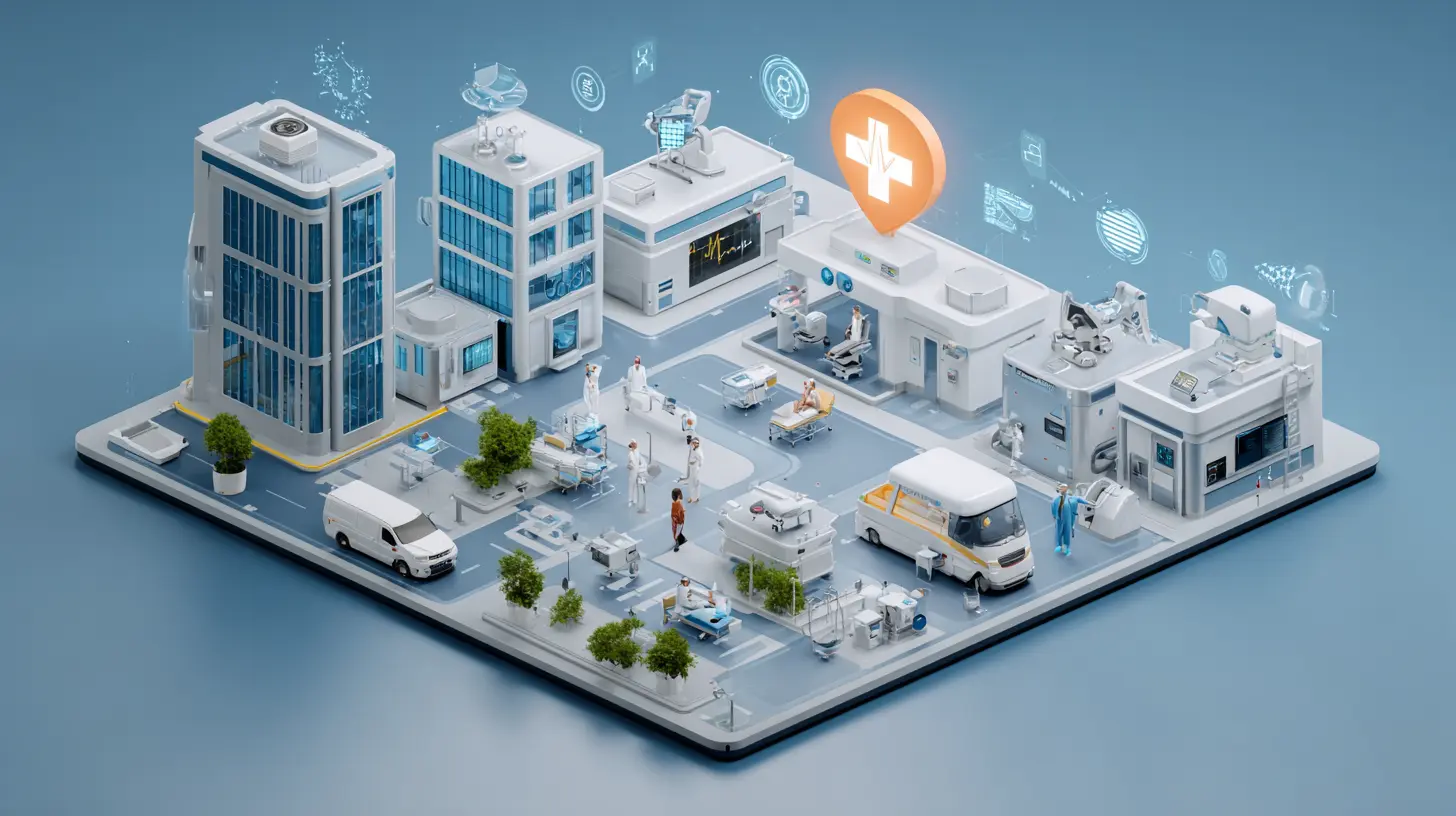
What Exactly Is a “Smart Hospital”? (Spoiler: It’s Not Just iPads)
Let’s clear up a common misconception. A smart hospital isn’t just a regular hospital with a few tablets and a digital sign-in kiosk. That’s like calling a bicycle with a bell a “smart car.” No, a true smart hospital is an interconnected ecosystem. Picture this: every bed has sensors that monitor heart rate, oxygen levels, and movement. The data streams into a central AI that predicts when a patient might develop sepsis hours before symptoms appear. Robots deliver medications and linens through the hallways, freeing up nurses to actually care for people. Electronic health records are updated in real time, and patients can check in via their smartphones, skipping the waiting room entirely. It’s a hospital that thinks, adapts, and breathes data. By 2027, this won’t be a luxury—it’ll be the baseline for any facility that wants to stay open.
The AI Triage: Your ER Visit Just Got a Lot Faster
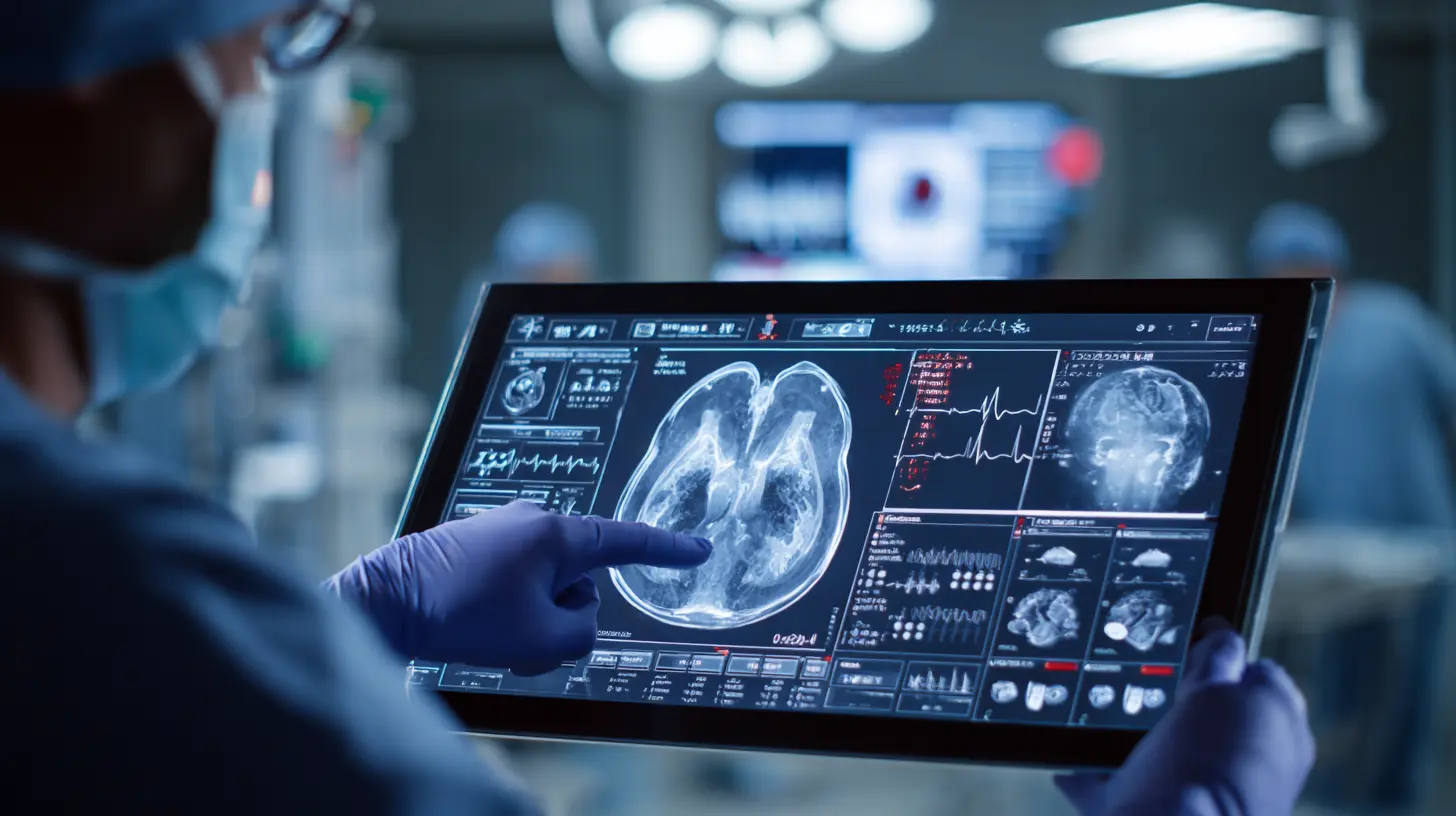
Let’s talk about the emergency room—the chaotic, overcrowded, soul-crushing place we all dread. In a smart hospital, the ER becomes a well-oiled machine. Imagine you walk in with chest pain. Instead of filling out a form, you’re greeted by a kiosk that uses natural language processing to ask you questions. Based on your responses, the AI assigns you a priority score and directs you to the right care path. Meanwhile, your vital signs are captured by a wearable you put on in the lobby. The system cross-references your symptoms with millions of past cases in seconds. By the time a doctor sees you, they already have a differential diagnosis and a suggested treatment plan. No more “we’ll get to you when we can.” By 2027, smart hospitals will reduce ER wait times by 40% or more. That’s not a prediction—that’s a promise.Rhetorical question: How many lives could be saved if a heart attack patient got treatment 20 minutes faster? Exactly.
IoT Sensors: The Silent Guardians That Never Sleep
You know what’s terrifying? The fact that in most hospitals today, a patient’s condition can deteriorate without anyone noticing for hours. Nurses are overworked, monitors beep constantly, and alarms get ignored. Enter the Internet of Things (IoT). By 2027, smart hospitals will be blanketed with tiny, wireless sensors that track everything. A patient’s bed will detect if they’re at risk of falling and automatically alert staff. IV pumps will communicate with the central system to prevent medication errors. Temperature and humidity sensors in operating rooms will ensure optimal conditions for surgery. And here’s the best part: these sensors don’t get tired, don’t take breaks, and don’t complain about overtime. They’re the silent guardians that never sleep.Metaphor alert: Think of IoT sensors as the immune system of the hospital—constantly monitoring, detecting anomalies, and triggering responses before a small problem becomes a full-blown crisis.
Robotics: The New Orderlies, Pharmacists, and Surgeons
Let’s address the elephant in the room: robots stealing jobs. Yes, robots will take over some tasks, but they’re not here to replace humans—they’re here to handle the boring, repetitive, and dangerous stuff. By 2027, you’ll see autonomous robots zipping through hospital corridors, delivering lab samples, medications, and even food trays. These bots don’t call in sick, don’t gossip by the water cooler, and don’t drop things. Meanwhile, robotic surgery systems are becoming more precise and accessible. A surgeon in New York could perform a procedure on a patient in rural Wyoming using a robotic arm and a 5G connection. And let’s not forget pharmacy robots—these machines can dispense and package medications with zero error, eliminating the 7,000 to 9,000 deaths caused by medication errors in U.S. hospitals each year.Bold statement: If your hospital isn’t using robots for logistics by 2027, you’re basically practicing 20th-century medicine.
Predictive Analytics: Seeing the Future (No Crystal Ball Needed)
Here’s where things get really sci-fi. Smart hospitals will use machine learning to predict patient outcomes with startling accuracy. Imagine a system that analyzes a patient’s entire medical history, genetic data, lifestyle factors, and current vital signs to forecast their risk of readmission within 30 days. The AI then recommends preventive interventions—like a follow-up call, a medication adjustment, or a home visit—that reduce that risk by 60%. Or consider sepsis, which kills 270,000 people in the U.S. annually. Predictive algorithms can detect the subtle patterns that precede sepsis up to 12 hours before symptoms appear. By 2027, this kind of foresight will be standard. Smart hospitals won’t just treat illness—they’ll prevent it.Analogous to: A weather forecast that tells you exactly when and where a tornado will touch down, so you can evacuate before it hits. That’s the power of predictive analytics in healthcare.
The Patient Experience: From Frustration to Frictionless
Let’s be real: nobody enjoys going to the hospital. The waiting, the paperwork, the confusing billing—it’s a nightmare. Smart hospitals are designed to flip that script. By 2027, you’ll check in using a mobile app, get real-time updates on your wait time, and receive digital consent forms to sign on your phone. Your room will have a smart screen that lets you control lighting, temperature, and entertainment, and you can order food or request a nurse with a voice command. Discharge will be seamless—your prescriptions are sent to the pharmacy, your follow-up appointment is scheduled automatically, and your bill is itemized and explained in plain English. The entire experience will feel less like a hospital and more like a premium hotel with medical capabilities.Rhetorical question: Why should you have to fill out your medical history seven times at the same hospital? Smart hospitals eliminate that absurdity.
Data Security: The Elephant in the Smart Room
I can’t talk about smart hospitals without addressing the 800-pound gorilla: cybersecurity. With all these sensors, AI systems, and connected devices, the attack surface is massive. A breach could be catastrophic—think ransomware locking down an entire hospital’s systems. But here’s the thing: by 2027, smart hospitals will have to treat cybersecurity as seriously as infection control. We’re talking blockchain-based data sharing, quantum-resistant encryption, and AI-driven threat detection that spots anomalies in real time. Yes, the risks are real, but so are the solutions. The hospitals that survive will be the ones that invest in robust security from day one. The ones that don’t? They’ll be the cautionary tales we read about in the news.The Cost Question: Is It Worth It?
Let’s talk money because that’s what everyone’s thinking. Building a smart hospital isn’t cheap. We’re talking millions of dollars in infrastructure, software, and training. But here’s the counterintuitive truth: smart hospitals save money in the long run. Reduced readmissions, fewer medical errors, shorter stays, and optimized staffing all add up to massive cost savings. A study by Accenture estimated that smart hospital technologies could save the U.S. healthcare system $150 billion annually by 2026. That’s not pocket change. And for patients, lower costs mean lower premiums and out-of-pocket expenses. So, yes, the upfront investment is steep, but the ROI is undeniable. By 2027, hospitals that don’t make this leap will be bleeding money—literally and figuratively.
The Human Touch: Will We Lose It?
This is the most common fear I hear: “What about the human touch? Will doctors and nurses become obsolete?” Let me put your mind at ease. Smart hospitals are not about replacing humans; they’re about augmenting them. When a nurse doesn’t have to spend 30% of their shift hunting for supplies or entering data, they can spend that time actually talking to patients. When a doctor has AI-generated insights at their fingertips, they can focus on complex decision-making and empathy. The technology handles the drudgery; humans handle the care. In fact, smart hospitals will likely improve the human touch by reducing burnout and giving clinicians more time to connect. So no, we won’t lose our humanity—we’ll finally get to use it more.Real-World Examples: It’s Already Happening
Don’t take my word for it—look at the trailblazers. Humber River Hospital in Toronto is often called North America’s first fully digital hospital, with automated lab systems, robot delivery, and a central command center that monitors operations in real time. In Singapore, Ng Teng Fong General Hospital uses AI to predict patient deterioration and streamline workflows. And in the U.S., the Mayo Clinic has deployed predictive analytics to reduce sepsis deaths by 20%. These aren’t experiments—they’re proof of concept. By 2027, what’s innovative today will be standard practice. The smart hospital revolution is already underway; the dominoes are falling.
The Final Verdict: Why 2027 Is the Tipping Point
So, why by 2027? Because that’s when the technology becomes affordable, the workforce shortage becomes critical, and patient demand becomes undeniable. It’s the intersection of necessity and possibility. Smart hospitals aren’t a futuristic fantasy—they’re the only logical next step. The old model of healthcare is like a flip phone: functional, but frustratingly outdated. The smart hospital is the iPhone moment for medicine. It’s faster, smarter, safer, and more human. By 2027, if your hospital isn’t smart, it’s going to be irrelevant. And honestly, that’s a future we should all be excited about.
all images in this post were generated using AI tools
Category:
Tech In HealthcareAuthor:

Michael Robinson
Discussion
rate this article
2 comments
Adrian Torres
Smart hospitals will redefine patient care, leveraging technology to enhance efficiency and outcomes. By 2027, their integration will be non-negotiable, establishing a new standard for healthcare innovation and accessibility.
May 28, 2026 at 2:16 AM
Michael Robinson
Absolutely, the future of healthcare lies in smart hospitals. Their tech-driven approach will not only boost efficiency but also greatly improve patient experiences. Exciting times ahead!
Flora McClary
This article highlights an important shift in healthcare. Smart hospitals have the potential to greatly improve patient care and operational efficiency. Exciting times ahead for healthcare!
May 14, 2026 at 12:49 PM
Michael Robinson
Thanks for your thoughts! I truly believe smart hospitals will transform healthcare for the better. Exciting times indeed!