Exciting NFL Filters Powered by Snapchat Technology Ahead of Super Bowl LIX
February 12, 2025 - 01:48

As Super Bowl LIX approaches, fans are in for a treat with the introduction of innovative NFL filters powered by Snapchat technology. This collaboration aims to enhance the viewing experience for millions of football enthusiasts tuning in for the big game.
The new filters allow users to immerse themselves in the excitement of the Super Bowl by adding dynamic graphics and effects to their photos and videos. Fans can showcase their team spirit with customized overlays, animated stickers, and interactive features that bring the game to life.
In addition to offering a fun way to engage with the event, these filters encourage fans to share their Super Bowl moments on social media, creating a vibrant online community around the game. As anticipation builds for the championship, this technology promises to elevate the fan experience, making Super Bowl LIX not just a game, but a celebration of football culture. Get ready to capture the excitement like never before!
MORE NEWS
August 20, 2026 - 03:19
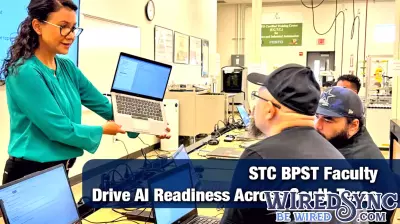
STC’s Business, Public Safety and Technology Faculty Mobilize to Prepare Students for an AI-Driven FutureFaculty across South Texas College`s Division of Business, Public Safety and Technology are joining forces to make sure students do not get left behind as artificial intelligence reshapes the...

August 19, 2026 - 04:25
Integrating Technology in the Classroom Must Be Handled With Caution and PragmatismSchool systems across the country are moving forward with digital learning tools, but the push to modernize classrooms is meeting a wave of caution from educators and administrators. At the 2026...

August 18, 2026 - 09:22
OMSI hosts Portland Festival of Cinema, Animation & Technology this weekA week-long showcase of independent filmmaking and digital innovation kicks off this summer at the Oregon Museum of Science and Industry. The Portland Festival of Cinema, Animation and Technology...
August 17, 2026 - 17:39
CACI Selected to Strengthen and Modernize Technology Architectures for U.S. Space Force GuardiansRESTON, Va., August 17, 2026 - CACI International has secured a new contract with the U.S. Space Force to deliver technology upgrades aimed at defending national interests against emerging...