RIC-PRIMUS: A Revolutionary Robotic 3D Printer Capable of Multi-Story Construction
January 12, 2025 - 14:06
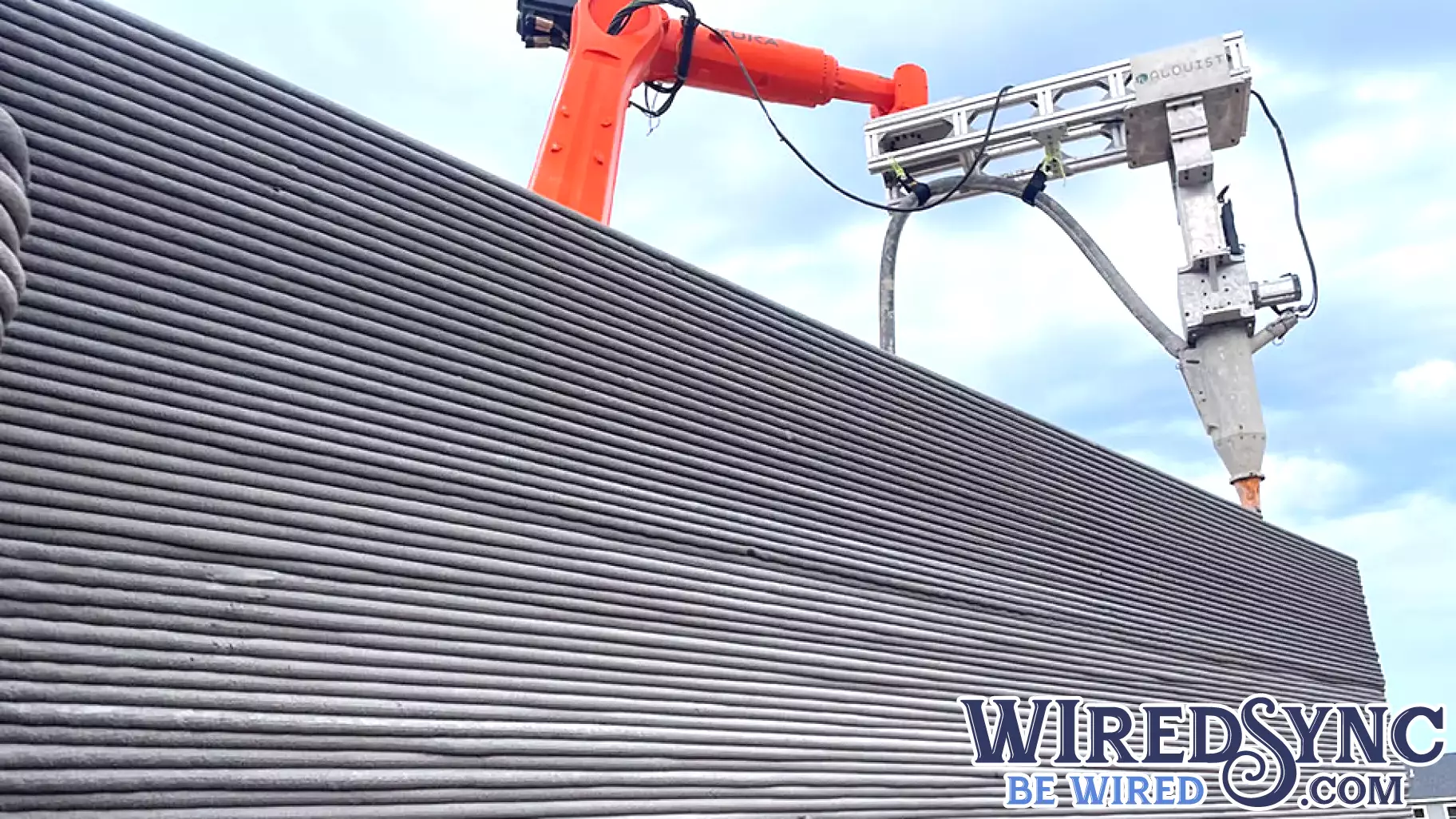
The RIC-PRIMUS has made its debut in the world of construction technology, showcasing its impressive capabilities as a robotic 3D printer. This innovative machine can print structures up to three stories high, revolutionizing the way buildings are constructed. With a remarkable printing speed of 200mm/s, the RIC-PRIMUS significantly reduces the time required for construction projects, making it a game-changer in the industry.
One of the standout features of the RIC-PRIMUS is its eight degrees of motion freedom, which allows for intricate designs and the ability to print around rebars. This flexibility not only enhances the structural integrity of buildings but also opens up new possibilities for architectural creativity. The printer's advanced technology aims to streamline the construction process, minimizing labor costs and material waste.
As the construction industry continues to evolve, the RIC-PRIMUS sets a new standard for efficiency and innovation, paving the way for smarter, faster, and more sustainable building practices.
MORE NEWS
August 20, 2026 - 03:19
STC’s Business, Public Safety and Technology Faculty Mobilize to Prepare Students for an AI-Driven FutureFaculty across South Texas College`s Division of Business, Public Safety and Technology are joining forces to make sure students do not get left behind as artificial intelligence reshapes the...

August 19, 2026 - 04:25
Integrating Technology in the Classroom Must Be Handled With Caution and PragmatismSchool systems across the country are moving forward with digital learning tools, but the push to modernize classrooms is meeting a wave of caution from educators and administrators. At the 2026...

August 18, 2026 - 09:22
OMSI hosts Portland Festival of Cinema, Animation & Technology this weekA week-long showcase of independent filmmaking and digital innovation kicks off this summer at the Oregon Museum of Science and Industry. The Portland Festival of Cinema, Animation and Technology...
August 17, 2026 - 17:39
CACI Selected to Strengthen and Modernize Technology Architectures for U.S. Space Force GuardiansRESTON, Va., August 17, 2026 - CACI International has secured a new contract with the U.S. Space Force to deliver technology upgrades aimed at defending national interests against emerging...