Tiny Magnetic Robots Could Revolutionize Future Cancer Therapies
April 29, 2026 - 02:11
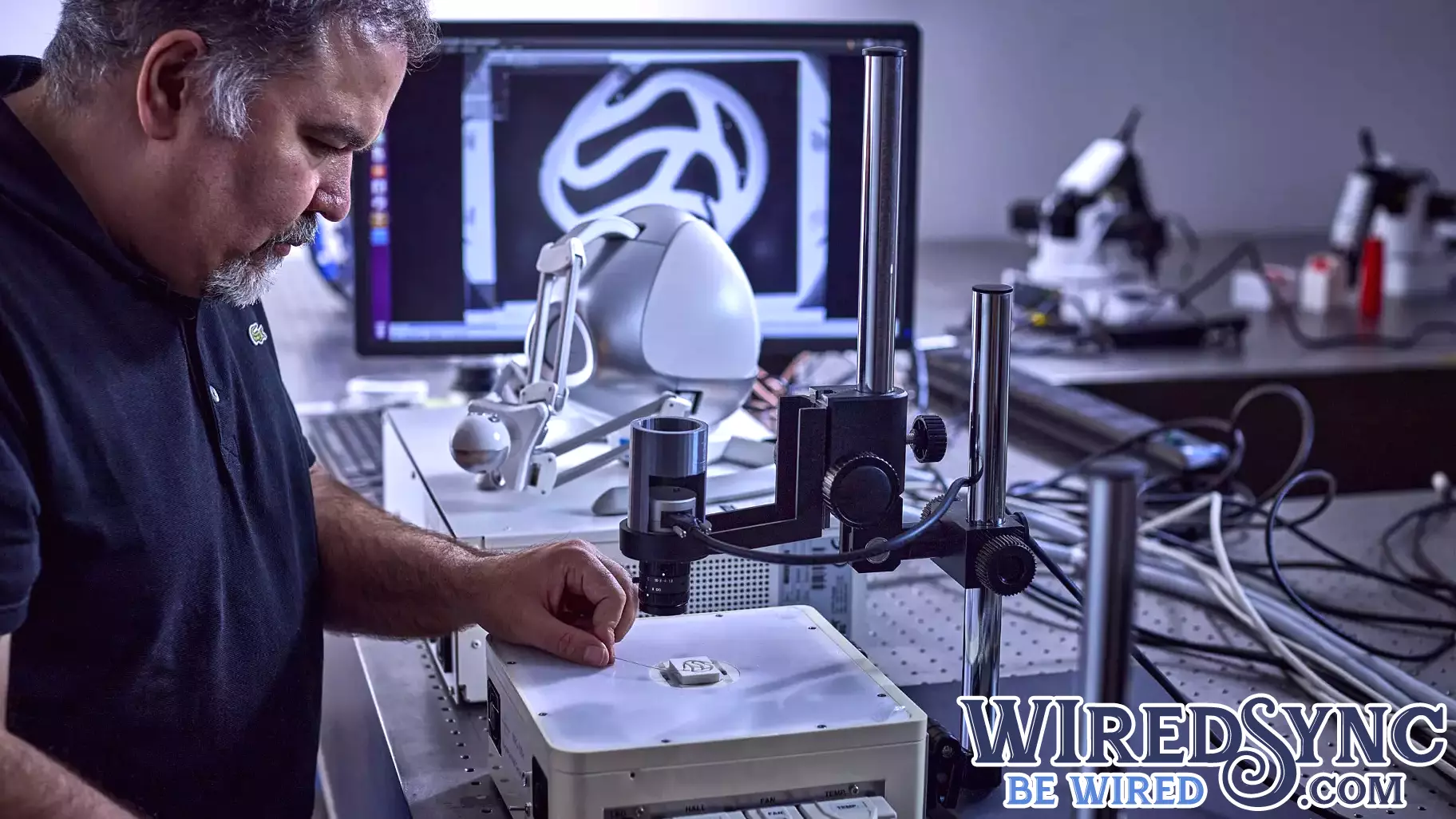
A groundbreaking advancement in microrobotics is poised to reshape the landscape of cancer treatment and other intricate medical procedures. Scientists have unveiled a novel magnetic tool designed to guide microscopic robots with unprecedented precision inside the human body, opening the door to targeted therapies that could minimize the harsh side effects of traditional treatments.
These minuscule robots, often smaller than a grain of rice, are controlled externally using magnetic fields. The newly developed system allows for highly accurate navigation through complex biological environments, such as blood vessels and tissue. This capability is critical for delivering chemotherapy drugs directly to malignant tumors, performing microsurgeries, or unblocking arteries without the need for invasive incisions.
The technology works by manipulating the magnetic properties of the robots, enabling them to swim, roll, or crawl through bodily fluids. Researchers have refined the control algorithms to ensure the robots can reach deep-seated or difficult-to-access areas with consistent reliability. In laboratory tests, the microrobots successfully carried payloads of therapeutic agents and released them at specific target sites, demonstrating a level of precision that could drastically reduce damage to healthy cells.
Experts believe this approach could transform oncology by making treatments more effective and less debilitating for patients. Instead of systemic chemotherapy that affects the entire body, future protocols might involve a simple injection of microrobots followed by magnetic guidance to the tumor site. Beyond cancer, the technology holds promise for treating neurological disorders, delivering gene therapies, and repairing damaged tissues from within.
While the research is still in its early stages, the successful demonstration of controlled navigation marks a significant milestone. The team is now focused on biocompatibility and scaling the system for eventual human trials. If these hurdles are overcome, the era of robotic medicine could begin with a fleet of tiny, magnetically guided surgeons working silently inside the body.
MORE NEWS

July 28, 2026 - 00:50
Introducing the Legacy Five: Turning End-of-Life Technology Risk into National AdvantageA new report argues that aging computer systems, often seen as a liability, can actually become a source of strategic advantage for governments and large organisations. Titled `The Legacy Five,`...

July 27, 2026 - 00:56
AI is deployed in 57% of enterprises, but only 11% have hit their top two goalsA new study from Kyndryl reveals a stark gap in enterprise artificial intelligence adoption. While 57% of organizations have deployed AI across their operations, only 11% have achieved their top...

July 26, 2026 - 03:52
New Home Cinema Bass Technology Promises Enhanced Sound ExperienceThe latest evolution of Cylindrical WaveForming technology aims to tackle the common issue of standing waves in square rooms, a challenge that has long plagued home cinema enthusiasts. This...

July 25, 2026 - 03:08
The Future of Energy: Challenges and Opportunities in a Tech-Driven WorldArtificial intelligence is evolving quickly, leading to a surge in data center construction and raising forecasts for electricity consumption to new heights. This rapid expansion presents...