US and China Forge New 5-Year Science and Technology Agreement
December 13, 2024 - 20:03
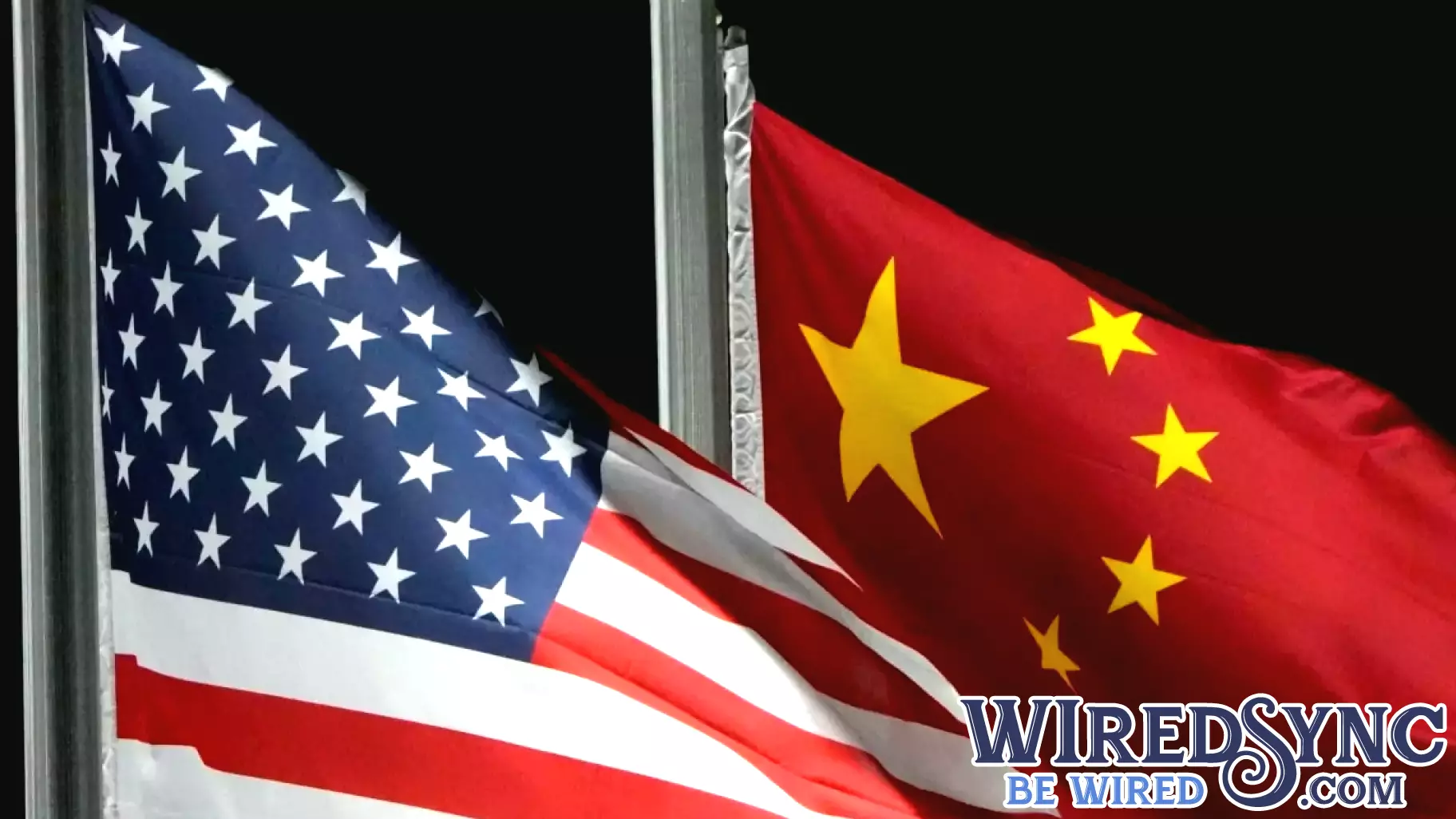
In a significant development, US officials have announced the signing of a revised five-year agreement on science and technology cooperation with China. This updated pact aims to enhance collaboration between the two nations in various scientific domains. However, it is crucial to note that the agreement explicitly excludes critical and emerging technologies, reflecting ongoing concerns about national security and intellectual property.
The decision to omit these sensitive areas indicates a cautious approach by the US, as both countries navigate a complex relationship marked by competition and cooperation. Officials emphasized the importance of fostering joint research initiatives while ensuring that advancements in pivotal technologies remain safeguarded.
The agreement is expected to facilitate exchanges in fields such as environmental science, health research, and renewable energy, promoting mutual benefits. As both nations face pressing global challenges, this collaboration could pave the way for innovative solutions, albeit within the boundaries set by the exclusion of certain technologies.
MORE NEWS
August 20, 2026 - 03:19
STC’s Business, Public Safety and Technology Faculty Mobilize to Prepare Students for an AI-Driven FutureFaculty across South Texas College`s Division of Business, Public Safety and Technology are joining forces to make sure students do not get left behind as artificial intelligence reshapes the...

August 19, 2026 - 04:25
Integrating Technology in the Classroom Must Be Handled With Caution and PragmatismSchool systems across the country are moving forward with digital learning tools, but the push to modernize classrooms is meeting a wave of caution from educators and administrators. At the 2026...

August 18, 2026 - 09:22
OMSI hosts Portland Festival of Cinema, Animation & Technology this weekA week-long showcase of independent filmmaking and digital innovation kicks off this summer at the Oregon Museum of Science and Industry. The Portland Festival of Cinema, Animation and Technology...
August 17, 2026 - 17:39
CACI Selected to Strengthen and Modernize Technology Architectures for U.S. Space Force GuardiansRESTON, Va., August 17, 2026 - CACI International has secured a new contract with the U.S. Space Force to deliver technology upgrades aimed at defending national interests against emerging...