A Guide to Shooting in Different Weather Conditions with Your Digital Camera
16 December 2025
Let’s be honest—perfect weather is a luxury, not a guarantee. But as a photographer, you know that sometimes the best shots happen when Mother Nature is throwing a tantrum. Rainstorms, fog, harsh sunlight—they all carry their own kind of magic. So, instead of waiting for the perfect day to take your camera out, why not master the art of shooting in all conditions?
Welcome to your ultimate guide to handling different weather scenarios with your trusty digital camera. Whether you're toting a DSLR, mirrorless, or even just your advanced compact camera, you’re about to unlock some serious photographic superpowers.
Why Weather Matters in Photography
Before we dive into the details, let’s get one thing straight: weather isn’t just a backdrop—it’s a character in your story.Think about it. Would a moody, fog-covered forest have the same vibe on a bright sunny day? Heck no. Weather can shape the mood, tone, and message of your image. It challenges your skills, creativity, and preparedness.
So, if you’ve been hiding indoors every time the forecast looks less than ideal, it’s time to gear up and get out.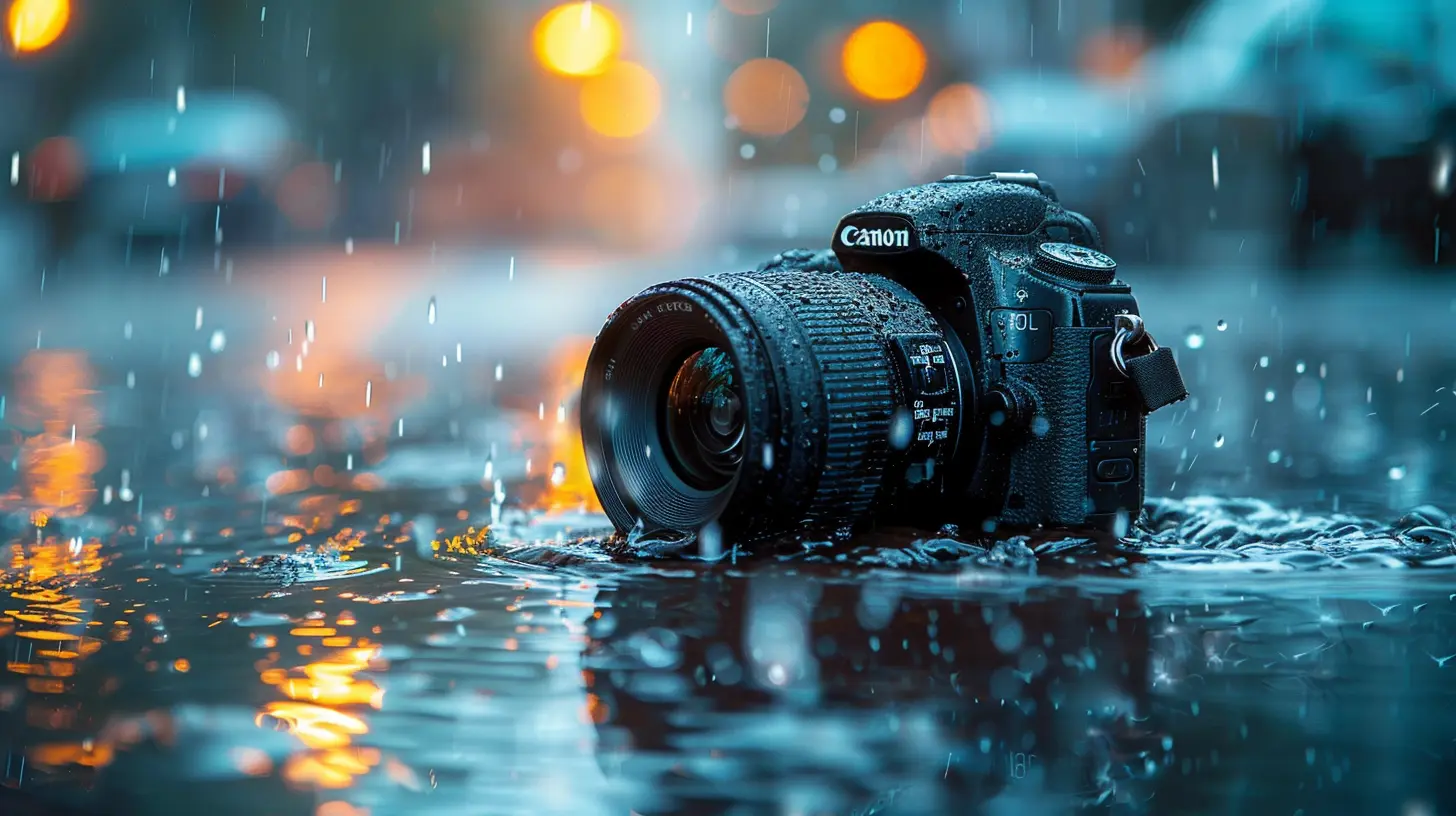
Shooting in Sunny Conditions ☀️
The Truth About Too Much Sun
Bright, sunny days might seem like a photographer’s dream, but they can actually be a bit tricky. Harsh sunlight creates strong shadows, blown-out highlights, and squinting subjects—not exactly the recipe for the perfect photo.Quick Tips:
- Golden Hours Are Gold: Aim to shoot during early morning or late afternoon—the light is softer, warmer, and easier to work with.- Use a Polarizing Filter: It helps reduce glare and enhances skies, making those blues pop like crazy.
- Shade Is Your Friend: If you’re shooting portraits, find some shelter under a tree or building to soften the shadows.
- Adjust Your White Balance: The default setting can sometimes go too warm. Try ‘Daylight’ or tweak it manually for color accuracy.
Pro Tip:
Want to avoid blown-out skies? Underexpose your shot slightly and recover shadows in post-processing. It's like magic, seriously.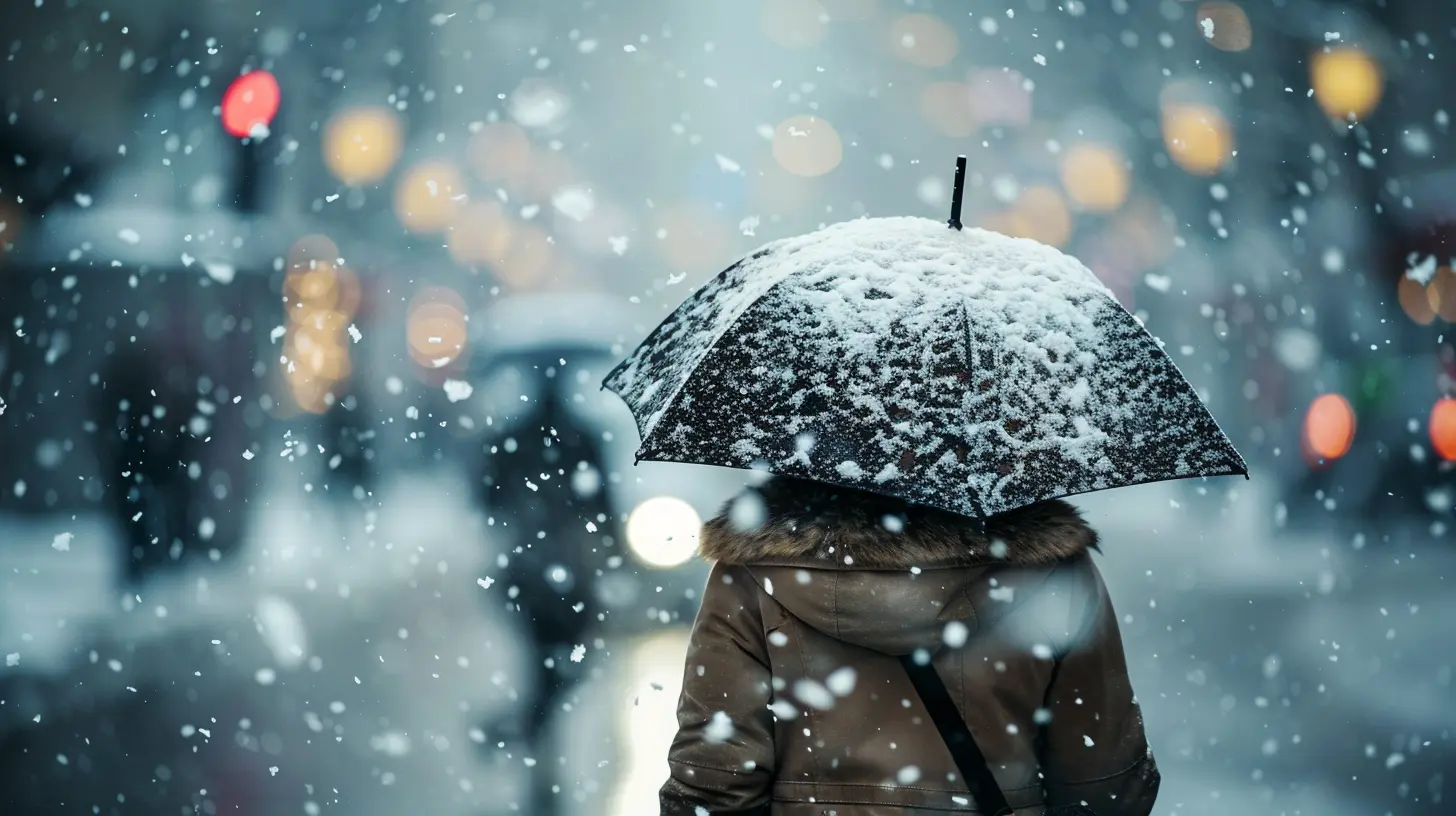
Embracing Overcast Days ☁️
Soft Light, Big Wins
Cloudy skies? Don’t sigh—celebrate! Overcast conditions provide a giant, natural softbox. That diffused light is a dream for portraits and still life.Quick Tips:
- Boost the Contrast: Flat light can make your images feel a little dull. Play with your camera’s contrast settings or bring it up a notch in editing.- Perfect for Black and White: Overcast days are great for monochrome photography. The tones are more even, and the mood is just... chef’s kiss.
- Watch the Background: A dull sky can be uninspiring, so look for interesting foregrounds or play with compositions to keep things lively.
Rainy Day Photography 🌧️
Don’t Run—Shoot!
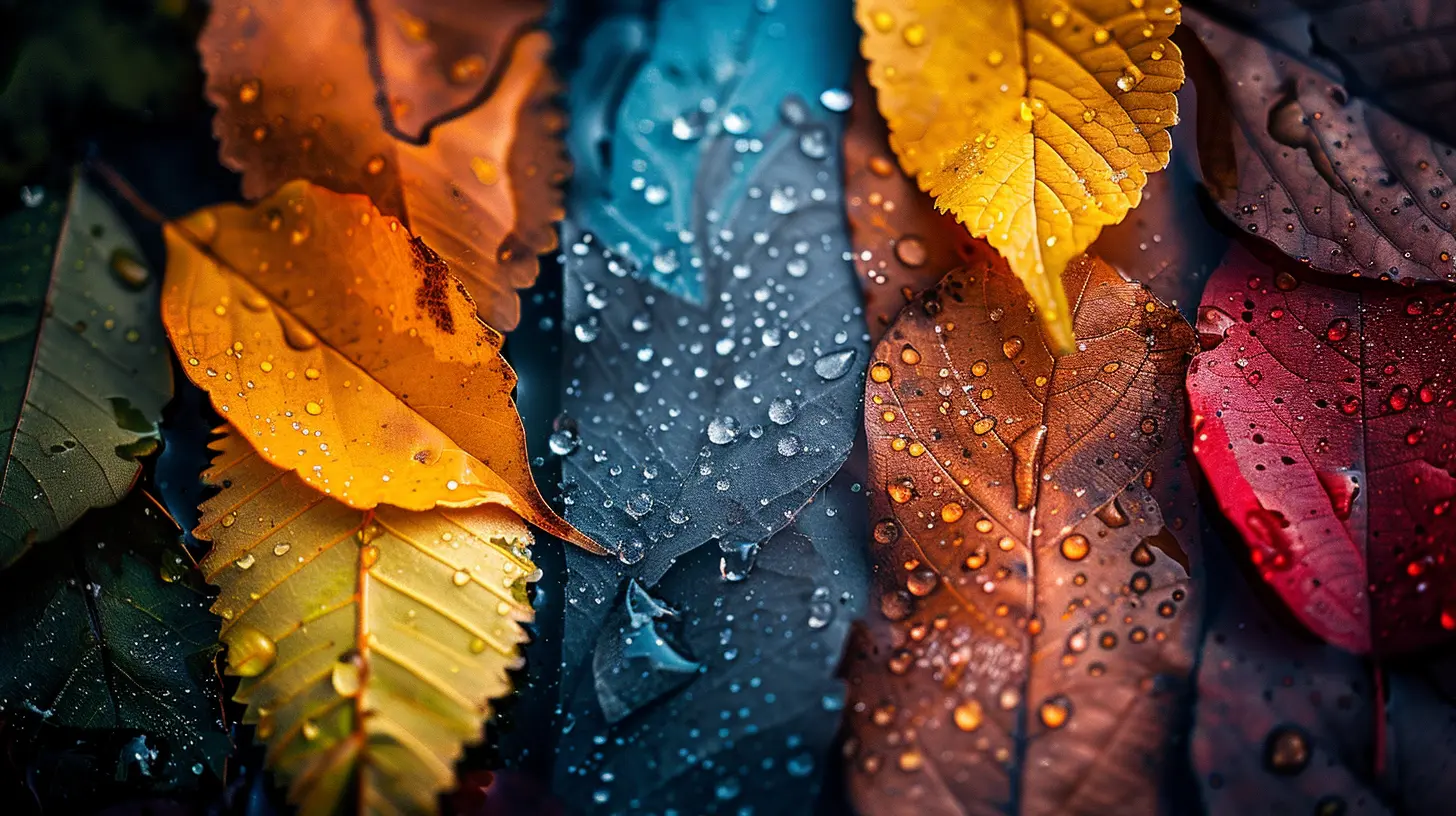
Rain doesn’t have to ruin your shoot. In fact, it offers reflections, mood, and emotion you just can’t fake. Think puddle reflections, raindrops in motion, foggy windows—pure drama!Quick Tips:
- Protect Your Gear: Use a rain cover or even a plastic bag with a rubber band. Just don’t leave your camera soaking.- Raise That ISO: Rainy days are darker, so don’t be afraid to bump your ISO—modern cameras handle it well.
- Experiment with Shutter Speed: Want to freeze raindrops? Go fast. Want dreamy rain streaks? Slow it down.
- Capture Reflections: Wet streets can transform into mirrors. Find a cool angle and let the water work its charm.
Pro Tip:
Keep a microfiber cloth handy. Wipe your lens often, or you’ll end up with romantic-but-unintentional soft-focus shots. (Unless that’s your thing—no judgement.)Navigating Snowy Scenes ❄️
White Wonderlands and Exposure Woes
Snow transforms everything into a magical canvas, but it can also deceive your camera's meter, causing it to underexpose everything.Quick Tips:
- Overexpose Slightly: Your camera thinks all that white is too bright. Compensating by +1 or +2 stops usually helps.- Use a Lens Hood: It helps keep falling snow off your lens and reduces lens flare.
- Watch the Color Temperature: Snow can look blue. Adjust your white balance to ‘Shade’ or ‘Cloudy’ to warm things up.
- Bring Spare Batteries: Cold eats up battery life like crazy. Keep extras warm in your pocket.
Pro Tip:
Snow reflects light evenly, so it's perfect for high-key photography. Think bright, airy shots with minimal shadows.Shooting in Fog or Mist 🌫️
Ghostly Vibes and Dreamy Aesthetics
Fog is mysterious. It transforms even mundane scenes into something ethereal. But it also flattens contrast and reduces visibility, so you’ll need to adapt.Quick Tips:
- Manual Focus Is Best: Your camera might go haywire trying to autofocus through the haze.- Use Trees or Structures: Give your image depth by adding elements that fade into the fog.
- Experiment with Exposure: Slight underexposure can bring out the mood, while overexposure can create dreamy, angelic scenes.
- Simplify the Composition: Fog eliminates distractions, so work with minimalist compositions.
Pro Tip:
Use a longer lens to compress your scene. It enhances the layered effect fog naturally creates.Windy Day Challenges 💨
Motion, Movement, and Mayhem
Strong wind can be annoying, sure—but it also adds dynamic movement to your photos. Flying hair, rustling leaves, or blurred flags can bring your image to life.Quick Tips:
- Use Fast Shutter Speeds: To freeze motion and avoid blur if that’s your goal.- Or Embrace the Blur: Slow it down and capture the chaos—this works great with grass, trees, or clothing in motion.
- Stabilize Your Shot: A tripod with a weighted hook is essential. Hang your camera bag on it for extra support.
- Protect Your Gear: Sand and dust can do dirty things to your lenses. Use a UV filter and clean your gear after.
Pro Tip:
Use wind as a compositional element. Let it lead the viewer’s eyes through the frame naturally.Shooting in Extreme Heat or Cold 🌡️
Get Technical, Stay Safe
Extreme weather tests your gear and your patience. Heat can overheat your camera or warp plastic. Cold can kill batteries and stiffen shutter buttons.Quick Tips for Heat:
- Avoid Direct Sun: Keep your camera shaded when not in use.- Don’t Leave It in the Car: Electronics and heat are not BFFs.
- Watch for Lens Fungus: High humidity? Dry your gear properly after use.
Quick Tips for Cold:
- Let Your Camera Acclimate: Don’t take it from warm to cold too fast—condensation is the enemy.- Use Touchscreen with Gloves: Invest in touchscreen-compatible gloves. You’ll thank yourself later.
- Protect Your Hands: Metal cameras = cold fingers. Use a wrap or grip cover.
Bonus: Gear Checklist for All Conditions 🧰
No matter the weather, a few tools can make or break your shoot:- Rain Cover or Plastic Bags
- Microfiber Cloth
- Lens Hood
- Extra Batteries
- Tripod with Hook
- Polarizing and ND Filters
- Weather-sealed Backpack
- Silica Gel Packs
Having these handy means you’re always ready—whether it’s drizzling or blizzarding.
Final Thoughts: Shoot the Weather, Don’t Fear It
Photography isn't just about capturing what you see—it's about expressing what you feel. And weather, with all its chaos and charm, adds that emotional punch your photos need.So the next time the skies turn gray or the wind starts howling, don’t pack up your camera. Grab it, gear up, and see what kind of story only that specific weather can tell. After all, your best shots might just be hiding behind the worst weather.
Trust your instincts, experiment a little (or a lot), and keep shooting. Because every storm, splash, or sunbeam is another opportunity to create something unforgettable.
all images in this post were generated using AI tools
Category:
Digital CamerasAuthor:

Michael Robinson
Discussion
rate this article
2 comments
Anabella Morris
This guide is a must-read for photographers looking to adapt their skills to various weather conditions. From capturing stunning shots in the rain to making the most of bright sunlight, these tips will enhance your photography and help you confidently tackle any outdoor situation. Happy shooting!
January 18, 2026 at 4:41 AM
Michael Robinson
Thank you for your kind words! I'm glad you found the guide helpful for adapting to different weather conditions. Happy shooting!
Hudson Roberts
This article effectively highlights essential techniques for navigating various weather conditions while shooting with a digital camera. Its practical tips on adjusting settings for rain, snow, and fog will empower photographers to embrace outdoor challenges, ultimately enhancing their creative versatility and adaptability.
December 25, 2025 at 12:09 PM
Michael Robinson
Thank you for your insightful comment! I'm glad you found the tips helpful for overcoming weather challenges while shooting. Happy photographing!