Are Renewable-Powered Gadgets the Next Big Thing in 2026?
30 April 2026
Let’s be honest, we’ve all been there. You’re sitting on a park bench, your phone battery is blinking red, and you’re frantically searching for an outlet that doesn’t exist. Or maybe you’ve just finished a long hike, and your smartwatch is dead, leaving you with zero data on your epic journey. It’s frustrating, right? Now, imagine a world where your gadgets sip energy from the sun, your movements, or even the Wi-Fi signals floating through the air. That’s not science fiction anymore. As we hurtle toward 2026, renewable-powered gadgets aren’t just a niche eco-friendly trend—they’re shaping up to be the next massive wave in consumer tech.
I’ve been watching this space closely, and I’ve got to say, the pieces are falling into place faster than I expected. From solar-charging backpacks to kinetic-energy smartwatches, the tech world is finally moving beyond the "plug it in" mentality. But is this really the "next big thing"? Or is it just another fleeting green fad? Grab a coffee (or a solar-brewed tea, if you’re feeling adventurous), and let’s dive deep into why 2026 might just be the year your gadgets start paying their own energy bills.
Why 2026? The Perfect Storm for Renewable Tech
Timing is everything in tech, and 2026 feels like the sweet spot. Think about it: we’ve had solar panels on roofs for decades, and portable power banks have been around forever. But the real magic happens when you miniaturize that technology and embed it directly into the devices we use every day.The Battery Revolution is Real
First, let’s talk about the elephant in the room: batteries. For years, the biggest hurdle for renewable gadgets was storage. You could generate a trickle of solar power, but where would you put it? Traditional lithium-ion batteries are bulky, slow to charge, and degrade over time. But by 2026, we’re seeing breakthroughs in solid-state batteries and supercapacitors. These new powerhouses can charge in seconds, hold a charge for weeks, and survive thousands of cycles without losing capacity. Imagine a smartwatch that gets 10 minutes of sun and runs for a full day. That’s not a dream—it’s a prototype sitting in a lab right now.
The Cost of Solar Cells Has Plummeted
Remember when a single solar panel cost a fortune? Now, you can buy a flexible, paper-thin solar cell for pennies. The efficiency of perovskite solar cells has skyrocketed, and they’re cheap enough to slap onto everything—keyboards, headphones, even your coffee mug. By 2026, the manufacturing scale will be so massive that adding a solar strip to a gadget will cost less than a fancy sticker.
Consumer Demand is Shifting
We’re all more conscious about energy consumption. Not just for the planet, but for our wallets. With electricity prices fluctuating globally, the idea of a "self-powered" device is incredibly appealing. Plus, Gen Z and Millennials are actively seeking out brands that align with their values. If your next phone can charge itself on your desk under a lamp, why would you ever buy a power-hungry alternative?
The Heavy Hitters: Gadgets That Will Dominate in 2026
Let’s get specific. I’m not talking about vague concepts here. I’m talking about products that are already in development, with release dates circling 2026 like hawks.1. Solar-Powered Laptops and Tablets
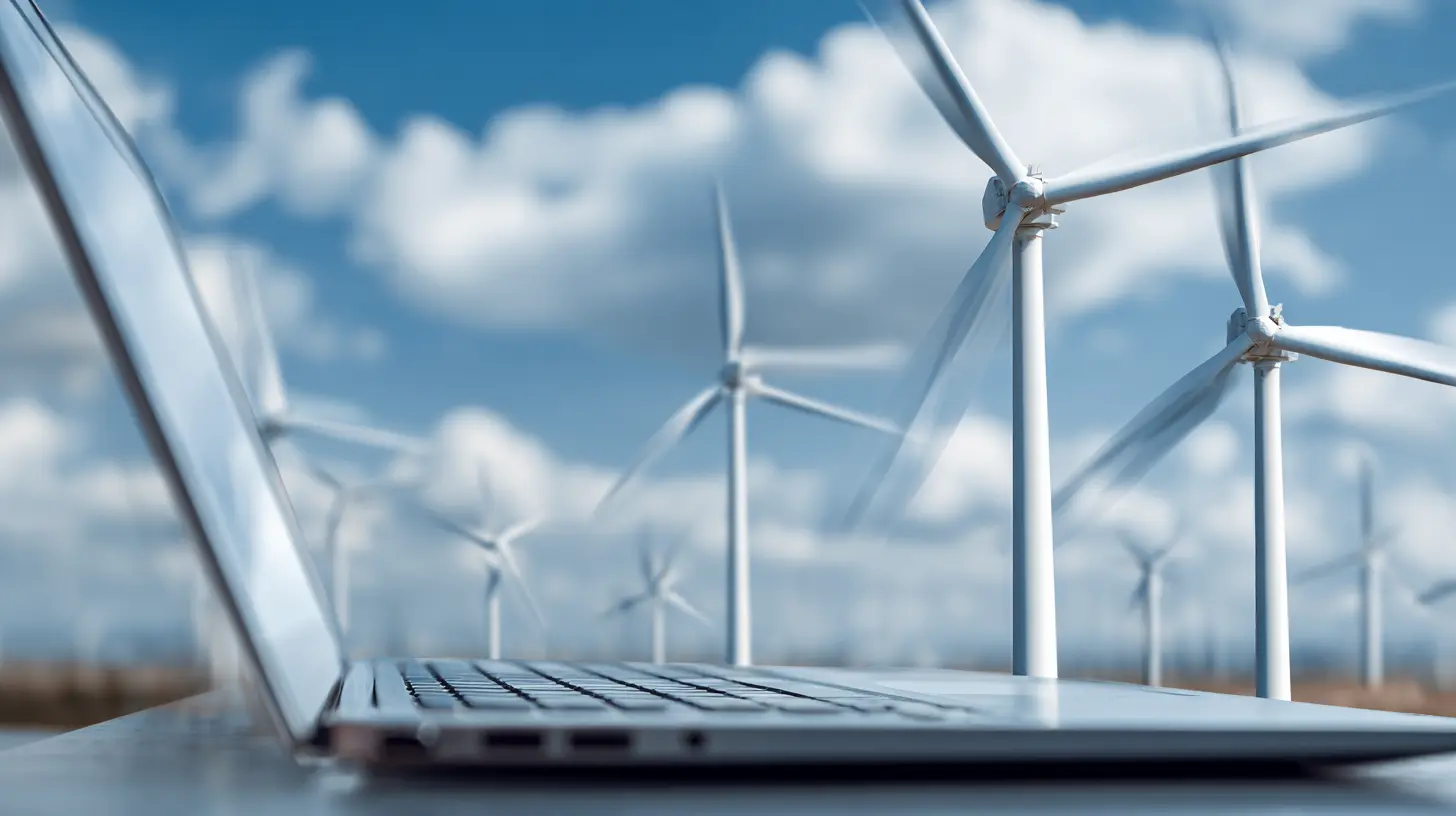
You’ve probably seen those laptop keyboards with a thin solar strip above the keys. They exist, but they’re mostly gimmicks. In 2026, expect entire laptop lids to be covered in durable, transparent solar cells. Think of it like a sunscreen that actually feeds your device. Companies like Lenovo and Dell are already testing prototypes that can add 2-3 hours of extra battery life from just ambient indoor light. For outdoor workers, students in sunny campuses, or digital nomads, this is a game-changer. No more hunting for coffee shop outlets—just park your laptop in the sun for 20 minutes.2. Kinetic-Energy Smartwatches and Fitness Trackers
Your body is a power plant. Every step, every swing of your arm, every heartbeat—it’s all wasted energy right now. But in 2026, your smartwatch could harvest that motion. We’re not talking about the clunky self-winding watches from the 1920s. Modern kinetic generators use piezoelectric materials that convert pressure and movement into electricity. Garmin and Apple are rumored to have filed patents for watches that never need charging—just wear them, and they’ll sip energy from your daily jog. For fitness enthusiasts, this is the holy grail. Imagine a marathon where your watch gets more charge as you run.3. Self-Charging Wireless Earbuds
Let’s face it, earbuds are tiny, and their cases are even tinier. The biggest complaint? The case itself needs charging every few days. In 2026, we’ll see earbud cases with built-in solar panels on the lid, combined with a small kinetic generator inside the hinge. Every time you open and close the case, you generate a few milliwatts. Leave it on a windowsill for an hour, and you’ve got a full charge. Sony and Samsung are already experimenting with this, and early reviews suggest it’s not just convenient—it’s addictive.4. Smart Home Sensors That Live Off Ambient Energy
This one is subtle but massive. Your smart home is full of sensors: motion detectors, temperature sensors, doorbell cameras. Most of them run on batteries that die at the worst possible moment. In 2026, expect a wave of "energy harvesting" sensors that use tiny solar cells, thermoelectric generators (powered by the heat difference between your wall and the room), or even radio-frequency (RF) energy from your Wi-Fi router. Imagine a thermostat that never needs a battery change, or a smoke detector that powers itself from the heat of your kitchen. It’s not just convenient—it’s a safety revolution.
The Hidden Superpower: Energy Harvesting from Everywhere
Here’s where it gets really cool. We tend to think of renewable energy as just solar and wind. But in the world of gadgets, the possibilities are almost magical.Thermoelectric Generators (TEGs)
Your body is warm. The air around you is cooler. That temperature difference can be converted into electricity. In 2026, we’ll see wearables like smart rings and glasses that use TEGs to trickle-charge themselves from your skin heat. It’s not enough to run a high-end processor, but for sensors, Bluetooth, and a small display? Absolutely. Imagine a smart ring that tracks your sleep and never needs charging—just wear it.
Radio Frequency (RF) Harvesting
Your home is flooded with electromagnetic waves: Wi-Fi, 4G/5G, Bluetooth, even FM radio. Specialized circuits can capture a tiny fraction of that energy and use it to power low-energy devices. In 2026, expect RF harvesting to be the backbone of "smart dust"—tiny sensors for agriculture, inventory tracking, and environmental monitoring. Your Wi-Fi router becomes an invisible charger.
Piezoelectric Flooring and Fabrics
This one is still in early stages, but by 2026, we’ll see the first consumer products. Imagine a yoga mat that lights up as you move, powered entirely by your pressure. Or a rug that charges your phone when you walk on it. It sounds like something from a sci-fi movie, but the materials are already being woven into prototypes. The key is making them durable and affordable—and 2026 is the year that happens.
The Challenges We Need to Overcome (Let’s Be Real)
I’m optimistic, but I’m not naive. Renewable-powered gadgets face some serious hurdles, and pretending otherwise would be dishonest.Efficiency vs. Size
The laws of physics are stubborn. A solar cell the size of a fingernail can only generate so much power. For high-drain gadgets like gaming laptops or VR headsets, we’re still years away from self-sufficiency. The sweet spot in 2026 will be for devices that sip power—sensors, wearables, earbuds, and low-power tablets. If you’re a hardcore gamer, you’ll still need a wall outlet for a while.
Weather and Indoor Lighting
Solar panels love direct sunlight. But most of us live in cities, indoors, under fluorescent lights. The good news is that indoor solar cells are improving rapidly. By 2026, a typical desk lamp will be enough to keep a smartwatch alive. But if you live in a cloudy region like Seattle or London, you might need a hybrid approach—solar plus a tiny backup battery.
Cost Premium
Early adopters always pay more. In 2026, a solar-powered laptop will likely cost 15-20% more than its conventional counterpart. But as with all tech, prices will drop fast. The key is that the total cost of ownership (no electricity bills, no battery replacements) will actually make it cheaper over two years.
Durability and Aesthetics
Solar cells are fragile, and kinetic generators add moving parts. Manufacturers need to make these gadgets tough enough to survive a drop off a bike or a splash in the sink. Plus, let’s be honest—some early prototypes look like they were designed by a science fair. By 2026, design teams are scrambling to make renewable gadgets sleek, seamless, and indistinguishable from "normal" tech.
Why This Matters More Than You Think
This isn’t just about convenience. It’s about a fundamental shift in how we relate to energy. Right now, we treat electricity as something that comes from a wall. We’re passive consumers. But with renewable-powered gadgets, we become active participants. Every step, every ray of sun, every movement becomes a contribution.The Environmental Impact
The average smartphone uses about 5 kWh per year. That’s tiny. But multiply that by billions of devices, plus laptops, wearables, and smart home gadgets, and the numbers get serious. If even 20% of gadgets in 2026 are partially self-powered, we could save gigawatt-hours of electricity. That’s like taking a coal plant offline.
The Psychological Shift
There’s something empowering about a device that keeps running without you plugging it in. It changes your mindset. You start thinking, "Where can I get free energy?" rather than "Where’s the nearest outlet?" It’s a tiny mental shift, but collectively, it builds a culture of resourcefulness and sustainability.
The Off-Grid Revolution
For people in developing countries or remote areas, renewable gadgets are a lifeline. A solar-powered laptop means a student in a rural village can study at night without a grid. A kinetic-powered radio means a community can stay connected during a disaster. In 2026, these gadgets won’t just be cool—they’ll be essential.
What Should You Do Right Now?
You don’t have to wait until 2026 to get excited. Start small. Buy a solar-powered power bank. Try a kinetic-charging flashlight. Get familiar with the technology. When the big wave hits, you’ll be ready to ride it.Watch for These Brands
Keep an eye on startups like Exeger (Sweden), which makes ultra-efficient indoor solar cells, and Matrix Industries, which focuses on thermoelectric wearables. Big players like Apple, Samsung, and Garmin are also investing heavily. If you see a product labeled "Energy Harvesting" or "Self-Charging," that’s your cue.
Don’t Fall for Greenwashing
Not every "solar" gadget is created equal. Some will have tiny panels that barely generate a trickle. Look for devices that specify the power output in milliwatts (mW) and the expected runtime. Trust independent reviews, not just marketing copy.
Be Patient
The first generation of any tech is always a bit clunky. The solar laptop of 2026 might be heavier than you’d like. The kinetic watch might need vigorous arm swings to charge. But remember the first iPhone? It had no App Store, no copy-paste, and a terrible camera. Look where we are now. The same evolution will happen here.
The Verdict: Yes, It’s the Next Big Thing
So, are renewable-powered gadgets the next big thing in 2026? Absolutely. But not in the way you might think. It won’t be a single killer product that takes the world by storm. Instead, it will be a quiet, steady infiltration. Your next smartwatch won’t need a charger. Your earbuds case will sit on the windowsill. Your home sensors will live forever. And one day, you’ll look around and realize you haven’t plugged anything in for a week.That’s the real revolution. It’s not loud. It’s not flashy. It’s the slow, inevitable march toward a world where our gadgets don’t just run on energy—they are energy. And that, my friend, is something worth getting excited about.
Are you ready to unplug?
all images in this post were generated using AI tools
Category:
Technology ReviewsAuthor:

Michael Robinson
Discussion
rate this article
2 comments
Blair Summers
Exciting possibilities ahead! Renewable gadgets could transform our future.
June 9, 2026 at 3:38 AM
Michael Robinson
Absolutely! The potential for renewable gadgets to shape our lives is thrilling. Let's see what 2026 brings!
Valencia Richardson
A compelling premise, but scalability remains the key hurdle. While solar earphones and kinetic wearables are innovative, their niche appeal depends on efficiency gains. Without a breakthrough in micro-energy harvesting, they risk remaining novelties rather than a mainstream 2026 trend.
April 30, 2026 at 4:04 AM
Michael Robinson
You're right; scalability is crucial. Innovation alone won't cut it without advancements in energy efficiency. It'll be interesting to see how the market evolves.