Autonomous Drones: The Future of Airborne Robotics
6 May 2026
Alright, let’s talk about the future. Not flying cars (yet), but something arguably cooler — autonomous drones. You know those buzzing gadgets in the sky that used to require a remote control and a pretty skilled pilot? Well, scratch that. The game has changed. We’re stepping into a world where drones fly themselves, make independent decisions, and carry out complex tasks like they're part of a sci-fi movie.
But here’s the kicker — it’s not fiction anymore. Autonomous drones are real, they’re intelligent, and they’re reshaping every sky they enter.
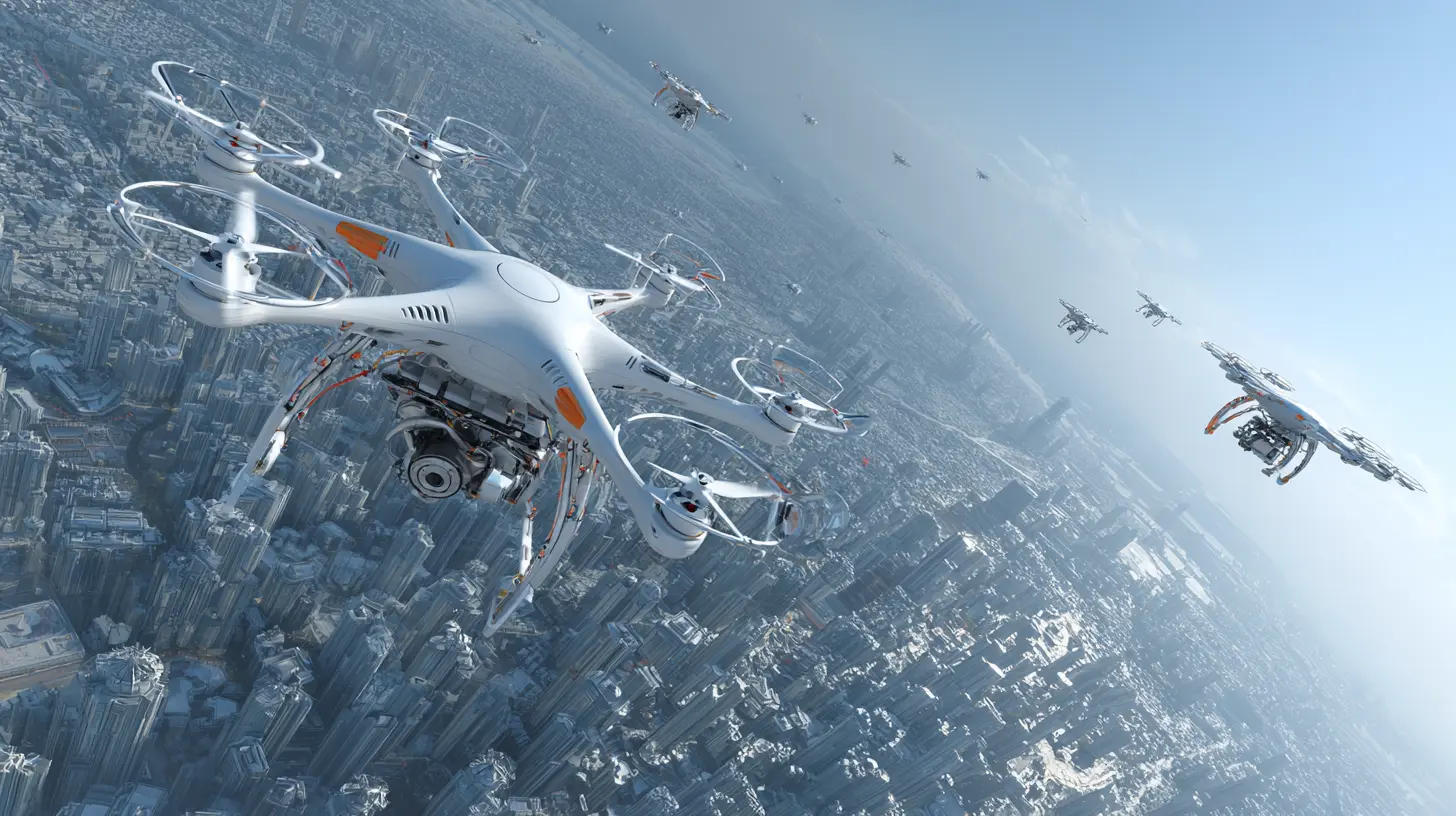
What Exactly Are Autonomous Drones?
Let’s break it down. An autonomous drone is essentially a flying robot that doesn't need human intervention to do its job. Think of it as a futuristic bird with a brain powered by AI and machine learning algorithms instead of feathers and instincts.These drones can:
- Navigate obstacles
- Interpret environments
- React in real-time
- Collect and analyze data
- Make informed decisions mid-air
They’re no longer the flying toys of hobbyists. They're now essential tools in industries ranging from agriculture to defense — and everything in between.
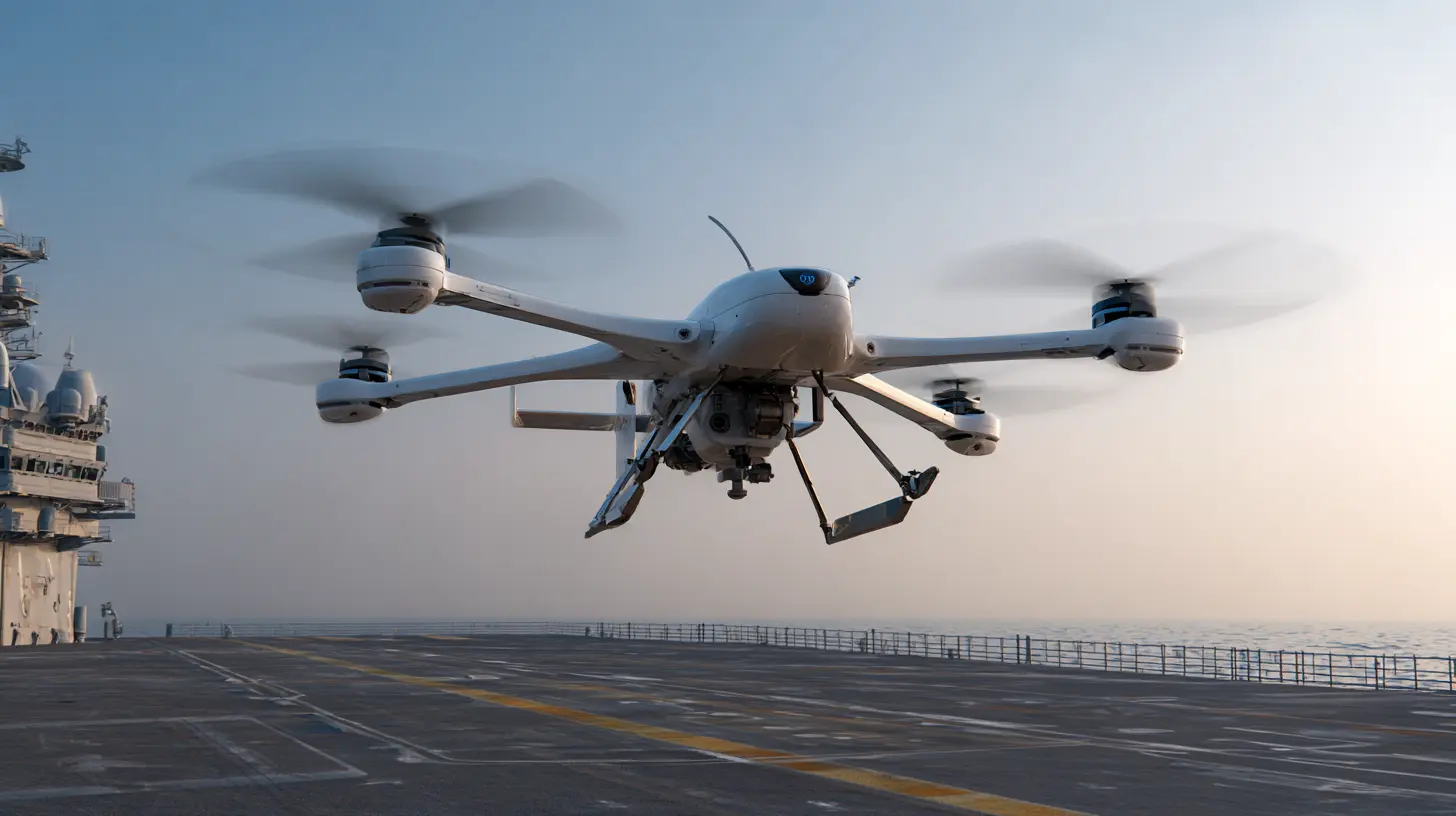
The Brains Behind the Blades: How They Work
Here’s where it gets exciting. These drones are packed with high-tech wizardry.1. AI & Machine Learning
Just like your phone learns your typing habits, autonomous drones learn from their environment. They get smarter with every flight. Feed them data, and they adapt like a pro.2. GPS and Real-Time Kinematic (RTK) Navigation
No more manual GPS punching. These birds use RTK tech to refine their positioning to within centimeters. That's like hitting a bullseye with a dart from 100 feet away — blindfolded.3. Computer Vision
With onboard cameras and image-processing AI, drones actually "see" where they’re going. They recognize objects, measure distances, avoid collisions, and even read barcodes or tags, all while soaring mid-air.4. Sensor Fusion
Gyroscopes, accelerometers, lidar, infrared, ultrasonic — these sensors work together to give drones a 360-degree awareness of their surroundings. Like having Spider-Man's spidey senses, but airborne.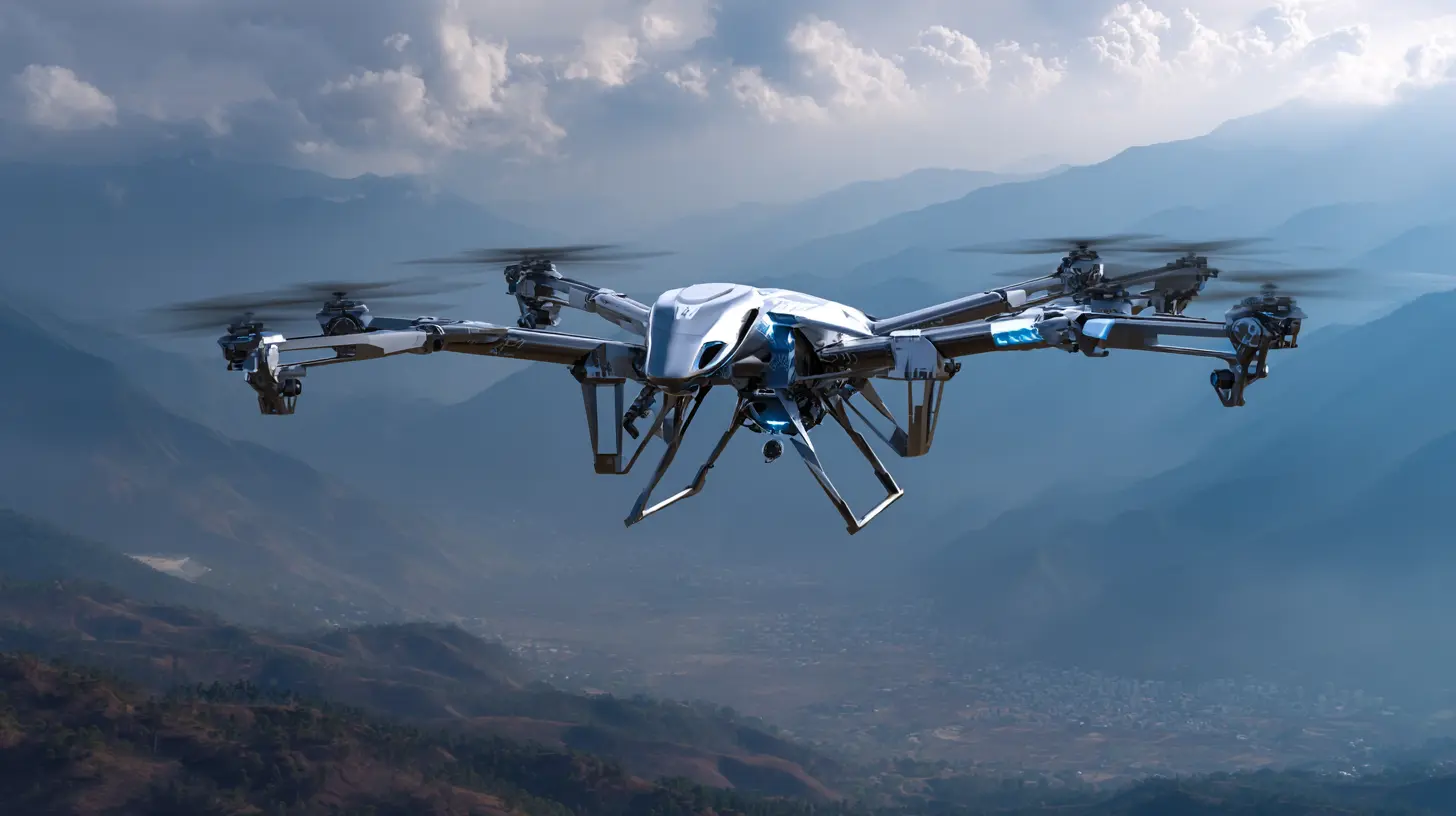
Why Go Autonomous? What’s the Big Deal?
Sure, regular drones are cool. But autonomous drones? They’re a whole different beast. Here’s what sets them apart:⚡️ Efficiency on Steroids
Manual control means human error. Autonomous drones run like clockwork. They take off, work, and land — all without needing a coffee break.? Smarter Decisions
With onboard intelligence, these drones don’t just follow orders. They analyze situations in real time and act accordingly. Flying through a storm? No biggie. Dodging a surprise obstacle? Handled.⏰ Time-Saving Machines
Why babysit a drone during a field scan when it can do it solo with 100% precision? Let it handle repetitive, time-consuming tasks while you focus on the big picture.? Eco-Friendly Innovation
Autonomous drones often optimize routes and flight paths, which saves energy and cuts back on emissions. Less fuel, less waste, less harm.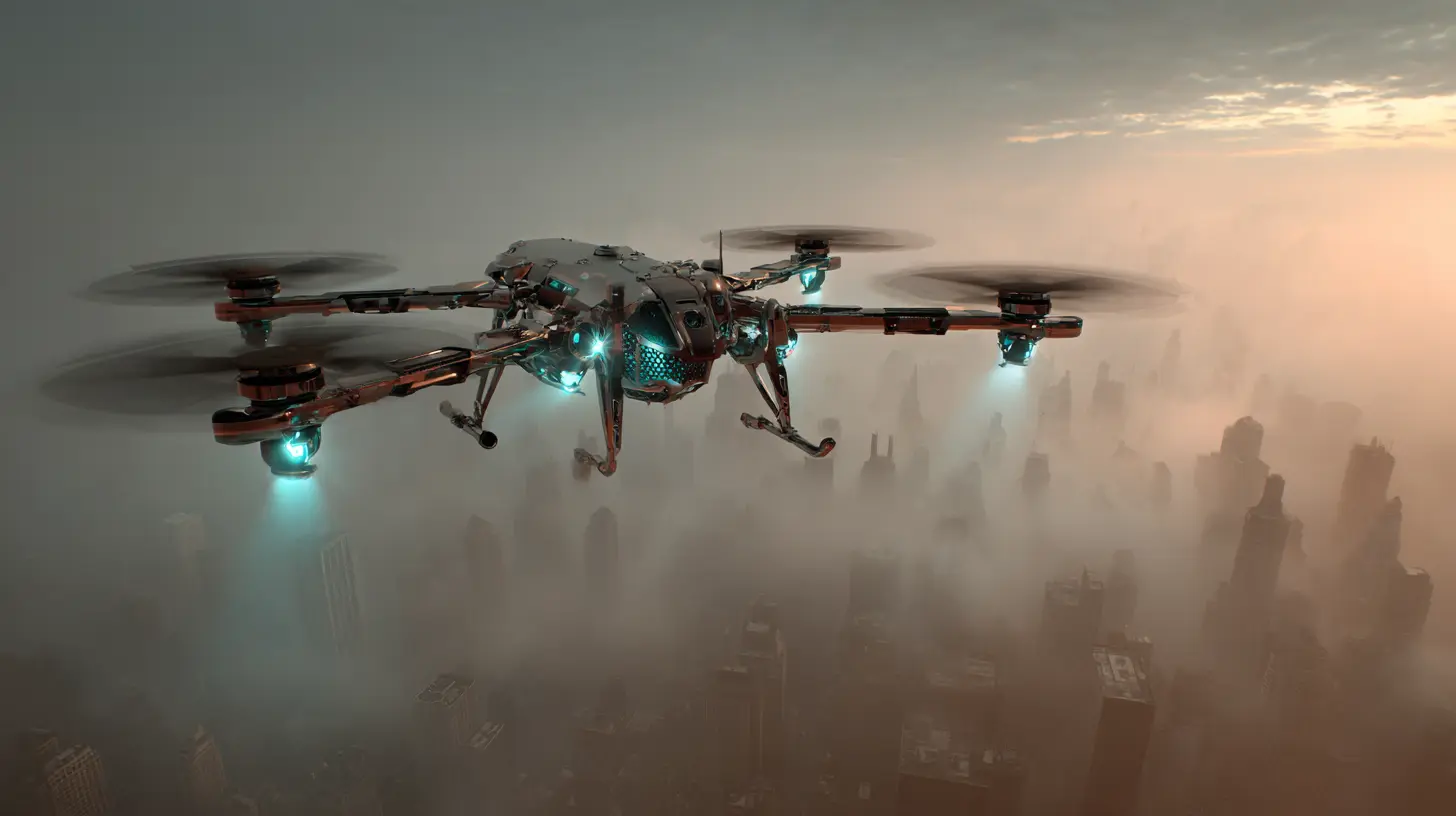
Real-World Applications: Drones Doing Real Work
Now let’s dig into where autonomous drones are strutting their stuff. Spoiler alert: it’s almost everywhere.? Logistics & Delivery
Amazon and UPS are already testing autonomous drones for last-mile deliveries. Imagine ordering a gadget online and having it dropped on your doorstep within 30 minutes — by a flying robot. We’re almost there.? Agriculture
Farmers use drones to monitor crops, spray fertilizers, and even plant seeds. With autonomous drones, farms are becoming smarter and more productive without lifting a finger.? Construction & Infrastructure
Need to inspect a high-rise without risking human lives? Send in a drone. These autonomous aerial workers can scan entire buildings, monitor progress, and ensure safety protocols.? Public Safety & Law Enforcement
Autonomous drones aid in search-and-rescue missions, surveillance, traffic monitoring, and even crowd control, all while staying out of harm’s way.? Environmental Monitoring
Worried about deforestation, wildlife tracking, or pollution levels? Drones can zip across hard-to-reach terrains and send back real-time data that helps scientists and activists take action.?️ Defense & Military
Yep, the big leagues. Drones are used for reconnaissance, delivering supplies to troops, and yes — even combat. These are not your friendly neighborhood quadcopters. They're built for high-stakes missions.The Game-Changers: Top Autonomous Drone Models in 2024
Let’s name-drop a few players dominating the market:- Skydio X2 – A favorite for enterprise and military use. Known for its insane obstacle avoidance.
- DJI Matrice 300 RTK – This powerhouse carries multiple sensors and cameras for a variety of industrial applications.
- Parrot Anafi AI – First 4G-connected drone with an open-source platform for developers to geek out.
- Autel Robotics EVO Max 4T – Pushing boundaries with thermal imaging and advanced AI functions.
These machines aren’t just flying; they’re thinking.
What's Holding Them Back?
Of course, it’s not all clear skies and smooth flights. There are some turbulence zones:? Legal Gray Areas
Autonomous drones are still navigating messy airspace laws. In some places, beyond visual line of sight (BVLOS) operations are a no-go. Regulators are playing catch-up while the tech races ahead.? Battery Life Limits
Even the smartest drones can’t escape physics. Battery constraints limit flight time. You can't deliver packages across cities or scan massive forests with just 30 minutes of juice.? Security Concerns
Hackable skies? That’s a scary thought. An autonomous drone can be hijacked if not properly secured. Imagine your multi-thousand-dollar drone flying off — controlled by a rogue hacker.? High Cost
Let's not sugarcoat it — the tech isn't cheap. Between AI, sensors, and computing power, these flying geniuses come with a hefty price tag. That’s changing though, as prices drop over time.The Road Ahead: What's Next for Autonomous Drones?
Alright, so where are we flying toward?1. Swarming Intelligence
Yes, actual drone swarms. Multiple drones coordinating in real-time, sharing data and flying like a school of fish. The military's already testing it. Soon, industries will too.2. Urban Air Mobility (UAM)
Imagine hopping into a flying taxi operated by autonomous drones. Think Blade Runner, but less dystopian. This is the long-term vision of merging drone tech with city transport infrastructure.3. 5G and Edge Computing
With super-fast 5G and edge computing, drones will process data instantly — no lag, no cloud reliance, just real-time magic.4. Full Autonomy
We’re talking zero human touchpoints. From launch to landing, mission planning to data analysis, drones will handle it all. Set a goal, hit start, and leave the rest to the machine.
Should You Be Excited (or Worried)?
Well, both — kind of.Autonomous drones are pushing boundaries, breaking rules, and carving new skies. They’re enhancing safety, saving time, and unlocking new levels of efficiency. But like any powerful tech, they come with ethical dilemmas, security risks, and the constant question: how much control is too much?
Still, the future’s unmistakably airborne. Autonomous drones aren’t a cool experiment. They’re a full-on revolution flying straight into our daily lives.
And you? You’re living in a world where robots don’t just roll — they fly.
FAQs About Autonomous Drones
Are autonomous drones legal?
Depends on where you are. Most countries allow drones but place restrictions on autonomous operations, especially BVLOS flights. Always check local airspace laws.Can I buy an autonomous drone for personal use?
Absolutely. Brands like Skydio offer consumer-level autonomous drones. Be prepared to spend a bit more for all the smart features.How long can autonomous drones fly?
Most have flight times between 20–40 minutes, depending on the payload and purpose. Industrial models using hybrid power systems can fly longer.Do autonomous drones need internet access?
Not always. Many operate entirely offline using onboard systems. However, internet connectivity helps with real-time updates, cloud syncing, and fleet management.Final Thoughts: The Sky’s No Longer the Limit
Autonomous drones are here. They’re not just flying cameras — they’re becoming vital co-workers, silent first responders, and the eyes in the sky delivering data, packages, and results at lightning speed.They're smart, they're bold, and they're changing the world — one propeller spin at a time.
So next time you hear that buzz overhead, don’t just look up. Tip your hat. The future’s flying by.
all images in this post were generated using AI tools
Category:
RoboticsAuthor:

Michael Robinson
Discussion
rate this article
2 comments
Eva Phelps
While autonomous drones promise significant advancements, concerns about privacy, security, and regulatory challenges must be addressed to realize their full potential in society.
July 3, 2026 at 10:29 AM
Indie McGuffin
This article on autonomous drones is fascinating! The potential for these flying robots to transform industries is incredible. From delivery services to search and rescue missions, the applications are endless. Can't wait to see how this technology evolves and what new possibilities it will bring in the near future!
May 11, 2026 at 4:01 AM
Michael Robinson
Thanks for your enthusiasm! The future of autonomous drones truly holds amazing possibilities, and I'm excited to explore where this technology will take us.