How Big Data is Powering the Internet of Things
1 December 2025
Imagine a world where your fridge knows when you’re out of milk and orders more before you even realize it. Or where city lights dim gracefully as the streets empty, saving power effortlessly. Welcome to the age of the Internet of Things (IoT), silently orchestrated by its unsung hero—Big Data.*
Introduction: When Things Got Smart
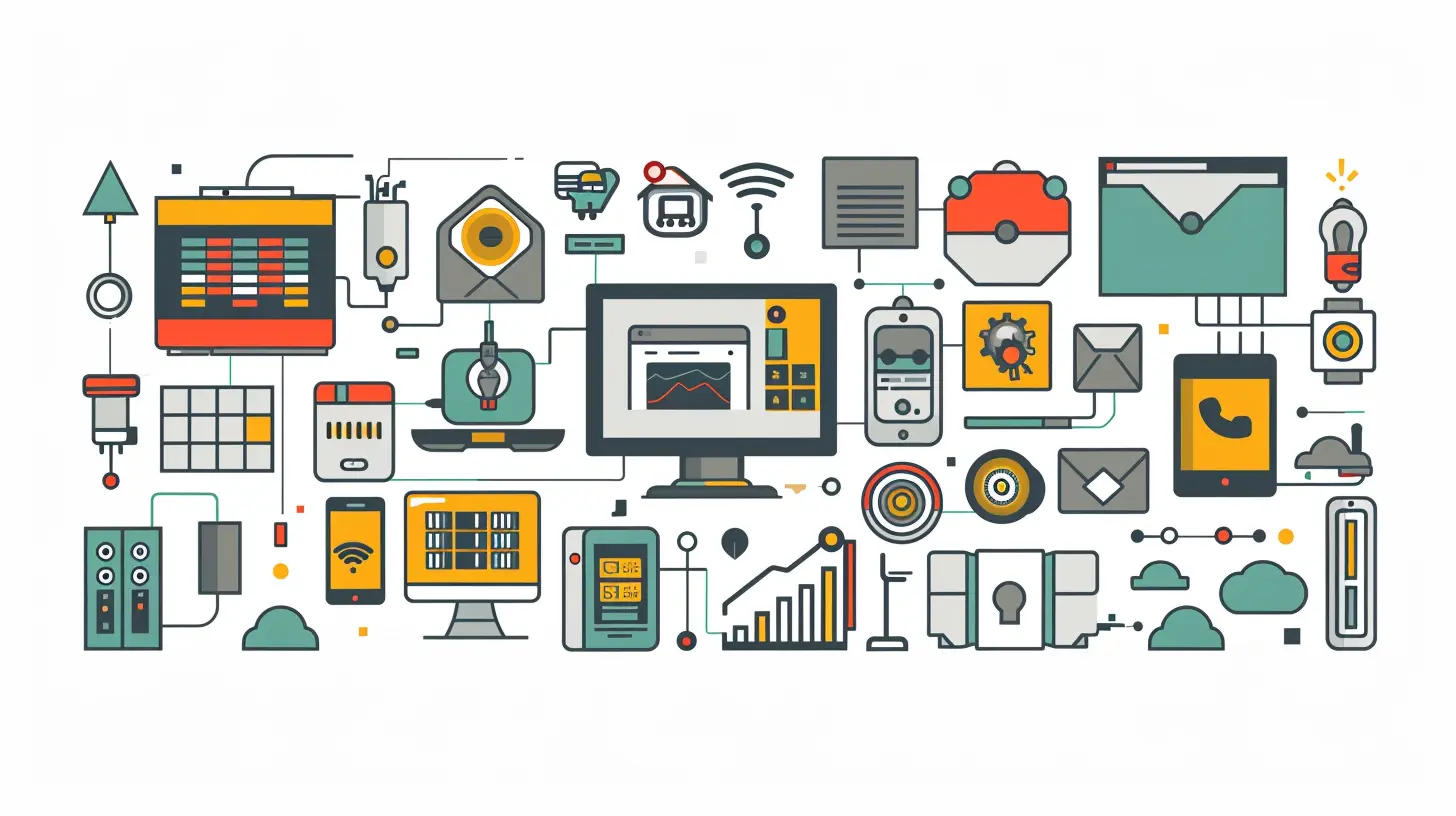
We’ve all heard the buzzwords—IoT, Big Data, smart devices. But have you ever sat back and wondered how these tiny sensors and gadgets actually do what they do? How does your smartwatch track your sleep patterns with uncanny precision? Or how does a smart thermostat know exactly when to warm up your home?It’s not magic. It’s data. Big Data.
IoT without Big Data is like a brain without neurons. Useless. Just a shell. So let’s unravel this fascinating dance between sensors and data, and understand how Big Data is powering the Internet of Things.
What Exactly Is the Internet of Things (IoT)?
Let’s break it down simply.The Internet of Things is a network of physical devices—your smartwatch, your smart TV, even a connected coffee maker—that collect and exchange data through the internet. These devices are embedded with sensors, software, and other tech to make them “smart.”
The goal? Make life more convenient, automated, and intelligent.
But here’s the thing: These devices are chatty. They talk—all day, every day—sending tiny bits of data into the ether. Without a system to collect, analyze, and make sense of this data, all that chatter leads to nothing.
Enter Big Data.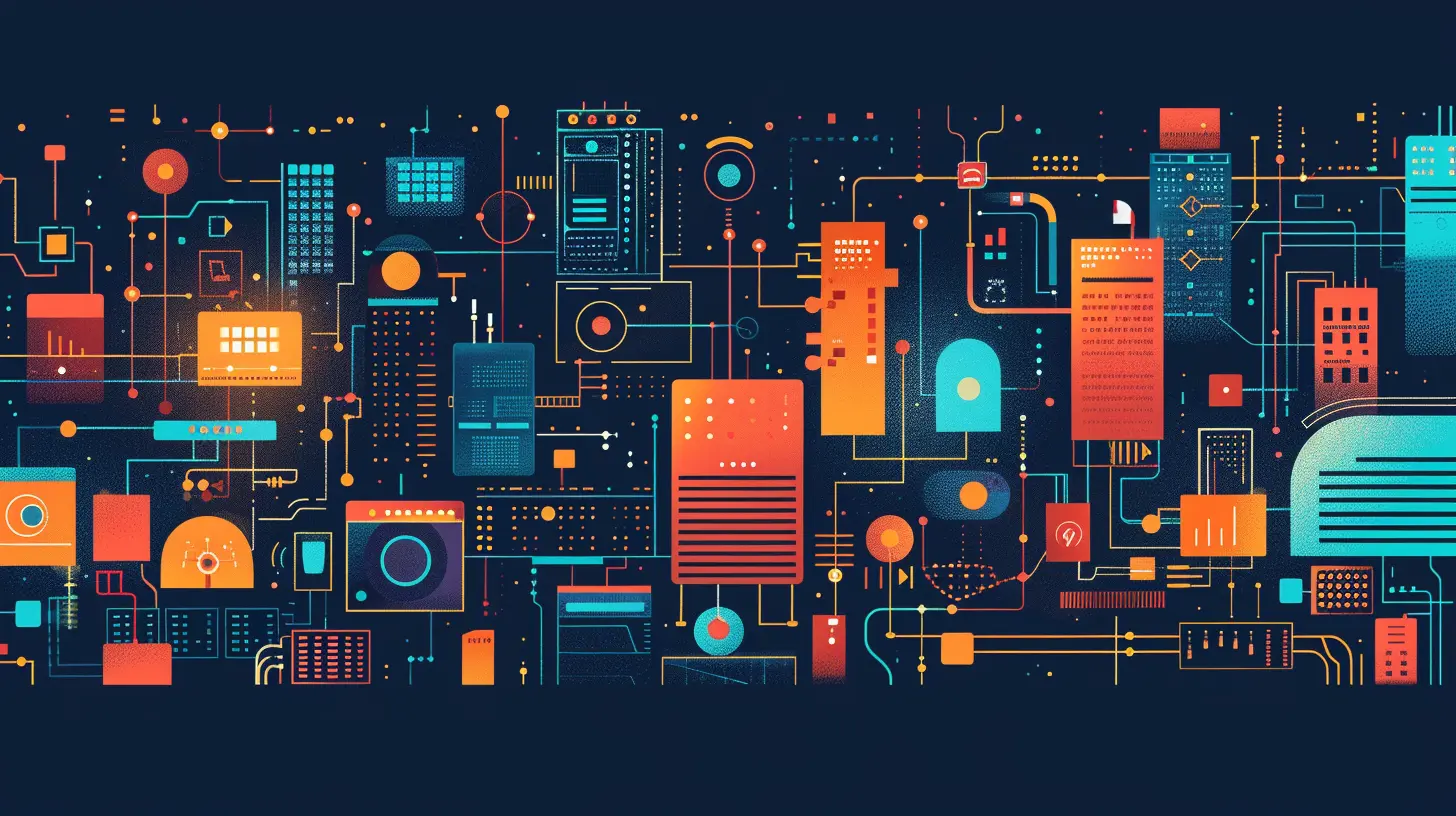
Big Data: The Brain Behind the Operation
So, what is Big Data?It’s not just “a lot of data.” It’s massive, continuous, and complex data—pouring in from millions of sources at once. Imagine a pipe bursting with water, only instead of water, it’s streaming information.
Big Data is defined by the 4 V’s:
- Volume: Enormous amounts of data.
- Velocity: The speed at which it arrives.
- Variety: Different types—text, video, sensor data, etc.
- Veracity: How accurate or trustworthy it is.
And when this data is harnessed correctly? That’s when the magic happens.
How Big Data Empowers IoT Devices
Let’s get into the juicy stuff. Here’s exactly how Big Data takes IoT from mindless gadgets to powerful tools that can learn, adapt, and even predict.1. Real-Time Decision Making
Imagine traffic lights that adapt to road conditions in real time. That's no longer sci-fi—it's happening already.IoT devices gather loads of real-time data. But it’s Big Data analytics that processes this tidal wave of information in seconds, enabling instant decisions.
In other words, Big Data gives IoT devices brains and reflexes.
2. Predictive Analytics—Seeing the Future
Your smart AC learns your temperature preferences over time, adjusting proactively. Or manufacturing machines predict breakdowns before they actually happen.That’s predictive analytics at work.
Big Data algorithms identify patterns and trends from historical data, allowing IoT systems to act before something becomes a problem.
It’s like giving devices a sixth sense.
3. Personalization Galore
Ever noticed how your Fitbit or Apple Watch seems to “know you”? That’s not a coincidence.Big Data allows IoT systems to understand user behavior deeply. Whether it's fitness patterns, driving habits, or sleep cycles, this data enables hyper-personalized experiences.
The result? Devices that feel like they were made just for you.
4. Automation and Efficiency
Smart homes do more than flash lights and play Spotify. They automate your life to save time, energy, and money.Big Data systems coordinate IoT devices for maximum efficiency—think smart irrigation that waters your lawn based on weather predictions, or refrigerators that track inventory and nutritional needs.
It’s automated bliss.
Industries Being Transformed by IoT and Big Data
Literally every sector is feeling the impact. But let’s look at some standouts:Healthcare: From Reactive to Proactive
IoT in healthcare means wearable devices, remote monitoring, and smart hospital equipment. Big Data analyzes real-time patient data to detect anomalies fast—sometimes before symptoms even appear.Imagine reducing heart attack risks because your smartwatch noticed something off with your heartbeat and sent a warning to your doctor.
That’s life-saving stuff.
Agriculture: Farming Gets Smart
Farmers are using IoT sensors in soil to track moisture levels, weather conditions, and crop health. Big Data turns this into actionable insights—when to plant, water, or harvest.It’s farming, but with a Silicon Valley twist.
Smart Cities: Urban Brilliance
IoT sensors monitor air quality, waste levels, traffic flow, and even noise pollution. Big Data then guides policy changes, infrastructure upgrades, and real-time adjustments.The result? Cleaner, greener, smarter cities.
Manufacturing: Welcome to Industry 4.0
Machines now talk to each other. Sensors detect wear and tear. Big Data helps predict failures, optimize production lines, and minimize waste.Manufacturing is no longer just about heavy metal—it’s about heavy data.
The Role of Cloud Computing in This Equation
You might be wondering—where does all this data go?The answer is the cloud.
Cloud computing provides the storage and muscle-power Big Data needs. Platforms like Amazon Web Services (AWS), Google Cloud, and Microsoft Azure enable this massive processing requirement.
It’s like the warehouse and the command center rolled into one.
Big Data and IoT: Challenges on the Road Ahead
It’s not all sunshine and automation. There are hurdles—some big, some staggering.1. Data Privacy and Security
When everything from your heart rate to your fridge contents lives in the cloud, security becomes critical.Hackers don't just want your passwords anymore—they want your data streams. Safeguarding IoT devices and the Big Data they generate is a top priority.
2. Data Overload
More devices = more data. At a certain point, it becomes overwhelming. Processing petabytes of data every day requires serious infrastructure.Without proper Big Data analytics tools, all that information is just noise.
3. Interoperability Issues
Not all IoT devices "speak the same language." So integrating data from various sources can be tricky.Unified standards are needed to make sure all this smart tech plays nicely together.
The Future: Where Big Data Meets AI and IoT
The future is where it gets really mind-blowing.Big Data + IoT + Artificial Intelligence (AI) form a technological trinity. Imagine sensors gathering data, Big Data platforms analyzing it, and AI making autonomous decisions.
Self-driving cars, predictive healthcare, smart energy grids—these aren’t pipe dreams. They're on the horizon.
And Big Data will be at the heart of it all.
Final Thoughts: Why This Matters to You
You might not be crunching data in a lab or building smart thermostats. But Big Data and IoT are changing your life whether you realize it or not.Every time your smart speaker answers a command, or your smartwatch nudges you to stand up, Big Data made that happen.
In this symphony of sensors and software, Big Data is the conductor—ensuring every note hits just right.
So the next time your coffee maker brews your morning cup just the way you like it, maybe give a little nod to the invisible river of data powering it all.
all images in this post were generated using AI tools
Category:
Big DataAuthor:

Michael Robinson
Discussion
rate this article
2 comments
Julia Carr
Exciting to see how big data transforms everyday life through the Internet of Things!
December 12, 2025 at 4:23 AM
Michael Robinson
Absolutely! The synergy between big data and IoT is revolutionizing how we interact with our environment, enhancing efficiency and enriching our daily lives.
Grace Chavez
Fascinating read! It’s amazing how big data fuels our connected world, making everyday tech smarter and more intuitive. Can’t wait for more!
December 3, 2025 at 5:09 AM
Michael Robinson
Thank you! I'm glad you found it fascinating. The potential of big data in driving innovation is indeed exciting! Stay tuned for more insights!