Capturing Motion: Tips for Shooting Sports with a Digital Camera
27 May 2026
So, you’ve decided to dive into the wild, fast-paced world of sports photography, huh? Buckle up. We're not talking about snapping selfies during halftime or playing peek-a-boo with your cat and calling it “action photography.” No, my friend. We're talking about athletes mid-air, sweat flying, muscles flexed—real adrenaline, real motion, and hopefully, real sharp images (because no one wants to see a blurry soccer ball that looks like it's had one too many energy drinks).
If you’re tired of your “action shots” looking like modern art experiments gone rogue, or if you just want to impress your friends with some sports photo wizardry, you’re in the right place. Let's dive into the chaotic, beautiful art of freezing motion with a digital camera—without losing your sanity or your subject’s head to motion blur.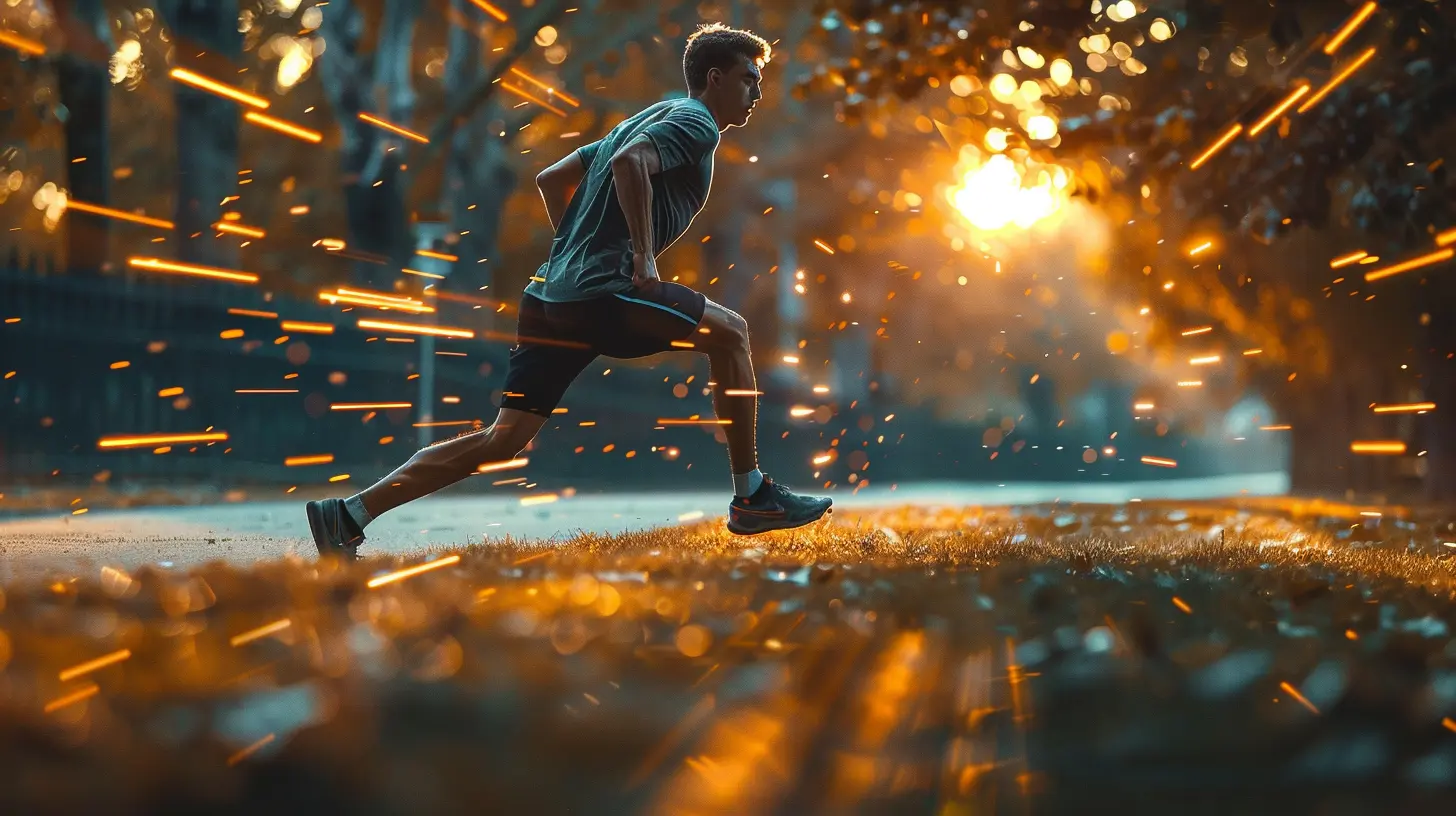
Why Shooting Sports is 90% Chaos, 10% Skill (Okay, Maybe 50/50)
Let’s not sugarcoat it—shooting sports is a battlefield. You’re dodging flying balls, unpredictably moving athletes, and possibly aggressive parents on the sidelines convinced their kid is the next Messi. The action is non-stop, and you’ve got milliseconds to nail that shot.Capturing motion means blending technical ability with the reflexes of a caffeinated squirrel. But trust me, once you get the hang of it, there’s nothing more satisfying than freezing that perfect moment of triumph—mid-leap, mid-dive, or mid-goal celebration.
Gear Up: Choosing Your Battle Armor (a.k.a Your Digital Camera)
DSLRs vs Mirrorless Cameras — The Never-Ending Debate
Let’s squash this once and for all. Both are great, but if you want speed and flexibility, mirrorless cameras are crushing it in the sports world today. Fast autofocus, lighter bodies, silent shooting. What more could you want?But hey, DSLRs aren’t going down without a fight. They still offer fantastic battery life and excellent image quality. If you’ve got one, don’t stress—you’re still in the game.
Lenses Make or Break You
Now, don’t be that person showing up with a kit lens and expecting ESPN-level shots. If you’re serious about sports shooting, get yourself a telephoto lens—something like a 70-200mm f/2.8 or even longer. You need reach. You need light. You need speed.And no, your iPhone zoom is not a suitable substitute. Not unless your idea of “crisp” is a pixelated potato in motion.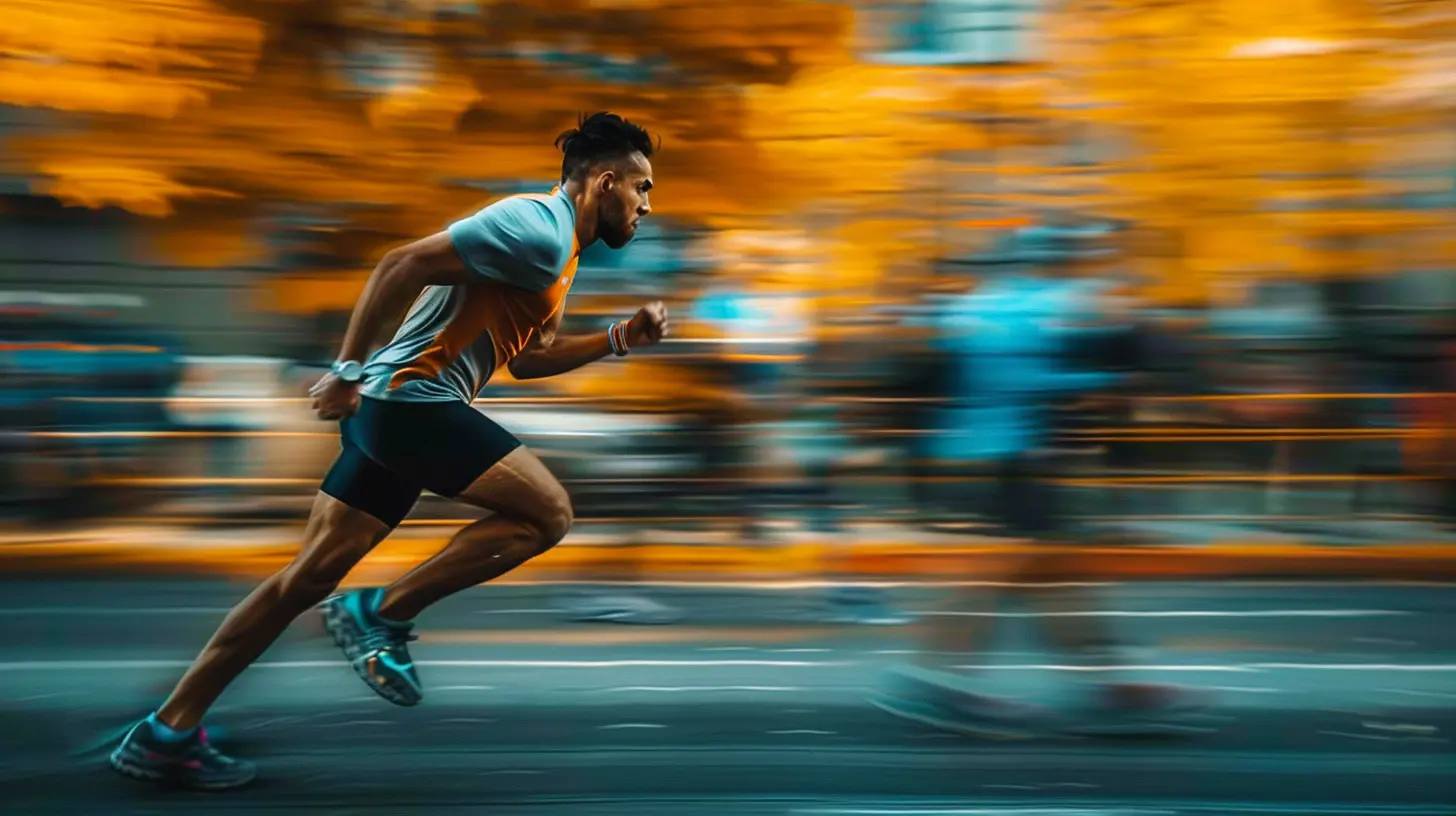
Shutter Speed: Your New Best Friend (Sorry, ISO)
Here's the golden rule: Fast action = fast shutter speed.If your shutter speed is too slow, welcome to Blur City. Population: your photos. Start at 1/1000 sec for fast sports like football or basketball. For slower ones (think golf or bowling), you can get away with 1/500 sec. But when in doubt, go faster. Trust me, you’ll thank yourself later.
Remember, motion blur may be artsy, but we’re not auditioning for a contemporary photo exhibit. We want clarity, baby.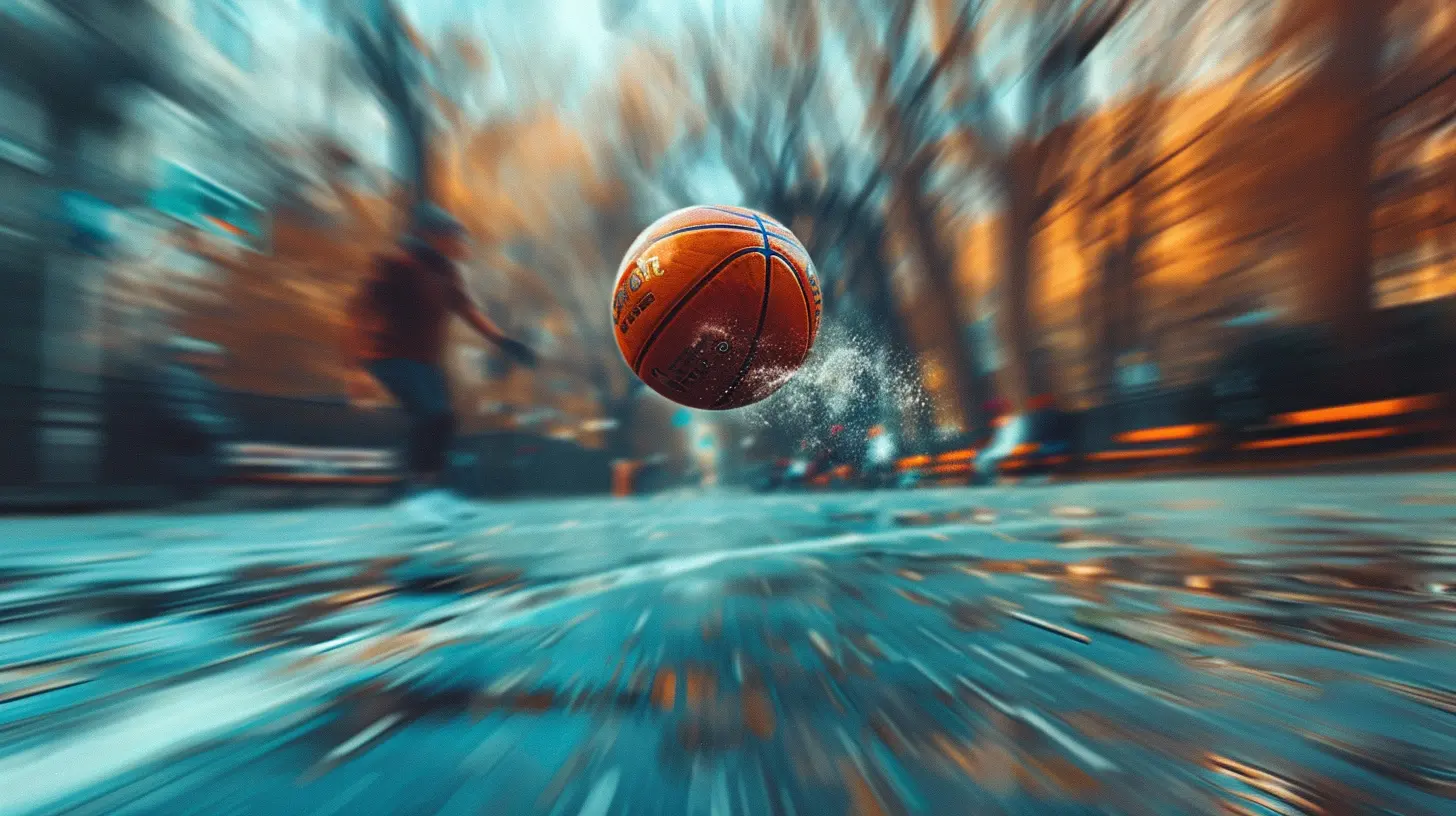
ISO & Aperture: The Dynamic Duo of Light
ISO: Not the Villain You Think It Is
Yes, high ISO adds noise. But you know what else ruins a photo? A completely dark shot. Don’t be afraid to crank that ISO up if you're in low light (hello, gyms and indoor arenas). Modern cameras can handle noise a lot better than your uncle handles family dinners after two wines.Aperture: F/2.8 is Where It’s At
A wide aperture (lower f-number) lets in more light and also gives you that sweet background blur—also known as bokeh, or as I call it, the “I-meant-to-do-that” effect. It isolates your subject and adds drama.Like a good rom-com, you want focus on the main character, not the extras in the background.
Autofocus: Because Manual Focus is for Masochists
Unless you're trying to relive photography from the 1960s, stick to continuous autofocus (AF-C or AI Servo). This mode tracks moving subjects like a loyal bloodhound.And don’t forget to use focus tracking zones. Most modern cameras let you choose a zone or even track faces (or eyes if you're fancy). Use it. Your hit rate will skyrocket.
Trust me, you want your camera to do the chasing, not you.
Burst Mode: Spray and Pray—But With Style
If you're not using burst mode (a.k.a continuous shooting), you're basically trying to hit a moving target with one arrow. Not impossible, but not exactly smart.Set your camera to high-speed burst mode and let it rip. Take 30 shots in a few seconds and pick the one where everyone’s eyes are open and no limbs are mysteriously missing. It’s like finding gold in a pile of, well, not gold.
Pro tip: Get an SD card with the speed of a cheetah on Red Bull. A slow card will turn your camera into a snail with memory issues.
Positioning: It’s Not Stalking If It’s for the Shot
Where you stand matters. Don’t just show up and plop yourself anywhere. Scout the field or court in advance. Know where the action peaks—goal posts, finish lines, dunk zones.Want epic shots? Get low. Shooting from a low angle makes athletes look like Greek gods. It adds drama and elevates the moment—literally and visually.
Oh, and please don’t block Aunt Karen’s view with your lens the size of a rocket launcher. Be cool.
Timing is Everything (And I Mean EVERYTHING)
Photography is all about timing. Sports photography? Multiply that by a thousand and throw in some chaos. Anticipate the play. Don’t just react—predict.Watch the game. Feel the rhythm. Know when your niece is about to make her gymnastics tumble or when Steve (you know Steve) is about to finally make that slam dunk.
If you're always one second late? Congrats, you’ve got an excellent collection of "just-missed-it" moments.
Composition: More Than Just Sticking the Subject in the Middle
Yes, centering your subject is easy. But easy is boring. Use the rule of thirds, keep an eye on the background (no one wants to see a trash can photobombing), and try to include some context that tells a story.A good sports photo doesn’t just show action—it shows emotion, energy, and expression. Capture the drama. Make your viewers feel like they’re in the middle of the action, dodging a rogue basketball.
Editing: Where the Real Magic Happens (No, Seriously)
Even legendary photographers need a little post-game cleanup. Use editing tools like Lightroom or Photoshop to tweak exposure, sharpness, and contrast. Bring out those details. Fix the white balance (unless you’re really into that jaundiced look).And please—no over-editing. Over-saturated grass and skin tones that look like oranges are a dead giveaway that you got a little too click-happy with the sliders.
Common Mistakes That Make You Look Like a Rookie
Let's be honest—we've all been there. But if you catch yourself doing any of these, it's time for a reality check:- Starting with full auto mode (Just... no.)
- Forgetting to charge your battery. (You had one job.)
- Using sluggish shutter speeds in fast sports.
- Neglecting focus mode settings.
- Getting stuck in one spot like you’re glued there.
Avoid these, and you’ll level-up faster than you can say “f/2.8.”
Bonus Tips from the Sidelines (Because I Love You)
- Weatherproof your gear. Rain waits for no one.- Custom buttons are your friends. Set them up for quick access.
- Use a monopod if your lens is mega-sized and your arms are not.
- Talk to athletes and coaches. Knowing the game plan gives you a serious edge.
- Practice during practice. Less pressure, more learning.
And most importantly: Don’t just shoot. Watch. Learn. Anticipate. Because at the end of the day, great sports photography is part skill, part instinct, and part being in the right place at the right time—with your finger firmly on the shutter.
Wrapping It Up: Channel Your Inner Sports Ninja
Shooting sports with a digital camera isn’t for the faint-hearted. You need fast reflexes, the eyes of a hawk, and the patience of a saint. But once you've got your setup dialed in, your settings locked down, and your sixth sense activated, you're golden.So go on. Get out there. Sweat a little. Miss a few shots. Curse at your settings. Try again. And then, one glorious moment—you’ll nail the shot.
And you’ll know it not just because it’s sharp and perfectly timed, but because it feels like the game. And that, my friend, is the real win.
all images in this post were generated using AI tools
Category:
Digital CamerasAuthor:

Michael Robinson
Discussion
rate this article
1 comments
Jane McFarlin
If your camera has a sports mode, you might as well call it the "I hope I don't end up with blurry photos" setting. Time to put the pedal to the metal!
May 29, 2026 at 4:38 AM
Michael Robinson
That's a clever way to put it! Understanding your camera's settings can really make a difference in capturing those fast-paced moments.