Digital Camera Myths Debunked: What You Really Need to Know
18 February 2026
Digital cameras have come a long way, haven’t they? The days of grainy, low-res photos are long gone. But with every innovation, a new set of myths crops up—whispers in camera forums, blog comments, and conversations with self-proclaimed “tech gurus.” If you've ever made a camera purchase based on hearsay or held off because of a rumor, you're not alone.
It's time to separate fact from fiction.
In this deep dive, we’re going to tackle some of the most common digital camera myths head-on. No fluff, no jargon—just straight talk. Whether you're a budding photographer or a seasoned shutterbug, this guide will give you the clarity you need to truly understand your gear.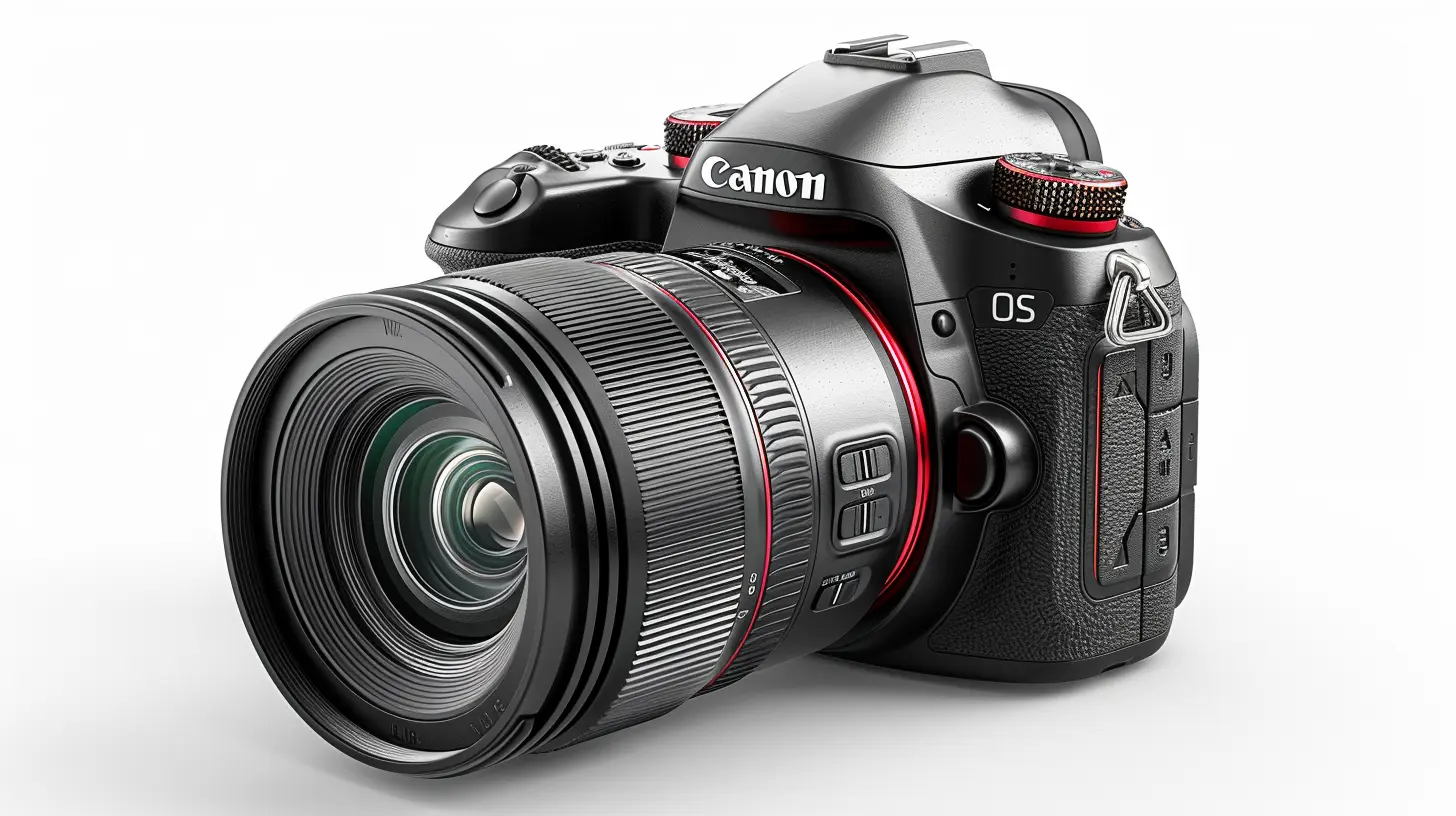
Myth 1: More Megapixels = Better Quality
Let’s tackle the big one right off the bat.Why This Myth Persists
Megapixels are easy to market. It's a big, shiny number on the box that manufacturers love to flaunt. "24 MP! 48 MP! 100 MP!" More must be better, right?The Truth
Megapixels only tell you how big your image can be without losing clarity—not how good it looks.A photo is more than just pixel count. Sensor size, lens quality, image processing, and lighting all play a much more critical role in image quality.
Think of it like pizza. More slices don’t make it taste better if the dough is soggy and the toppings are bland.
A 12 MP camera with a large sensor and great lens can outperform a 48 MP smartphone camera any day.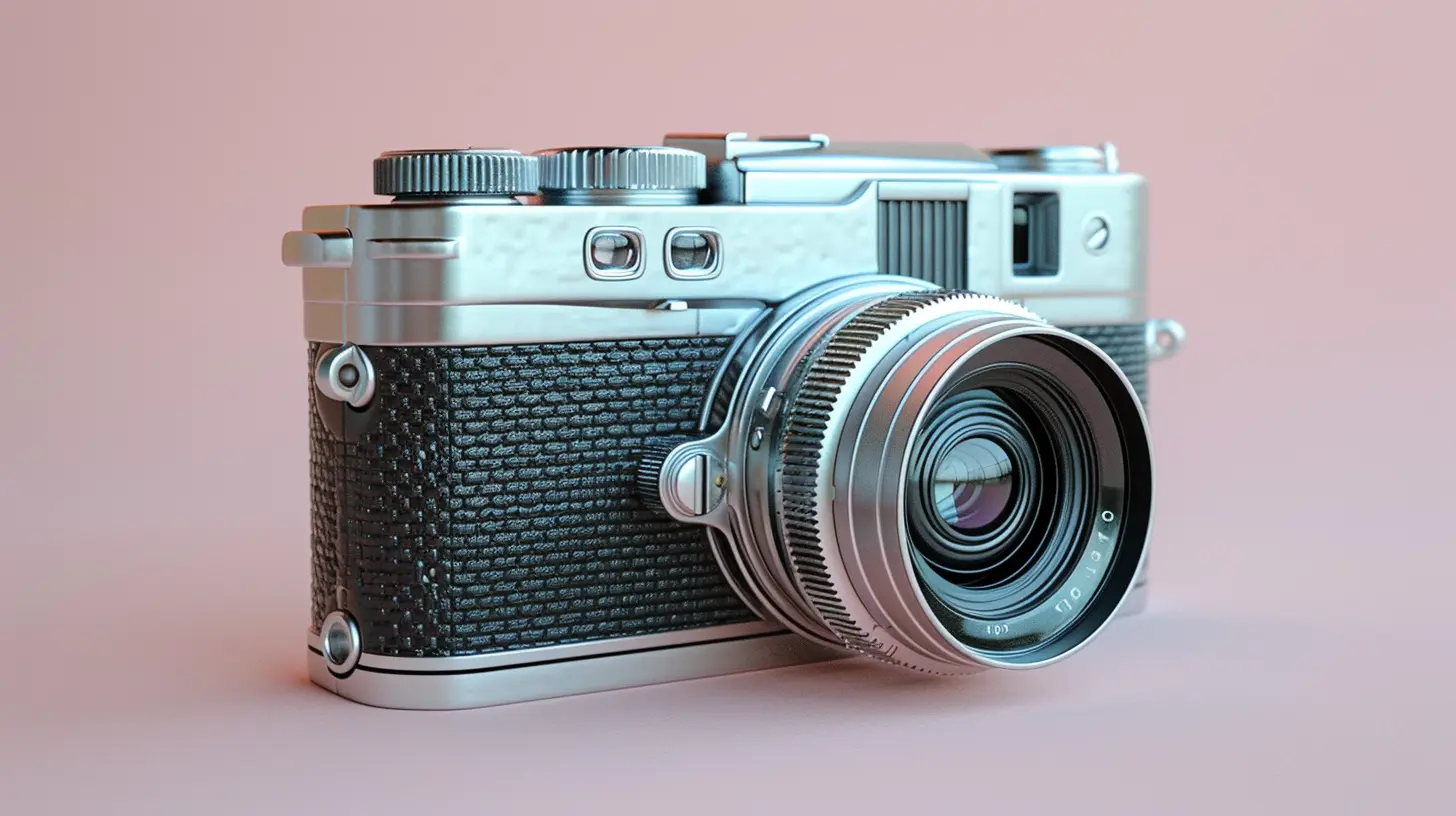
Myth 2: DSLRs Are Always Better Than Mirrorless Cameras
You’ve probably heard this from old-school photographers clutching their DSLRs like holy relics.Why This Myth Persists
DSLRs have a legacy—they've been around forever, and people trust what they know. Also, historically, mirrorless cameras did have downsides: shorter battery life, fewer lenses, and slower autofocus.The Truth
Mirrorless cameras have not only caught up—they've exceeded expectations.Modern mirrorless bodies like the Sony A7 series or Canon R line offer incredible performance. You get faster shooting, better video, less weight, and features like real-time eye autofocus.
DSLRs still have their place, sure. But to say they’re always better? That’s outdated thinking.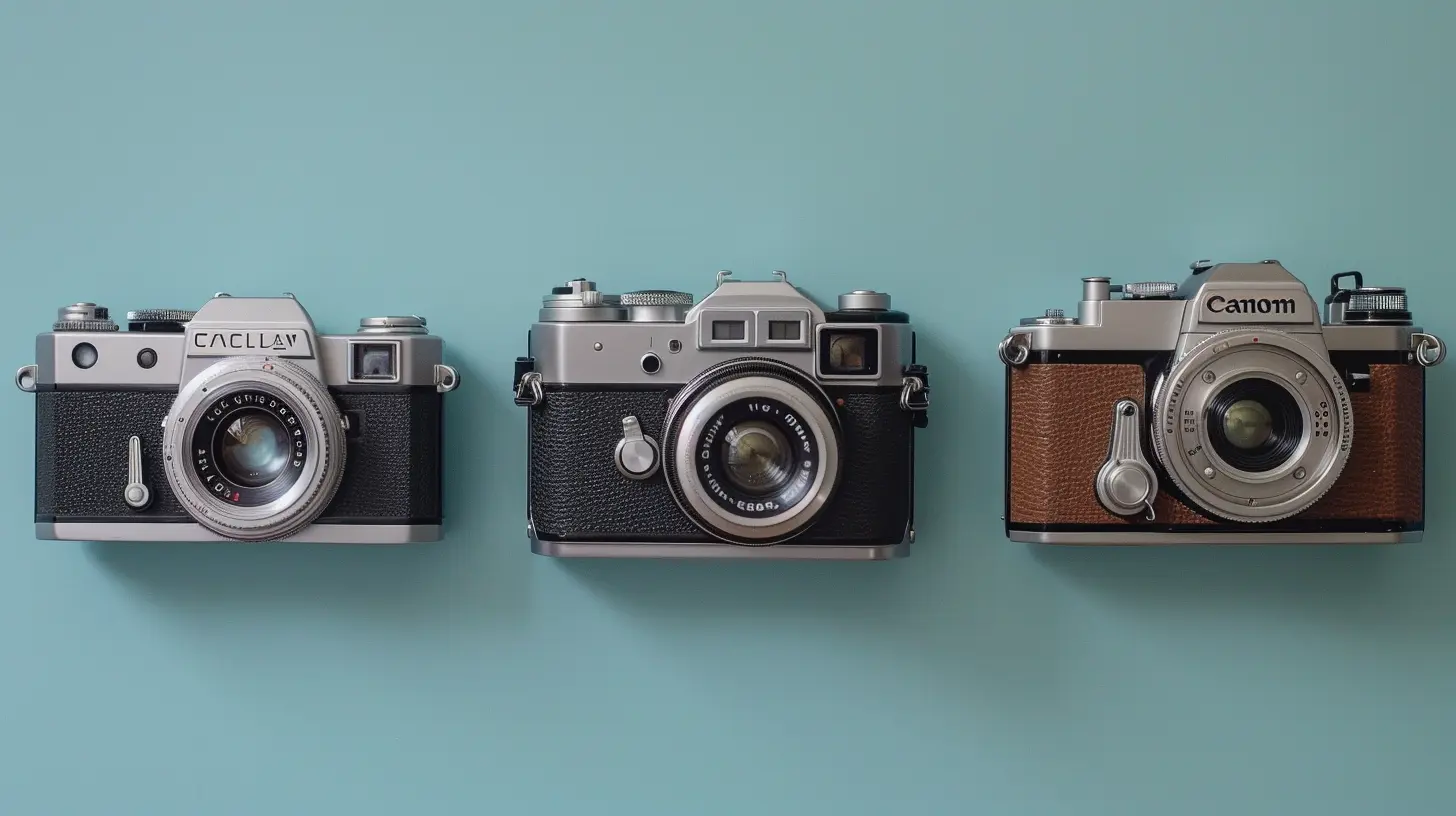
Myth 3: Bigger Sensors Are Always Better
This one’s tricky because there's a grain of truth in it.Why This Myth Persists
In general, larger sensors do provide better image quality, especially in low-light conditions. Full-frame cameras can offer beautiful depth of field and dynamic range.The Truth
Bigger isn’t always better for everyone.A full-frame camera is heavier, bulkier, and more expensive—not just for the body, but for the lenses and accessories too.
If you're traveling, vlogging, or shooting casually, a micro four-thirds or APS-C sensor might be a better fit. You still get amazing quality without carrying a brick.
The “best” sensor is the one that fits your needs, not the one that's biggest.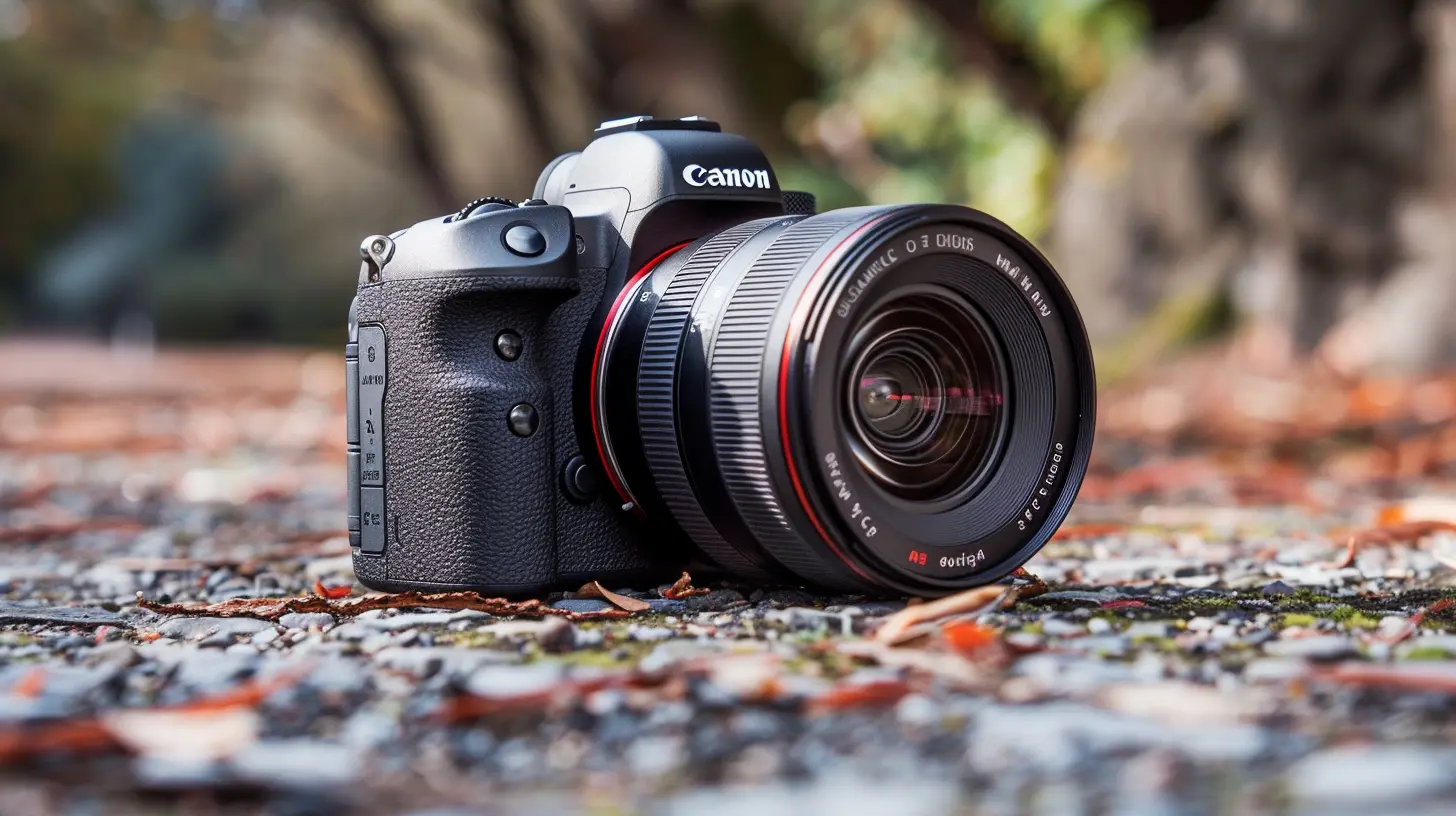
Myth 4: Smartphones Have Replaced Digital Cameras
We get it. Smartphone cameras have gotten really good. Heck, some phones shoot in 4K, have multiple lenses, and use AI to perfect every shot.Why This Myth Persists
Convenience. Your phone is always in your pocket, it’s light, and it can do a lot without needing manual settings.The Truth
Smartphones are great—for quick snaps and social media. But they still can’t match the power and flexibility of a real camera.Want to switch lenses? Shoot fast-moving subjects? Control depth of field manually? Use pro lighting attachments? You’ll need a dedicated camera setup.
Phones have their place, but for serious photography or professional use, they just can’t compete. It’s like comparing fast food to a home-cooked meal. Handy? Yes. But the flavors just don’t match up.
Myth 5: Image Stabilization Fixes Everything
Press the shutter button, get a perfect shot. Magic!Why This Myth Persists
Camera companies love promoting in-body image stabilization (IBIS) and optical stabilization in lenses. And truthfully, they do help reduce blur from minor shakes.The Truth
Stabilization isn’t a superhero. It can’t freeze a moving subject. You still need a fast shutter speed for action shots or a tripod for long exposures.Think of stabilization as a seatbelt—it protects you in mild bumps, not in a head-on crash.
So yes, it helps. But it’s not a magic wand.
Myth 6: You Need to Shoot in RAW to Be a Real Photographer
This myth is often tossed around in photography communities like a badge of honor.Why This Myth Persists
RAW files give you more flexibility in post-processing. That’s true. You can recover shadows, tweak colors, and fix exposures with more control.The Truth
But not everyone wants (or needs) to post-process every shot.JPEGs are processed by the camera to look good right out of the gate. For travelers, hobbyists, or social media users who want quick results, JPEGs are perfectly fine.
Shooting in RAW is a choice—not a requirement to prove your skills.
Myth 7: You Must Spend Thousands to Get a Great Camera
Ah, the age-old myth that your skills are only as good as your bank account.Why This Myth Persists
High-end gear gets a lot of attention online, especially from influencers and YouTubers. But here’s the deal…The Truth
A good photographer with an entry-level camera will always take better photos than a beginner with a $5,000 setup.Great lighting, composition, and timing don’t cost a dime. Start with what you can afford, learn the craft, and upgrade when you outgrow your gear—not because the internet says so.
Remember: the best camera is the one you actually use.
Myth 8: Zoom Lenses Are Worse Than Prime Lenses
This one stirs up a lot of debate.Why This Myth Persists
Primes (lenses with a fixed focal length) typically offer better image quality, wider apertures, and less distortion. That’s been true historically.The Truth
Modern zoom lenses have come a long way. There are plenty of high-quality zooms that rival primes today in terms of sharpness and clarity.And guess what? A zoom lens offers versatility that primes can’t. Instead of changing lenses constantly, you adjust your framing on the fly.
Use what works best for your style. Don’t limit yourself because of some purist myth.
Myth 9: Manual Mode Is Always Better
You’ve maybe been told, “If you’re not shooting in manual, you’re not doing it right.”Why This Myth Persists
Manual mode gives full control over settings—aperture, shutter speed, ISO. And yes, that’s powerful.The Truth
But that doesn’t mean other modes are useless. Aperture Priority (A/Av) or Shutter Priority (S/Tv) modes are incredibly useful and save time in dynamic shooting conditions.Use the mode that helps you get the shot with confidence and speed. It’s about results, not rules.
Myth 10: Editing Fixes Everything
We’re wrapping up with a biggie.Why This Myth Persists
With software like Lightroom and Photoshop, it’s easy to believe that any bad photo can be saved with the right preset or filter.The Truth
Editing enhances a good photo—it doesn’t create one. If your image is out of focus, poorly lit, or badly composed, no amount of sliders will save it.Garbage in, garbage out. Start with a solid shot, then polish it in post.
Final Thoughts
The world of digital photography is full of opinions, half-truths, and outdated advice. It’s easy to get overwhelmed or even discouraged. But here’s the thing: every great photographer started somewhere—usually confused, frustrated, and buried in myths.Break free from the noise. Focus on learning, experimenting, and enjoying the process. Your camera is a tool. How you use it is what actually counts.
So stop chasing the latest spec sheet or worrying about what other photographers think. Trust your eyes, hone your skills, and most importantly—keep shooting.
all images in this post were generated using AI tools
Category:
Digital CamerasAuthor:

Michael Robinson
Discussion
rate this article
2 comments
Soliel Sharp
Wow, who knew my camera didn't secretly plot world domination? 🤔✨ Thanks for busting these myths! I’ll continue ignoring the ‘always use a tripod’ rule while capturing my cat’s high-speed zoomies. Digital cameras: 1, my sanity: 0! 📸🐾 Keep the myth-busting coming!
March 19, 2026 at 3:27 AM
Michael Robinson
Glad you enjoyed it! Your cat's zoomies sound way more fun than a tripod anyway. More myth-busting on the way!
Runevale Flores
Ah, the elusive truth behind digital cameras! Who knew that the latest DSLR doesn’t automatically make you a professional photographer? Shocking! Next, you'll tell me that the number of buttons doesn’t correlate to artistic genius. Thanks for clearing up my lifelong confusion—now I can finally stop blaming my gear for my skills!
February 20, 2026 at 12:56 PM
Michael Robinson
Thanks for your humorous take! Gear is just a tool; it’s your vision and skills that truly make the difference.