Esports and Traditional Sports: A Blurring Line
12 June 2026
If you’ve ever found yourself flipping between a football game and a high-stakes League of Legends tournament, you’ve probably noticed something—these two worlds aren’t as different as they used to be. Welcome to the ever-blurring line between esports and traditional sports, where controllers are as valued as cleats and the roar of a virtual crowd rivals the noise of a packed stadium.
This isn’t just about games vs. games. It’s about culture, competition, economics, and how we define what being an athlete really means in the 21st century.
The Evolution of Esports: From Basement to Big Leagues
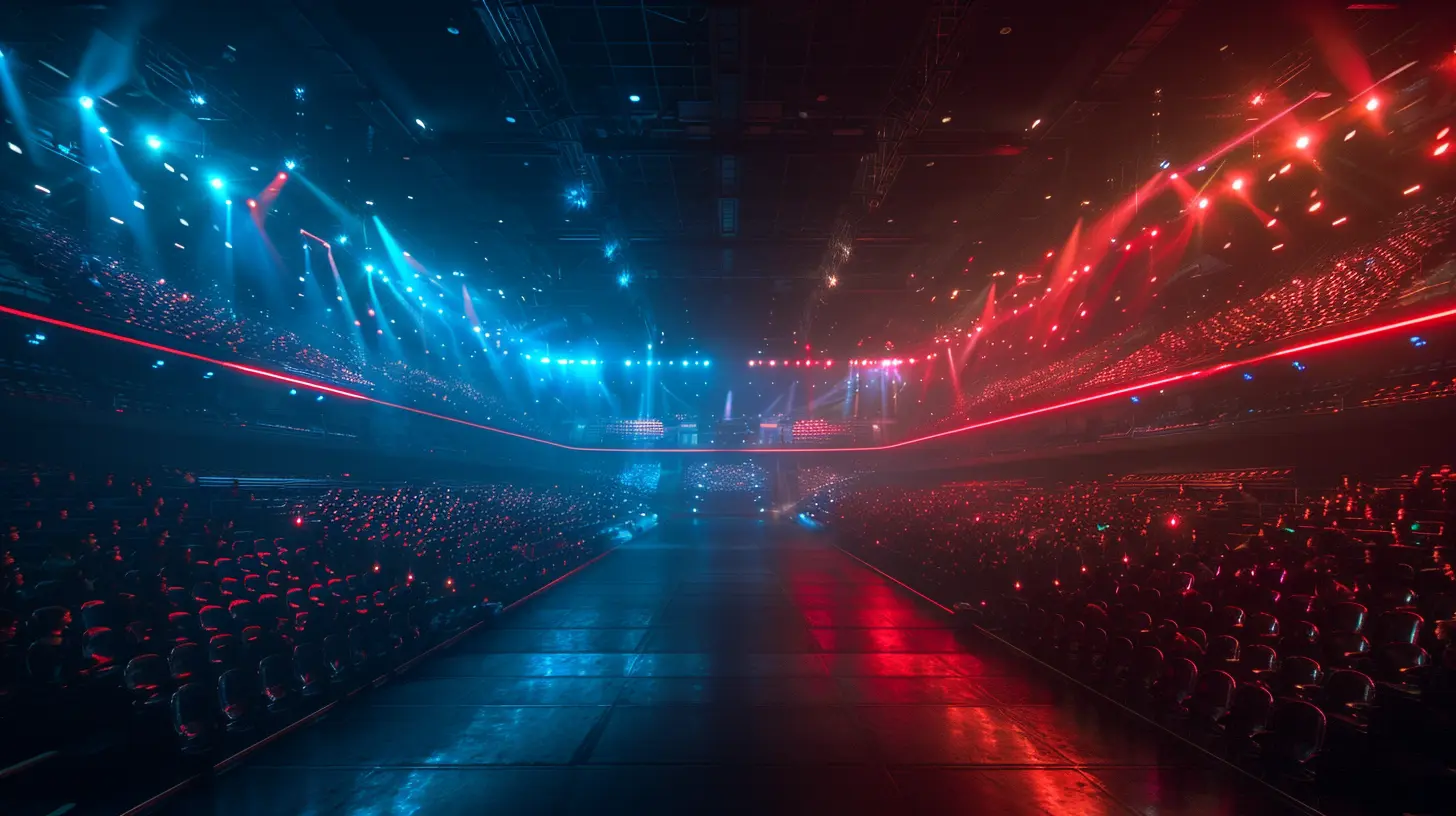
Not long ago, video games were often dismissed—labeled as a “waste of time” or a “nerdy hobby.” Fast forward to today, and esports is a multi-billion dollar industry rivaling the NFL, NBA, and major European soccer leagues. There's global viewership, professional teams, massive sponsorships, and even televised finals.So, how did we get here?
The Rise of Competitive Gaming
Back in the early 2000s, games like Counter-Strike, StarCraft, and Warcraft III kicked off the competitive gaming era. But it wasn’t until platforms like YouTube and Twitch exploded that esports really took off. Suddenly, pro gamers weren’t just skilled—they were celebrities.Think LeBron James meets PewDiePie.
The likes of Faker (League of Legends), s1mple (CS:GO), and Ninja (Fortnite) became household names for a generation raised more on pixels than pigskin.
Institutional Recognition
What really legitimized esports? The structure. Leagues, drafts, player contracts, coaching staff, analytics—all the elements that make traditional sports real and respectable were adopted. Universities now offer esports scholarships. There are sports agents for gamers. Even the International Olympic Committee has flirted with hosting esports competitions.That’s no joke—it’s validation.
Physical vs. Mental: Rethinking “Athleticism”
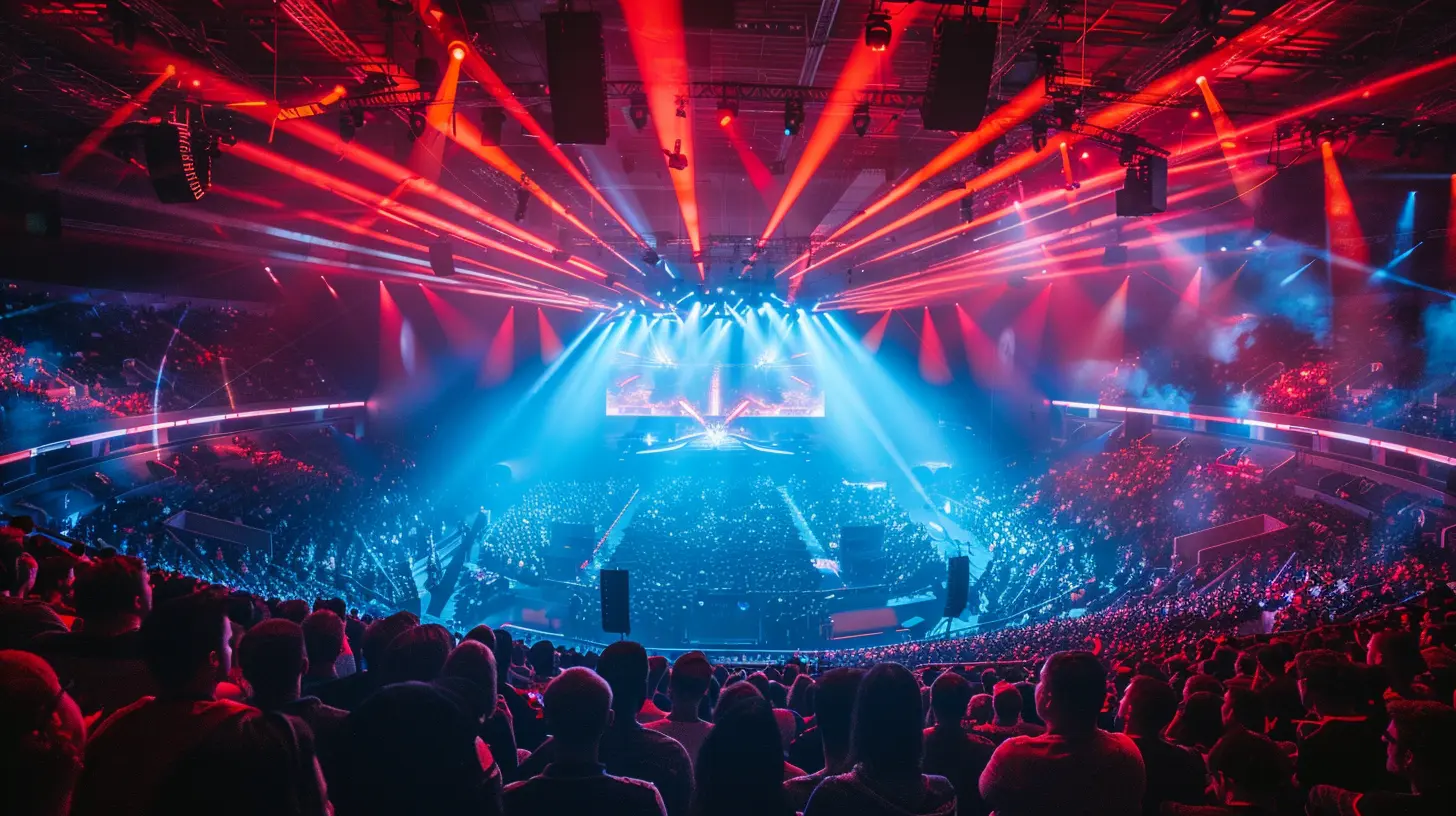
One of the biggest debates between esports and traditional sports is simple: “Are gamers real athletes?”Let’s unpack that.
Physicality Isn’t Everything
Sure, esports athletes aren’t running 10Ks or lifting heavy weights, but do they train? Absolutely. Professional gamers spend 8–12 hours a day practicing, analyzing gameplay, and refining reaction times that are faster than most people can blink.Muscle memory, hand-eye coordination, strategic thinking under pressure—that’s not easy. It just looks different. In fact, esports players undergo physical training to prevent strain injuries and boost endurance. Think yoga over deadlifts.
Mental Fortitude
If you think sports psychology only applies to traditional athletes, think again. Gamers face high-pressure scenarios, require laser focus, and battle through losing streaks—just like any sports professional. Mental toughness is a key ingredient whether you're scoring goals or racking up kills.Bottom line? Athleticism isn’t just about brawn—it’s about brains, grit, and performance.
Fan Culture: The New Stadiums Are Digital
Traditional sports have tailgates. Esports has Twitch chats. But here’s the kicker—they’re both about community.The Passion is Real
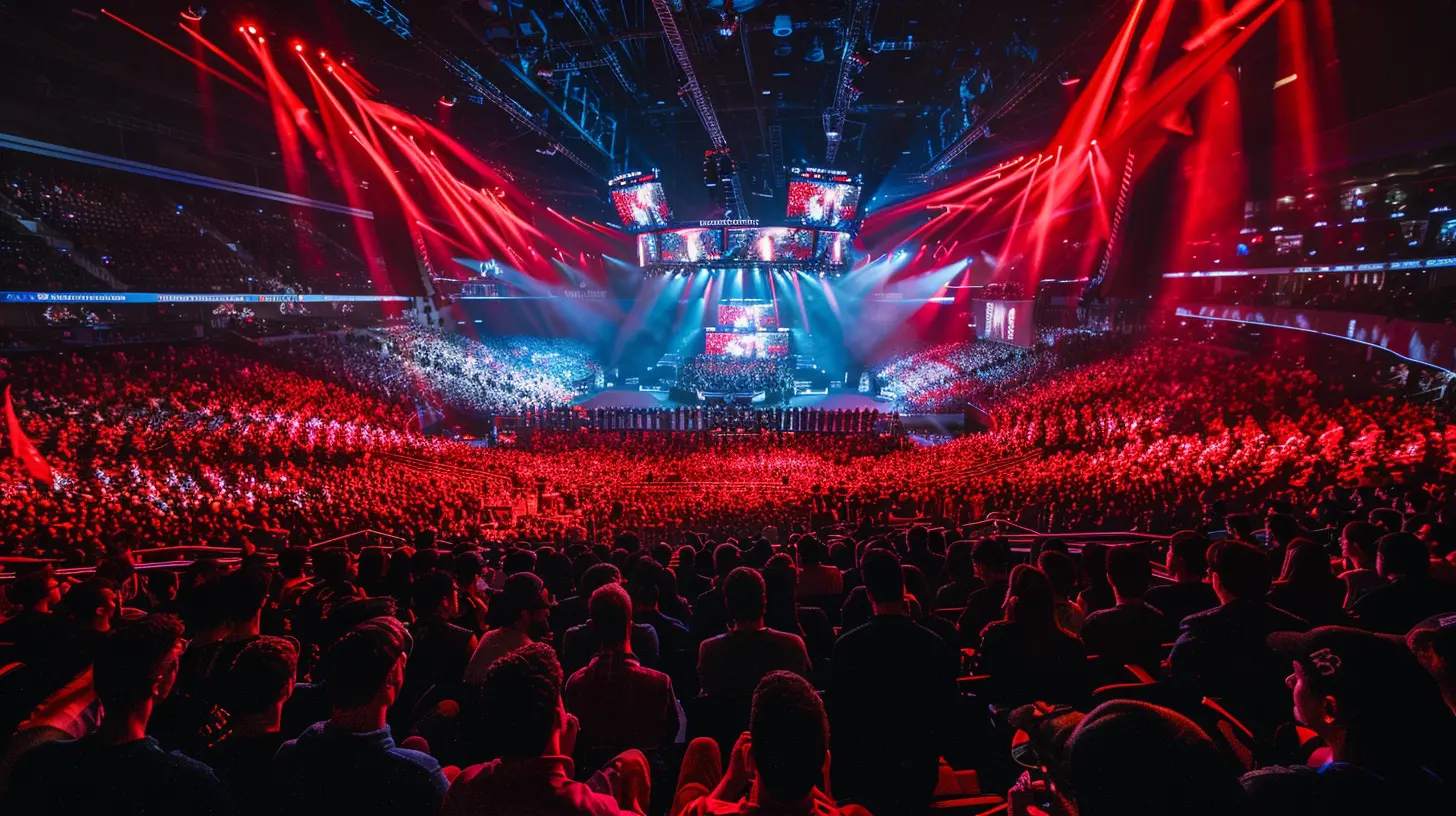
Esports fans are just as passionate as traditional sports fans. Some might say even more so. Ever watched a Dota 2 International final? It’s electric. You’ll hear chants, see painted faces, and feel the tension rise with every play.Gamers aren't just watching—they're part of the action. Real-time commentary, in-stream donations, memes, and live polls? That’s interaction on steroids.
The Global Reach
Esports breaks boundaries where traditional sports often can't. You don’t need a local team or even a cable subscription. If you’ve got WiFi and a screen, you’re in. Esports is global-first, and that’s powerful.A League of Legends fan in South Korea can celebrate the same moment as one in Brazil—at the exact same time.
Money Talks: How the Business World is Betting on Esports
Let’s follow the money for a second.Major Investments Pouring In
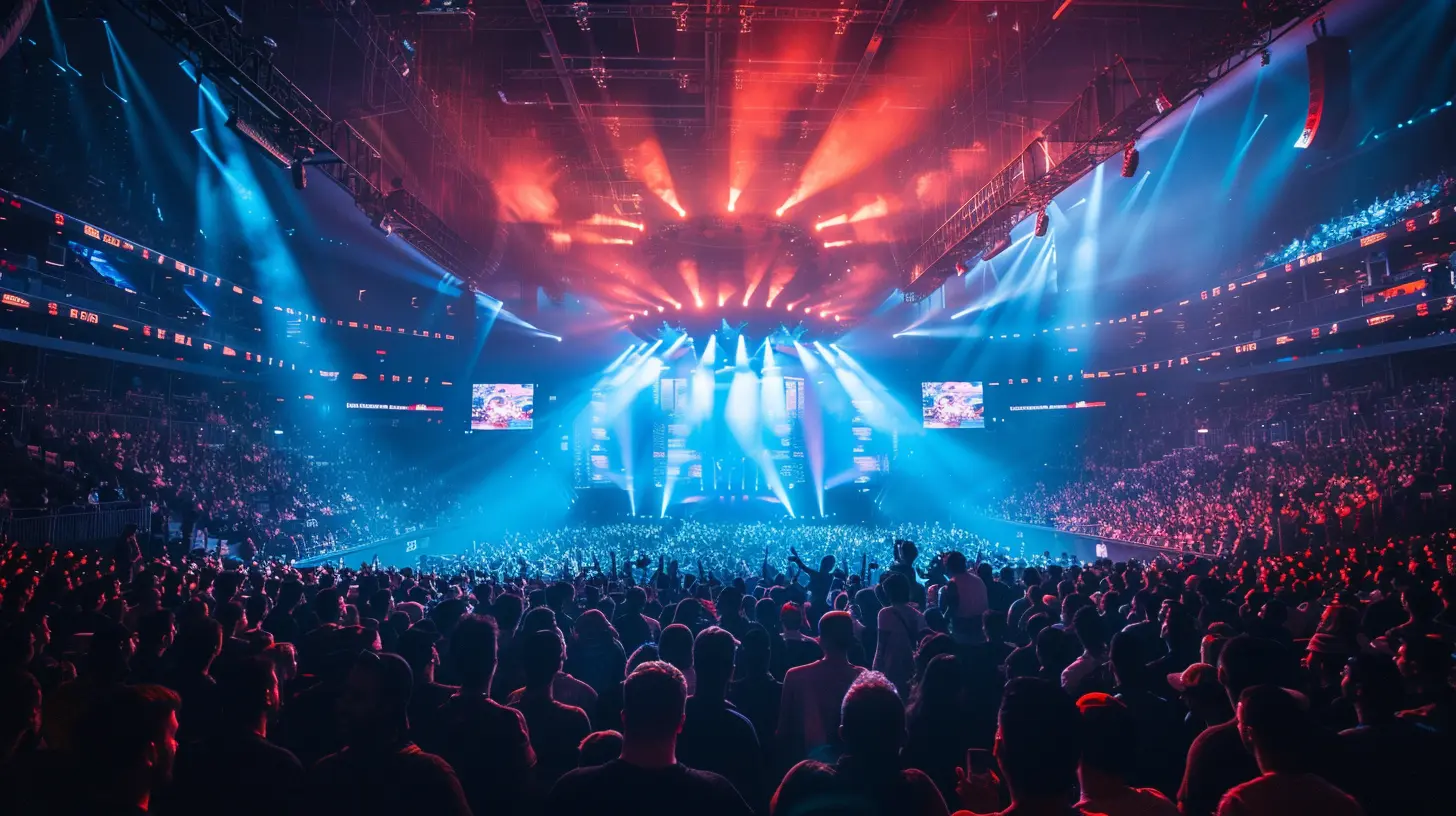
Traditional sports teams have started acquiring or creating esports teams. The Dallas Cowboys have an esports division. The NBA is behind the NBA 2K League. Even globally recognized brands like Louis Vuitton and Mercedes-Benz have jumped on board esports sponsorships.Why? Because the audience is young, tech-savvy, and incredibly loyal.
Prize Pools and Salaries
We’re not talking pocket change here. The prize pool for The International 2023 (a Dota 2 tournament) topped $40 million. Top esports players earn six to seven figures annually—not including sponsorships, streaming revenue, and merchandise.It’s not just a viable career—it’s a lucrative one.
Training, Coaches, and Scouting: A Mirror Image
Professional gaming teams have training camps, dieticians, psychologists, and performance coaches—ringing any bells?Scouting Talent
Traditional sports have talent scouts. Esports do, too—minus the bleachers. Platforms like FACEIT, ESEA, and in-game ladders operate like a digital combine. Performance data is tracked and analyzed using AI tools, similar to what NFL teams use to assess their draft picks.It’s all getting very real, very fast.
Coaching Goes Digital
In esports, coaches don’t just shout from the sidelines. They review game footage like football film, break down strategies, and even create playbooks. Some teams run simulations of in-game situations, just like baseball teams run drills.The method may differ, but the mindset? It’s aligned.
Breaking the Stigma: Public Perception is Catching Up
Despite the growth, esports still battles some outdated stereotypes. We've all heard the jokes—gamers live in basements, don’t socialize, or aren't healthy. But data tells another story.A Changing Narrative
As more people get exposed to the professionalism of esports—from crisp jerseys and endorsement deals to university degrees and physical regimens—the facade is fading.What’s the difference between an elite tennis match and an Overwatch grand final? Honestly, not much anymore.
Crossovers Are Already Happening
Let’s talk synergy.Athletes Who Game
Pro athletes from traditional sports are publicly embracing esports. JuJu Smith-Schuster (NFL), Gordon Hayward (NBA), and even Formula 1 drivers stream regularly. They aren’t just hopping on trends—they’re fans and even investors.Gamers Going Mainstream
Meanwhile, esports players are crossing into mainstream fame. They’re on TV shows, gracing magazine covers, and walking red carpets. Esports is not a subculture anymore; it’s part of pop culture.
Olympics and Beyond: What’s Next?
Here’s the billion-dollar question: Will esports ever sit beside traditional sports at the Olympics?A Matter of Time?
There’s traction. Olympic committees are running pilot events, like the Olympic Esports Week. Some federations already back esports, like FIFA with FIFA eWorld Cup and the NBA with NBA 2K League. There's resistance, sure, but remember—snowboarding was once controversial too.Like every innovation, it just needs time.
The Future Is Hybrid
We’re heading toward a future where the line between esports and traditional sports won’t just blur—it might disappear altogether.Tech Will Be the Bridge
With the rise of AR and VR, physical and digital sports might merge. Imagine playing a real soccer game with an AR HUD or watching a live match with real-time stats overlaid on your smart glasses. Esports and traditional sports may become two pieces of the same pie, just served differently.Youth is Driving the Change
As Gen Z and Gen Alpha grow up with gaming as a norm, their preferences shape the next frontier. Esports isn’t a phase—it’s an evolution.
Final Thoughts
So, are esports real sports? That question is becoming less relevant by the day. What matters more is how the world of competition, teamwork, and entertainment is transforming right before our eyes. The values are the same; only the arenas have changed.Football fields, gaming lounges, or virtual battlefields—it’s all sport now.
And whether you’re holding a controller or a bat, chasing a victory in pixels or on turf—you're part of a revolution where the line between esports and traditional sports is no longer just blurry.
It’s vanishing.
all images in this post were generated using AI tools
Category:
EsportsAuthor:

Michael Robinson
Discussion
rate this article
1 comments
Jessica Jennings
This article captures the evolving landscape of sports. The intersection of esports and traditional sports reflects changing audience preferences, challenging long-held perspectives on competition and entertainment.
June 13, 2026 at 1:00 PM