Exploring the Benefits of Geothermal Energy for Your Home
18 June 2026
Let’s face it—when it comes to heating and cooling our homes, we just want something that works, doesn’t crush our wallets, and doesn’t wreck the planet. That’s not too much to ask, right? Well, if you haven’t already heard about geothermal energy, you’re about to be pleasantly surprised. It’s one of the most under-rated energy powerhouses quietly changing how homeowners keep their spaces cozy—or cool—all year round.
In this deep dive, we’re going to unpack the real-world benefits of geothermal energy for your home. We’ll go beyond the buzzwords and into why this clean, green heating and cooling solution might just be the best decision you’ll ever make for your home and your bank account.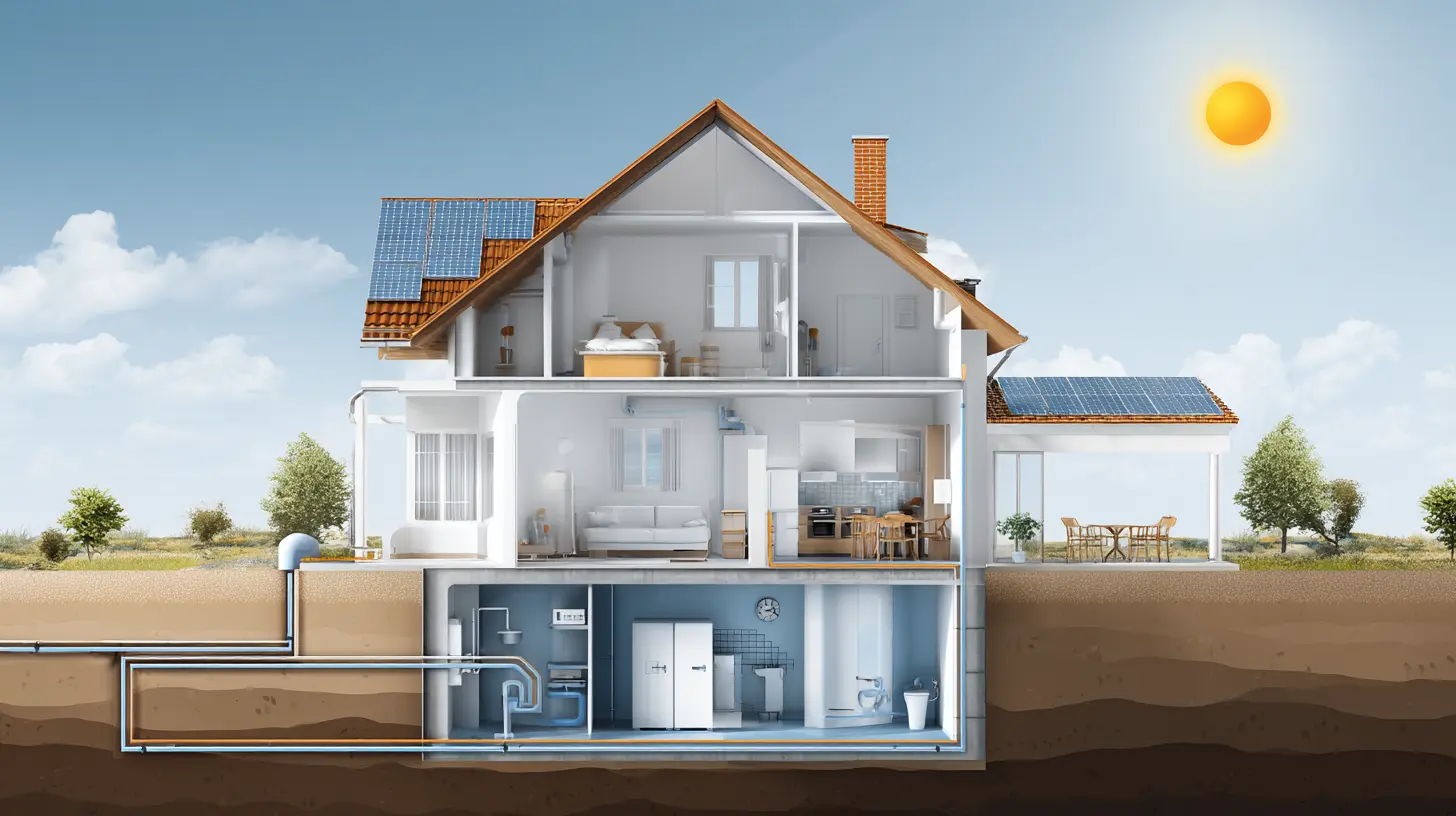
What Is Geothermal Energy Anyway?
You know that warm, comforting heat that rises from a sidewalk after a sunny day? Imagine that same kind of natural heat, but coming from deep within the Earth. That’s geothermal energy in a nutshell.Geothermal energy taps into the Earth’s internal heat—just a few feet below the surface, temperatures stay relatively constant all year long. In fact, if you dig down just 10 feet or so, it’s usually around 50 to 60°F (10 to 16°C)—no matter what the weather’s doing up top.
Geothermal systems use a nifty piece of tech called a ground source heat pump. This pump transfers heat from your house into the ground during the summer and pulls heat from the ground into your home in the winter. Think of it like a reverse refrigerator, but for your whole house.
Why Should Homeowners Care About Geothermal Energy?
Great question. You’ve got lots of choices when it comes to heating and cooling—natural gas, electric HVAC systems, oil burners, even wood-burning stoves. So, why go geothermal?Let’s break it down.
1. Lower Utility Bills—Like Really Lower
This is probably the biggest draw for most folks. Geothermal systems are ridiculously efficient compared to traditional furnaces or air conditioners. They can deliver up to four units of energy for every one unit of electricity used. That’s a 400% efficiency rate.Translation? You’re not shelling out hundreds of dollars each month just to keep your home comfortable. Once installed, a geothermal system can reduce your heating and cooling bills by up to 70%.
Imagine slashing your utility bill and putting that cash toward something actually fun…like a vacation or that fancy espresso machine you’ve been eyeing.
2. Clean and Green as It Gets
If you’re trying to shrink your carbon footprint, this one's a no-brainer. Unlike fossil fuels, geothermal systems don’t burn anything to produce heat. That means no smoke, no soot, no greenhouse gases leaking into the atmosphere.In fact, geothermal energy systems can reduce your home’s greenhouse gas emissions by as much as 70% compared to traditional systems.
Choosing geothermal is like giving Mother Earth a big ol’ hug. Who wouldn’t feel good about that?
3. Comfort That’s Consistent All Year
You know how some heating systems blast hot air that disappears as fast as it comes? Or those chilly spots in the house that never seem to warm up?Geothermal doesn’t play those games.
These systems provide even, steady temperatures across your entire home. No hot bursts. No cold corners. Just consistent, cozy comfort 24/7. And since the system doesn’t rely on outdoor temperatures, it works flawlessly even during blizzards or heatwaves.
4. Super Quiet Operation
Geothermal systems are whisper-quiet. If you’ve lived with a clunky furnace or a noisy outdoor AC unit, you know they can be loud enough to wake the dog. Not geothermal.The machinery resides mainly underground or inside your home, keeping your peaceful vibes uninterrupted. It’s like the Ninja of HVAC systems—fast, efficient, and silent.
5. Long-Term Investment—With a Sweet Payback
We won’t lie to you—installing a geothermal system isn't cheap upfront. However, those higher initial costs can pay for themselves in 5 to 10 years through energy savings alone.Plus, the system itself can last a really long time. The underground loop system? It can last over 50 years. The heat pump unit? Around 20 to 25 years with minimal maintenance.
And don’t forget about the generous federal and state tax incentives. As of now, the U.S. federal government offers a 30% tax credit for residential geothermal system installations. That’s thousands of dollars back in your pocket.
Think of it like buying a Tesla. It costs more at first, but you save huge on gas (or in this case, heating and cooling bills) and feel pretty darn good doing it.
Is Geothermal Right for Every Home?
Okay, here’s the real talk. Geothermal isn’t a one-size-fits-all solution. A few factors will influence whether it’s the right fit for your home:- Yard Size: You’ll need enough land to install the underground loop system. If you’ve got a tiny backyard, you might have to opt for a vertical loop system, which can be more expensive.
- Soil and Rock Conditions: Shale? Sand? Clay? The type of ground affects how easy (and expensive) it is to install.
- Initial Budget: It requires a decent up-front investment, even with incentives.
- Existing HVAC: If your current system is relatively new or efficient, it might be worth waiting until it’s time for a replacement.
Not sure if it’s right for you? A qualified geothermal installer can assess your home and walk you through all the options.
Maintenance: Low Effort, High Reward
One of the best perks of going geothermal? Maintenance is a breeze. No open flames, no combustible fuel, no carbon monoxide risk. Just a sealed, under-the-radar system quietly doing its job.The underground portion is incredibly durable (we’re talking half a century), and the indoor heat pump needs occasional filter changes and a quick once-over each year—easy peasy.
Plus, with fewer moving parts than traditional HVAC systems, there’s just less that can break. That’s more time doing what you love and less time figuring out why cold air is blowing in January.
Geothermal Energy Myths—Busted
Let’s debunk a few common myths about geothermal energy:- Myth #1: It Only Works in Hot or Volcanic Areas
Nope. Geothermal energy doesn’t rely on volcanic hotspots. It works anywhere because the ground temperature remains stable just below the surface, whether you’re in Maine or Montana.
- Myth #2: It’s Too Expensive for the Average Homeowner
Sure, the initial price tag can be higher, but with lower bills and government incentives, many homeowners find it’s totally worth it. It's like buying in bulk—you pay more upfront but save huge in the long run.
- Myth #3: It’s New and Experimental
Geothermal isn’t some shiny new tech toy. It’s been around for decades. Millions of homes and buildings worldwide are using it. It's proven, reliable, and constantly improving.
Adding Value to Your Home
Thinking of selling your house someday? A geothermal system can boost your home's resale value. In fact, energy-efficient homes almost always sell faster and at higher prices.Buyers love the idea of lower utility bills and eco-friendly features. In a world where sustainability is no longer optional but expected, geothermal gives your home that future-forward edge.
Final Thoughts: Why Geothermal Is Worth Considering
There’s something empowering about taking control of your home’s energy and environmental footprint. Geothermal energy offers a rare trifecta—it’s ultra-efficient, incredibly eco-friendly, and surprisingly low-maintenance.Sure, it’s not the cheapest upgrade you can make. But it might just be the smartest.
If you've been trapped in a loop of rising energy bills, it could be time to dig into the ground (literally!) and harness the steady, silent power hiding just beneath your feet.
So, next time you’re daydreaming about future-proofing your home, lowering your bills, and doing your bit for the planet—think geothermal. It's not just a system. It's a long-term energy strategy.
all images in this post were generated using AI tools
Category:
Renewable EnergyAuthor:

Michael Robinson
Discussion
rate this article
1 comments
Rayna Lozano
Digging deep for savings and a cozy home!
July 7, 2026 at 11:54 AM
Michael Robinson
Thanks for your enthusiasm! Geothermal energy really can provide both savings and comfort.