How Esports is Redefining the Concept of the Athlete
13 February 2026
Introduction
When we think of athletes, we often picture traditional sports stars—runners explosively sprinting toward the finish line, basketball players making gravity-defying dunks, or soccer players executing impossible goals. But what if I told you that athletes are no longer confined to physical fields or courts?
Esports, or competitive video gaming, has shattered conventional notions of athleticism. These elite gamers face rigorous training, mental endurance, split-second decision-making, and intense competition—all traits we associate with traditional sports. So, are esports players real athletes? Absolutely—and in many ways, they are redefining what it means to be one.
Let’s dive into how esports is revolutionizing the idea of athleticism and why the gaming world deserves the same level of recognition as physical sports. 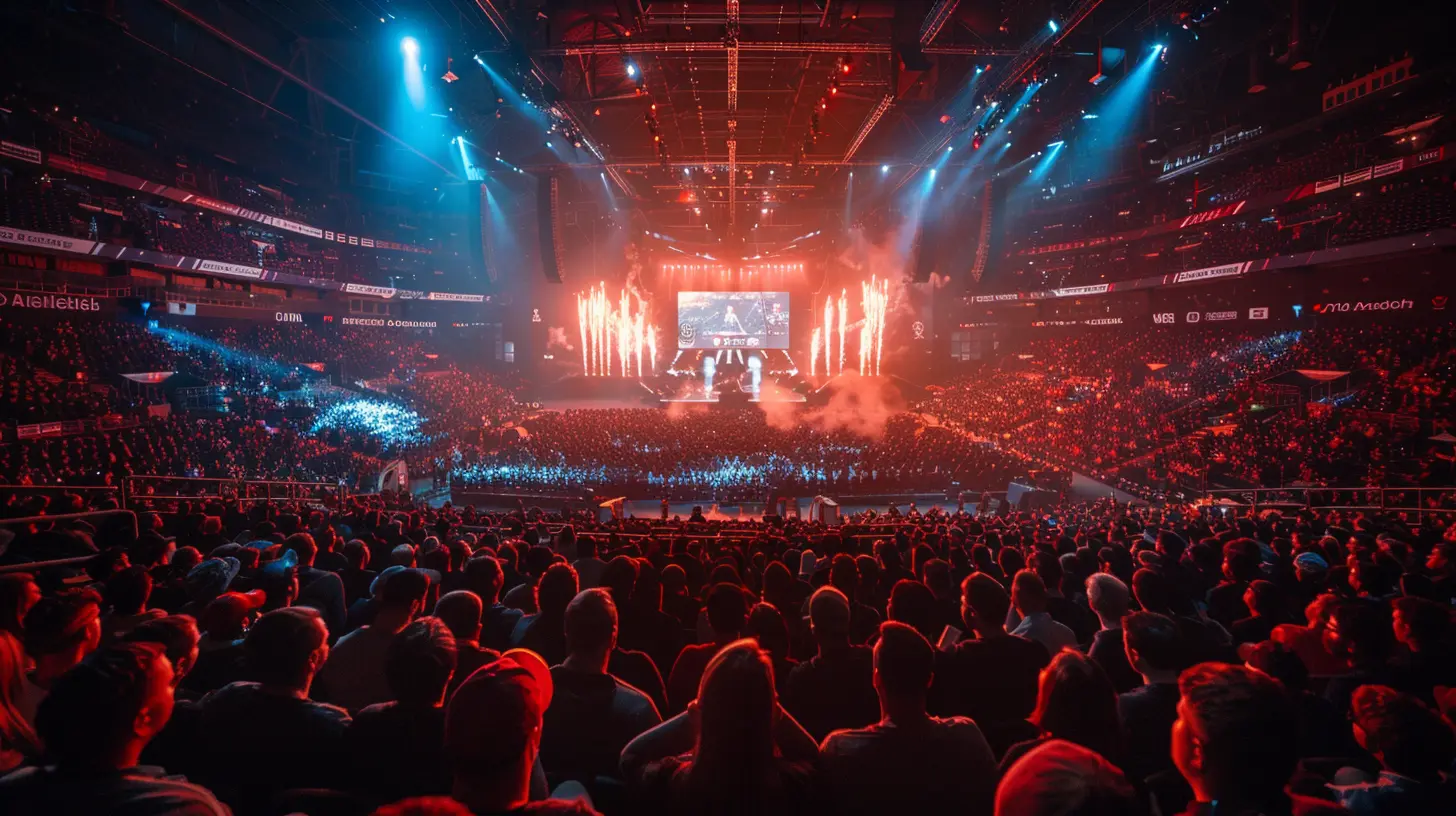
The Evolution of Esports: From Niche to Global Phenomenon
Esports has come a long way from being a niche pastime to a billion-dollar industry with millions of fans worldwide. Gone are the days when video gaming was just a hobby—today, professional gamers compete on massive stages with thousands of spectators, millions of online viewers, and lucrative prize pools.Major tournaments like The International, League of Legends World Championship, and Fortnite World Cup offer millions in winnings, drawing the best players from around the globe. The rise of esports organizations, sponsorships, and even collegiate scholarships proves that competitive gaming is no mere trend—it’s a new era of sports. 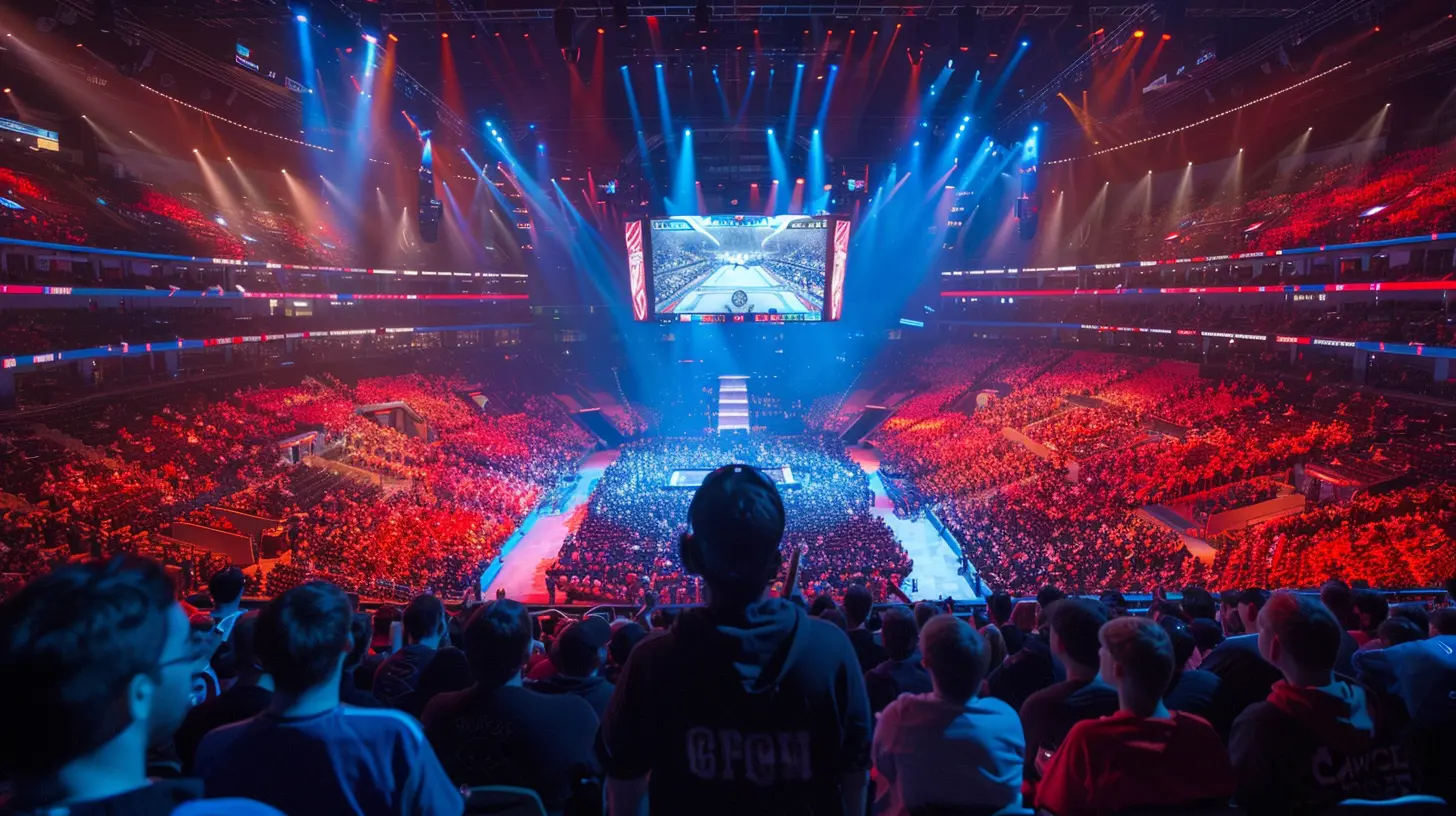
Redefining Athleticism: The Physical and Mental Demands of Esports
Many skeptics argue that esports players aren’t “real athletes” because they don’t engage in physical exertion like traditional sports. But that perspective is outdated.1. Physical Endurance and Reflexes
Think gaming is just sitting in a chair pressing buttons? Think again. Esports athletes require immense hand-eye coordination, lightning-fast reflexes, and fine motor skills. Some of the top players perform over 300 actions per minute (APM)—that’s five actions per second! Imagine processing and executing strategic moves with that level of speed for hours on end.On top of that, long training hours can lead to wrist injuries, carpal tunnel syndrome, and eye strain—issues that demand physical conditioning and proper training to prevent.
2. Mental Toughness and Strategy
Being an esports athlete is mentally exhausting. These players need to anticipate their opponent’s next move, adapt to changing strategies, and remain calm under high-pressure situations.Think about it–playing a high-stakes game like Counter-Strike: Global Offensive or Dota 2 is the equivalent of playing chess at lightning speed. It requires deep strategic thinking, quick decision-making, and flawless execution.
3. Discipline and Training Regimens
Much like traditional athletes, professional gamers follow strict training schedules. They spend 8 to 12 hours a day perfecting their mechanics, analyzing game footage, and honing their teamwork. They also work with coaches, strategists, and sometimes even psychologists to optimize performance.Physical fitness isn’t ignored either—many teams incorporate exercise routines to enhance endurance, posture, and reaction speed. After all, a gamer’s body needs to keep up with the intense mental battles they face. 
Breaking Stereotypes: The Rise of Esports Recognition
The world is finally starting to acknowledge esports as a legitimate form of competition. And why wouldn’t they?- Esports has entered the Olympics conversation. The International Olympic Committee (IOC) has acknowledged competitive gaming, and events like the Asian Games now feature esports as medal events.
- Colleges are offering esports scholarships. Universities around the world now provide esports programs, further legitimizing gaming as a career path.
- Traditional sports organizations are investing in esports. NBA teams own esports franchises, soccer clubs recruit FIFA players, and racing simulations collaborate with real F1 teams.
We’re witnessing the breakdown of old stereotypes, proving that professional gamers deserve as much respect as any elite athlete. 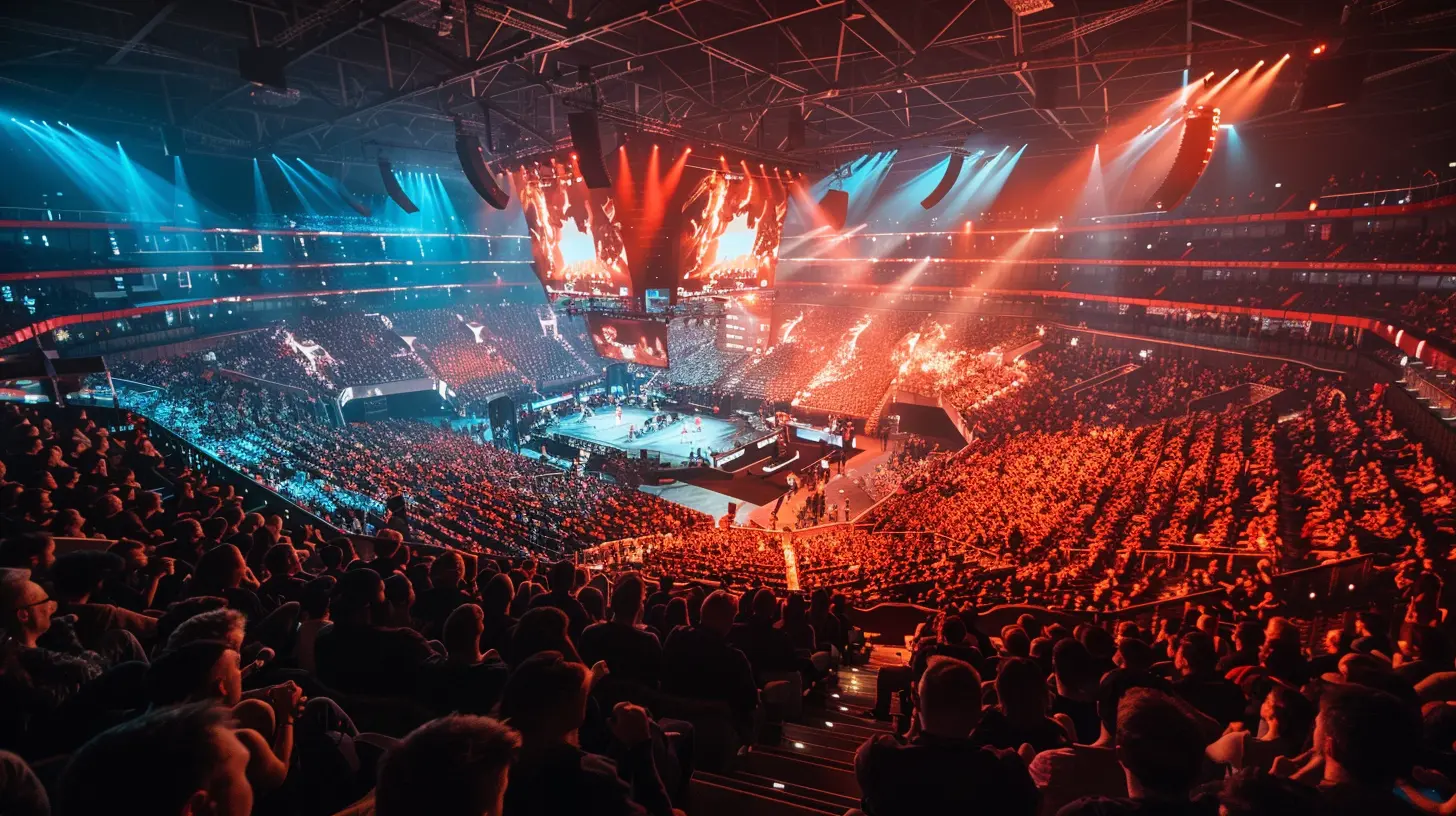
The Future of Esports Athletes
As technology advances and gaming becomes even more immersive, the demand for esports athletes will only increase. With the rise of virtual reality (VR) and augmented reality (AR), future competitions might blur the lines between digital and physical activity even further.Esports isn’t just redefining athleticism—it’s pioneering a new frontier of competition that blends mental mastery, teamwork, and endurance in ways we’ve never seen before.
Conclusion
The definition of an athlete is evolving. Esports professionals may not run laps around a field, but they exhibit unparalleled mental strength, precision, and dedication. They train hard, compete fiercely, and sacrifice just as much as traditional sports stars. If athleticism is about pushing human limits to achieve greatness, then the best esports players are undoubtedly athletes in their own right.So next time someone dismisses esports as “just playing video games,” remind them of the skill, endurance, strategy, and discipline that go into mastering the world’s most competitive titles. The future of sports isn’t just on the field—it’s also on the digital battlefield.
all images in this post were generated using AI tools
Category:
EsportsAuthor:

Michael Robinson
Discussion
rate this article
2 comments
Finnegan McAleer
Esports athletes are pushing boundaries, proving that skill, strategy, and dedication redefine athleticism in today’s world.
March 15, 2026 at 5:08 AM
Michael Robinson
Absolutely! Esports athletes showcase a new dimension of athleticism through their exceptional skills and strategic thinking, challenging traditional notions of what it means to be an athlete.
Natalie McClellan
This article raises fascinating points about the evolving definition of an athlete in the age of esports. It's intriguing to see how skills like strategy, teamwork, and mental agility play into modern competition. I wonder how this shift will influence traditional sports and the recognition of diverse athleticism in the future!
February 14, 2026 at 3:46 AM
Michael Robinson
Thank you for your insightful comment! It's certainly a fascinating time for the definition of an athlete, and I look forward to seeing how these shifts will continue to shape both esports and traditional sports.