How Streaming Platforms Are Accelerating the Growth of Esports
31 July 2026
Esports. It’s no longer just a niche hobby or something only “hardcore gamers” know about. It’s a massive, global phenomenon that’s reshaping the future of entertainment. And if you're paying attention, you’ll notice that streaming platforms are playing a HUGE role in this revolution. But how exactly are these platforms accelerating the growth of esports? Let’s dive right in.

The Explosive Rise of Esports
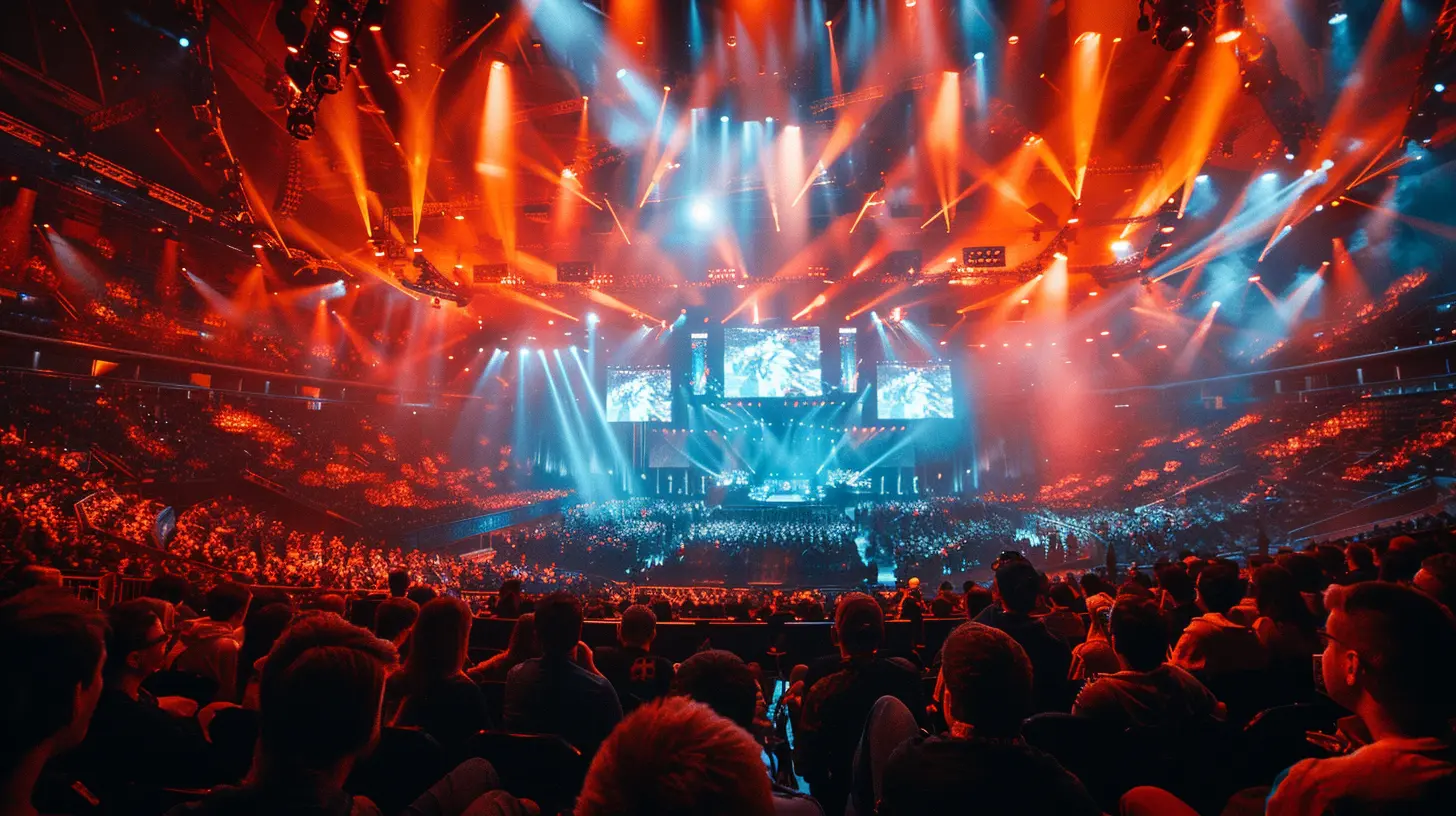
Before we get into the nitty-gritty of streaming platforms, let's set the stage. Esports, or competitive video gaming, has exploded in popularity over the last decade. What started as small LAN parties in basements has now transformed into packed stadiums, millions of viewers online, and prize pools that rival traditional sports championships.Games like League of Legends, Dota 2, Call of Duty, and Fortnite have become household names. Even if you’re not a gamer, you’ve likely heard of them because esports is everywhere. But here’s the thing: esports wouldn’t be where it is today without streaming platforms giving it that extra push into the mainstream.
What Are Streaming Platforms?
Alright, let's clarify what we mean by "streaming platforms." We're talking about services like Twitch, YouTube Gaming, Facebook Gaming, and more recently, platforms like Trovo and Caffeine. These are places where gamers and esports enthusiasts can broadcast live gameplay, competitions, and other content to a global audience in real time.The beauty of these platforms is that they offer instant, unfiltered access to esports events. Fans don’t need to worry about buying expensive tickets or traveling to an event in another country. All they need is an internet connection, and they’re right in the thick of the action.
The Real-Time Connection: Bringing Fans and Players Closer
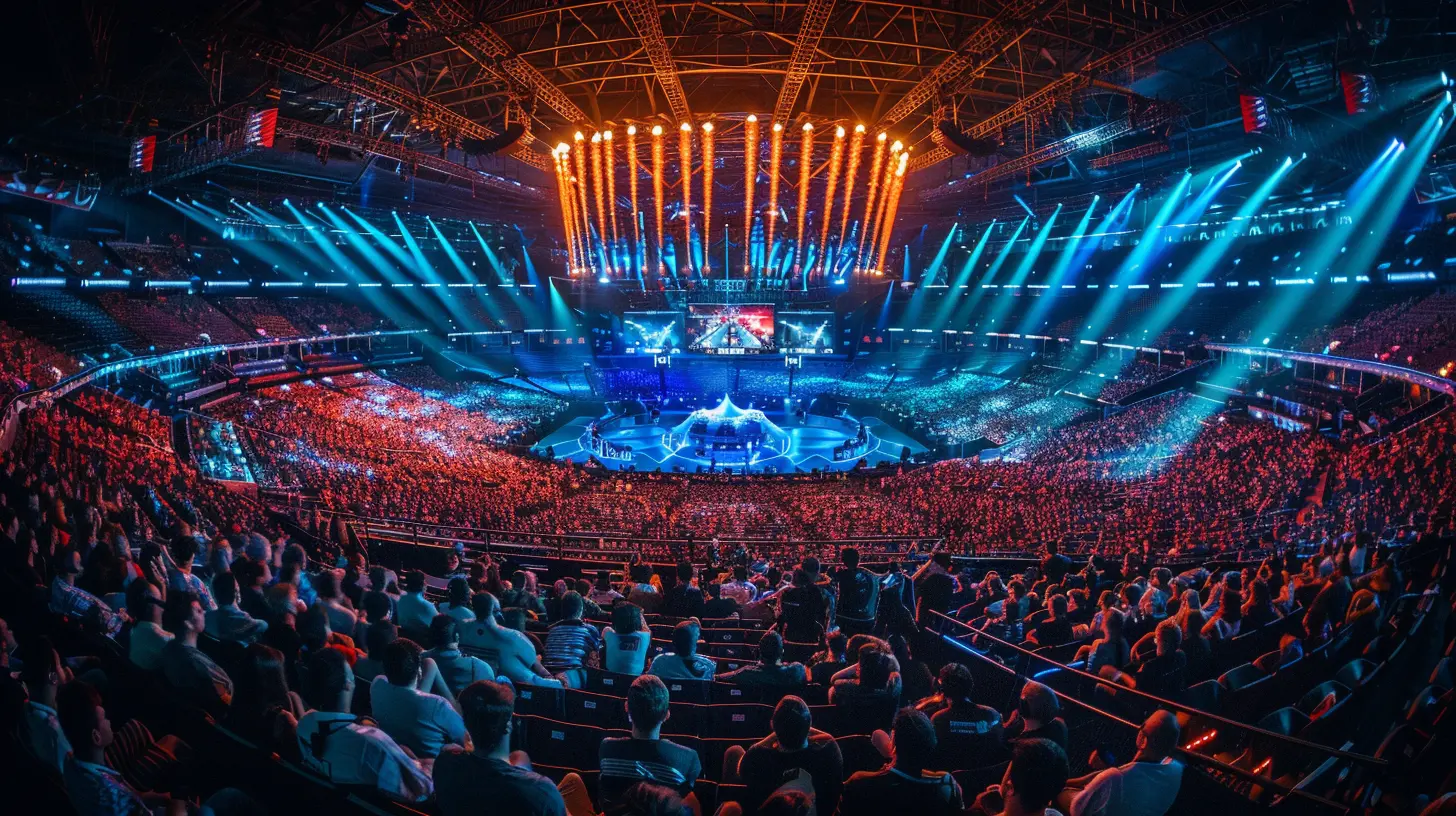
Back in the day, if you wanted to watch your favorite sports teams, you had to tune in on TV or, better yet, buy a ticket to the actual event. Now, with streaming platforms, fans can interact with their favorite esports players and teams in real-time. It’s like sitting courtside at an NBA game, but better—because you can actually chat with the players!Platforms like Twitch allow viewers to engage with streamers through live chats, donations, and even voting on in-game decisions. This level of interaction is something traditional sports can’t offer in the same way. It creates a deeper connection between the esports community and its fans, making the experience much more personal.
And let’s be honest, who doesn’t want that level of access? Imagine being able to ask LeBron James why he made a certain play mid-game. That’s essentially what streaming platforms are enabling in the esports world.

Expanding Esports’ Reach Beyond Hardcore Gamers
Okay, so streaming platforms do more than just bring fans and players closer together. They’re also helping expand esports’ reach to a broader audience. We’re talking about casual gamers, non-gamers, and even people who had zero interest in video games just a few years ago.How? Well, streaming platforms make it super easy to stumble upon esports content. You could be browsing YouTube for funny cat videos and suddenly find yourself watching a Fortnite tournament. These platforms' algorithms know how to keep you hooked, my friend.
Plus, influencers and content creators play a massive role here. When your favorite YouTuber or Twitch streamer starts talking about an upcoming esports event, you’re more likely to check it out—even if you’re not a die-hard gamer. This kind of organic exposure has been a game-changer for esports, helping it spread like wildfire across different demographics.
The Role of Sponsorships and Advertisements
Where there’s an audience, there’s money. And esports has attracted some serious cash flow thanks to streaming platforms. Big brands have taken notice of the massive crowds tuning in to watch esports tournaments and individual streamers. We’re talking about companies like Intel, Red Bull, Nike, and even traditional sports networks like ESPN now getting in on the action.Streaming platforms provide a direct line to millions of young, tech-savvy viewers that traditional advertising struggles to reach. Brands know this, and they’re willing to pour big bucks into sponsorships, advertisements, and partnerships with streamers and esports teams.
Think of it this way: the more sponsorships and ad revenue flowing into esports, the bigger the prize pools, the better the events, and the more polished the production value. It’s a win-win for everyone involved—players, fans, and organizations alike.
Making Esports Accessible Anytime, Anywhere
One of the greatest perks of streaming platforms is the on-demand nature of the content. Missed the League of Legends World Championship final? No problem. It’s available to watch on Twitch or YouTube whenever you want. You can pause, rewind, and watch at your own pace. This level of convenience is a big reason why esports has continued to attract a global fanbase.And let’s not forget about mobile. With the rise of mobile streaming, you don’t even need to be at a computer to catch the latest esports action. Whether you’re on the bus, in a waiting room, or just chilling on the couch, you’ve got esports in your pocket 24/7.
Creating New Opportunities for Aspiring Gamers
Here’s a fun fact: streaming platforms aren’t just for fans. They’re also creating enormous opportunities for up-and-coming gamers. In the past, becoming a professional esports player was a pipe dream for most gamers. You needed connections, the right sponsorships, and a whole lot of luck.But now? Streaming platforms give anyone a shot. Aspiring players can build their own fanbase, showcase their skills, and get discovered by esports organizations—all from the comfort of their own home. It’s like American Idol, but for gaming.
Streamers like Ninja and Shroud didn’t become household names overnight. They built their careers through consistent streaming, interacting with fans, and showcasing their skills in front of millions. Now, they’re not only top-tier esports athletes but also influencers who’ve shaped the entire gaming industry.
Another thing to note: streaming platforms are also helping to diversify the esports scene. More female gamers, LGBTQ+ players, and gamers from underrepresented communities are finding their voice and building their brand through streaming. This wasn’t as common even just five years ago, but now it’s part of why esports feels so inclusive and exciting.
Fostering Community and Culture
Esports isn’t just about competition; it’s about community. And streaming platforms are the glue holding this community together. Whether it’s through chat rooms, social media, or forums, fans and players can connect, share tips, talk trash, and just have fun.Twitch, for example, has become a social hub for gamers. You can join a stream, chat with people from around the world, and even form friendships. It’s like going to a virtual sports bar, where everyone is there for one reason: to celebrate their love of esports.
Communities have formed around specific games, players, and events. These micro-communities are passionate, engaged, and incredibly loyal. They’re not just watching; they’re participating. And that sense of belonging is a big factor in esports’ rapid growth.
The Future of Esports and Streaming Platforms
So, where does esports go from here? If the current trends are anything to go by, the future looks bright—very bright. Streaming platforms will continue to play a pivotal role in this growth. We’re already seeing the lines blur between esports, traditional sports, and entertainment.Virtual reality (VR) and augmented reality (AR) are on the horizon, and they could bring entirely new experiences to esports streaming. Imagine being able to virtually “step into” an esports event, walking around the arena, and watching the action from any angle. It sounds like science fiction, but it’s closer than you think.
As internet speeds improve and technology advances, we can expect even sharper streams, more interactive features, and global access to esports events like never before.
Final Thoughts: Why Streaming Platforms Are Crucial for Esports Growth
In a nutshell, streaming platforms are the lifeblood of esports. They’ve turned what was once a fringe activity into a mainstream spectacle that rivals traditional sports. From expanding the audience to creating real-time connections between fans and players, streaming platforms have accelerated the growth of esports in ways we couldn’t have imagined a decade ago.Esports is no longer the future—it’s the present. And if you’re not already tuning in, you might want to start. Because the world of competitive gaming isn’t slowing down anytime soon.
all images in this post were generated using AI tools
Category:
EsportsAuthor:

Michael Robinson